

Late Victorian Armchairs
Late victorian armchairs bring substantial 19th-century seating to a room, offering deep comfort and period character through varied timber and upholstery designs.
What these pieces are
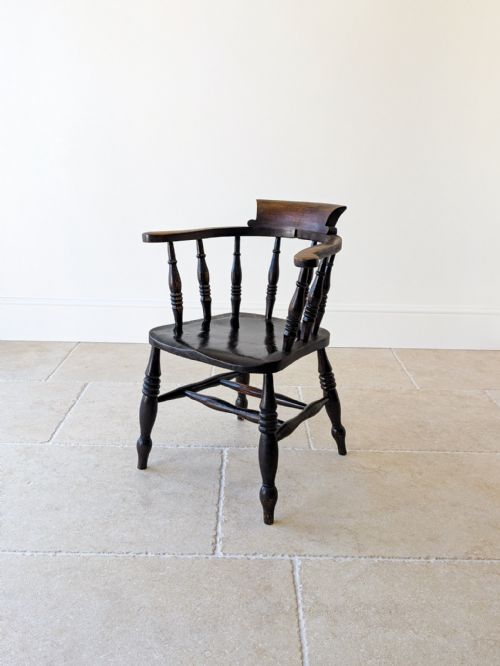
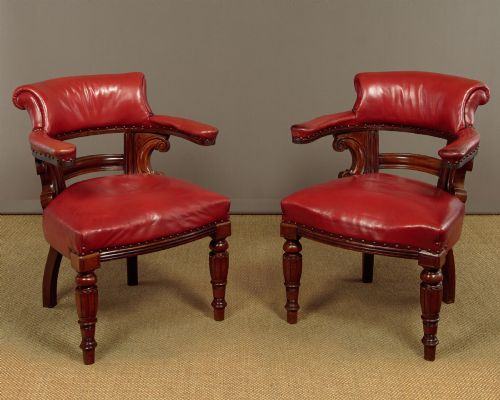
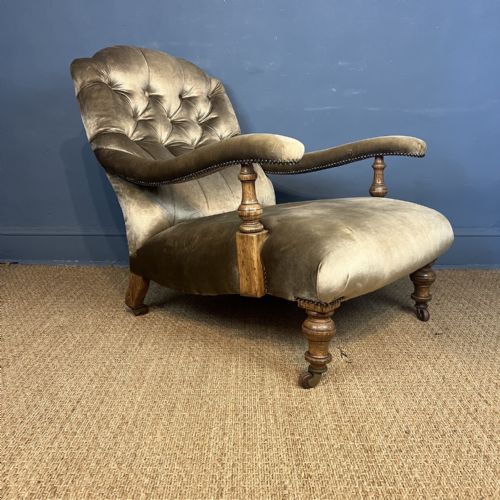
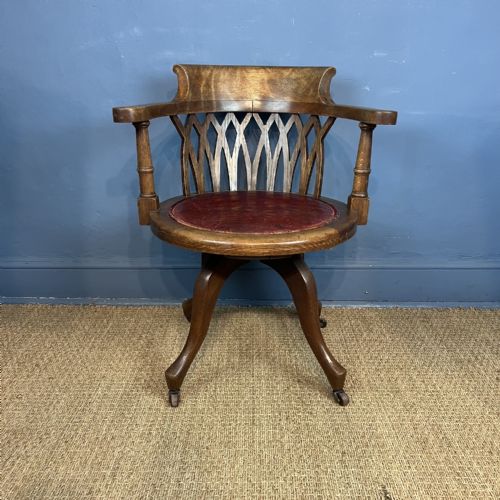
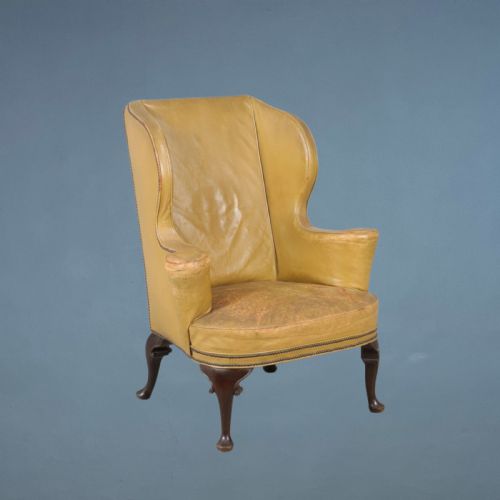
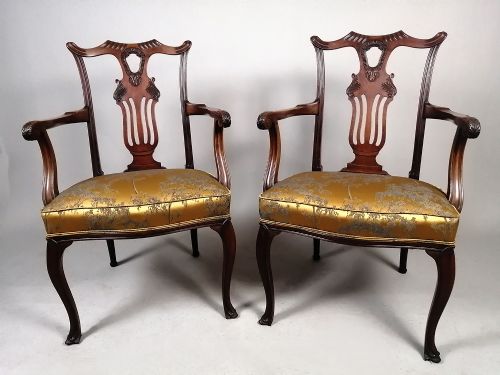
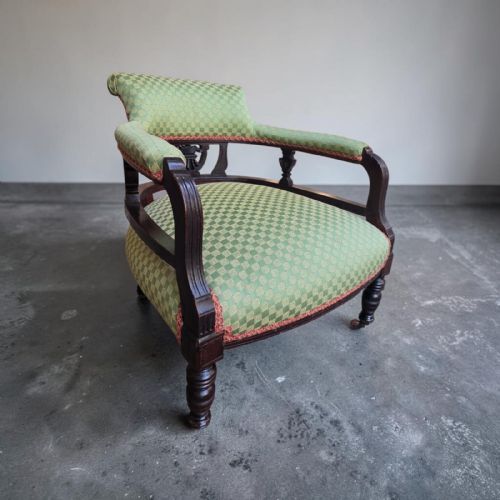
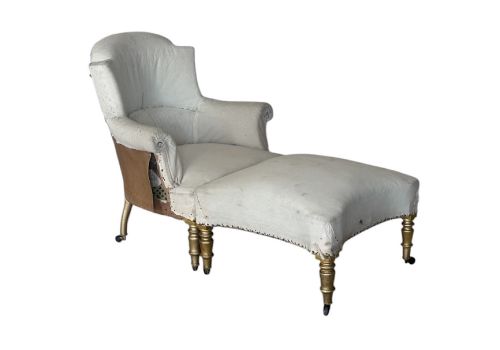
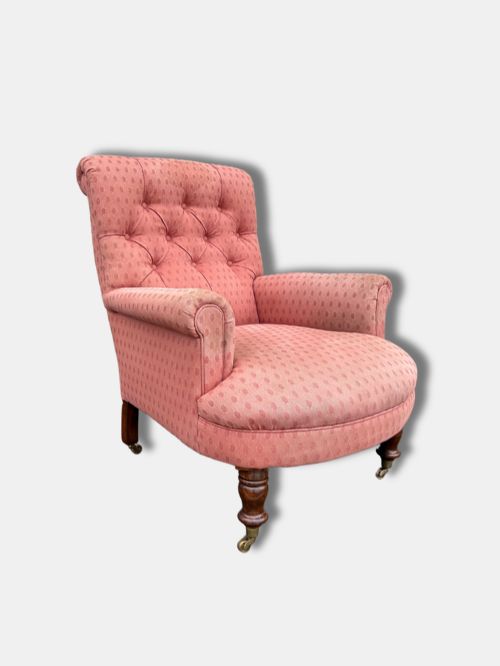
Late victorian armchairs encompass a wide variety of domestic seating produced around the end of the nineteenth century, including club armchairs, library armchairs, smokers bows, and upholstered salon styles. Buyers searching for late victorian armchairs frequently encounter pairs, often built from mahogany, walnut, or oak, reflecting the robust manufacturing output of the period.
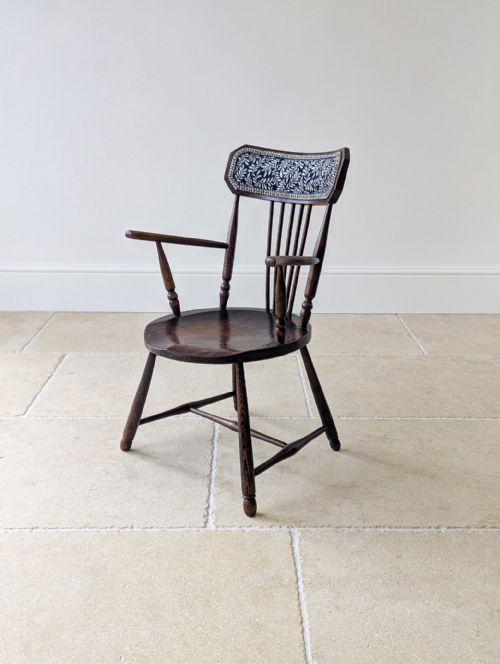
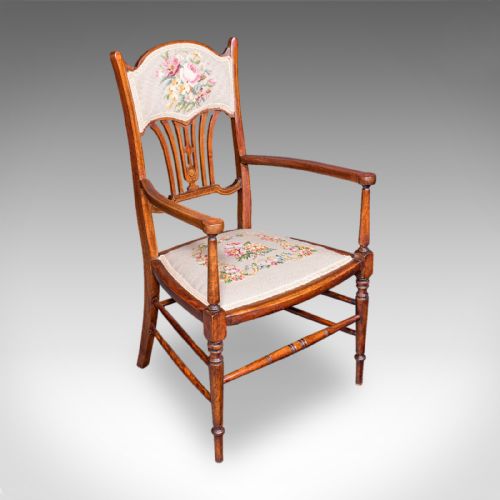
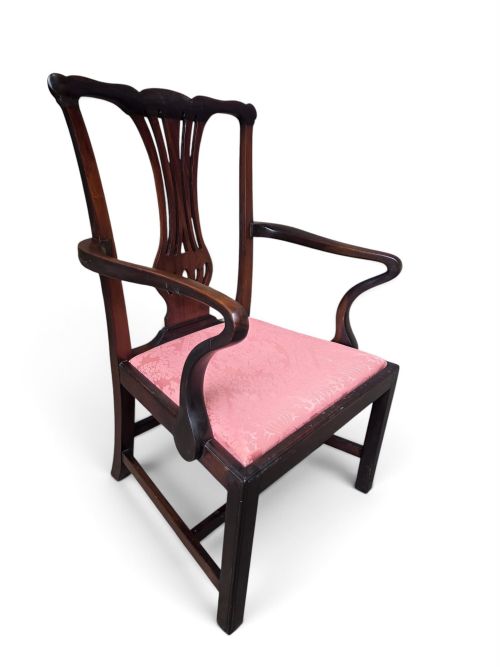
The inventory ranges from solid timber frame chairs such as carved corner chairs and lyre back elbow chairs to heavily upholstered library and club models. Many incorporate design influences from earlier eras, such as Georgian layouts or Gothic details, while others utilise inlaid decoration and giltwood finishes.
Makers recorded in past transactions include firms like Edwards & Roberts and Maple & Co, alongside pieces linked to the style of Howard and Sons. These pieces bridge the gap between heavy Victorian decoration and the lighter aesthetic movements that followed.
How they were made
Frames rely predominantly on hardwoods such as mahogany, walnut, and oak, selected for their structural stability and capacity for detailed carving or smooth turning. Joinery techniques of the period ensure rigidity, supporting deep upholstery or open slat work depending on the specific armchair type.
Surface decoration frequently involves inlaid contrasting timbers, carved details along arms and crest rails, and occasional giltwood finishes. Upholstered variants combine internal webbing and stuffing with robust outer coverings including fabric and leather.
Recorded materials for these armchairs include mahogany, oak, walnut, leather, and fabric across nineteenth-century examples.
What varies in quality
The grade of timber selection and the precision of hand-carved ornamentation separate standard utility seating from high-end cabinet maker production. Pieces bearing stamps or attribution to established workshops display superior joinery execution and finer detailing in their inlay work.
Upholstered forms differ according to the integrity of the internal stuffing and the quality of the outer fabric or leather covering. Structural firmness and the crispness of turned or carved wooden elements dictate the overall standing of an individual chair.
Edwards & Roberts·Maple & Co
The Late Victorian Armchairs Glossary
- Club armchair
- A deep, heavily upholstered seat designed for comfort, often associated with late nineteenth-century smoking rooms and libraries.
- Smokers bow
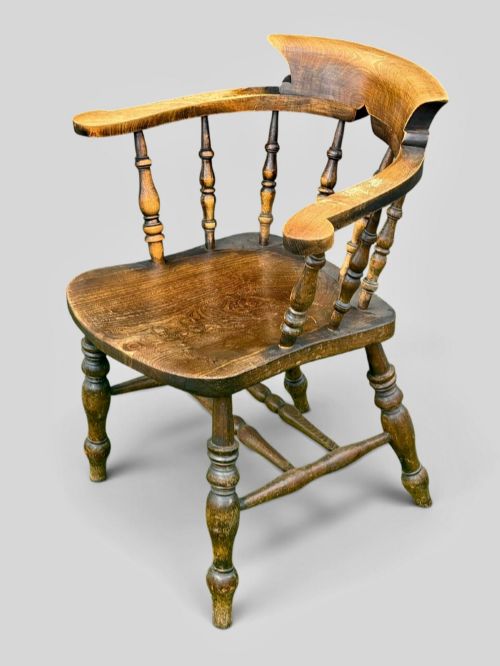
- A sturdy, low-backed wooden armchair with a bentwood rail, popular in domestic and commercial settings during the nineteenth century.
- Inlay
- A decorative technique where contrasting pieces of wood are fitted into the primary timber surface to create patterns.
- Giltwood
- Timber that has been coated with a thin layer of gold leaf or gilt paint for a decorative metallic finish.
- Lyre back
- A chair back designed in the shape of an ancient Greek lyre instrument, frequently utilised in mahogany elbow chairs.
Frequently Asked Questions
What defines late victorian armchairs?
These chairs are seating pieces produced during the final decades of the nineteenth century, typically around eighteen ninety. They combine traditional timber frames with various upholstery styles or open wooden backs.
Makers of the era produced numerous variations, ranging from simple smokers bows to inlaid mahogany library chairs and upholstered club seating.
How were club armchairs used?
Club armchairs provided heavy, padded seating for domestic reading rooms, libraries, and smoking rooms. Their deep proportions suited relaxed lounging.
Owners typically placed them near fireplaces or reading tables where comfort took priority over formal posture.
Are these chairs sold in pairs?
A significant portion of the recorded inventory consists of matched pairs, particularly for library, salon, and drawing room use. Single pieces also appear.
Pairs often feature mirrored carving or identical upholstery configurations suitable for balanced interior placement.
What woods are most common?
Mahogany, walnut, and oak dominate the timber selection for these frames, accompanied by occasional giltwood finishes. Many mahogany examples incorporate decorative inlay.
Oak appears frequently in structural framework and corner chairs, while walnut supports polished salon and ladies and gents armchair designs.