

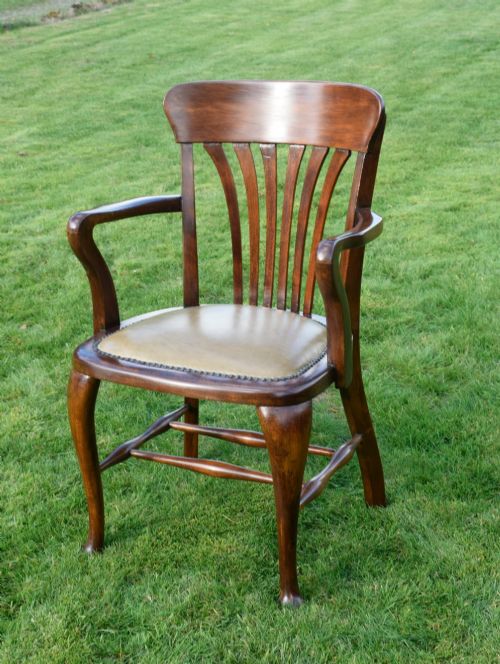
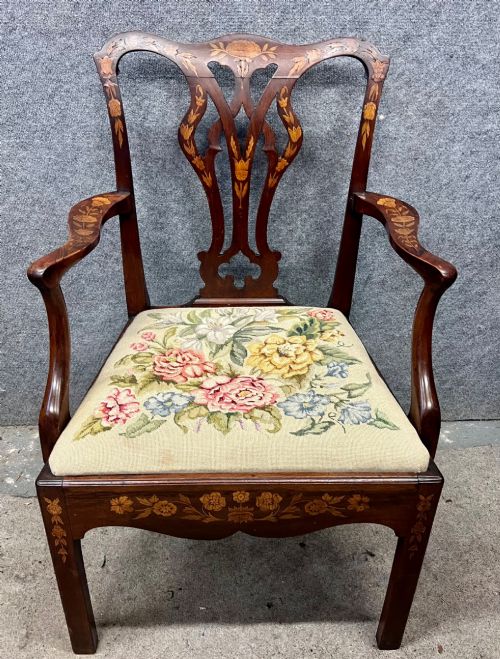
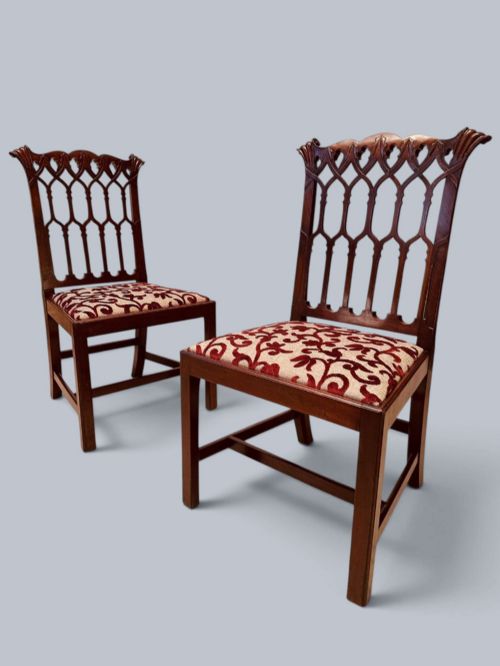
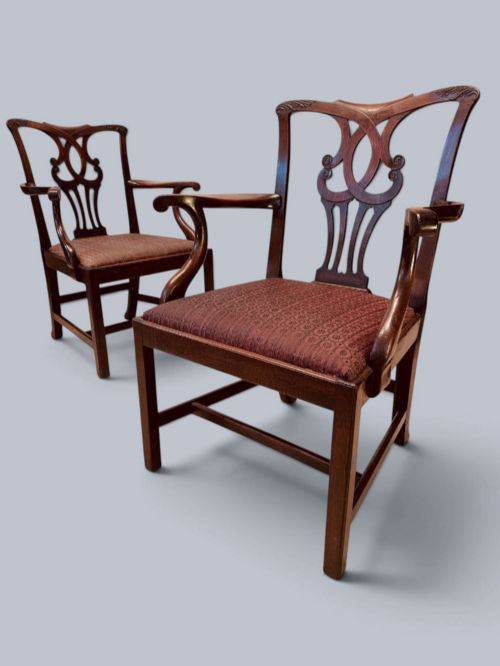
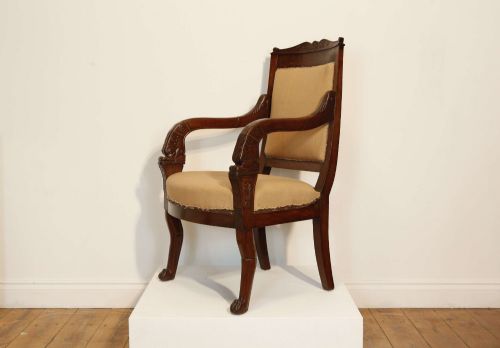
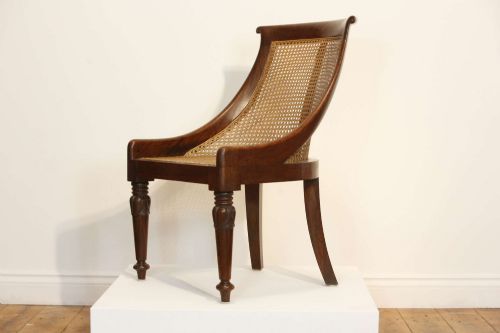
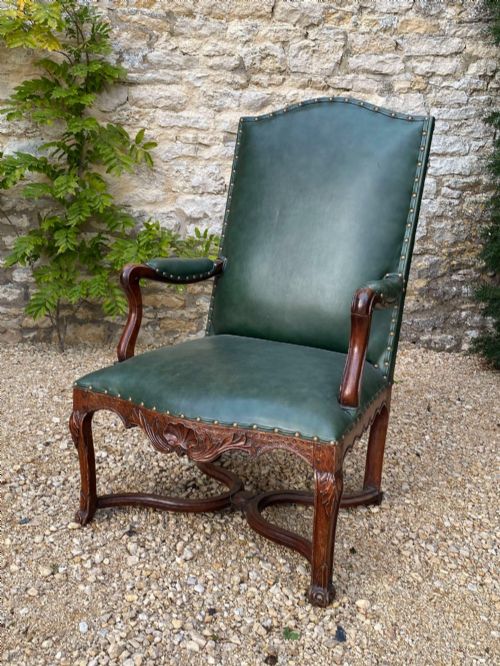
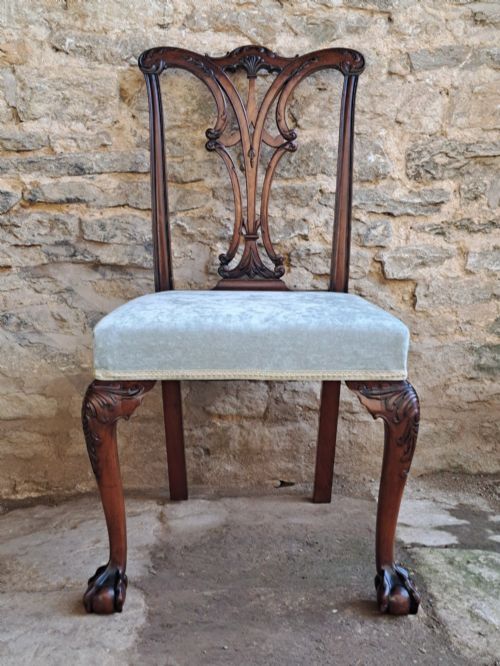
Antique Carved Desk Chair
An antique carved desk chair brings historic character to a workspace, offering solid timber frames and traditional seating designed for prolonged study.
Antique Carved Desk Chair
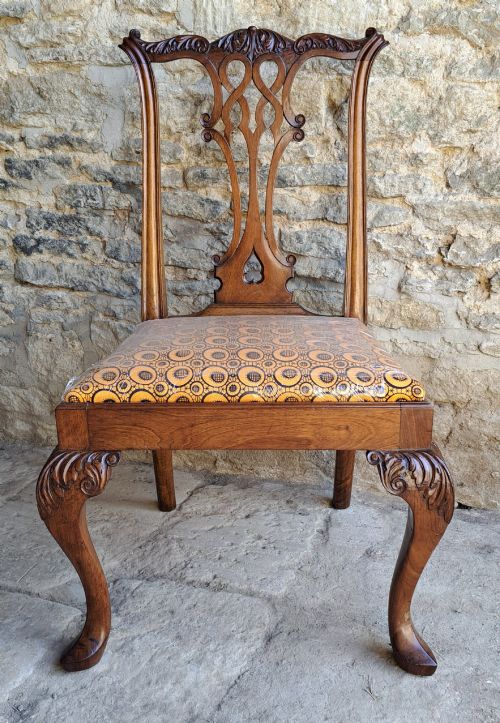
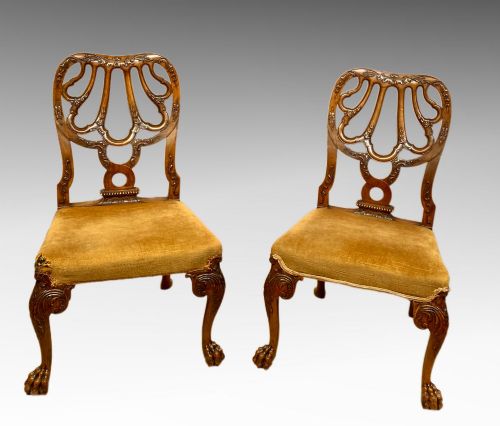
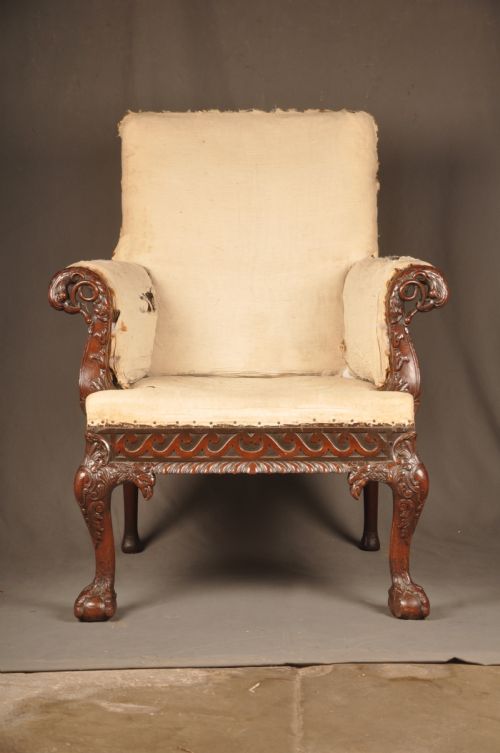
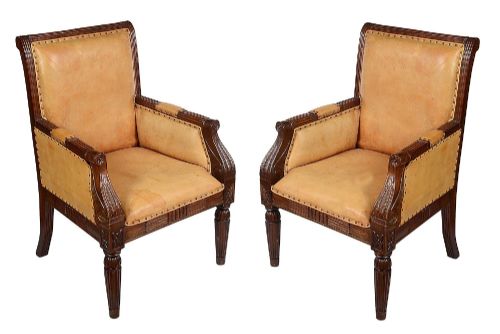
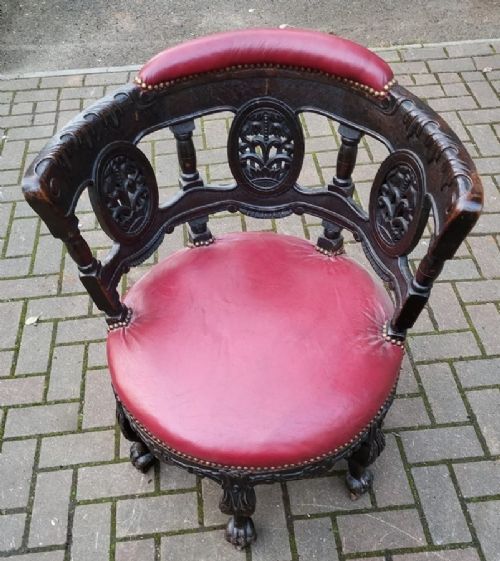
An antique carved desk chair combines functional seating with sculptural woodwork, appearing frequently in Victorian and Georgian incarnations across these archives. These pieces range from solid mahogany revolving office seats to upholstered walnut library armchairs built for private studies and writing rooms.
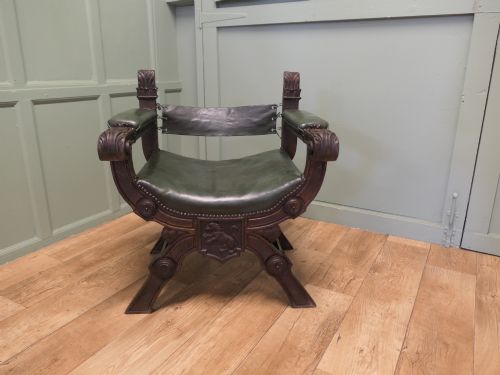
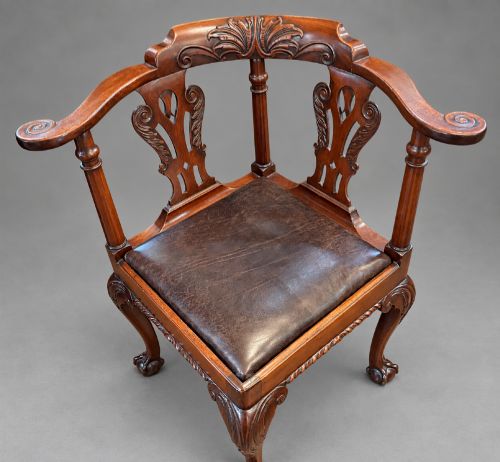
Makers adapted classical vocabulary such as Chippendale and Gothic Revival styles to suit domestic workspaces, producing elbow chairs and captain's chairs with shaped armrests. These seating options reflect shifting domestic habits where comfort met formal design during the nineteenth and eighteenth centuries.
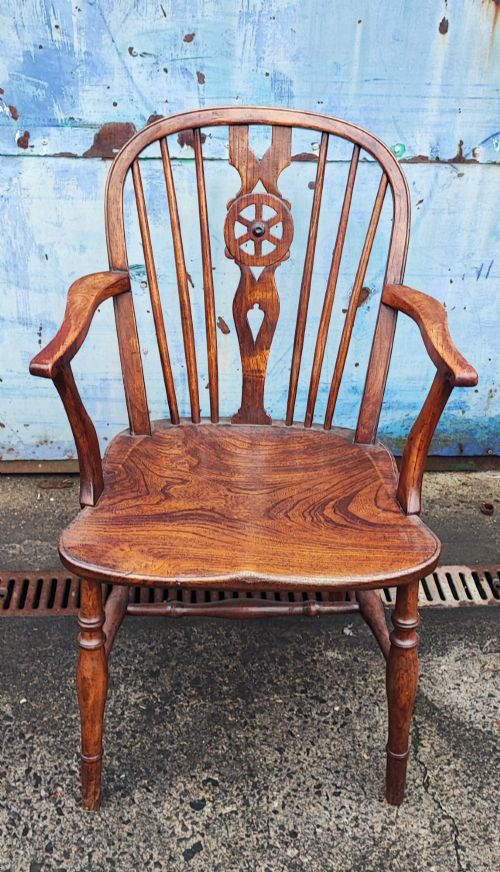
Buyers encounter sturdy oak frameworks, elm captain's chairs, and elaborate mahogany revolving models designed for practical use at partners' desks. Each form demonstrates how historical cabinetmakers addressed the physical demands of reading and writing before the advent of modern ergonomics.
Materials and Construction Methods
Cabinetmakers relied on dense hardwoods like mahogany, walnut, and oak to withstand the structural stresses placed on writing furniture. Elm and ash also appeared in regional workshop pieces such as traditional captain's chairs and smoker's bows.
Joinery techniques involved mortise and tenon frames alongside steam-bent components for curved arm rails and ladderbacks. Carving was executed by hand directly into the solid timber framing rather than applied as separate composition moulding.
Upholstery integration utilised leather, fabric, and brass tacks secured over webbing and stuffing to provide a supportive seat for writing desks. Revolving mechanisms on later Victorian examples introduced iron spindles and wooden pivot blocks concealed beneath the seat.
Antique Carved Desk Chair Retail Price Guide 2026
Typical asking prices for carved desk chair among the pieces listed under this phrase on Sellingantiques today, from the lower quarter to the upper quarter. They describe what is for sale here now, not the wider market.
Listings feature structural timbers including mahogany, walnut, oak, elm, and ash across Victorian, Georgian, and Regency periods.
Distinctions in Quality
The refinement of hand-carved details distinguishes standard utility seating from high-end library chairs produced by prominent workshops. Crisp undercut foliage, deeply channelled splats, and well-proportioned cabriole legs indicate superior execution by skilled artisans.
Selection of figured timber plays a major role, with dense Cuban mahogany or burr walnut veneers commanding greater presence than plain domestic hardwoods. The integrity of the original framing, minimal timber shrinkage, and retained structural rigidity preserve the long-term utility of the chair.
Charles Tozer·Gillows·Alfred Allen of Birmingham
The Antique Carved Desk Chair Glossary
- Cabriole leg
- A furniture leg that curves outward at the knee and tapers inward toward an ankle or foot, common on walnut pieces.
- Captain's chair
- A low-backed wooden armchair with a rounded top rail supported by spindles, historically associated with ship captains and office use.
- Gothic Revival
- A nineteenth-century design movement utilising pointed arches, tracery, and medieval architectural motifs in woodcarving.
- Revolving desk chair
- A swivel seat mounted on a central pivot mechanism, allowing the user to rotate while seated at a partners' desk.
- Splats
- The vertical strip of wood down the centre of a chair back, frequently carved in ribbon, ladder, or pierced patterns.
Antique Carved Desk Chair: Frequently Asked Questions
What is an antique carved desk chair?
An antique carved desk chair is a traditional wooden seat designed for writing or administrative work, featuring decorative hand-carved woodwork on the backsplat, frame, or arms. These pieces date primarily from the eighteenth and nineteenth centuries.
They combine functional stability with period craftsmanship, utilising durable timbers like mahogany, walnut, and oak to endure daily use at a writing table.
How do I choose between a revolving desk chair and a static armchair?
Revolving desk chairs offer mobility through mechanical wooden or iron pivots concealed beneath the seat, which suits active workspaces and modern office layouts. They became particularly popular during the Victorian period for administrative tasks.
Static armchairs and library chairs provide a fixed, stable seating position with rigid frames, making them ideal for reading areas or traditional partner desks where movement is less essential.
Were these chairs originally made for offices?
Many of these chairs were commissioned for private home libraries, gentlemen's studies, and grand domestic writing rooms rather than commercial office environments. The emphasis was placed on high-aesthetic integration with domestic furniture.
Over time, forms like the captain's chair and the revolving desk chair evolved to meet the demands of prolonged administrative and professional work.
How can I tell the period of a carved desk chair?
Dating relies upon observing stylistic indicators such as Georgian cabriole legs, Regency reeding, or Victorian Gothic Revival tracery carved into the timber frame. Wood selection, such as eighteenth-century mahogany or seventeenth-century walnut, also assists in identifying the era.
Construction methods, including the presence of hand-cut joints versus later machine tooling, provide further physical evidence regarding the approximate date of manufacture.