


Brown Oak Desk Chair
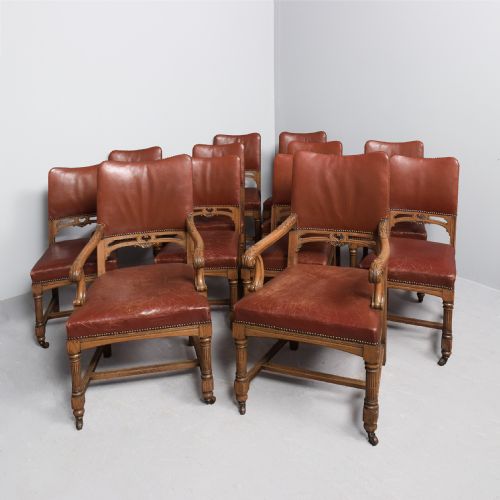
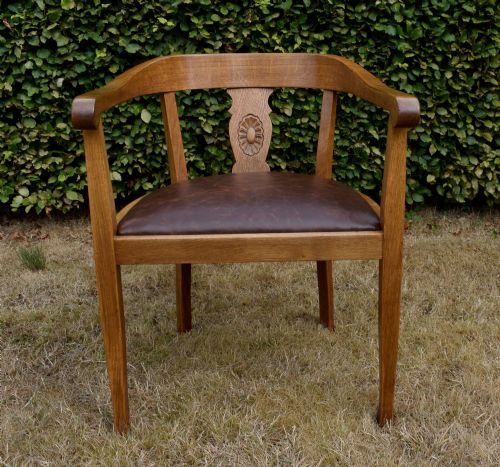
A brown oak desk chair brings tactile warmth and enduring grain to a workspace, combining sturdy vernacular frames with comfortable upholstered seats.
Brown Oak Desk Chair
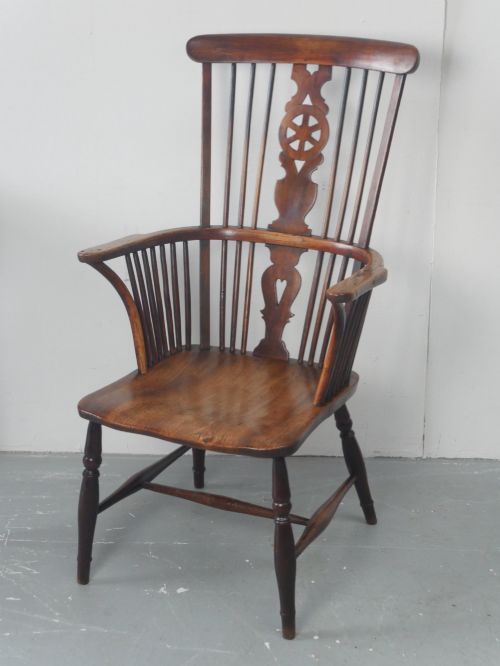
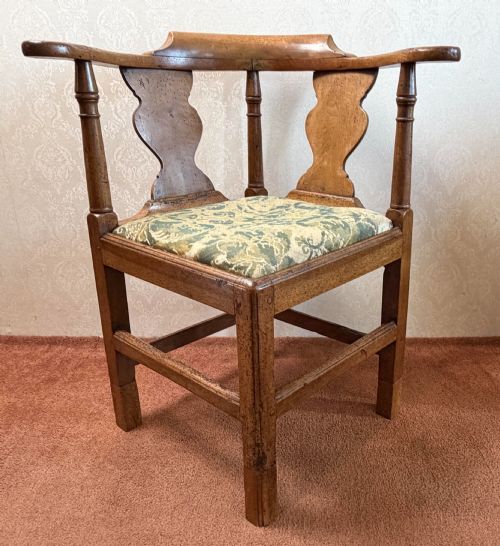
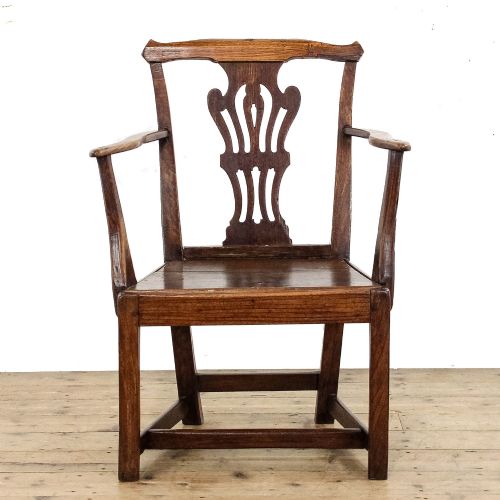
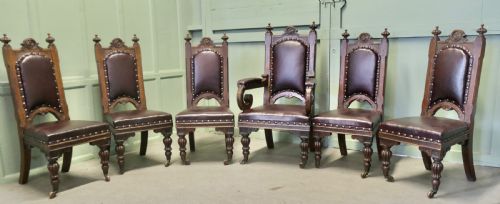
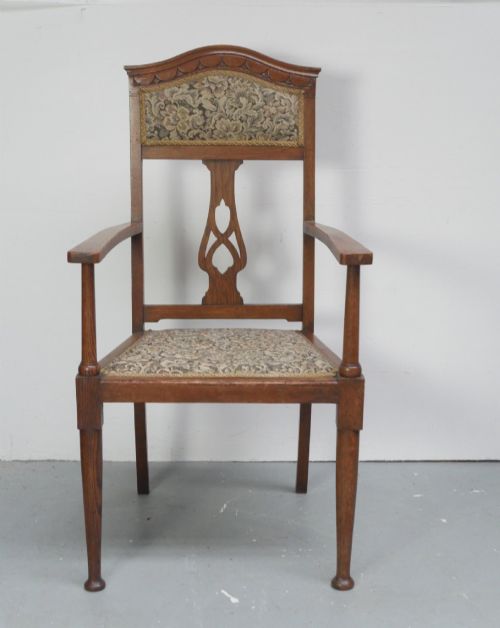
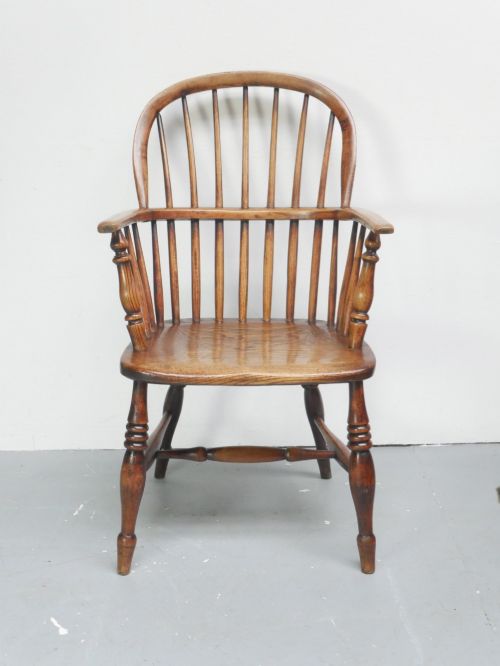
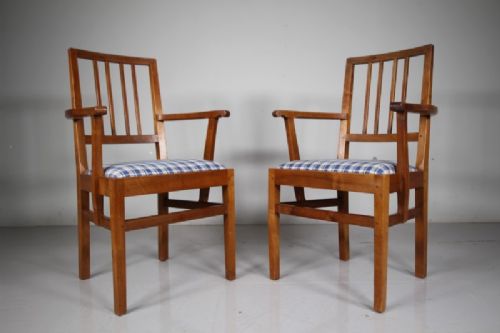
Victorian and Edwardian iterations dominate the available offerings, alongside earlier George III forms and Arts & Crafts interpretations. These pieces range from simple wheelback and Windsor forms to heavily carved Gothic revival library seats featuring structural trefoils and substantial proportions.
How they were made
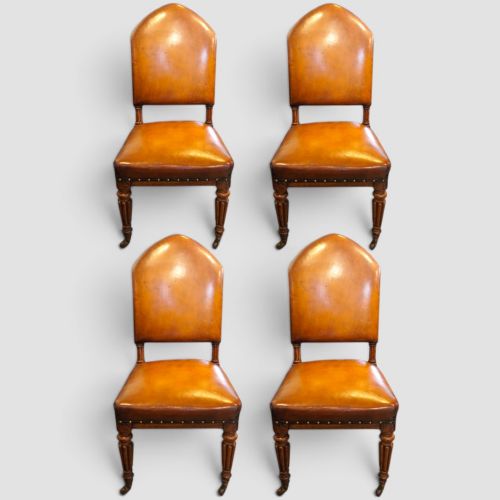
Cabinetmakers constructed these frames primarily from solid oak, frequently paired with secondary woods like elm, beech, or fruitwood for turned spindles and steam-bent components. Leather upholstery fastened with brass studs provided a durable writing surface for library and office environments.
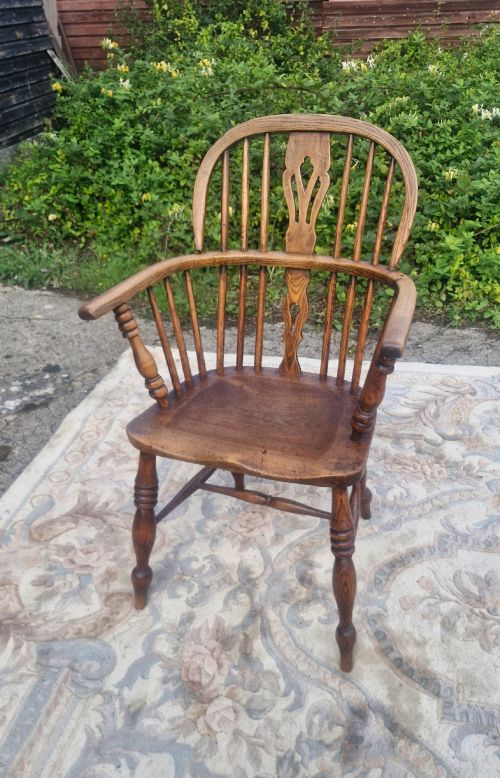
Traditional joinery techniques such as mortise and tenon joints secured the heavy frames, while bentwood methods and turned wooden spindles formed supportive hoop backs and armrests on country models.
Brown Oak Desk Chair Retail Price Guide 2026
Typical asking prices for brown oak desk chair among the pieces listed under this phrase on Sellingantiques today, from the lower quarter to the upper quarter. They describe what is for sale here now, not the wider market.
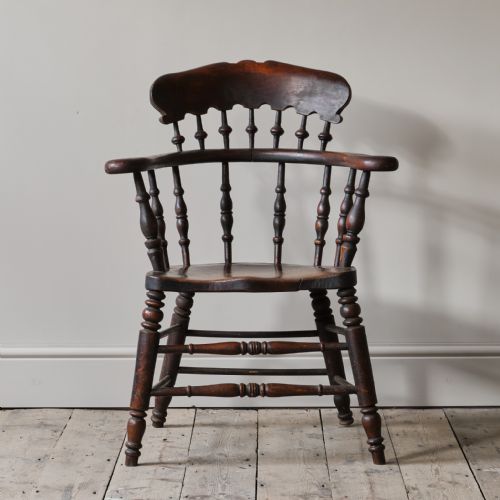
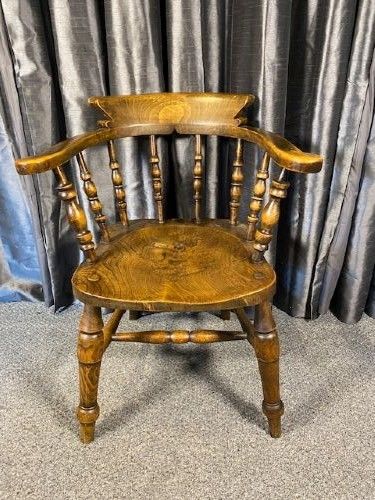
Several armchairs are recorded as smoker's bows, built so solid they likely outlived the tobacco clouds of three generations.
What varies in quality
The distinction between ordinary workshop production and finer craftsmanship rests upon the depth of timber figuring, the crispness of hand-carved Gothic details, and the integrity of the structural joinery. Superior examples retain original swivel mechanisms, uncompromised patination on the oak surfaces, and harmonious proportions.
Pieces bearing maker stamps or attributed designs exhibit higher refinement in their turning and finish, whereas utilitarian country variants prioritize sturdy construction over ornamental embellishment.
Edward Barnsley·Gillows·Bruce James Talbert
The Brown Oak Desk Chair Glossary
- Smoker's Bow
- A sturdy low-backed wooden armchair with a continuous curved rail, common in nineteenth-century country houses and offices.
- Gothic Revival
- A nineteenth-century design style incorporating medieval architectural motifs such as pointed arches and trefoil carvings.
- Windsor Chair
- A traditional seating form featuring a solid wooden seat into which legs and spindles are directly wedged.
- Revolving Chair
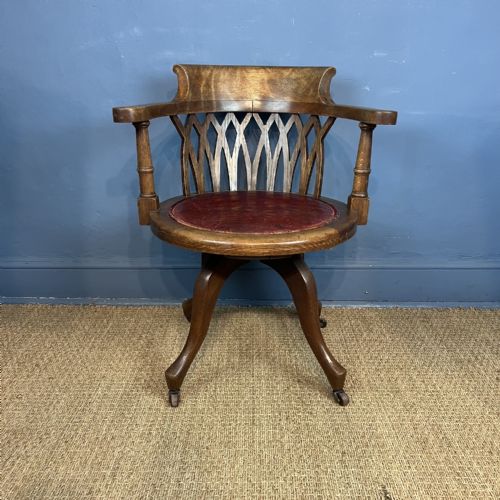
- An office seat mounted on a central pivot mechanism allowing rotation, frequently paired with a leather upholstered seat.
Brown Oak Desk Chair: Frequently Asked Questions
How do I identify a Victorian desk chair?
Victorian desk chairs often display darker patinated oak timber, turned wooden spindles, and occasional Gothic revival carvings or revolving swivel mechanisms dating from the mid to late nineteenth century.
Upholstered variants typically feature brown leather seats secured with brass studs, reflecting the heavy library and office usage of the period.
Were these chairs used in offices?
Many examples in this category served as functional office or library seating, particularly the revolving swivel models fitted with brown leather pads from the Victorian and Edwardian eras.
Sturdier country armchairs and smoker's bows also fulfilled writing and study duties in domestic homes before modern ergonomic furniture developed.
What is a smoker's bow?
A smoker's bow is a nineteenth-century wooden armchair characterised by a low, rounded spindle back and a deep saddle seat designed for comfortable daily sitting.
These pieces frequently appear in oak or mixed timbers across English country houses and cottage interiors.
How should I care for antique oak?
Maintain antique oak furniture by applying occasional quality wax to nourish the grain and protect the historical patinated surface from drying out.
Keep wooden chairs away from direct heat sources and sudden temperature fluctuations to preserve the stability of nineteenth-century joinery.