


Vintage Oak Corner Chair
These vintage oak corner chair pieces are sturdy angled seats designed to fit snugly into room angles, bringing rich timber character to any interior.
Vintage Oak Corner Chair
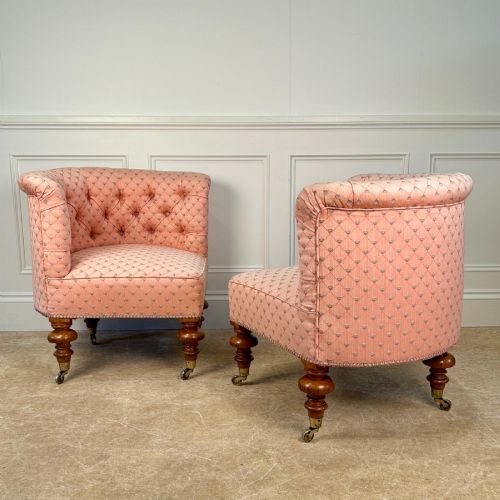
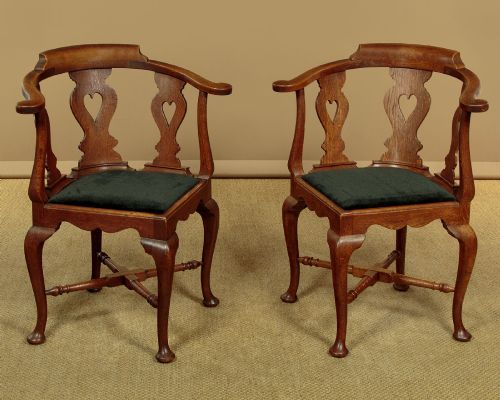
A vintage oak corner chair brings distinctive timber presence to domestic spaces, utilising tight angles with a curving backrest and sturdy corner post construction. When exploring vintage oak corner chair examples, buyers frequently encounter Victorian interpretations, alongside pieces stretching back to the eighteenth century and forward into the twentieth.
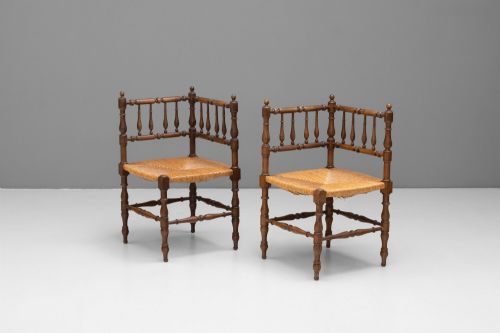
The selections span various forms including classic corner armchairs, rustic country iterations, and decorative carved designs featuring rush or upholstered seats. English and French influences appear across the inventory, mixing simple vernacular builds with ornate Gothic or Saxon revival details.
Materials and construction
Makers built these pieces primarily from solid oak, incorporating turned spindles, carved panels, and supportive corner framing to handle regular use. Secondary materials include rush for woven seats, plus leather, fabric, cane, and brass accents.
Joinery methods rely on traditional pegging and turning techniques, visible in the heavy spindles and bobbin legs of vernacular examples. Carving adorns the crest rails and back panels of formal revival pieces, while simpler variants use woven rush drop-in pads.
The listings combine solid oak construction with rush, cane, and upholstered pads across Victorian, Edwardian, and eighteenth-century periods.
Build quality and character
Quality rests upon the crispness of the timber carving and the structural integrity of the turned joints supporting the angled seat. Finer pieces demonstrate careful selection of oak grain and robust corner bracing that withstands decades of sitting.
Surface finish and original patination separate utilitarian workshop output from refined parlor seating. Intricate turning on arm supports and deep relief carving on back splats elevate certain examples above plain vernacular seating.
S&H Jewell
The Vintage Oak Corner Chair Glossary
- Corner chair
- A seating form designed with a diagonal orientation to fit precisely into room intersections, usually featuring a semicircular backrest supported by three or four legs. This layout maximises floor space while offering a supportive enclosed seat.
- Turner's chair
- A heavy armchair constructed entirely from turned wooden spindles and members, often associated with Saxon or medieval revival styles. These pieces rely on geometric symmetry and cylindrical components rather than flat panels.
- Rush
- Dried marsh grass twisted into cords and woven tightly to form resilient chair seats. It provides a natural textured surface that flexes slightly with weight.
- Bergère
- An enclosed upholstered armchair featuring wooden framing and cane sides or backs. French regional examples bring lighter carved motifs to the heavy oak tradition.
Vintage Oak Corner Chair: Frequently Asked Questions
Where should I place a corner chair?
These angled seats excel in neglected room intersections, awkward hallways, or bedroom corners where standard furniture leaves empty gaps. They provide a functional perch without blocking flow.
Position one beside a desk or small table to create a compact reading nook that utilises unused wall junctions effectively.
How do I care for oak and rush?
Keep wooden surfaces nourished with appropriate beeswax or furniture polish to maintain the natural timber sheen over years of use. Avoid placing rush seats near excessive heat sources that dry out natural fibres.
Dust carved details regularly with a soft brush to prevent grime accumulation in the recesses of the woodwork.
Are these chairs comfortable for daily use?
Most variants offer supportive upright seating thanks to the enclosed curved backrest and solid wooden framework. Cushioned models with upholstery or woven rush provide additional softness for extended sitting.
Consider adding a small loose cushion if you prefer extra lumbar support during daily desk or parlor use.
How do I identify a Victorian revival piece?
Victorian interpretations often draw on Gothic, Saxon, or bobbin-turned aesthetics, incorporating heavy carved oak and elaborate spindle work. Makers in this era frequently borrowed historical vernacular forms to satisfy domestic demand for antique character.
Look closely at the joint construction and turning style to distinguish nineteenth-century revival work from earlier eighteenth-century originals.