


Late Qing Dynasty Furniture
Late qing dynasty furniture gathers the carved tables, stands, and cabinets shaped in China towards the end of the nineteenth century.
Late Qing Dynasty Furniture
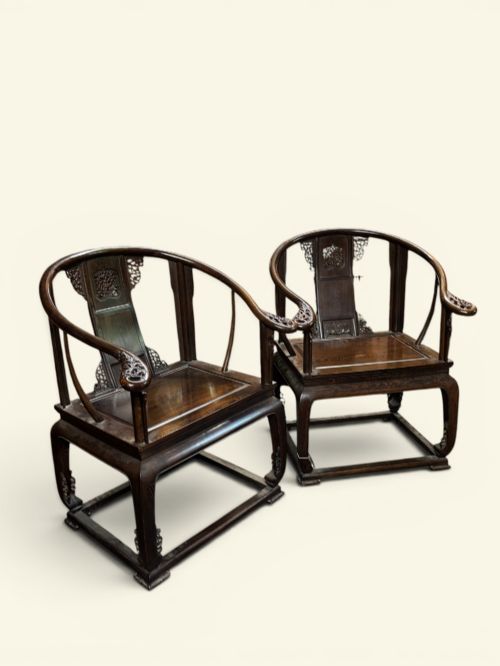
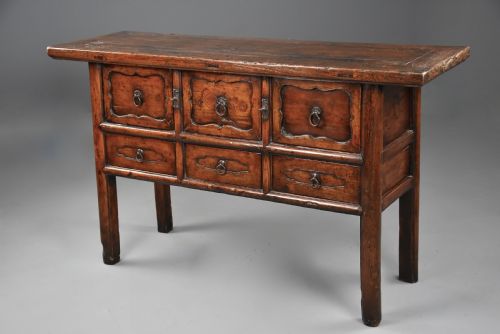
Late qing dynasty furniture encompasses domestic items made across China during the nineteenth century, including the decades around nineteen hundred. Buyers searching for late qing dynasty furniture encounter pieces produced under the final imperial dynasty, spanning altar tables, armchairs, cabinets, and low tables.
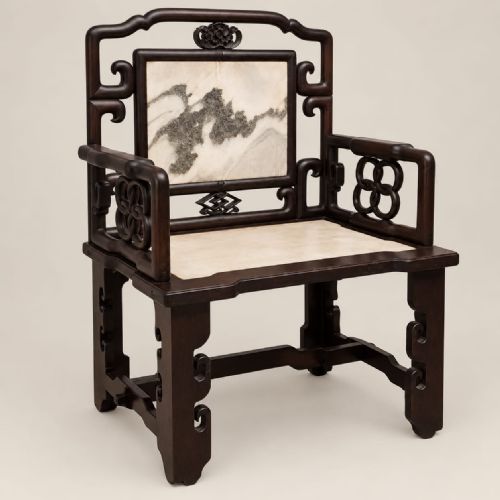
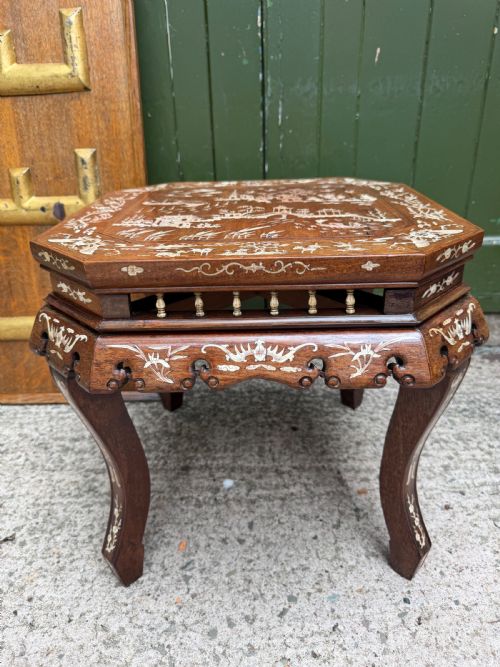
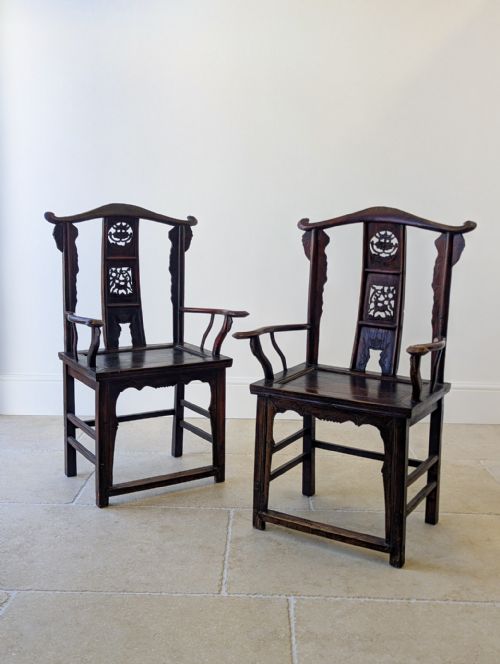
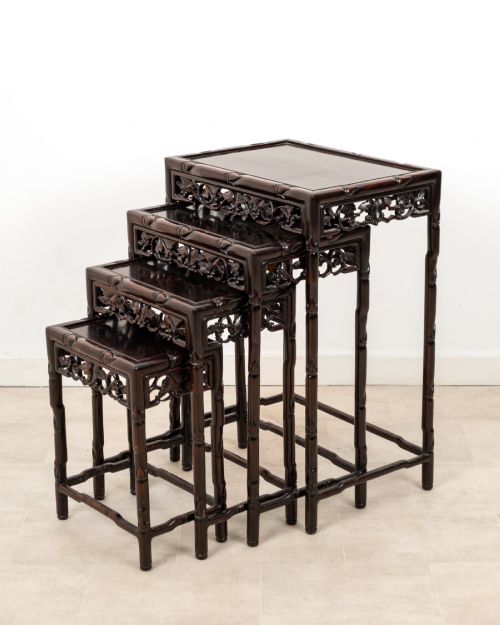
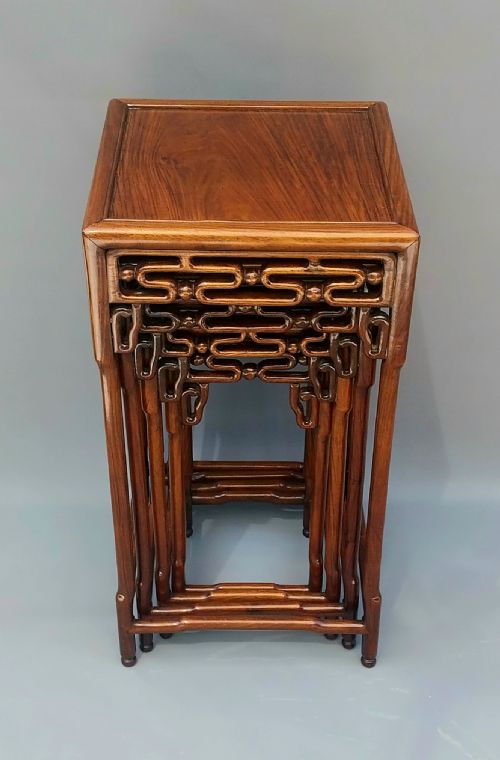
The selection here prioritises smaller display items and seating, with numerous plant stands, nests of tables, and kang tables. These forms illustrate the domestic interior of the period, executed in dense timbers or finished with painted surfaces.
Materials and Construction
Makers utilised dense timbers such as rosewood, hongmu, huali wood, and zitan, alongside domestic elm and padouk. These hardwoods provided the structural strength required for intricate joinery and deep relief carving without relying on metal fasteners.
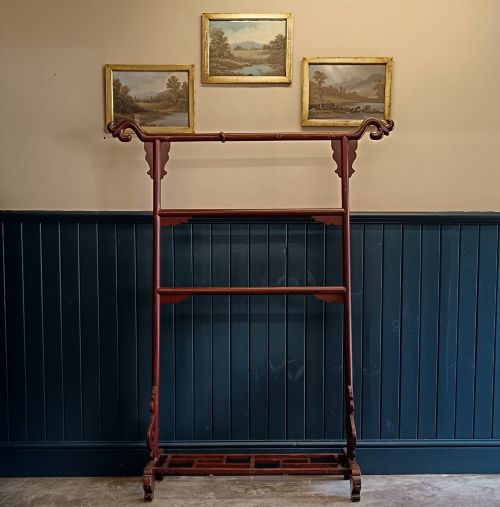
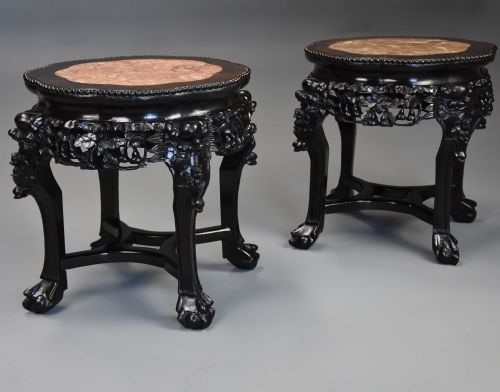
Surface treatments included red and black lacquer, sometimes applied over carved wood or paired with inlaid details and gilded highlights. Certain tables incorporated inset panels of rouge marble to create cool, decorative surfaces suited for holding vases and urns.
Several small stands were built specifically to elevate potted plants off cold floors.
Craft and Proportion
Quality separates through the depth and crispness of the carving, where proficient hands produce sharp floral and dragon motifs that retain their definition. The choice of timber also dictates the standard, with heavy, figured huali and hongmu commanding attention over simpler elm or ebonised woods.
Proportion and scale govern the success of a piece, distinguishing balanced altar tables and nesting sets from heavier or awkward forms. The integrity of the lacquer work and the precise fitting of marble inserts into hardwood frames further define the higher tier of execution.
The Late Qing Dynasty Furniture Glossary
- Kang table
- A low table designed to sit upon a heated brick bed or platform within a traditional interior. These pieces served domestic uses such as dining or writing.
- Hongmu
- A translation meaning red wood, applied by Chinese cabinetmakers to dense, heavy tropical hardwoods. It encompasses several heavy species valued for their rich natural tone.
- Altar table
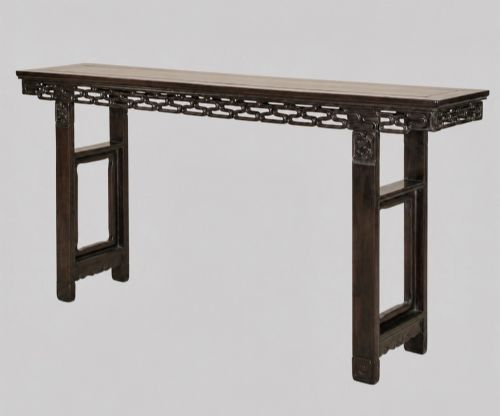
- A tall, narrow table originating from ritual use in temples and domestic halls. They feature distinct upturned flanges at the short ends.
- Huali wood
- A fragrant and highly figured hardwood favoured for fine seating and display stands during the period. Its grain patterns offer considerable decorative appeal.
- Jardiniere stand
- A tall pedestal or small table built specifically to support heavy plant pots and floral arrangements. These stands frequently incorporate inset marble tops.
Late Qing Dynasty Furniture: Frequently Asked Questions
What is a kang table used for?
Kang tables served as low surfaces placed on raised platforms inside traditional dwellings. People gathered around them for tea, writing, or resting.
Their compact scale allowed them to be moved easily across the room as daily activities shifted.
How do you style a marble top stand?
Marble top stands function effectively as independent pedestals for lamps, ceramics, or sculptural objects. The cool stone surface resists moisture from plants and vessels.
Position them beside seating or in hallways where their carved aprons remain visible.
How are nesting tables arranged?
Nesting tables comprise sets of graduated pieces designed to slide one beneath another to save space. They were deployed when guests visited and extra surface area became necessary.
Separated around a room, they provide matching points for drinks and small items.