


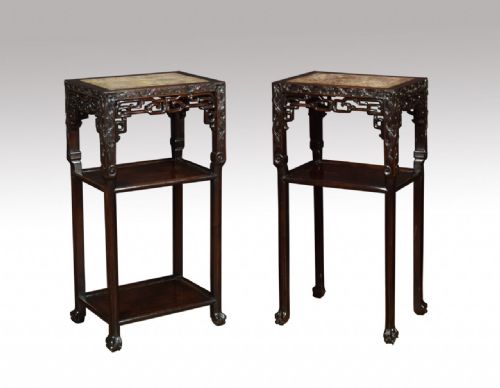
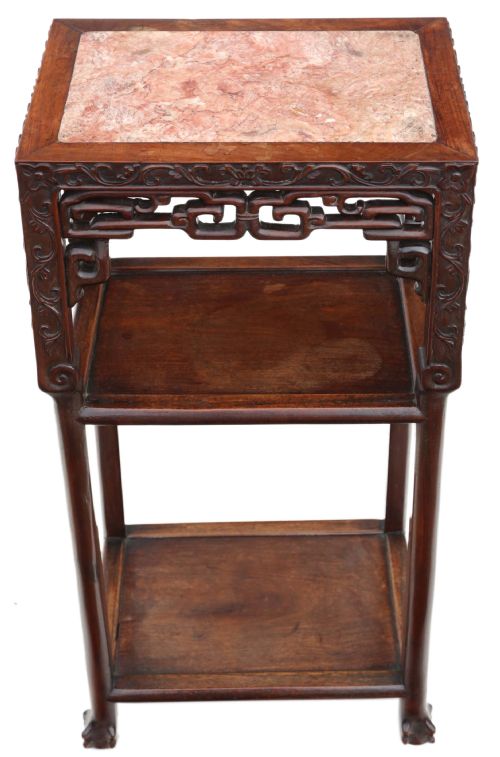
Oriental Tier Display Stand
An oriental tier display stand brings intricate carving and tiered staging together to hold plants, vases and ornaments in any room.
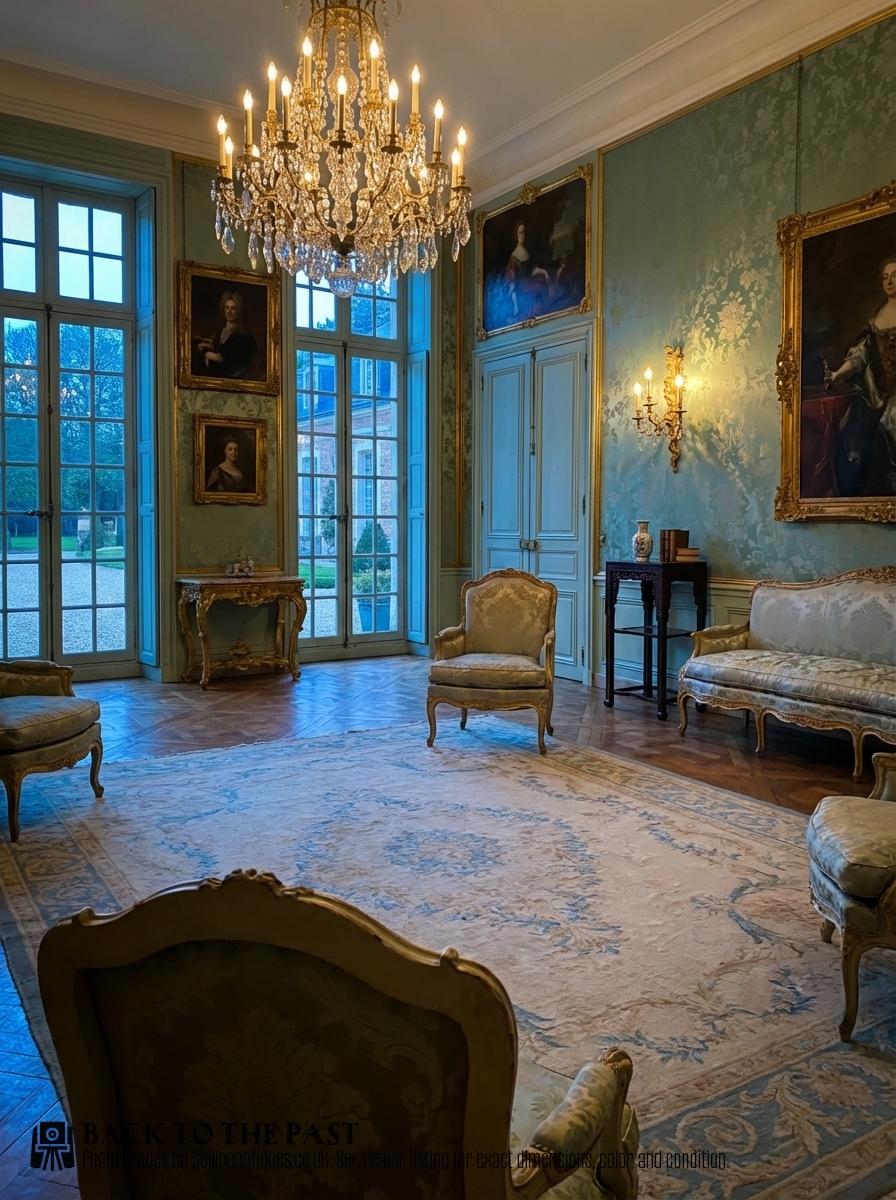
Oriental Tier Display Stand
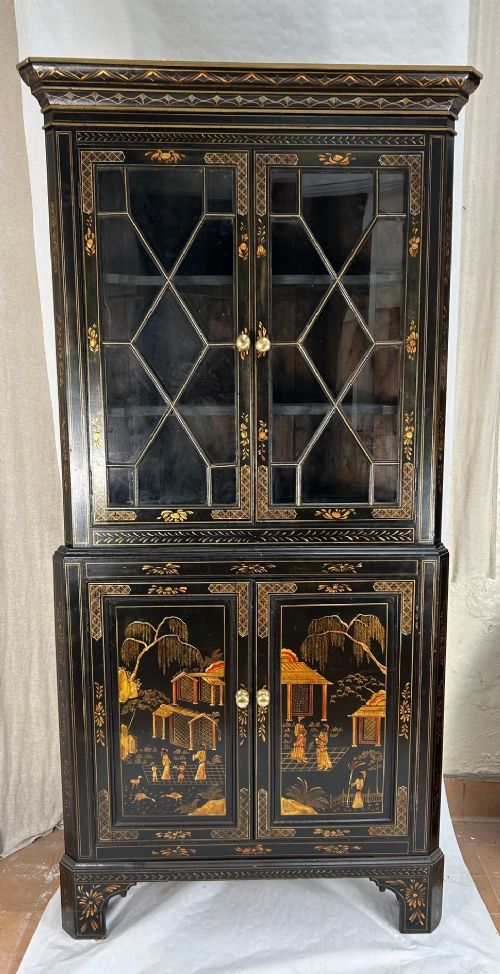
An oriental tier display stand is a functional piece of furniture designed to elevate objects of interest using multiple levels, shelves or tiers. These pieces range from small plant stands and jardiniere pedestals to side tables, corner cabinets and multi-tiered whatnots.
The pieces appearing on this page span the nineteenth century, the Edwardian era and the early twentieth century. They arrive from Chinese export workshops, Qing Dynasty traditions and Victorian interpretations, alongside British Arts and Crafts and Japonisme designs.
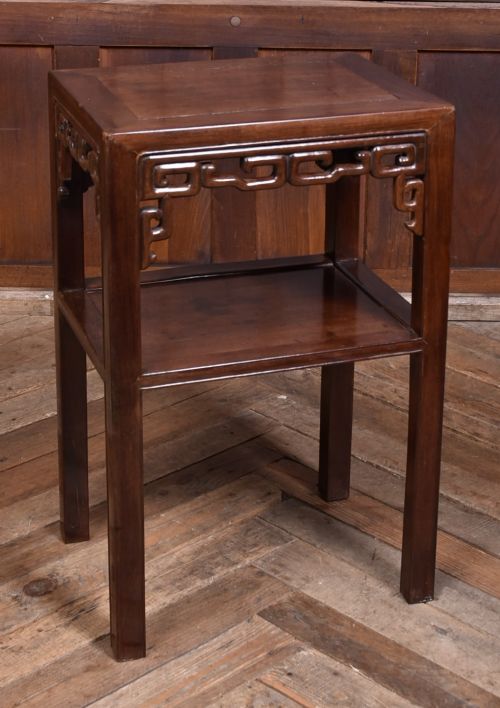
Forms vary from tall freestanding pot stands and two-tier square tables to three-tier occasional tables and bamboo display shelves. Buyers will find rosewood, hongmu, teak and carved hardwood alongside bamboo and lacquer constructions.
How they were made
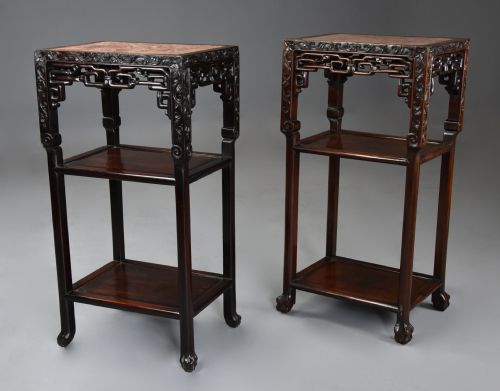
Maker workshops utilised dense timbers such as hardwood, rosewood, hongmu and teak, often hand carving the surfaces with traditional motifs. Many of these stands incorporate inset marble tops within wooden frames to provide a durable and cool surface for heavy ceramic pots and urns.
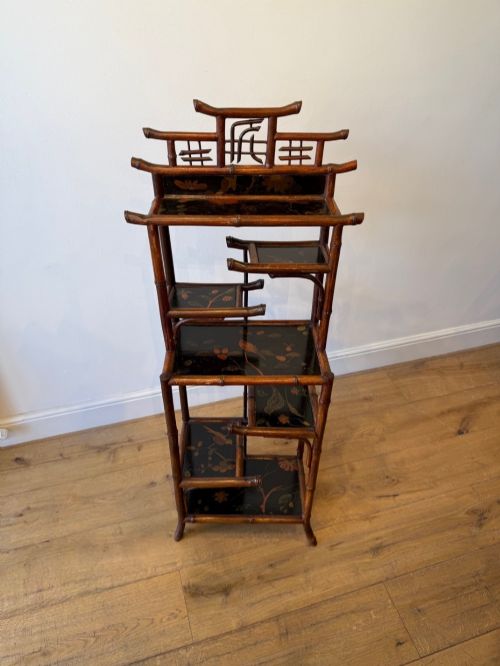
Alternative constructions combined natural bamboo frames with lacquer panels, creating lightweight display shelves and occasional tables. Joinery relied on precise traditional framing methods that allowed complex tiered structures to support heavy items without metal fixings.
Several stands spent decades holding heavy terracotta pots before finding new life indoors as permanent pedestals for curious pottery collections.
What varies in quality
Quality in these stands rests upon the density and selection of the timber, the depth and crispness of the hand carving, and the structural integrity of the tiers. Superior examples display dense, heavy hardwoods with sharp, undercut carving that remains tight at every joint.
The integration of inset marble tops and the quality of the lacquer finish also divide standard production from finer workshop pieces. Better examples maintain balanced proportions across multiple tiers, ensuring that vertical supports and shelves bear weight evenly.
Liberty of London·Gabriel Viardot
The Oriental Tier Display Stand Glossary
- Hongmu
- A dense, dark red-brown Asian hardwood prized for its weight and fine grain. It was frequently utilised in Chinese furniture of the Qing Dynasty.
- Jardiniere stand
- A tall pedestal or small table specifically designed to hold a large ceramic plant pot or flower bowl. These pieces usually feature a reinforced top to bear heavy moisture-laden vessels.
- Whatnot
- A piece of furniture consisting of a set of open shelves for displaying ornaments or books. They often feature multiple tiers supported by slender uprights.
- Japonisme
- A late nineteenth-century Western artistic movement influenced by Japanese and East Asian art and design. This aesthetic inspired European makers to incorporate oriental motifs and construction methods.
- Qing Dynasty
- The last imperial dynasty of China, lasting from sixteen forty-four to nineteen twelve. Pieces from this era often feature traditional carving styles and high-grade hardwoods.
Oriental Tier Display Stand: Frequently Asked Questions
What were oriental tier display stands used for?
These pieces served primarily to elevate decorative objects, porcelain vases, urns and indoor plants within domestic interiors. Multiple tiers allowed collectors to display diverse curiosities in a compact vertical footprint.
In reception rooms and parlours, they functioned as occasional tables or corner display units. Their stepped surfaces created visual interest and kept prized possessions safely lifted away from floor traffic.
How do I care for a hardwood display stand?
Keep the timber clean by dusting with a dry, soft cloth to prevent particulate accumulation on intricate carvings. Avoid placing wooden stands in direct sunlight or near heat sources to prevent timber splitting.
For marble inserts, wipe gently with a damp cloth and mild soap if needed, ensuring no moisture lingers on adjacent wood. Wax can be applied sparingly to hardwood surfaces to maintain a healthy sheen.
How can I tell a Qing Dynasty stand apart from a Victorian one?
Qing Dynasty stands typically utilise traditional Asian timbers such as hongmu and rosewood, paired with characteristic Chinese joinery and deep hand carving. Victorian interpretations often incorporate British or European furniture forms influenced by oriental styles.
Examine the construction methods and the specific motifs used in the woodwork. Pieces produced in Chinese export workshops carry distinct structural and decorative traits compared to British Arts and Crafts or Japonisme equivalents.