

Late 19th Century Porcelain
Discover late 19th century porcelain, spanning European decorative figures and East Asian export wares that bring historic craftsmanship to modern interiors.
Late 19th Century Porcelain
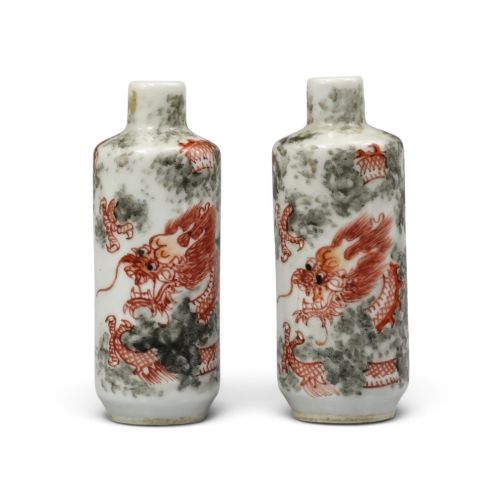
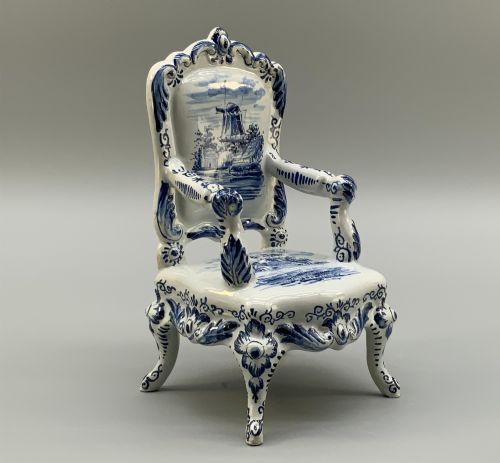
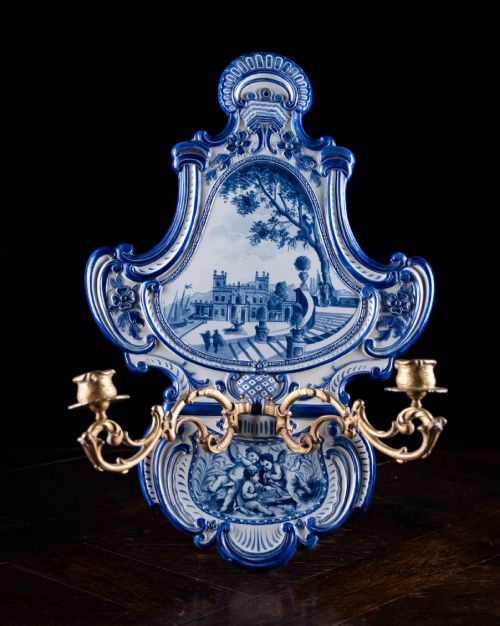
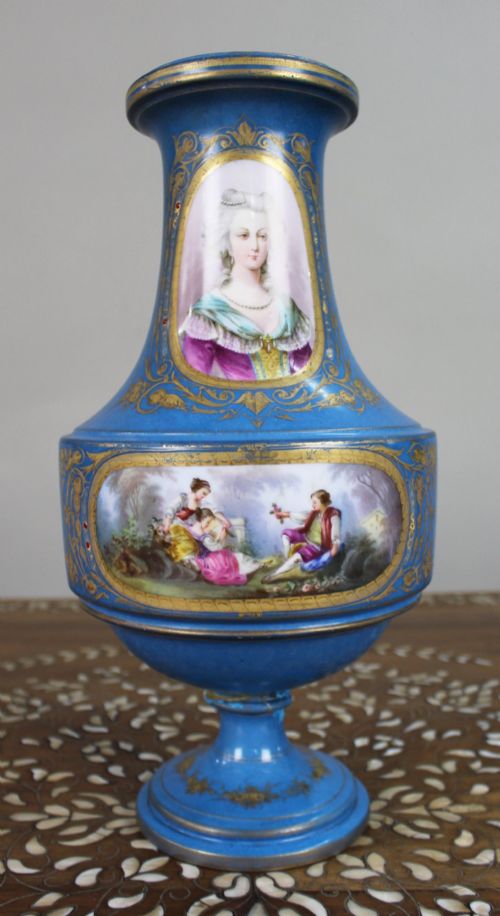
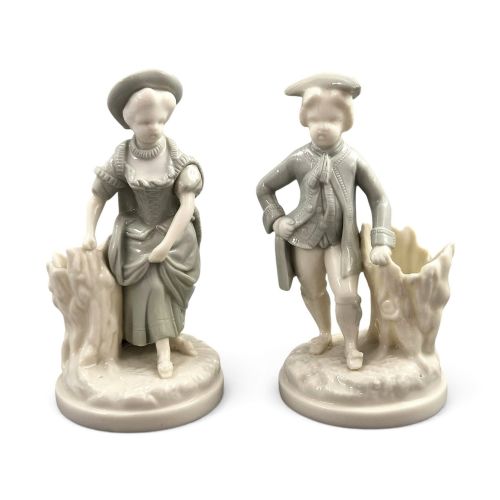
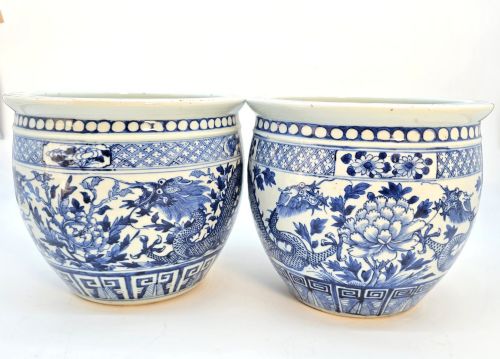
Late 19th century porcelain encompasses a diverse array of decorative and functional objects produced during the Victorian era and the Meiji and Guangxu periods. Collectors encounter everything from delicate cabinet plates and figural salts to large Imari chargers, jardinieres, and detailed animal studies.
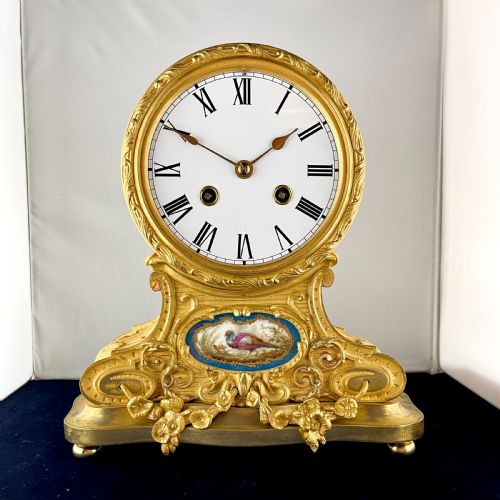
The category bridges European manufactories like Meissen, Sèvres, and various English potteries with Asian traditions including Japanese Arita wares and Chinese Famille Rose pieces. These items served both utilitarian roles, such as teasets and tableware, and purely ornamental purposes like vases, plaques, and mantel clocks.
Materials and production methods
Makers utilised refined ceramic bodies coated in various glazes, often incorporating hand-painted enamel decoration alongside intricate gilding with gold leaf. Techniques such as pate-sur-pate allowed artisans to build up raised white reliefs on coloured slip backgrounds.
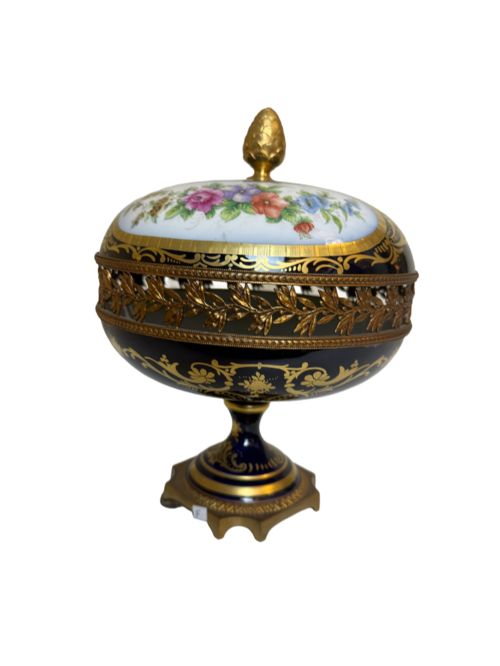
Many European and Asian pieces combined porcelain components with metalwork mounts in brass, gilt bronze, or ormolu. Firing processes and kiln temperature control dictated the durability and translucency of the final ceramic body.
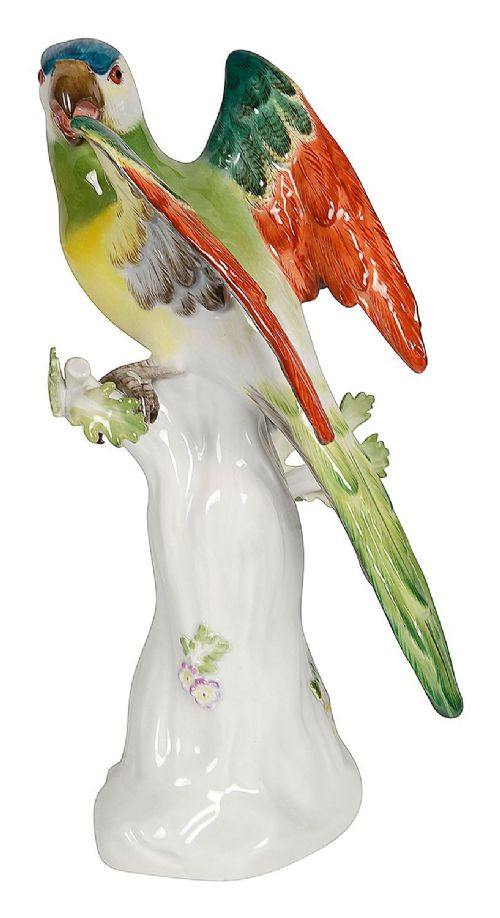
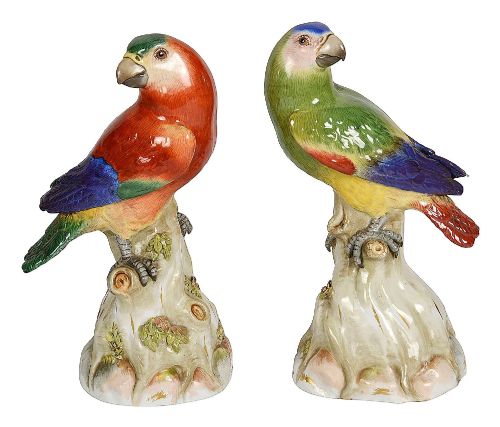
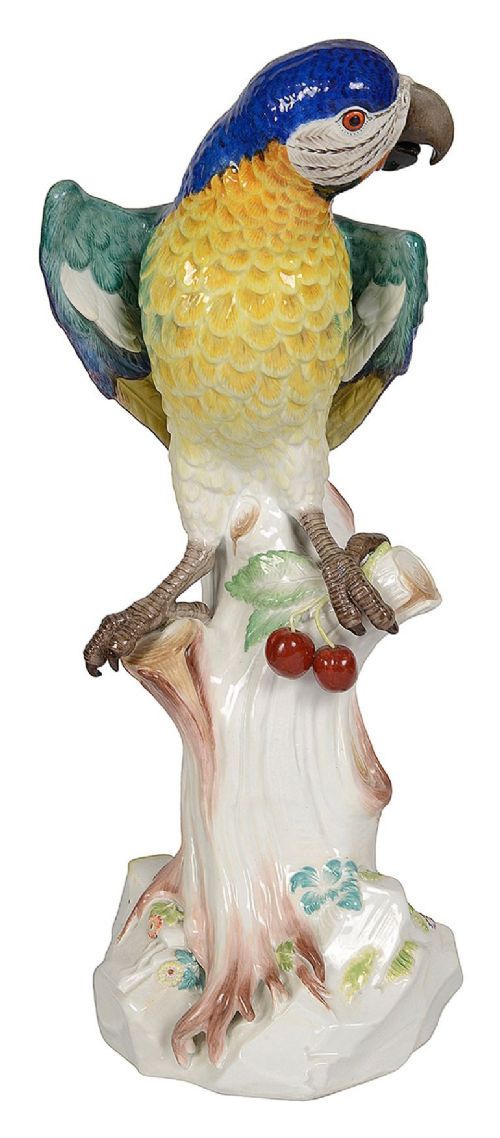
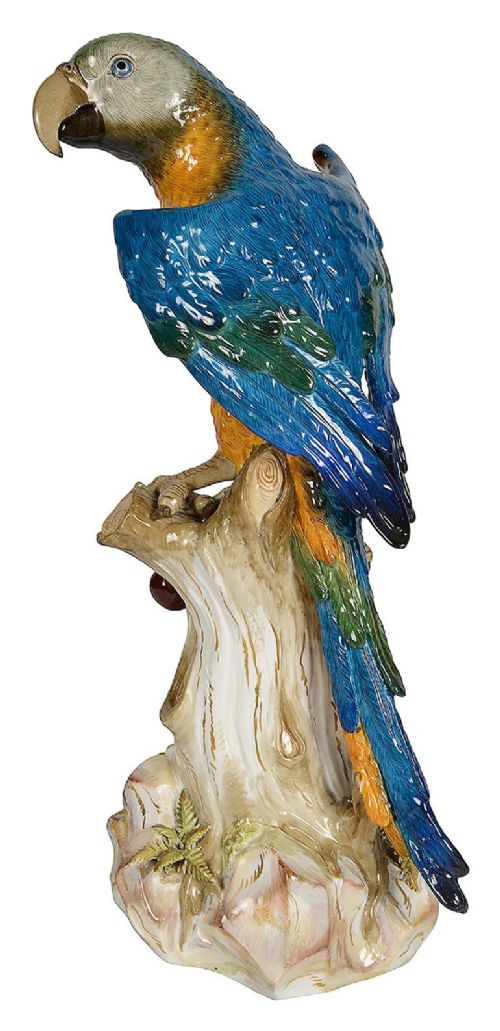
Parrot figurines perched proudly on Victorian shelves demonstrate the era's boundless appetite for exotic feathered companions.
Distinctions in quality and execution
Quality in late 19th century porcelain rests primarily on the precision of the hand-painting, the crispness of the moulded details, and the depth of the glaze colours. Superior works exhibit masterly brushwork in polychrome enamels and careful application of gold leaf rather than mechanical stencilling.
The reputation of the manufactory and the skill of the individual decorator heavily influence the standing of a piece. Works produced by established European porcelain houses or noted Asian kilns display finer paste bodies and more sophisticated artistic composition.
Meissen·Royal Worcester·Villeroy and Boch·Samson·Volkstedt
The Late 19th Century Porcelain Glossary
- Imari
- A style of Japanese porcelain decorated in underglaze blue, iron-red, and gold, named after the port from which it was shipped to the West.
- Famille Rose
- A Chinese porcelain palette characterised by opaque pink or rose enamel, introduced in the Qing dynasty.
- Pate-sur-pate
- A French ceramic technique where successive layers of liquid clay slip are applied to a background to create a low relief cameo effect.
- Celadon
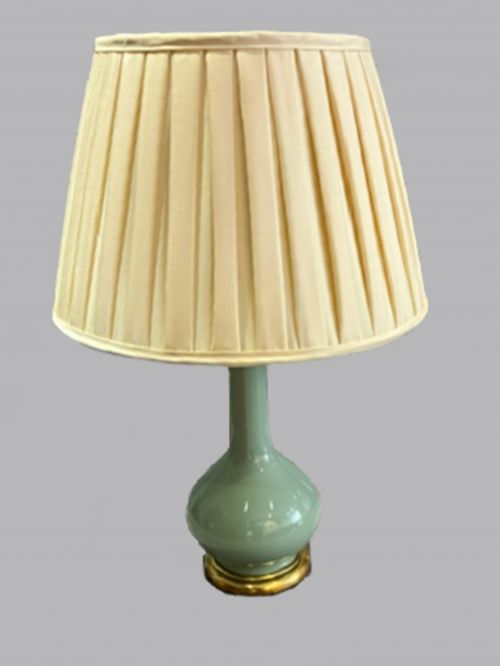
- A term for ceramics denoting a pale green glaze resembling jade, originating in China and later emulated in Europe.
- Reticulated
- Having an openwork or net-like pattern formed by cutting through the clay body before firing.
Late 19th Century Porcelain: Frequently Asked Questions
How do I identify late 19th century porcelain?
Look for specific factory marks, painted numbers, and style indicators on the base of the object. Comparing the decorative motifs and paste quality against known regional outputs helps confirm the period.
Many European factories utilised standardised blue crossed swords, impressed ciphers, or decorator initials during this era. Asian pieces often bear period reign marks or workshop signatures corresponding to late Qing or Meiji production.
Were these items used or displayed?
While some porcelain pieces functioned as tableware, teasets, and chocolate cups for dining, many others served purely as decorative showpieces. Cabinets, mantelpieces, and side tables held vases, plaques, and figurines to demonstrate taste and refinement.
Larger items like jardinieres and punch bowls accommodated domestic plants or social gatherings. Figures and decorative dishes remained static ornaments within Victorian and continental interiors.
How should I clean antique porcelain?
Dust pieces gently with a soft, dry brush to remove surface particles without disturbing delicate enamel or gilt details. Avoid harsh chemical cleaners or abrasive scouring pads.
If washing is necessary, use lukewarm water with mild soap and dry immediately with a lint-free cloth. Items with metal mounts or delicate applied flowers require extra care to prevent moisture damage.
Can I mix European and Asian porcelain?
Combining European factories with Asian export wares reflects historical collecting habits from the late 19th century. Eclectic displays create visual interest by contrasting different cultural interpretations of ceramic art.
Unified colour palettes or similar scales help tie disparate pieces together on a shelf or wall. The shared timeframe ensures a harmonious historical context despite differing geographic origins.