
Floral Porcelain Jar
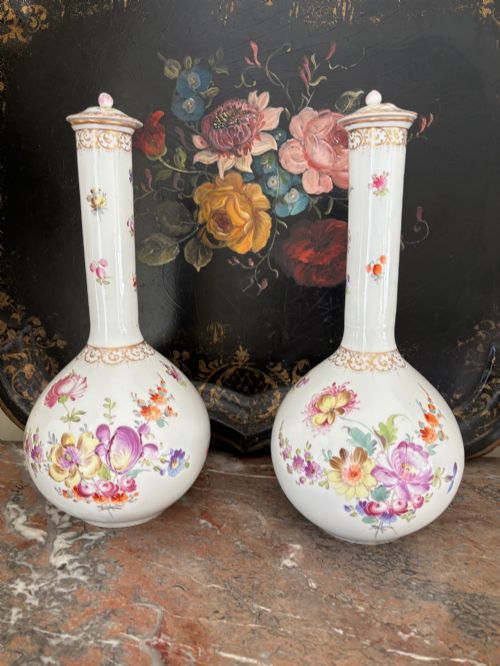
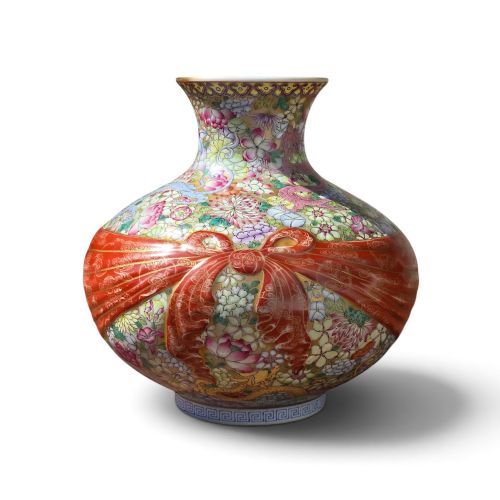
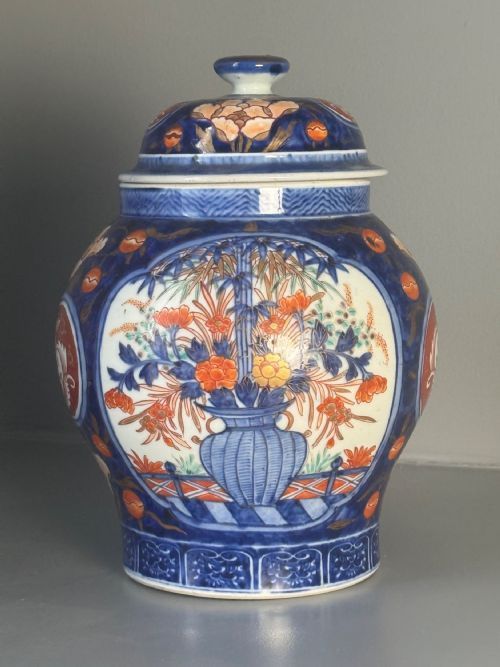
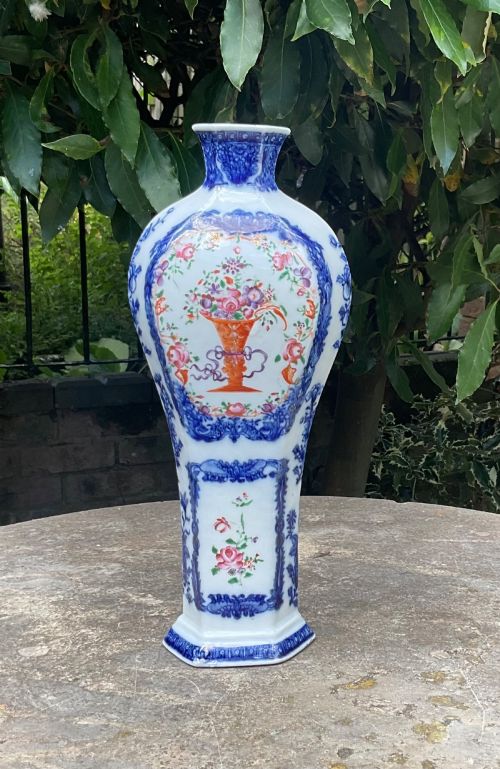
When you search for a floral porcelain jar, you enter a diverse landscape of lidded vessels, ginger jars, and potpourri pots painted with botanical motifs.
Floral Porcelain Jar
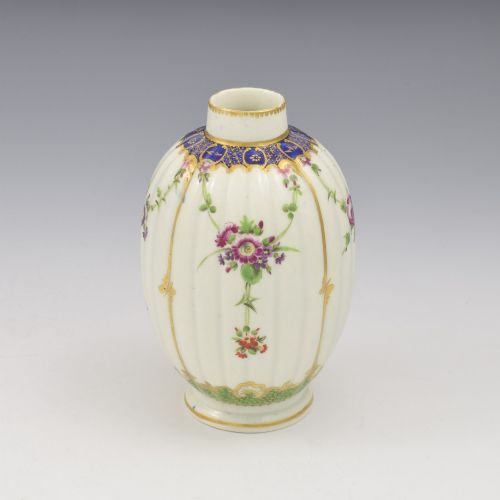
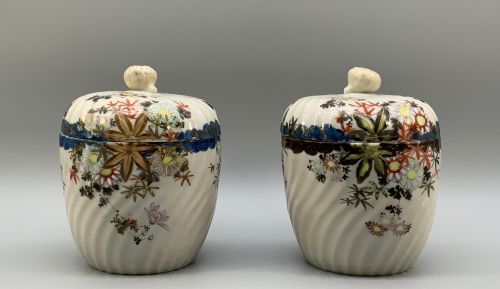
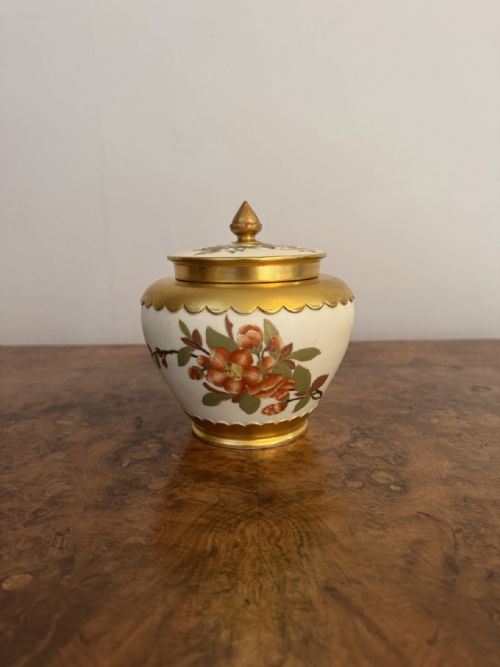
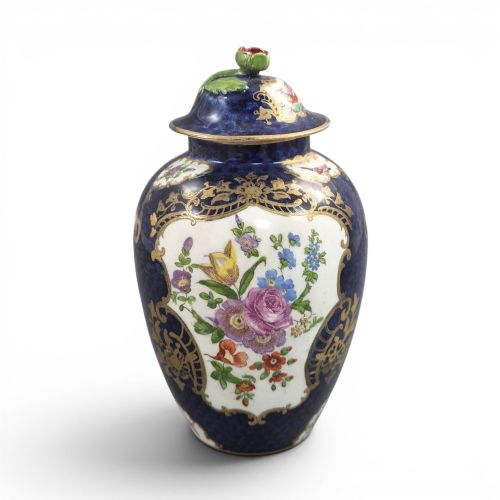
A floral porcelain jar brings together functional storage and intricate botanical illustration across centuries of production. These pieces take the form of ginger jars, tea caddies, biscuit barrels, and lidded urns designed to hold dry goods or fragrance.
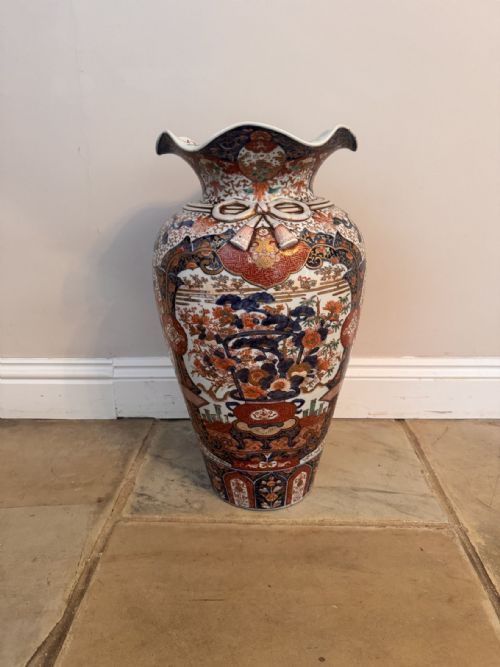
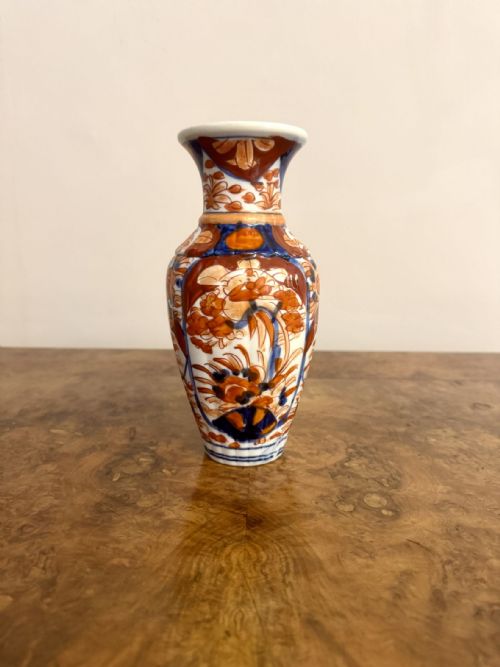
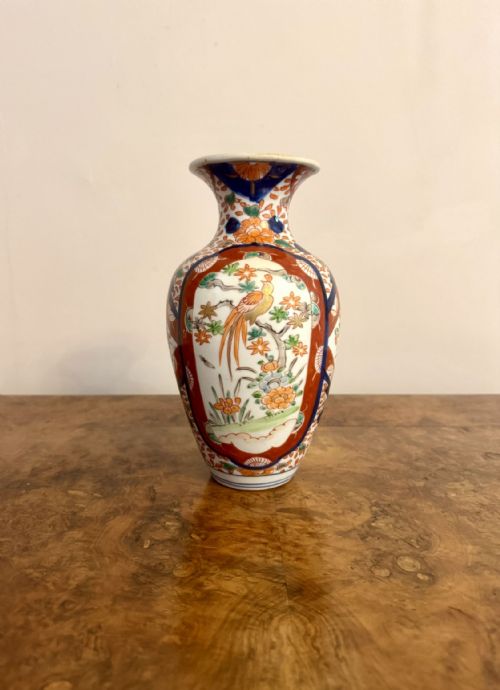
The selection ranges from eighteenth-century English factories mimicking continental styles to nineteenth-century Japanese Imari wares and Chinese export ceramics. Buyers frequently encounter nineteenth-century production alongside Edwardian domestic earthenware and porcelain.
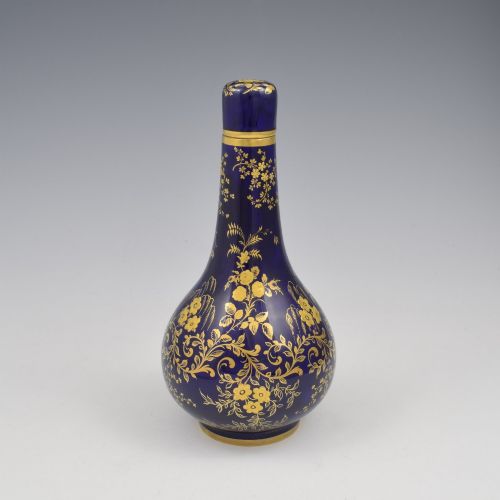
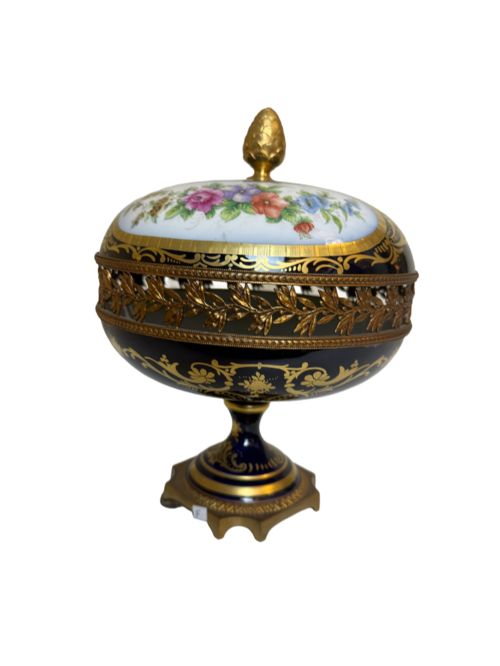
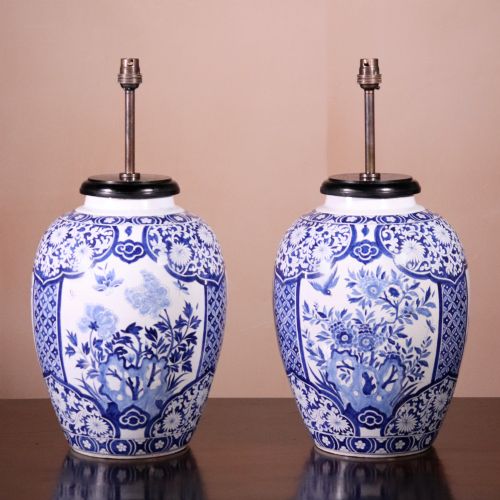
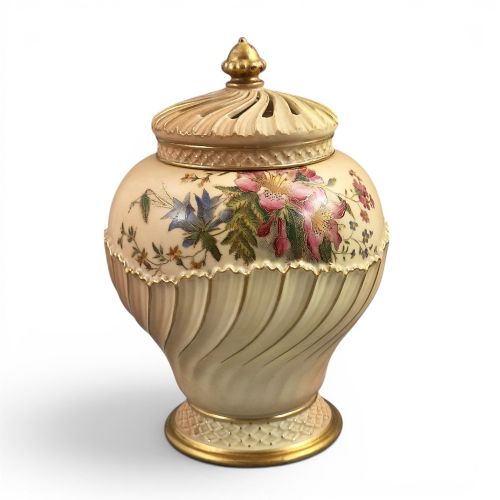
Forms vary from bulbous lidded vessels to slender bottle vases and double gourds. Many retain their original covers, while others function as table lamps or potpourri containers with pierced lids.
How they were made
Makers shaped porcelain, ceramic, and earthenware bodies on the wheel or in moulds before applying underglaze blue, enamel colours, and hand-painted floral motifs. Gilding with gold leaf often highlights handles, rims, and panels.
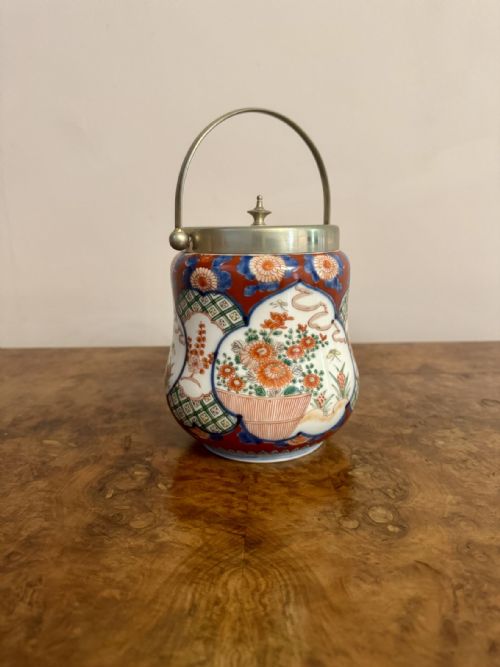
Firing techniques determined the depth of the glaze, with some factories employing complex double-firing to fix iron-red pigments and polychrome enamels. Silver plate mounts frequently appear on biscuit barrels and lidded jars from the Victorian and Edwardian periods.
Some biscuit barrels spent generations hiding plain dry crackers beneath elaborate hand-painted exotic birds and gleaming silver plate.
What varies in quality
Quality rests upon the crispness of the hand-painted decoration and the balance of the form. Pieces featuring finely detailed botanical painting and controlled enamel application stand apart from simpler transfer-printed examples.
The presence of crisp factory marks, well-preserved gilding, and matching original covers elevates an example. Weight, potting precision, and the clarity of the glaze distinguish high-output commercial wares from master factory productions.
Royal Worcester·Sitzendorf·Limoges·Dresden·Spode·Samuel Alcock·Crown Devon·Herend·Royal Doulton
The Floral Porcelain Jar Glossary
- Biscuit barrel
- A ceramic or porcelain jar with a fitted lid, often mounted in silver plate, used for storing biscuits on the dining table.
- Ginger jar
- A wide-mouthed storage vessel of bulbous form, originally produced in China for spices and later adopted by European potteries.
- Imari
- A style of Japanese export porcelain decorated in underglaze blue, iron-red, and gold, named after the port of shipment.
- Potpourri jar
- A lidded vessel with a pierced or perforated cover designed to diffuse dried flowers and spices throughout a room.
- Famille rose
- A palette of Chinese porcelain enamels dominated by opaque pink or rose colours, introduced during the Qing dynasty.
Floral Porcelain Jar: Frequently Asked Questions
What is a floral porcelain jar used for?
These jars served various domestic purposes, from storing tea leaves and dry biscuits to holding dried floral potpourri for room fragrance. Many were simply decorative display pieces placed on mantelpieces or cabinets.
Over time, owners repurposed larger lidded vessels and ginger jars as decorative focal points or converted them into table lamps. Their enclosed forms made them practical for keeping contents dry and aromatic.
How do I date an antique jar?
Dating relies on factory marks stamped or painted on the base, stylistic clues, and manufacturing techniques. Stylistic shifts between eighteenth-century hand-painted wares and mass-produced nineteenth-century items provide clear chronological boundaries.
Examining the glaze, wear patterns, and mounting hardware also helps place a piece within periods such as the Victorian or Edwardian eras. Reference books and factory archives often match specific painted numbers to production years.
How do I care for antique porcelain?
Clean porcelain gently using lukewarm water and a mild detergent, avoiding harsh scrubbers that might damage delicate overglaze enamels or gold leaf. Dry thoroughly with a soft cloth to protect the surface.
Peculiar mounts in brass or silver plate require appropriate metal cleaners kept away from the ceramic body. Secure stable placement to prevent accidental tipping of lidded vessels and tall vases.
Are original covers important?
Original covers significantly enhance the integrity and desirability of any jar, as many lids suffered damage or loss over centuries of use. A matched lid from the same period is acceptable, but a factory-original matching cover remains ideal.
Checking the interior rim of both the jar and the lid reveals whether they were potted together. Lidded vessels designed as ginger jars or potpourri pots rely on their covers to complete the intended silhouette.