
Large Wooden Sideboard
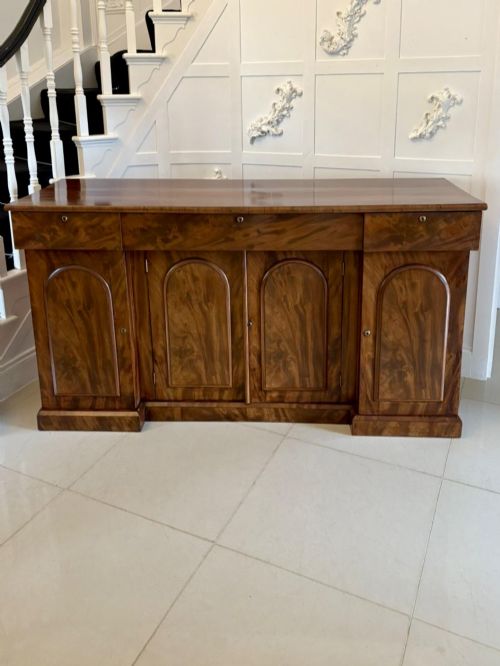
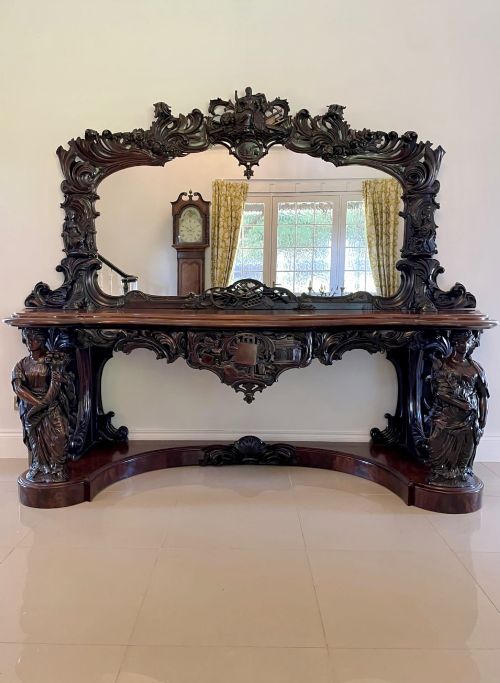
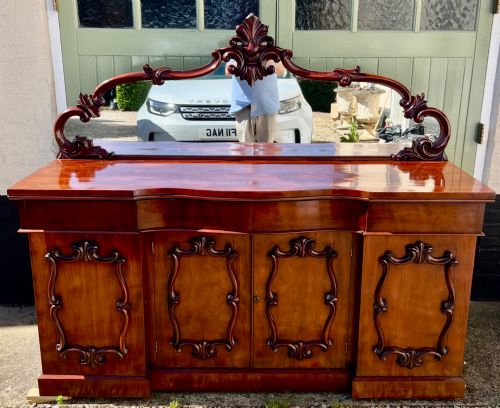
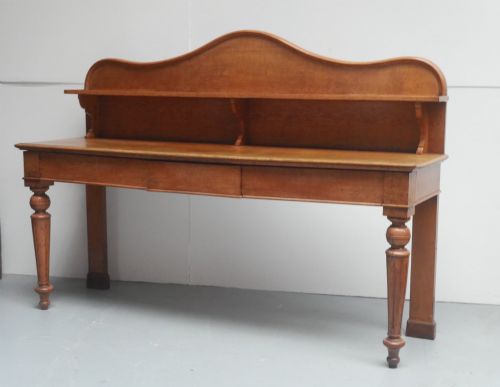
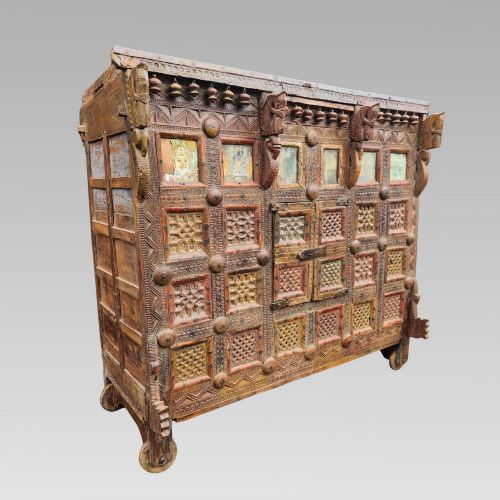
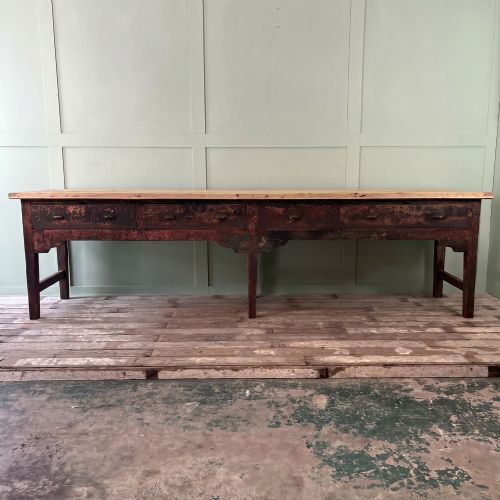
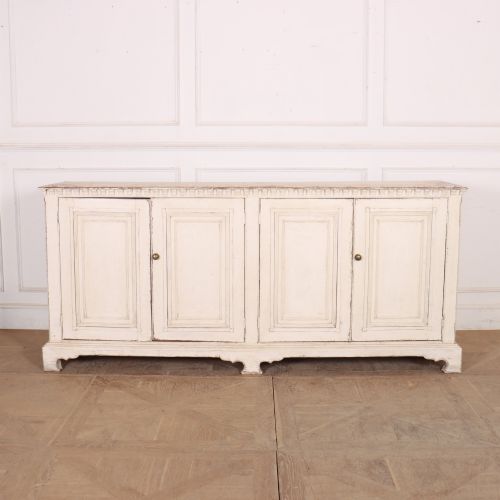
A large wooden sideboard anchors a dining room with serious storage and undeniable presence.
Large Wooden Sideboard
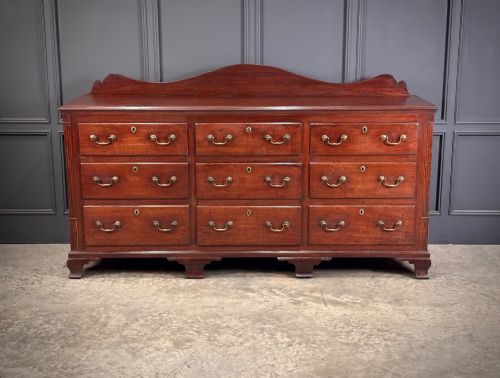
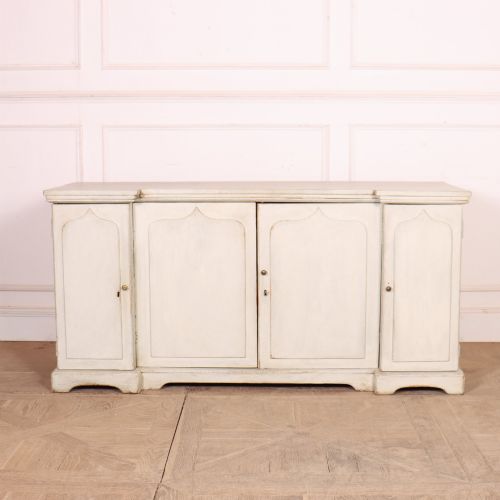
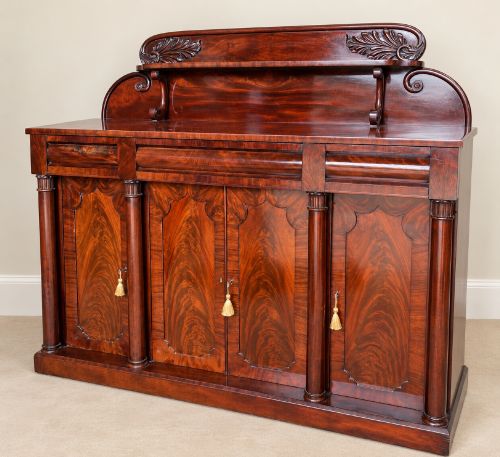
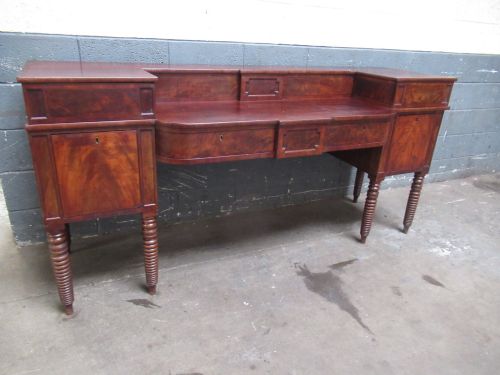
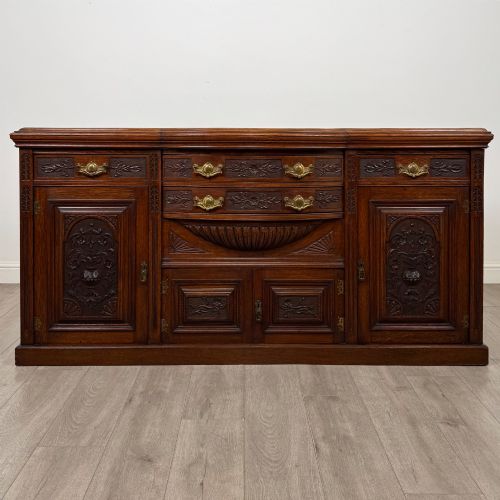
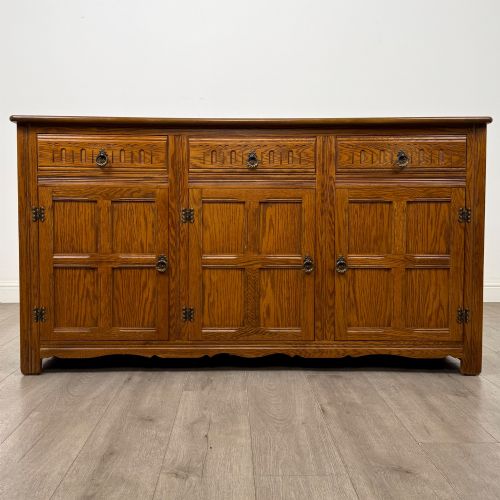
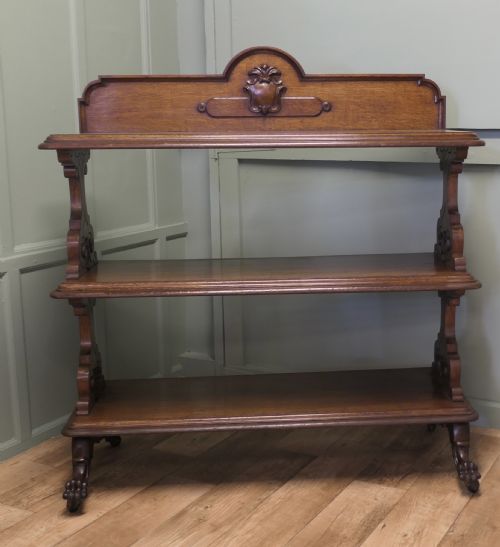
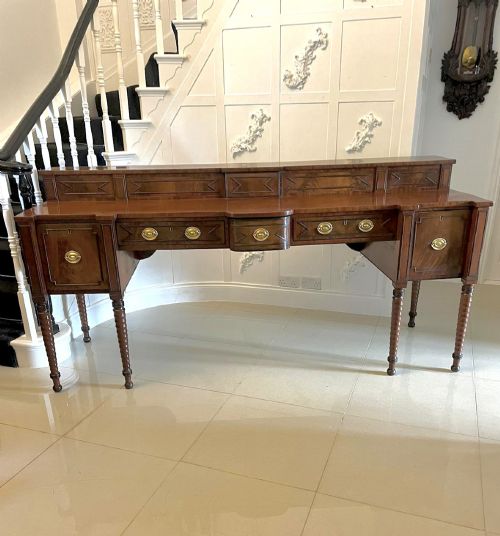
A large wooden sideboard serves as a substantial piece of dining room furniture designed for storage and serving. When you search for this phrase, you encounter forms ranging from George III mahogany servers to Victorian oak buffets and painted English country pieces.
The selections span the eighteenth, nineteenth, and early twentieth centuries, drawing on regional cabinet-making traditions from Scotland, England, and France. Mahogany and oak dominate the offerings, appearing alongside pine, walnut, and teak.
Sideboards, serving tables, and dresser bases appear frequently, often featuring deep drawers and cupboards for tableware and linens. Pieces from the Georgian and Victorian periods demonstrate formal architectural lines, while country house examples offer a more utilitarian charm.
Materials and construction methods
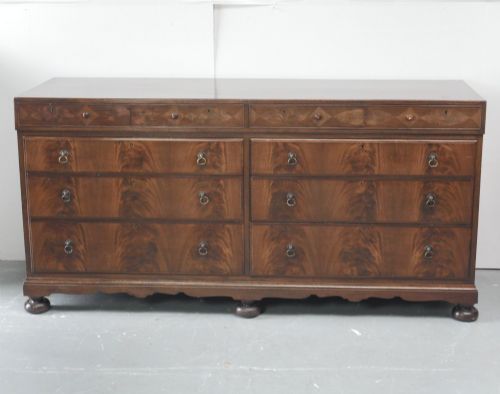
Cabinet-makers relied on solid timbers like mahogany, oak, and pine, frequently applying flame mahogany veneer to primary surfaces for striking visual depth. Brass hardware, including handles and escutcheons, provides functional contrast to the dark timber.
Construction techniques involve traditional joinery such as dovetailing for drawers and mortise and tenon frames for structural stability. Carved details, inlay work, and hand-painting distinguish more decorative examples from functional utility pieces.
Several sideboards come equipped with secret cellarette drawers designed to keep private wine bottles locked away from the household staff.
Distinctions in construction and finish
The distinction between standard utility furniture and exhibition grade pieces rests on the selection of figured timber and the precision of hand-carving. Superior examples exhibit carefully matched veneer grains and crisply executed cockbeading around drawers.
Original hardware, balanced proportions, and structural integrity separate exceptional pieces from later adaptations. The depth of the patina built over centuries of polishing indicates how well a piece has been maintained.
Whytock & Reid
The Large Wooden Sideboard Glossary
- Breakfront
- A cabinet or sideboard whose central section projects forward from the flanking wings. This architectural arrangement creates dynamic shadow and depth across the front facade.
- Serpentine
- A furniture front curved in a concave-convex-concave wave shape. This graceful line requires expert woodworking to execute cleanly.
- Enfilade
- A suite of rooms aligned with each other, or a long low sideboard used for serving in formal dining spaces. The term denotes both an interior layout and a continental storage form.
- Potboard
- An open shelf fixed near the floor of a dresser base or serving table, traditionally used for storing pots and heavy kitchenware. It provides structural bracing for the legs while offering low display space.
- Flame mahogany veneer
- Thin slices of mahogany cut from timber where the grain branches, creating a distinctive flickering flame pattern. Cabinet-makers laid these veneers symmetrically across drawer fronts for maximum decorative impact.
Large Wooden Sideboard: Frequently Asked Questions
How do I style a large wooden sideboard?
Anchor the wall above the piece with a large mirror or painting to balance its heavy proportions. Keep the top surface uncluttered by grouping ceramic lamps, bowls, or candlesticks at one end.
Utilise the interior cupboards and deep drawers to store table linen, silver, and glassware. A well-dressed surface combines practical serving space during dinner parties with quiet decorative arrangement daily.
What is the difference between a sideboard and a buffet?
Sideboards traditionally feature a long rectangular top with cupboards and drawers beneath, specifically designed for serving food and storing dining accessories. Buffets often share a similar form but historically lean towards serving dishes in a dining room setting.
In modern usage, the terms overlap considerably across different periods and regional styles. Both offer substantial storage capacity and a flat surface suited to display.
How do I date a mahogany sideboard?
Examine the timber selection, drawer construction, and secondary woods used inside the cabinet. Eighteenth-century pieces often display hand-cut dovetails and solid mahogany framing, while nineteenth-century versions may utilise mahogany veneers over pine or oak.
Stylistic markers such as brass ring handles, inlay patterns, and leg designs offer further clues. Regency and Georgian pieces display neoclassical restraint, whereas Victorian examples favour heavier carving and darker finishes.
Will a large sideboard fit in my dining room?
Measure your available wall space carefully, allowing adequate clearance for opening drawers and cabinet doors fully. Large sideboards often exceed six feet in length and possess considerable depth, requiring a proportionate room size to avoid overcrowding.
Consider the traffic flow around the dining table when positioning the piece against a wall. Ensure doorways and stairwells can accommodate the delivery of a heavy, non-knockdown item.