




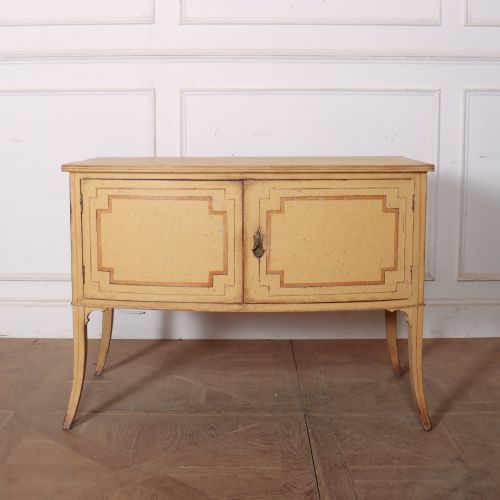
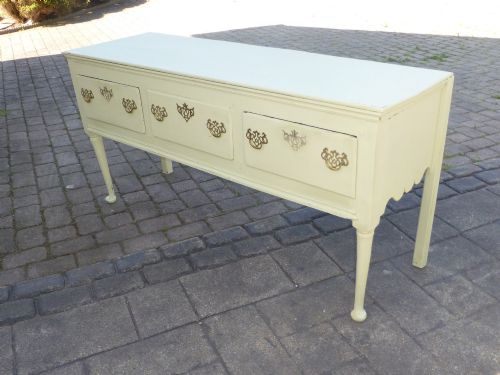
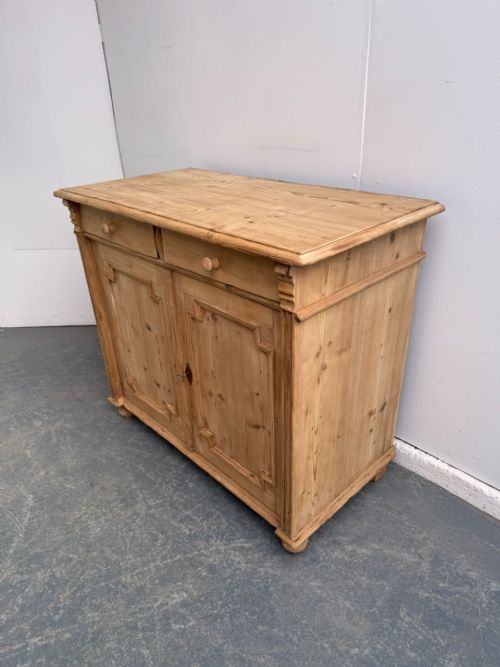


Georgian Painted Sideboard
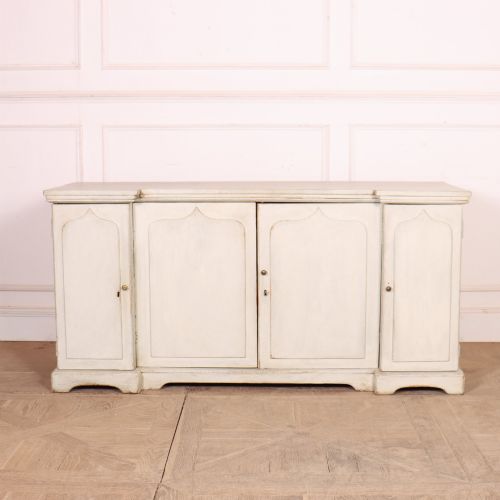
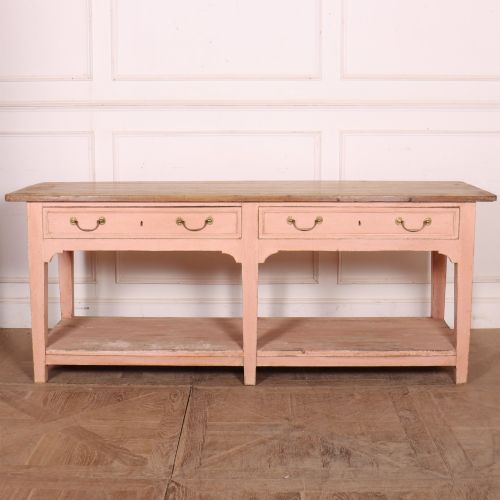
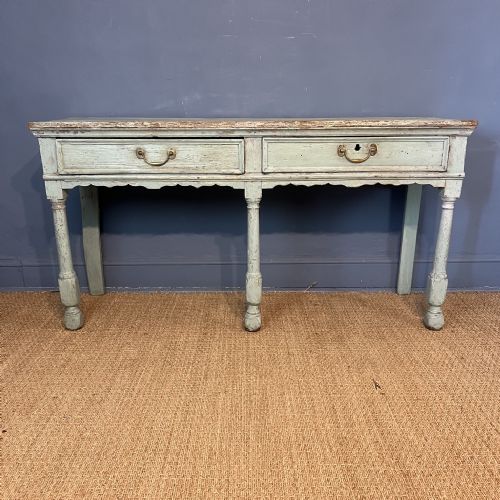
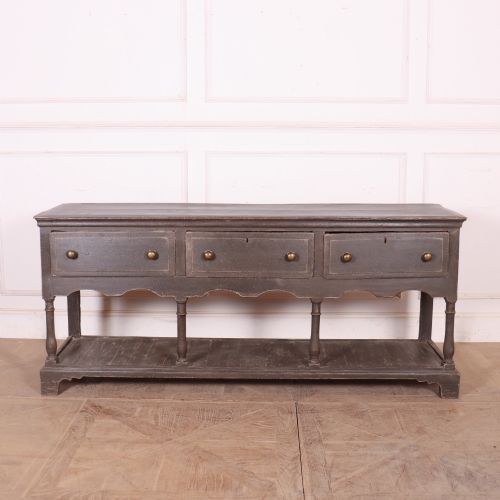
A georgian painted sideboard brings functional storage and historic charm into a room through generous proportions and weathered pigment.
Georgian Painted Sideboard
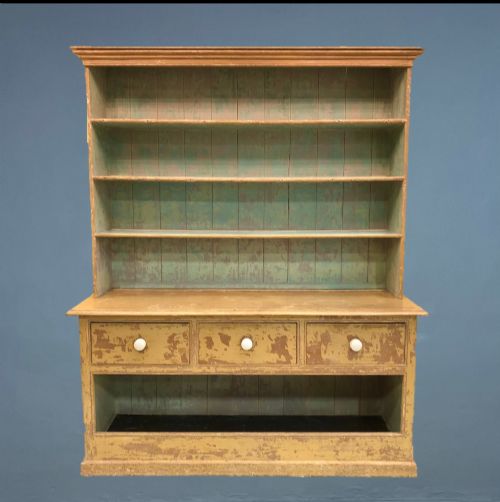
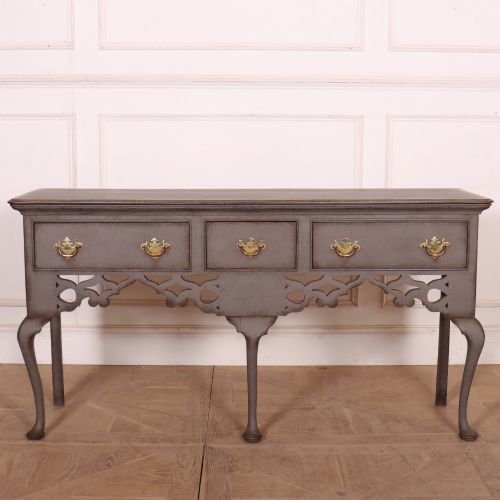
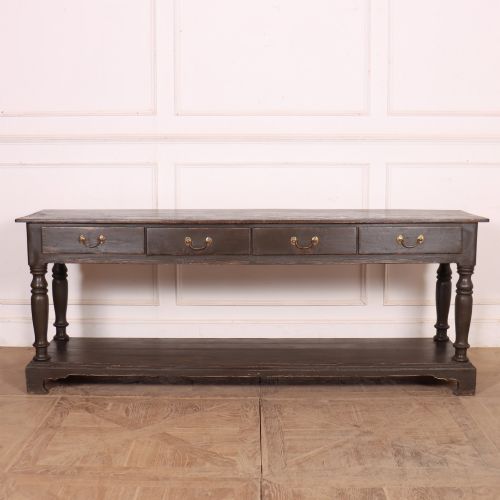
A georgian painted sideboard and related forms such as dresser bases and serving tables provide substantial storage while displaying historic surface treatments. Buyers seeking this phrase encounter practical timber furniture originating largely from English country houses and farmhouses.
The selection ranges from early eighteenth century pine and oak pieces up to nineteenth century variations. Forms include potboards, breakfront units, and side cabinets decorated with paint.
West Country pieces and regional English examples appear alongside continental items such as Hungarian cupboards and Italian commodes. These items serve as focal points in dining spaces and hallways.
Materials and construction
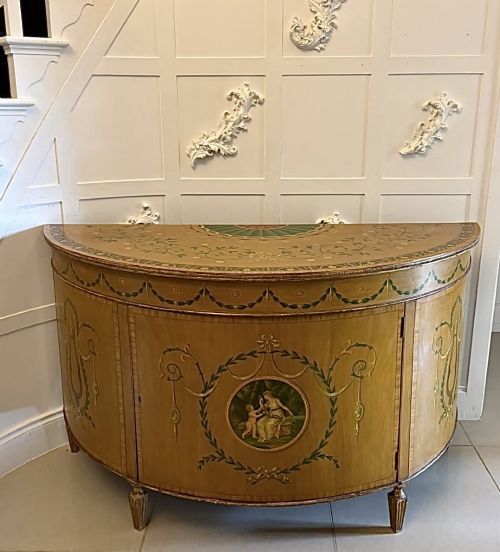
Carpenters utilised native timbers such as oak and pine for foundational carcases, occasionally incorporating maple or satinwood on decorative surfaces. Brass hardware frequently provides structural and visual accents.
Pieces display historical painted finishes directly on wood, sometimes combined with wax or inlay work. Construction methods rely on traditional joinery suited to heavy daily use in domestic kitchens and dining rooms.
Georgian Painted Sideboard Retail Price Guide 2026
Typical asking prices for georgian painted sideboard among the pieces listed under this phrase on Sellingantiques today, from the lower quarter to the upper quarter. They describe what is for sale here now, not the wider market.
Listings feature oak, pine, and satinwood sideboards spanning from the seventeenth century through the Victorian era.
Assessing quality and character
The relationship between the underlying timber construction and the survival of the painted surface dictates the character of each piece. Original pigment layers that show natural ageing and wear possess greater historical integrity than later overpainting.
Proportions and regional vernacular details distinguish standard utility furniture from sophisticated examples with neoclassical or finer decorative panels.
Maple & Co
The Georgian Painted Sideboard Glossary
- Potboard
- An open lower shelf on a dresser base designed for storing pots and heavy kitchen utensils. This practical feature sits close to the floor between the supporting legs.
- Breakfront
- A cabinet or dresser base whose central section projects forward from the flanking outer cupboards or drawers. This architectural arrangement creates depth and visual rhythm across the front elevation.
- Demi-lune
- A half-moon shape used for the top and base of side cabinets and commodes. Such curved furniture fits neatly against flat walls in narrow hallways.
- Satinwood
- A hard, yellow-toned timber utilised for fine cabinetmaking and decorative inlay work. It provides a pale, reflective surface popular in neoclassical furniture.
- Commode
- A low standing chest of drawers or cabinet used for storage. The term often describes decorative continental or refined English pieces.
Georgian Painted Sideboard: Frequently Asked Questions
How do I date a painted sideboard?
Dating relies on examining the underlying timber construction, joinery methods, and the composition of the paint layers. Eighteenth-century pieces often display hand-planed surfaces and simpler pine or oak frames.
Later nineteenth-century variations introduce refined satinwood veneers, marble tops, or neoclassical revival motifs.
Where were these sideboards used?
These pieces functioned primarily in country houses, farmhouses, and domestic kitchens for storing tableware and provisions. Serving tables managed food preparation and dining room service.
Today, buyers place them in dining rooms, hallways, and living spaces to anchor contemporary interiors with historic texture.
What is a breakfront base?
A breakfront base incorporates a central section that extends further forward than the cabinets or drawers on either side. This layout breaks up the linear profile of long serving tables and sideboards.
Cabinetmakers utilised this technique to add architectural presence and formal balance to large dining furniture.