

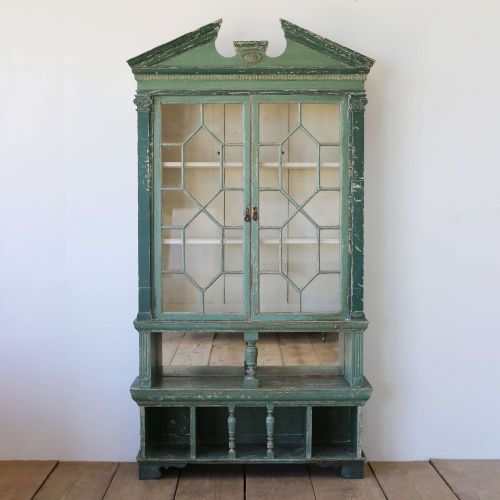
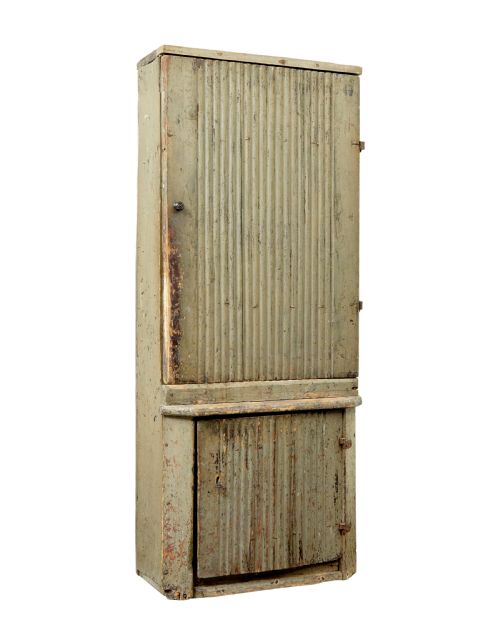
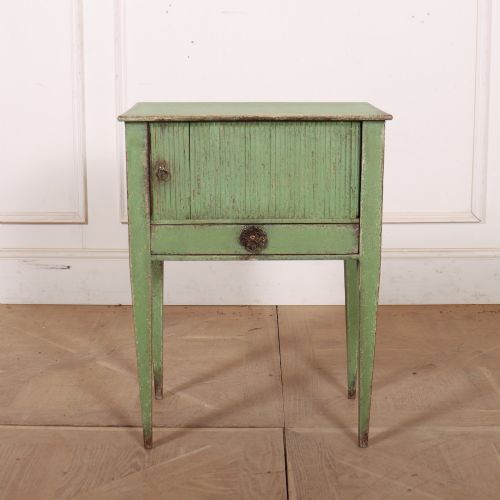
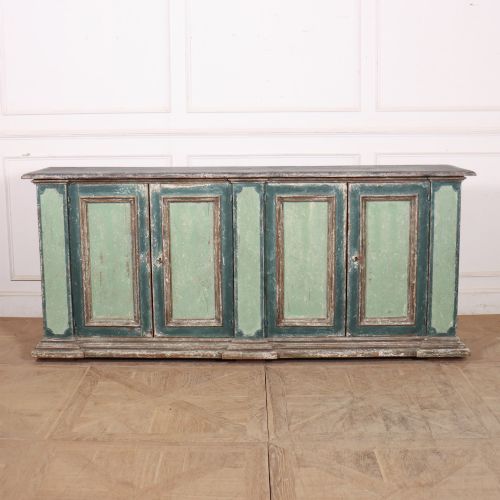
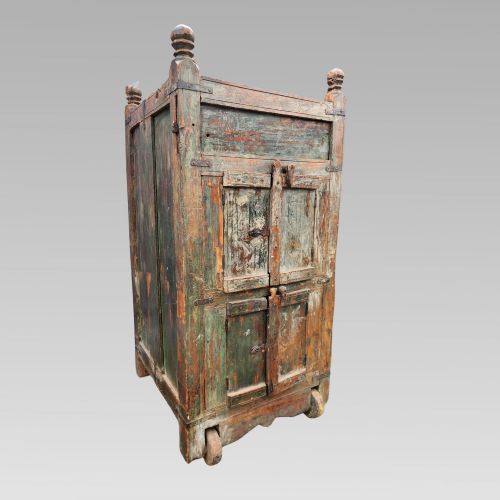
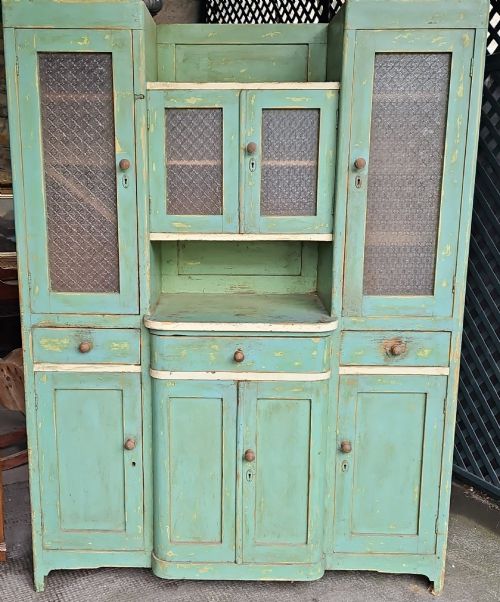


Distressed Green Cupboard
A distressed green cupboard brings instant character to a room through weathered painted surfaces and practical storage.
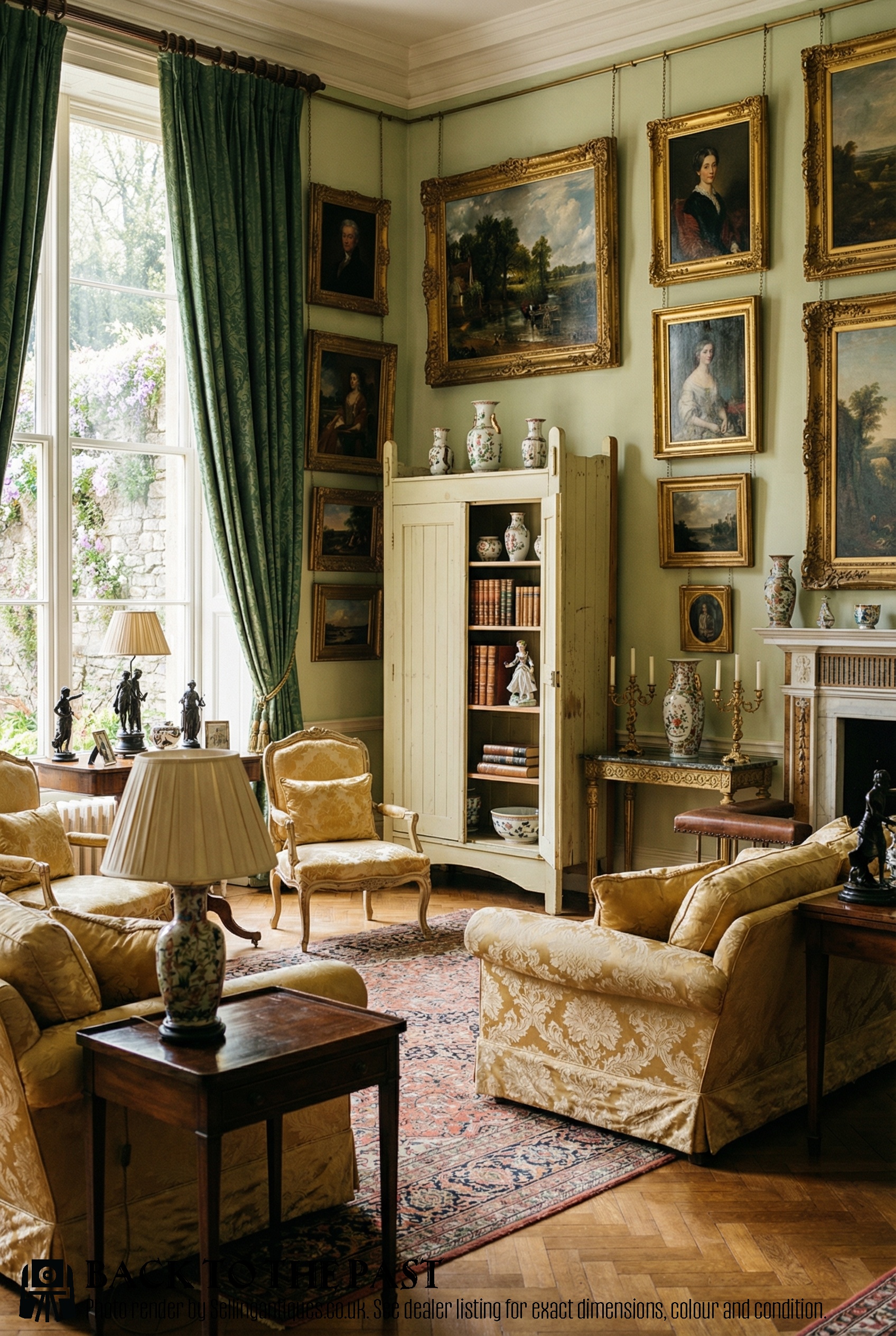
Distressed Green Cupboard
A distressed green cupboard encompasses practical storage pieces finished in weathered green paint, ranging from bedside tables to large housekeepers cupboards. Buyers searching this phrase want functional furniture that carries visible age and decorative charm through its painted surface.
The pieces available span various origins and forms, including country pine kitchen cabinets, Scandinavian carved cupboards, and French metal field kitchen dressers. Pine and softwood form the primary carcass materials, often showing decades of wear across traditional European and regional styles.
Dated examples stretch from the eighteenth century through the Edwardian era and into the 1920s, demonstrating how utilitarian storage evolved across different domestic and industrial settings. Regional country styles dominate the selection, bringing unpretentious proportions and utilitarian layouts.
How they were made
Construction relies primarily on solid pine and softwood planks joined for everyday domestic utility, supplemented by iron, brass, and sheet metal on hardware and industrial variants. Carpenters built these storage cabinets and sideboards for hard daily use in kitchens, sculleries, and workshops.
Surface finishes rely on layers of paint applied over wood or metal, which subsequently weathered through decades of use to create natural distress. Wrought iron fittings, zinc tops, and brass handles provide structural contrast and functional durability to the painted woodwork.
Distressed Green Cupboard Retail Price Guide 2026
Typical asking prices for distressed green cupboard among the pieces listed under this phrase on Sellingantiques today, from the lower quarter to the upper quarter. They describe what is for sale here now, not the wider market.
Object forms on this page include bedside tables, kitchen cabinets, housekeepers cupboards, sideboards, and industrial field dressers.
What varies in quality
Quality rests in the integrity of the original timber construction and the authenticity of the painted surface rather than applied decoration. Pieces retaining their early or original paint layers command greater interest than those stripped or repounded in later decades.
Proportions and functional survival, such as working doors, original hardware, and intact internal shelving, separate standard utility pieces from finer regional examples. The balance between honest structural wear and stable joinery determines the long-term desirability of each cabinet.
The Distressed Green Cupboard Glossary
- Softwood
- Timber derived from conifers such as pine, commonly used for country furniture and painted cabinets. It provides a lightweight yet sturdy carcass suitable for domestic storage.
- Housekeepers cupboard
- A large storage piece traditionally used in British homes for linen and provisions. These tall cupboards feature multiple internal shelves and doors.
- Almirah
- A regional term for a freestanding cupboard or wardrobe originating from South Asia. These storage pieces often feature dense hardwoods and traditional construction methods.
- Field kitchen dresser
- A portable or utilitarian metal unit used for food preparation and storage in institutional or military contexts. They typically incorporate sheet metal and integrated drainers.
- Sideboard
- A low storage furniture form designed for dining rooms and living spaces to hold tableware and linens. They often combine surface display areas with enclosed cupboard space.
Distressed Green Cupboard: Frequently Asked Questions
How do I clean a painted cupboard?
Dust surfaces gently with a dry microfiber cloth to remove everyday particles without disturbing fragile paint layers. Avoid harsh chemical cleaners and excessive moisture that could lift historical paint.
Test any cleaning method on a hidden area first to ensure the finish remains stable. Professional advice is recommended if the paint is flaking significantly.
Are these cupboards suitable for kitchens?
Many of these pieces originated as kitchen cabinets, housekeepers cupboards, or dressers designed specifically for food and utensil storage. Their internal shelving makes them practical for modern kitchen storage needs.
Ensure that placement avoids direct heat sources and excessive steam to protect the antique wood and paintwork. Zinc and metal-topped variants offer durable surfaces for food preparation areas.
How can I tell if the paint is original?
Original paint shows natural wear patterns, multiple aged layers, and integration with the underlying wood grain over decades of use. Examine edges and handle surrounds where normal handling creates authentic thinning.
Inspect the interior surfaces and hardware fixings for consistent ageing that matches the exterior finish. Modern repainting often lacks the subtle crackle and tonal variation found in period surfaces.
What is the difference between pine and softwood?
Pine is a specific type of softwood harvested from coniferous trees, widely utilised in European country furniture. Softwood serves as the broader botanical classification that includes pine, fir, and spruce.
Cabinet makers favoured these woods for their availability and ease of working when constructing utilitarian furniture. Over time, dry pine develops a stable, rich patina beneath painted finishes.