

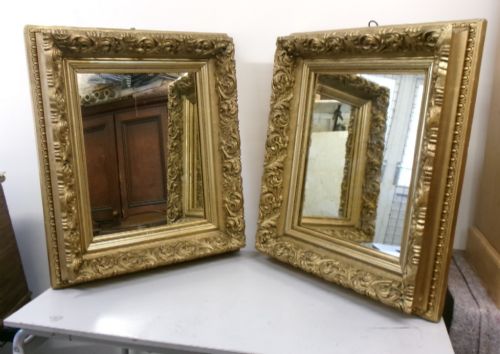

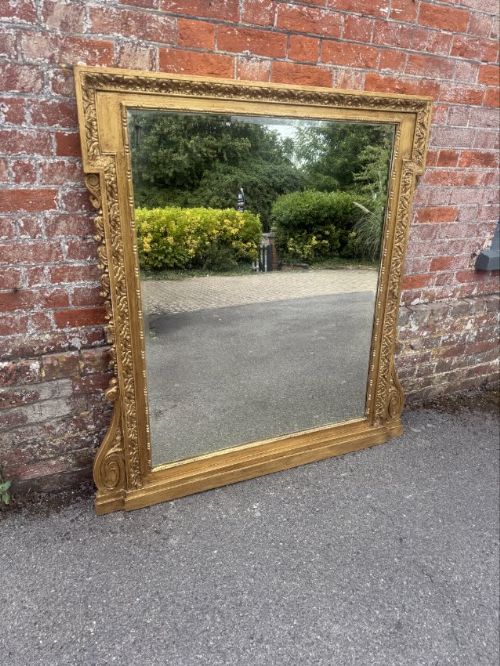
Large Victorian Gilt Frame
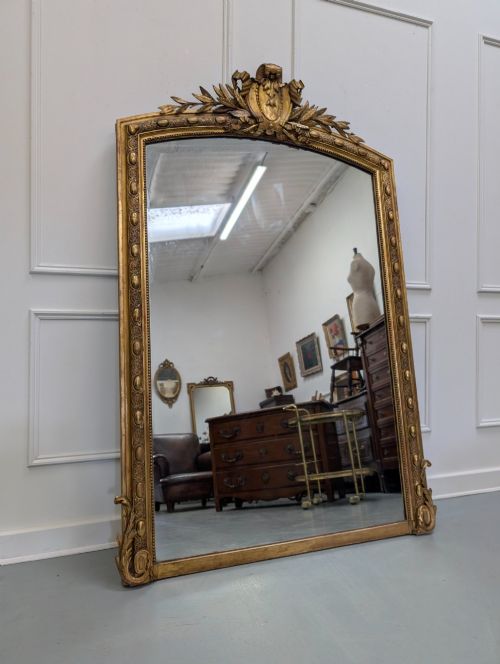
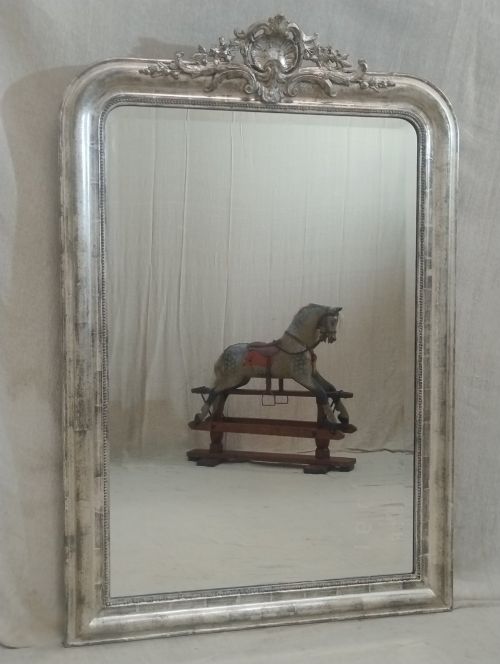
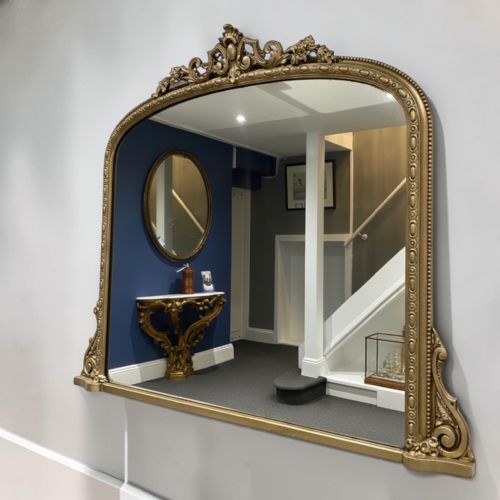
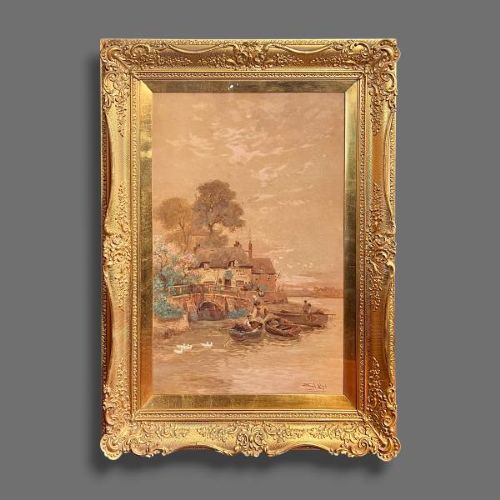
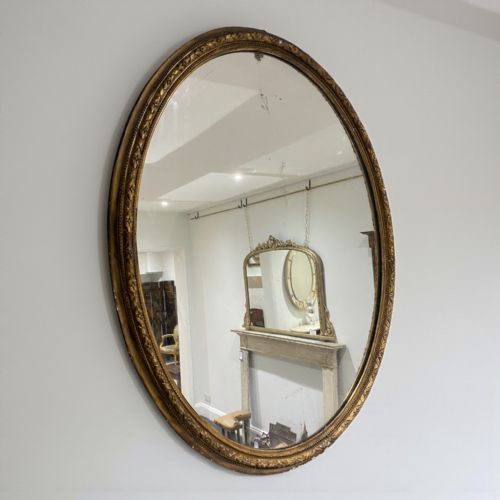
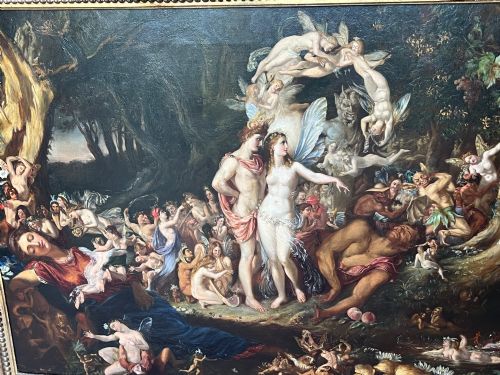
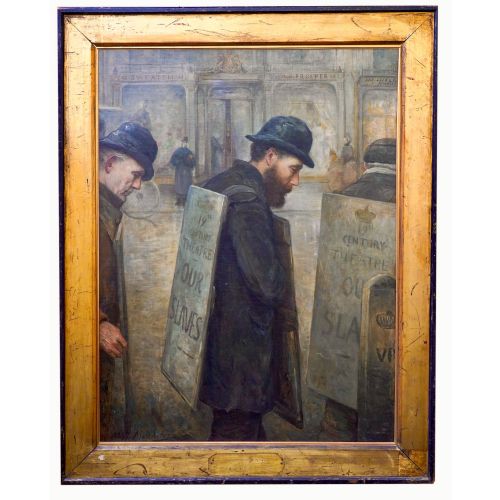
A large victorian gilt frame brings commanding scale and reflective warmth to a room, whether housing an oil painting or a grand overmantel mirror.
Large Victorian Gilt Frame
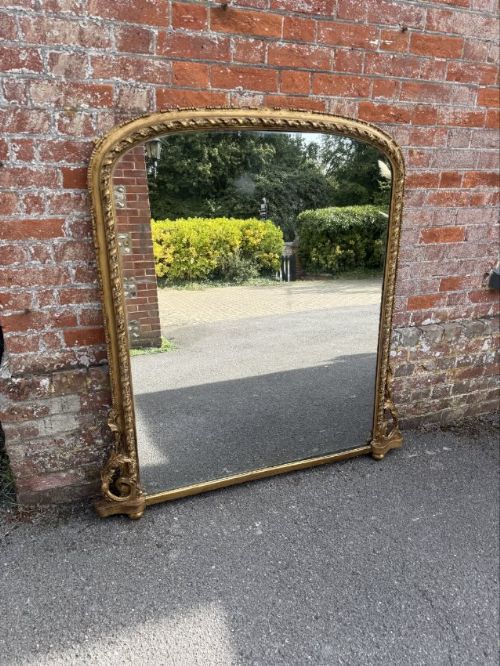
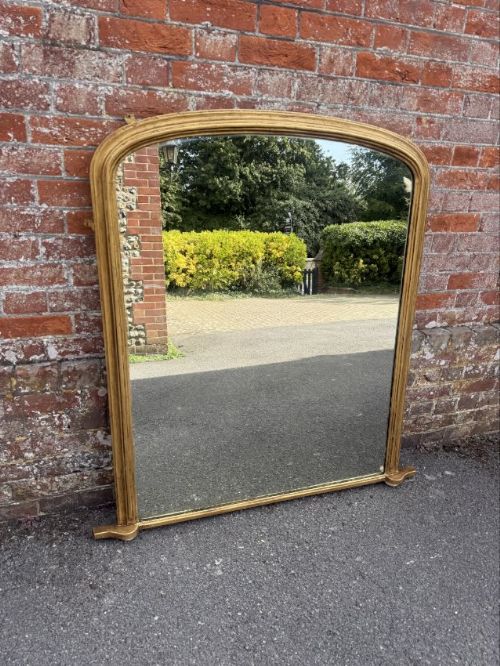
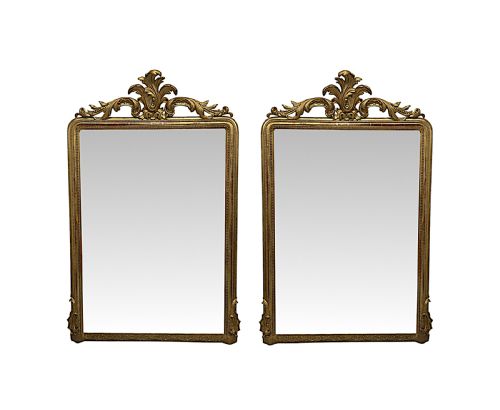
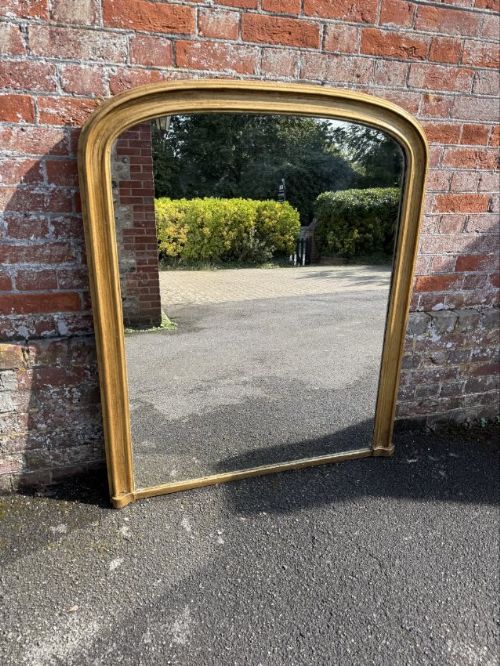
A search for a large victorian gilt frame reveals substantial architectural looking-glass mirrors and expansive picture enclosures designed to dominate a Victorian interior. These objects primarily take the form of overmantel mirrors intended for placement above a fireplace, alongside large wall mirrors and substantial frames built to house oil paintings.
The pieces encountered on this page date predominantly from the nineteenth century, spanning early Victorian examples through to the robust styles of the 1870s and 1880s. Makers and craftsmen of the period utilised heavy proportions, often pairing generous dimensions with intricate cresting, arched tops, or triptych configurations.
Buyers will find that many of these items served dual purposes in period homes, functioning either as dedicated picture frames for canvas art or as fitted mirrors that bounced light across reception rooms. The survival of original gilding and gesso decoration remains a defining characteristic across the selection available.
How they were made
Carved wood and gesso form the structural core of these pieces, providing a stable foundation for intricate surface ornamentation. Artisans shaped timber bases before applying successive layers of fine plaster or gesso to build up relief details such as rope twists, egg and dart moulding, and floral motifs.
Gold leaf and liquid gilding were then applied over the prepared surfaces to achieve the characteristic metallic brilliance seen on nineteenth-century frames and overmantels. This traditional finishing technique required meticulous hand-application to ensure the gold adhered evenly to both deep carved recesses and raised decorative ribs.
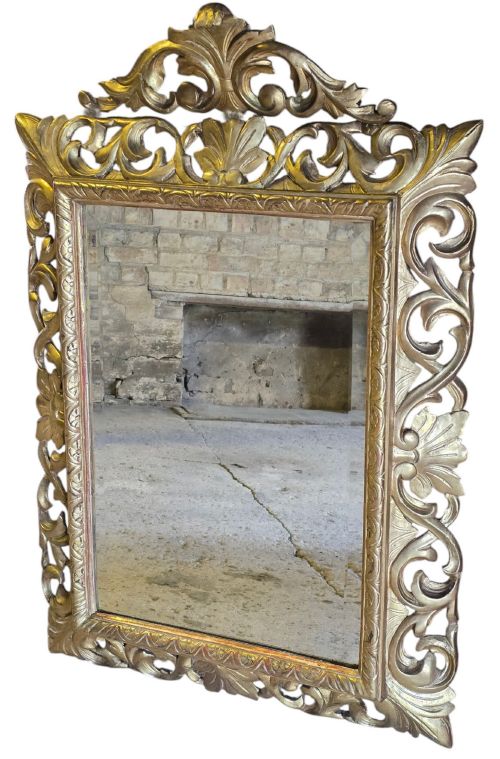
Listings feature nineteenth-century items utilising carved wood, gesso, glass, and gold leaf across styles including Rococo Revival, Florentine, and French Chateau.
What varies in quality
The depth and crispness of the carved ornamentation separate standard production from superior examples. Finer pieces exhibit hand-carved relief work with sharp definition in motifs such as acanthus leaves, cresting birds, and geometric reeding, whereas lesser items rely on simplified mouldings.
The integrity and preservation of the original gesso and gold leaf surface dictate the overall desirability of the object. Superior items retain their original gilded layers with minimal historical intervention, while lower-tier pieces often show heavy overpainting or significant loss of the delicate plaster substrate underneath.
Richard Sebastian Bond·Felix Stone Moscheles·Sir Joshua Reynolds·William Powell Frith·Thomas Smythe·W. R. Waters·Konstantin Stoitzner·James Hamilton·Bennett Hubbard·Julius Hare
The Large Victorian Gilt Frame Glossary
- Overmantel mirror
- A large horizontal mirror specifically proportioned to hang on the wall directly above a fireplace mantelpiece. These fixtures often feature arched or shaped tops designed to complement nineteenth-century domestic architecture.
- Gesso
- A plaster-like mixture applied to wooden frame bases to create a smooth surface for carving and gilding. This material allows artisans to execute complex high-relief decorations before applying gold leaf.
- Swept frame
- A picture frame characterised by undulating, flowing profiles that curve outwards from the inner edge. This curvilinear form became particularly popular during the Victorian era for displaying substantial oil paintings.
- Pier glass
- A tall mirror designed to hang on the wall space between two windows, known as the pier. These mirrors often match the height of adjacent furnishings and reflect additional light into darker Victorian rooms.
- Giltwood
- Timber that has been coated with gold leaf or metallic paint to simulate solid gold. It provides the lustrous appearance essential to formal nineteenth-century interior decoration.
Large Victorian Gilt Frame: Frequently Asked Questions
How do I hang a heavy overmantel mirror safely?
Heavy nineteenth-century mirrors require secure anchoring directly into structural wall studs or masonry using heavy-duty brackets suited to the weight of wood and gesso. Professional installation is strongly advised given the substantial mass of these large frames.
Positioning the piece at the correct height above a fireplace ensures the weight is properly balanced while creating the intended visual proportion within the room.
What is the difference between a picture frame and a mirror frame?
Picture frames are constructed with rabbets and backing dimensions specifically calculated to hold stretched canvases or panel art securely in place. Mirror frames are built to accommodate heavy glass plates, often incorporating deeper rebates and internal wooden bracing.
While period workshops occasionally adapted one format for the other, their original intended contents dictated the depth of the rebate and the overall structural reinforcement.
How should I clean original Victorian gilding?
Original nineteenth-century gilt surfaces require extremely gentle dusting with a soft, dry brush to prevent abrasion to the delicate gold leaf layer. Moisture and chemical cleaners must be avoided entirely, as they can strip the fragile gesso and underlying bole.
Preserving the aged patina means accepting minor surface dust rather than attempting aggressive restoration that might damage the historical finish.
Can I use a mirror frame for a painting instead?
Adapting an antique mirror frame to house a canvas is possible provided the interior dimensions and rebate depth match the requirements of the artwork. Many nineteenth-century frames share similar construction methods and moulding profiles whether used for glass or oil paintings.
Consulting a professional framer ensures the canvas receives proper internal support without altering the historical integrity of the wooden structure.