









Large Oriental Porcelain Vessel
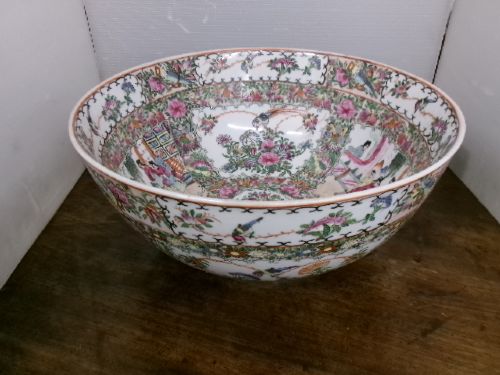
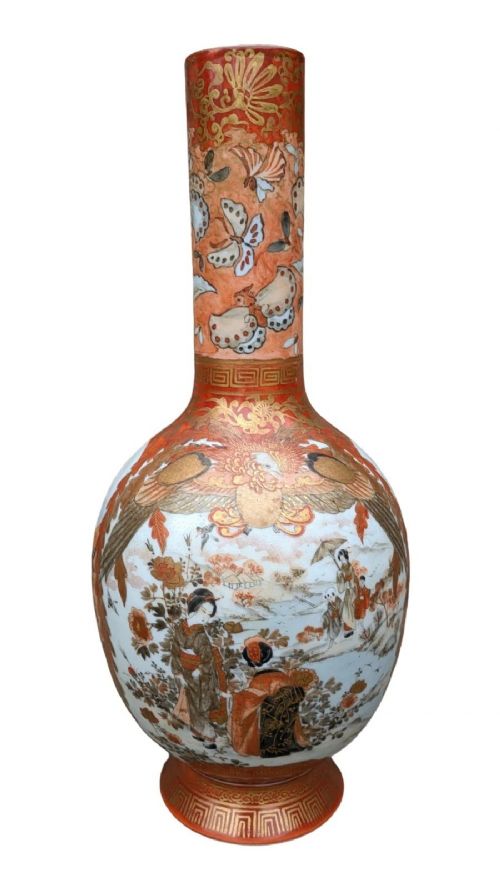
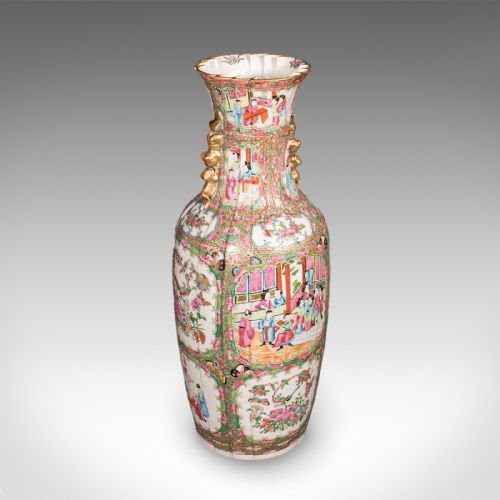
A large oriental porcelain vessel delivers substantial presence to a room through traditional hand painting and generous scale.
Large Oriental Porcelain Vessel
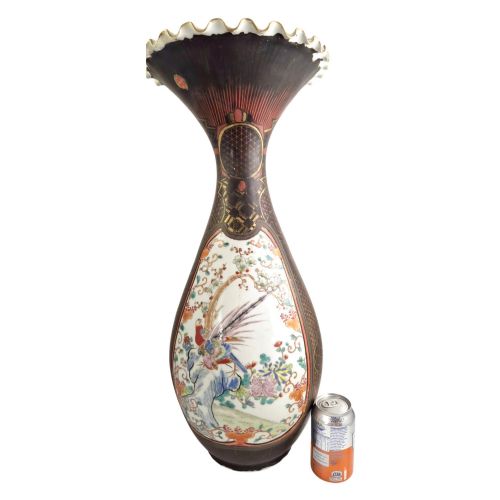
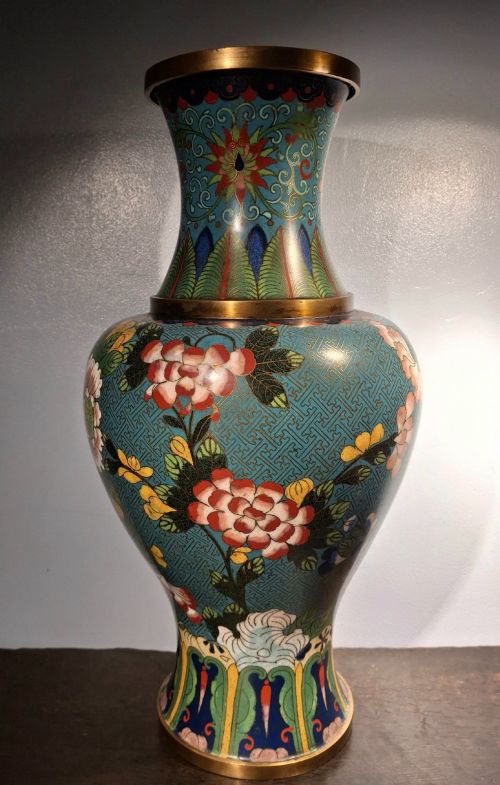
When searching for a large oriental porcelain vessel, collectors encounter substantial ceramic forms originating from China and Japan. These pieces span multiple centuries, with particular concentration in nineteenth century production and the Meiji period.
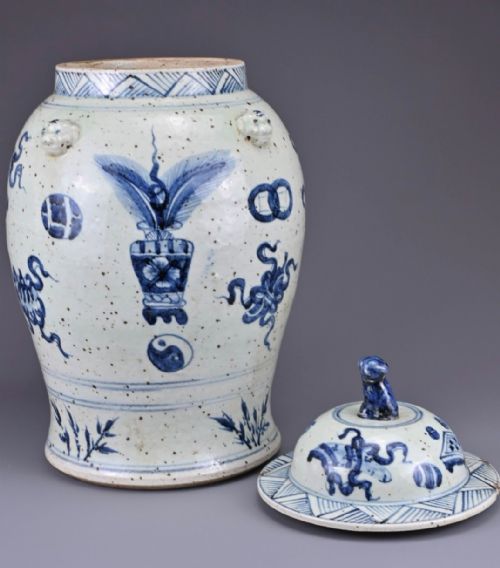
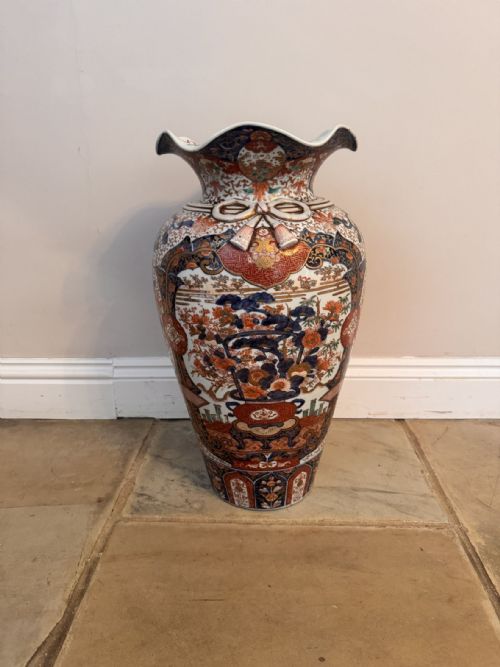
The objects take various functional and decorative shapes suited to grand interiors. Common forms include jars with covers, open jardinieres, floor standing vases, and deep centre bowls.
Chinese pieces frequently display blue and white pigment or polychrome famille rose enamel. Japanese examples lean towards Imari palettes, Kutani workshops, and finely detailed Satsuma earthenware.
How they were made
Potters shaped dense ceramic bodies by hand or on the wheel before applying mineral pigments and liquid glazes. Cobalt pigment and colourful enamel paints created intricate surface patterns under high heat in kilns.
Many items incorporate additional decorative media alongside the ceramic base. Artisans applied gold leaf, wood stands, lacquer over black paint, and cloisonne wirework to enhance the visual weight of the vessel.
Large Oriental Porcelain Vessel Retail Price Guide 2026
Typical asking prices for large oriental porcelain vessel among the pieces listed under this phrase on Sellingantiques today, from the lower quarter to the upper quarter. They describe what is for sale here now, not the wider market.
Several Japanese vases depict vast gatherings of one thousand arhats alongside fierce dragons, offering endless small figures to count.
What varies in quality
The standard of a large oriental porcelain vessel rests on the precision of the hand painting and the balance of the form. Master artists achieved remarkable detail in figural scenes, flora, and fauna without crowding the composition.
Condition and completeness also dictate distinction among surviving examples. Original lids, matching pairs, and stable glazes separate exceptional display items from heavily restored or standard production pieces.
Hotoda·Makuzu Kozan
The Large Oriental Porcelain Vessel Glossary
- Imari
- A style of Japanese porcelain featuring a distinctive palette of cobalt blue, iron red, and gold. Artisans produced these wares primarily for export from the port of Imari.
- Satsuma
- A type of Japanese earthenware characterised by a pale, ivory crackle glaze. Workshops typically decorated these surfaces with dense gilt and polychrome enamel figures.
- Famille rose
- A prominent palette of Chinese porcelain enamels dominated by opaque pink or rose colours. This style emerged during the Qing dynasty and gained widespread popularity.
- Jardiniere
- A large ornamental pot designed to hold live plants or floral arrangements. These ceramic vessels often stand on the floor or heavy furniture.
- Moriage
- A decorative ceramic technique involving raised dots or lines of slip applied to the surface. This method creates a textured, tactile finish on Japanese vessels.
Large Oriental Porcelain Vessel: Frequently Asked Questions
How do I care for my vessel?
Dust the ceramic surface gently with a soft dry cloth to prevent accumulation. Avoid abrasive cleaners or submerging pieces that feature delicate gold leaf or lacquer.
Keep the vessel away from direct sunlight and sudden temperature shifts to protect the glaze and enamel work over time.
Where should I display it?
Position large vessels on sturdy tables, pedestals, or directly on the floor where their scale can anchor the space. Ensure heavy jardinieres or tall jars sit safely away from high traffic areas.
Pair pieces with matching wooden stands where provided to elevate the form and protect underlying furniture surfaces.
How do I date these pieces?
Examine the base for reign marks, seal marks, or maker signatures painted in underglaze blue or impressed into the clay. Stylistic indicators like Meiji period motifs or Qing dynasty palettes also help narrow the period.
Inspect the glaze texture, wear patterns, and manufacturing seams for clues regarding nineteenth century or earlier production methods.
Were these vessels used?
Many large jars and bowls served practical functions for storage, water holding, or floral displays in traditional interiors. Others were created purely as decorative floor items for wealthy households and export markets.
Over generations, owners transitioned these ceramics from functional household items into prized display centerpieces.