



Polychrome Enamel Chinese Pot
A polychrome enamel chinese pot brings vibrant colour and meticulous hand-painted detail into a room, offering both decorative presence and centuries of craftsmanship.
Polychrome Enamel Chinese Pot
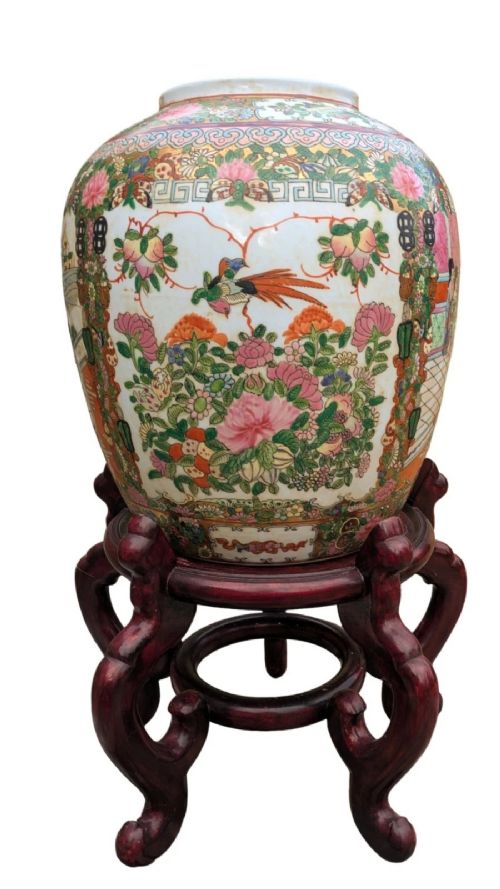
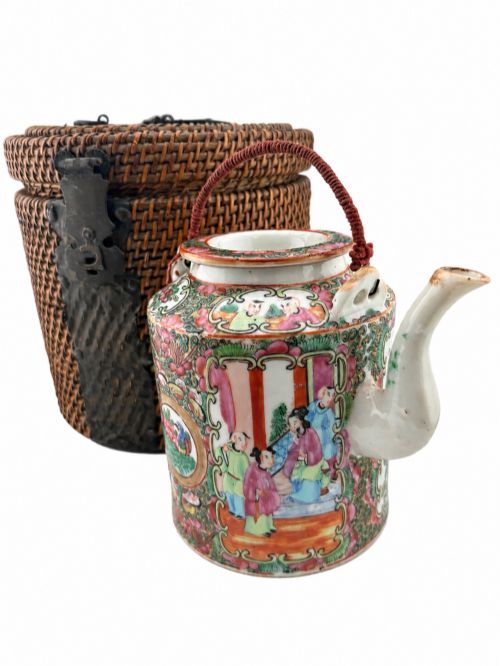
When searching for a polychrome enamel chinese pot, buyers encounter a diverse selection of vessels ranging from large jardinieres and lidded jars to travelling teapots and vases. These objects span multiple periods, including the 17th century, the Qing dynasty, and the early 20th century.
The inventory on this page most frequently presents generous jars, planters, and decorative vases created in styles such as Chinese Export, Canton Famille Rose, and Chinese Transitional Wucai. Such vessels often serve as striking focal points in traditional and contemporary interiors alike.
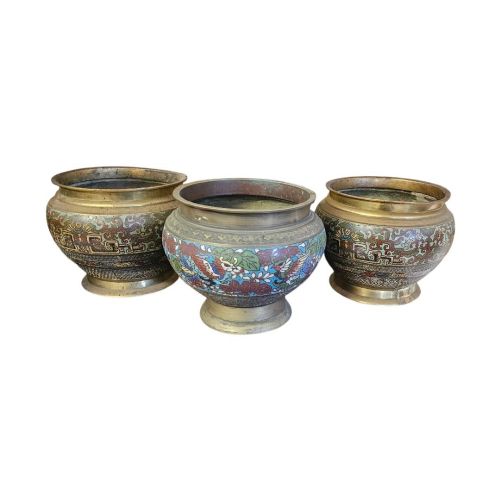
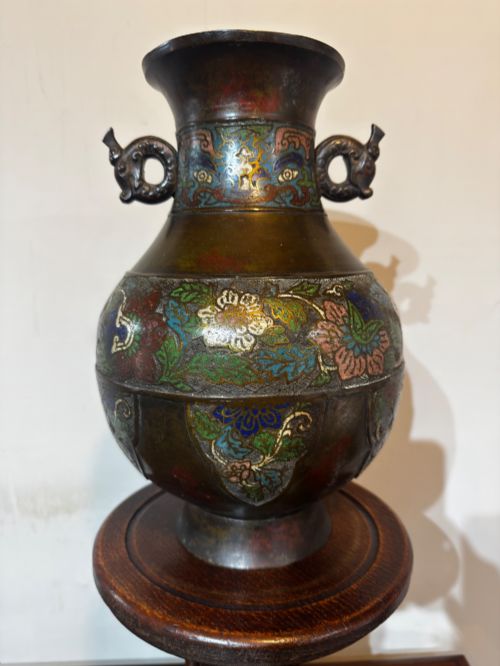
Originating from distinct eras of Chinese production, these pieces reflect both domestic utility and export traditions. Buyers often find bronze champleve and cloisonne constructions alongside porcelain bodies, demonstrating the wide scope of enamel work across Asian regional craftsmanship.
How they were made
Makers utilised porcelain and bronze as the foundational structures for these vessels, applying vitreous enamel in multiple bright hues. Metal vessels frequently employ champleve or cloisonne techniques, where recessed cells or wire partitions contain the coloured paste before firing.
Porcelain pieces rely on meticulous hand-painting, combining iron red, green, and blue pigments alongside family rose palettes to render complex pictorial scenes. Gold leaf and secondary materials like wood or wicker sometimes complement the primary ceramic and metal bodies.
Polychrome Enamel Chinese Pot Retail Price Guide 2026
Typical asking prices for polychrome enamel chinese pot among the pieces listed under this phrase on Sellingantiques today, from the lower quarter to the upper quarter. They describe what is for sale here now, not the wider market.
What varies in quality
The refinement of the painted or enamelled surface dictates much of the distinction between average and exceptional examples. Finer pieces display crisp outlines, controlled colour application, and balanced compositions that integrate harmoniously with the underlying bronze or porcelain form.
Subtleties in the weight of the metalcasting, the regularity of the cloisonne wires, and the preservation of the original enamels set the more accomplished historical works apart. Craftsmanship is further evident in the integration of stands, covers, and original fitted cases where present.
The Polychrome Enamel Chinese Pot Glossary
- Polychrome
- Decorated in several colours. This term describes ceramics and metalwork featuring diverse enamel palettes.
- Famille Rose
- A major palette of Chinese ceramic glazes introduced in the Qing dynasty, distinguished by opaque pink or rose enamel derived from colloidal gold.
- Champleve
- An enamelling technique where troughs or cells are carved into a metal surface and filled with enamel powder before firing.
- Cloisonne
- A technique where metal wires are soldered to a metal base to create compartments that are subsequently filled with enamel.
- Wucai
- A Chinese ceramic style meaning five colours, typically combining underglaze blue with overglaze iron red, green, yellow, and other pigments.
- Jardinier
- A large ornamental pot or planter designed to hold growing plants or flowers.
Polychrome Enamel Chinese Pot: Frequently Asked Questions
What is a polychrome enamel chinese pot?
These objects are decorative and functional vessels made from porcelain or metal, finished with multi-coloured vitreous enamel designs.
They encompass items such as jardinieres, lidded jars, and teapots produced across various historical periods in China.
How do I date a Chinese enamel jar?
Dating relies on stylistic markers, the specific enamel palette used, and the underlying material such as bronze or porcelain.
Comparative analysis of Qing dynasty periods, transitional styles, and early 20th-century manufacturing methods helps determine the age of each piece.
Where were these pots placed originally?
Larger jardinieres and planters were typically utilised in courtyards, reception halls, or verandahs to hold large plants.
Smaller jars and teapots functioned as tabletop ornaments or practical travelling utensils within elite households.
How should I clean my antique enamel pot?
Careful dusting with a soft, dry cloth is usually sufficient for maintaining the surface of historic enamel and porcelain.
Harsh chemical cleaners or abrasive materials must be avoided to protect the delicate hand-painted pigments and metallic finishes.