






Asian Ceramic Covered Jar
An asian ceramic covered jar brings substance and colour to a room, offering practical storage wrapped in centuries of technique.
Asian Ceramic Covered Jar
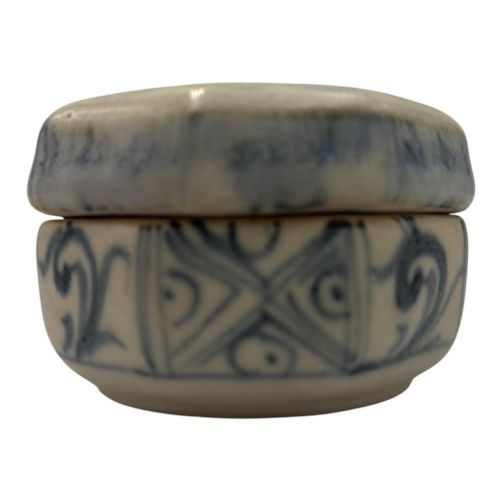
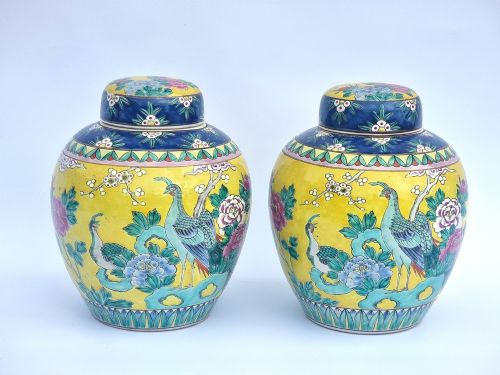
The search phrase asian ceramic covered jar encompasses vessels created for storage, display, and ritual across China, Japan, and Vietnam. These pieces range from robust ginger jars to delicate tea caddies and incense burners, each fitted with its original lid.
You will encounter pieces originating from specific historical eras, including the Qing Dynasty, Meiji Period, and the Lê Dynasty. Forms span from large lidded vases down to compact snuff bottle canisters and octagonal covered boxes.
Many examples display hand-painted decoration, cobalt glaze, or crackle finishes on porcelain, pottery, and earthenware. These vessels served functional roles in domestic interiors before finding a place in collections.
Materials and construction
Potters shaped these vessels from ceramic, porcelain, and earthenware before applying mineral pigments and glazes. Cobalt glaze and enamel paints formed the basis of surface decoration.
Firing took place in high-temperature kilns, sometimes supplemented by low-fired enamel work and applied gold leaf. Specialised techniques produced distinct textures, such as crackle-glazed porcelain and cloisonné enamel.
Lids were turned to fit individual bodies precisely, ensuring a snug closure for contents ranging from dry tea to spices. Wooden stands occasionally accompanied larger vessels to protect surfaces.
Asian Ceramic Covered Jar Retail Price Guide 2026
Typical asking prices for asian ceramic covered jar among the pieces listed under this phrase on Sellingantiques today, from the lower quarter to the upper quarter. They describe what is for sale here now, not the wider market.
Current listings feature porcelain, earthenware, and pottery bodies spanning the 16th to the 20th century.
Distinguishing quality
The refinement of the painted brushwork separates standard production pieces from masterworks. Controlled cobalt pigment application and precise enamel placement indicate superior workshop execution.
The condition of the glaze and the structural integrity of both jar and cover determine the grade of a piece. Clean firing without heavy kiln distortion and matching, undamaged lids elevate a vessel's standing.
Signed works and those retaining original provenance carry distinct markers of authorship. The clarity of detail in complex landscape or bird motifs reflects the skill of the original maker.
The Asian Ceramic Covered Jar Glossary
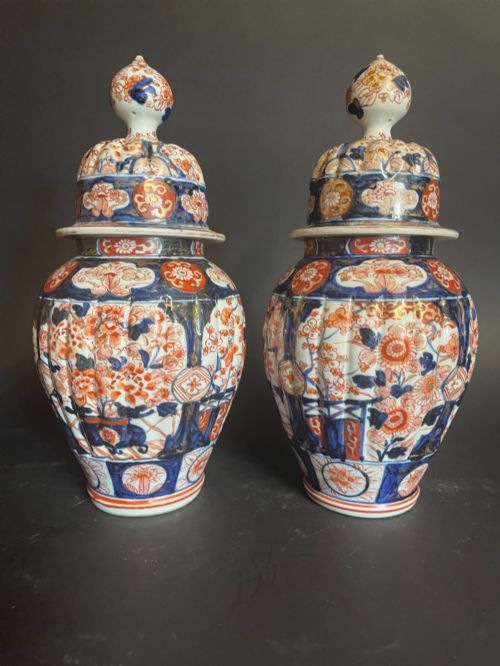
- Imari
- A style of Japanese porcelain featuring a palette of underglaze blue, iron red, and gold. It was produced extensively for export from the port of Imari.
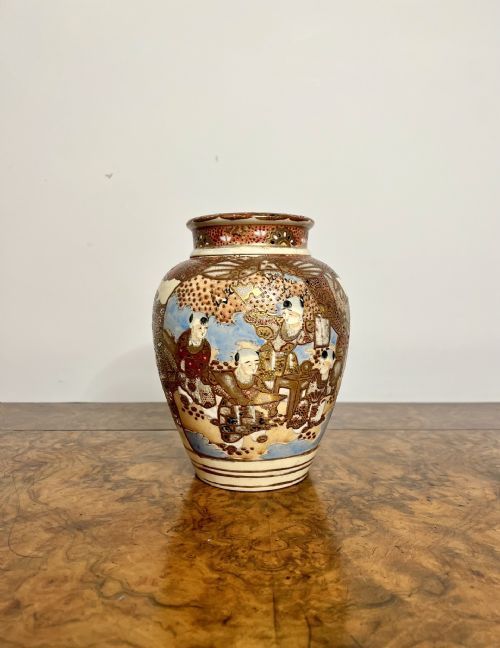
- Satsuma
- Earthenware pottery originating from Satsuma Province in Japan, typically characterised by a crackled ivory glaze and detailed polychrome enamel painting.
- Kamcheng
- A covered ceramic jar originating from Chinese kilns for the Southeast Asian export market. These vessels feature polychrome enamel designs.
- Famille rose
- A palette of opaque enamel colours dominated by pink or rose, introduced to Chinese porcelain production during the Qing Dynasty.
- Cloisonné
- A metalwork technique where enamel paste is applied within compartments created by soldered flat wires. It appears on metal bases as well as ceramic cores.
Asian Ceramic Covered Jar: Frequently Asked Questions
What were these jars used for?
These vessels originally stored valuable commodities such as spices, tea leaves, and medicines in domestic settings. Larger jars served as decorative statement pieces in reception rooms.
Over time, collectors repurposed them simply for display, valuing the painted surface designs and substantial forms.
How do I date an asian ceramic covered jar?
Dating relies on stylistic markers, baseline materials, and any reign marks or signatures present on the base. Comparing the potting technique and glaze characteristics to known historical periods provides a reliable timeframe.
Changes in pigment vibrancy and manufacturing standards also help narrow down the decade of production.
How do I clean and care for them?
Dust these vessels gently with a soft, dry brush to prevent accumulation in crevices and painted surfaces. Avoid using liquid cleaners, which can damage delicate enamel work or antique glazes.
Keep them out of direct sunlight to preserve the original pigments and prevent fading over the years.