



Oriental Floor Vase Jar
These large oriental floor vase jar pieces deliver scale and presence, bringing traditional Chinese and Japanese craftsmanship into substantial interior spaces.
Oriental Floor Vase Jar
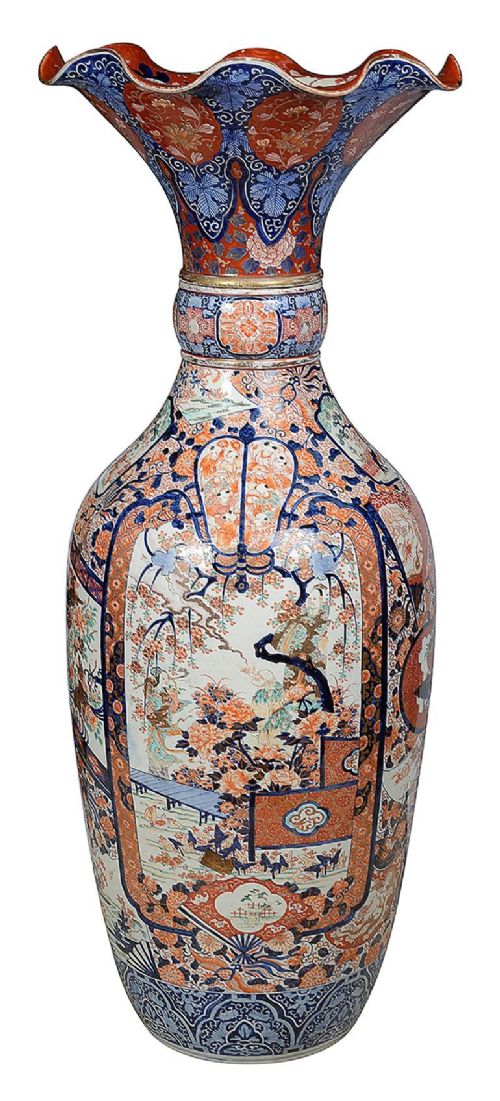
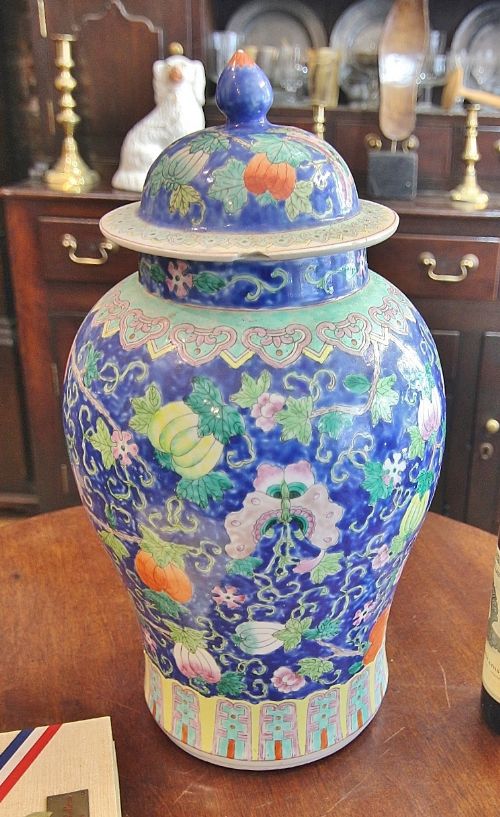
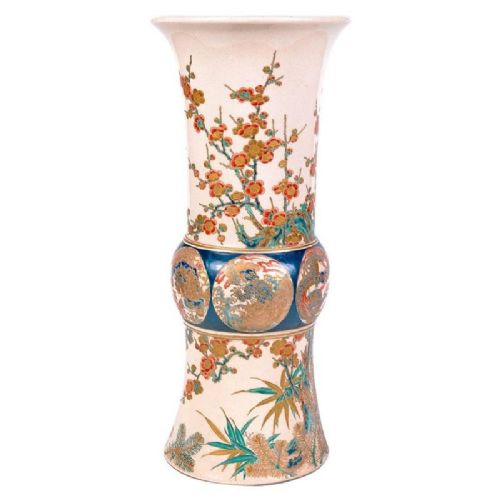
When you search for an oriental floor vase jar, you encounter substantial vessels originating from China and Japan. These pieces range from grand palace jars to tall Imari and Satsuma floor standing examples.
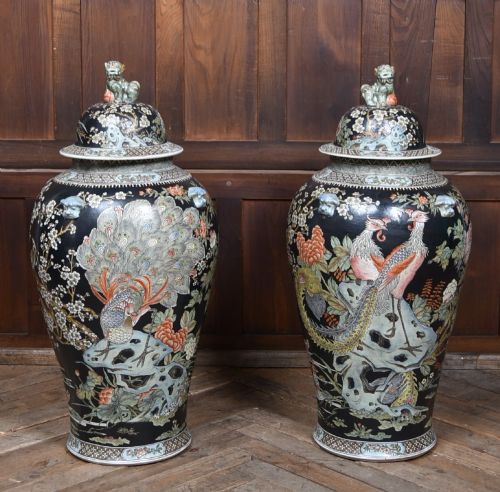
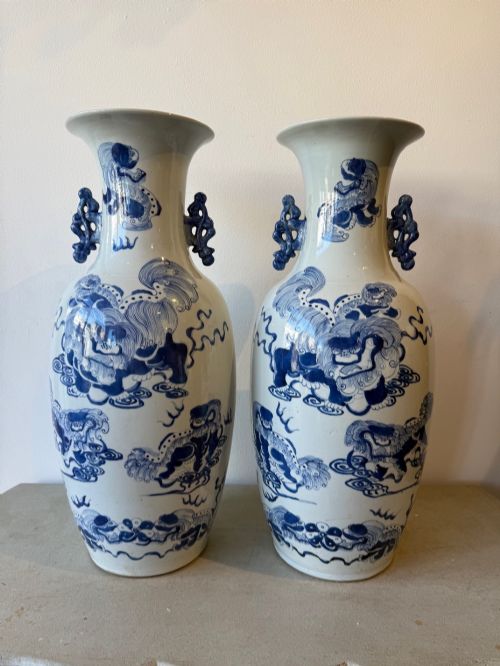
The selections on this page centre heavily on the nineteenth century, including Meiji period Japanese works and Qing dynasty Chinese items. You will frequently find pairs as well as monumental single vessels designed for commanding positions in a room.
Forms span baluster shapes, lidded urns and broad jars with hand-painted surfaces. They reflect distinct export traditions and domestic aesthetic movements from across Asia.
Materials and Construction
Potters shaped these large bodies in porcelain, ceramic and earthenware, requiring immense skill to prevent collapse during high-temperature firing. Artisans then applied detailed painted decoration directly onto the clay or over initial glazes.
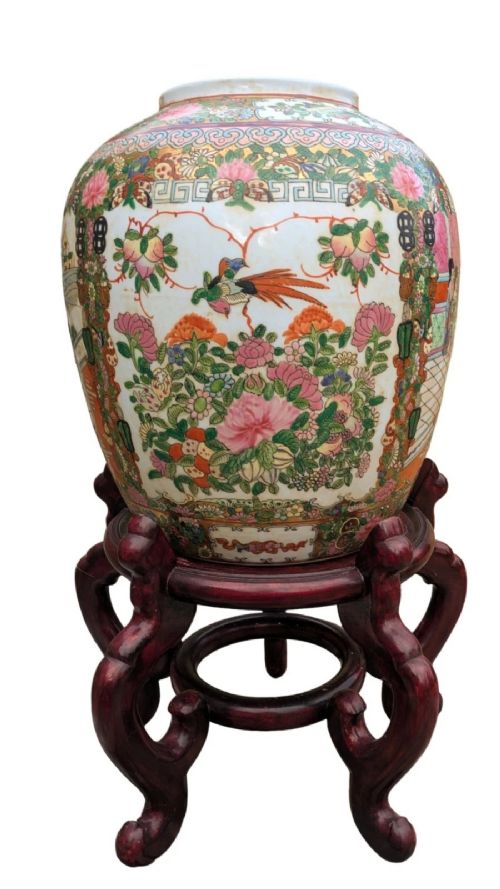
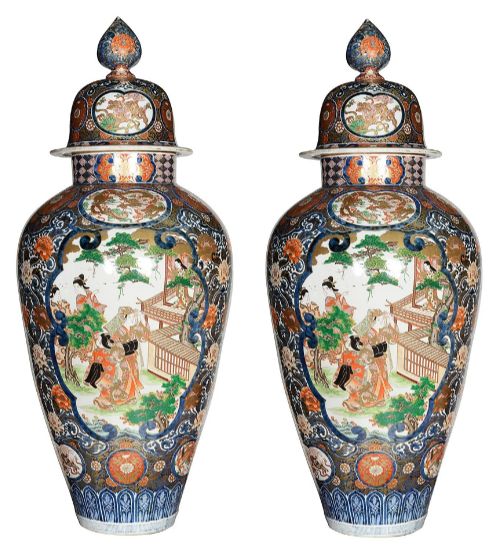
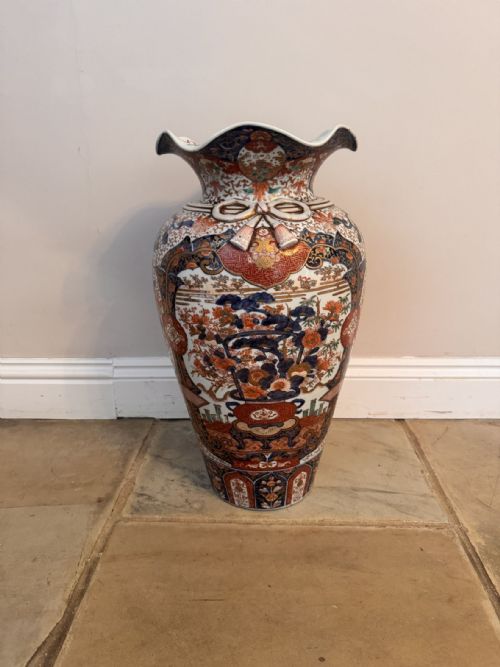
Surface ornamentation relies on enamel, enamel glaze, gold leaf and gilt detailing. Many nineteenth century examples incorporate rich polychrome palettes, notably the pinks of Famille Rose and the deep blues and rust reds characteristic of Japanese Imari work.
Oriental Floor Vase Jar Retail Price Guide 2026
Typical asking prices for oriental floor vase jar among the pieces listed under this phrase on Sellingantiques today, from the lower quarter to the upper quarter. They describe what is for sale here now, not the wider market.
Several towering palace jars reach heights exceeding four or even six feet, requiring careful navigation through standard doorways.
Assessing Quality
Quality rests upon the precision of the hand-painting and the depth of the glaze work. Finer specimens display intricate brushwork across large surfaces without loss of clarity or proportion.
The integration of gilt and gold leaf highlights distinguishes superior pieces from standard production. Monumental scale combined with crisp potting and controlled firing marks the highest tier of these eastern ceramic works.
Kinkozan
The Oriental Floor Vase Jar Glossary
- Imari
- A style of Japanese porcelain featuring a distinct palette of underglaze blue, iron red, and gilt. It gained immense popularity in Europe during the export periods.
- Satsuma
- A type of earthenware from Japan characterised by a crackle glaze and elaborate polychrome enamel designs often enhanced with gold. It dates prominently to the Meiji period.
- Famille Rose
- A major palette of Chinese ceramic glazes introduced in the eighteenth century, dominated by opaque pink or rose enamel. The term translates from French as rose family.
- Baluster
- A vase shape with a rounded body that tapers toward the base and swells near the lower middle section. It provides a stable architectural form for large decorative vessels.
- Palace Jar
- A large lidded ceramic vessel intended for grand interior display. These massive pieces often feature intricate hand-painted figural or floral motifs.
Oriental Floor Vase Jar: Frequently Asked Questions
How were oriental floor vases used?
These large vessels served primarily as grand decorative accents in substantial rooms, halls and stairwells. Their imposing height and elaborate painting marked them out as prestige objects within wealthy homes.
Pairs were frequently positioned symmetrically to frame doorways or focal points in a interior scheme. Lidded variants also functioned to hold dry aromatics or simply stood as sculptural statements.
How do I style a floor vase?
Place a monumental jar directly on the floor in an entrance hall, corner or wide corridor where it can be appreciated without obstruction. Because of their scale, they require breathing room around them to command the space effectively.
Keep surrounding furniture understated to let the painted surface details and rich glazes draw the eye. Avoid placing them in narrow walkways where they risk accidental contact.
How do I distinguish Chinese from Japanese pieces?
Chinese pieces often feature blue and white or Famille Rose palettes on dense porcelain bodies, reflecting Qing dynasty traditions. Japanese examples frequently include Satsuma earthenware with crackle glazes or Imari styles with iron red and gilt.
Examining the motifs and the texture of the clay body helps clarify the geographic origin. Japanese works from the Meiji period carry distinct stylistic signatures separate from Chinese export wares.
What does Meiji period mean?
The Meiji period refers to the era of Japanese history lasting from 1868 to 1912, marked by the modernization of the country and increased trade with the West. Ceramics produced during this time often catered to European and American export markets.
Pieces from this era, particularly Satsuma wares, display exceptional decorative detail and technical mastery. This period remains a key reference point for dating Japanese antiques.