


Large Indian Carpet
A large Indian carpet brings profound colour and grand scale to a room, drawing on centuries of weaving tradition from Amritsar and Agra.
Large Indian Carpet
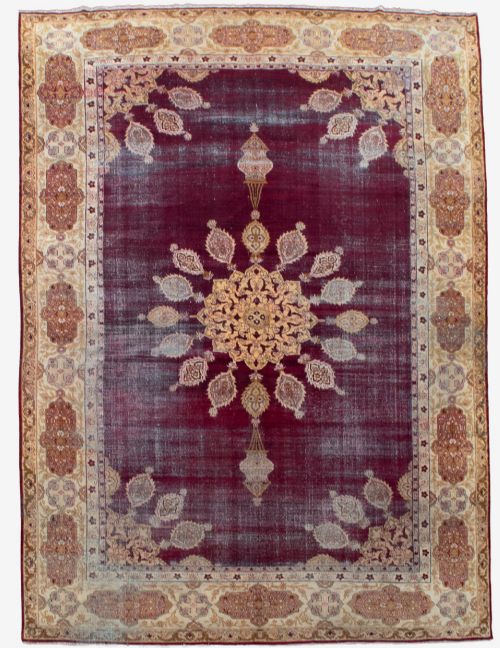
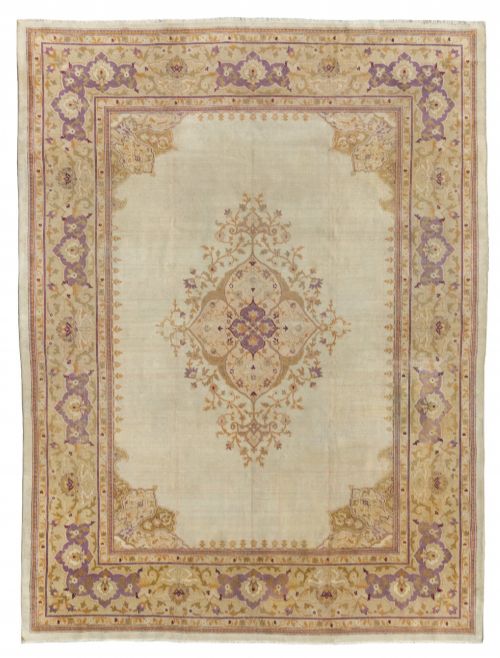
When you search for a large Indian carpet, you encounter substantial floor coverings that span from the eighteenth century into the twentieth century. These pieces primarily manifest as rugs and carpets originating from northern centres like Agra and Amritsar, alongside distinct fragments and traditional regional designs.
The selections available here reflect significant nineteenth-century production, notably from the eighteen-seventies and eighteen-eighties, alongside country house proportions. Buyers frequently find substantial dimensions suitable for grand spaces, often rooted in Mughal artistic heritage.
Mughal and traditional Indian styles dominate the selection, bringing intricate floral motifs and geometric arrangements to large area rugs and textiles. Crewelwork wall hangings also appear, demonstrating the diverse textile techniques preserved from these historical periods.
Materials and construction
These carpets rely upon a foundation of durable cotton warps and wefts, which provide structural stability for expansive floor coverings. Skilled artisans knotted thick wool pile onto these sturdy cotton foundations to create dense, tactile surfaces designed to withstand heavy use.
Natural dyeing techniques produced the rich colour palettes visible across Agra and Amritsar productions, utilising local plant and mineral sources. The meticulous hand-knotting process allowed weavers to execute complex Mughal motifs with remarkable precision across massive scales.
Several carpets recorded here measure over five metres long, easily swallowing up standard dining tables with yards of antique wool to spare.
Distinctions in quality
The finesse of a large Indian carpet depends significantly on knot density and the crispness of the drafted design. Finer knotting permits more intricate rendering of traditional floral and architectural motifs derived from Mughal aesthetics.
Material selection and dye saturation further separate exceptional pieces from standard examples, particularly in how evenly the wool holds its colour over generations. Preserved pile depth and structural integrity across large expanses dictate the enduring status of these floor coverings.
The Large Indian Carpet Glossary
- Amritsar
- A city in Punjab known for producing distinctive nineteenth-century carpets with soft palettes and detailed floral designs. Weavers there often drew inspiration from classic Persian patterns as well as local traditions.
- Agra
- A historic carpet-weaving centre in northern India associated with large-scale production during the nineteenth century. Agra carpets frequently feature robust wool and sophisticated interpretations of Mughal designs.
- Mughal
- An imperial artistic style from the Indian subcontinent characterised by naturalistic floral sprays, elaborate borders and symmetrical layouts. This aesthetic heavily influenced later nineteenth-century carpet production.
- Warp
- The stationary vertical threads stretched onto a loom that form the structural skeleton of a hand-knotted carpet. Cotton is the standard material used for these foundational threads.
- Weft
- The horizontal threads passed back and forth across the warp threads to secure the rows of knots in place. Together with the warp, they create the stable grid of the carpet base.
Large Indian Carpet: Frequently Asked Questions
How do I clean a large Indian carpet?
Professional specialist cleaning is essential for antique wool and cotton carpets to protect natural dyes and fragile foundations. Regular gentle vacuuming without a beater bar removes surface dust safely.
Avoid DIY chemical treatments or excessive water immersion, which can cause pile distortion or colour bleeding. Consult a conservator experienced in historic textiles for maintenance advice.
Where should I place a large Indian carpet?
These substantial floor coverings anchor drawing rooms, dining spaces and libraries, providing acoustic warmth and visual weight. Ensure the room has adequate ventilation and moderate humidity levels to protect the organic fibres.
Use a quality breathable rug underlay to prevent slipping and reduce friction between the cotton foundation and hard flooring. Position the piece away from direct, harsh sunlight to prevent gradual fading of the dyed wool.
How do I identify an Amritsar carpet?
Amritsar carpets typically date from the late nineteenth century and often employ a distinctive pastel or earthy palette combined with open field designs. Their knotting structure and regional wool characteristics distinguish them from contemporary Persian or Anatolian counterparts.
Examining the back of the carpet reveals the cotton warp and weft grid, while the pile exhibits the characteristic softness associated with northern Indian workshops.
What is a jail carpet?
Jail carpets refer to rugs produced within the Indian penal system during the British colonial period, where inmates were taught traditional weaving. These pieces often exhibit strict adherence to classic Mughal or Baluch designs with clean execution.
Despite their institutional origins, they are recognised today for their sturdy construction and reliable adherence to traditional colour harmonies and proportions.