


Indian Oriental Rug
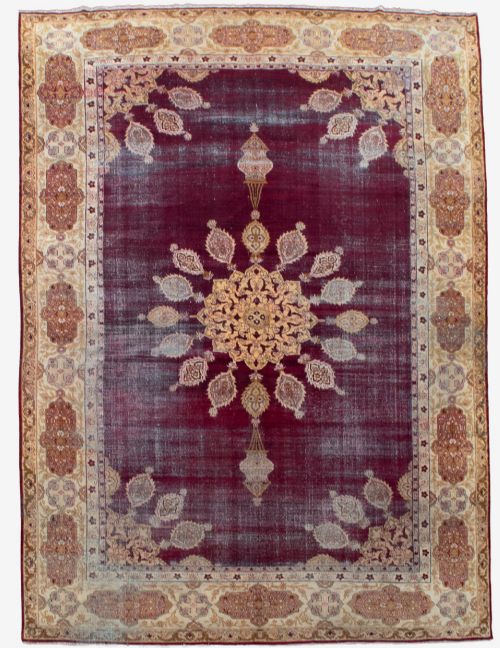
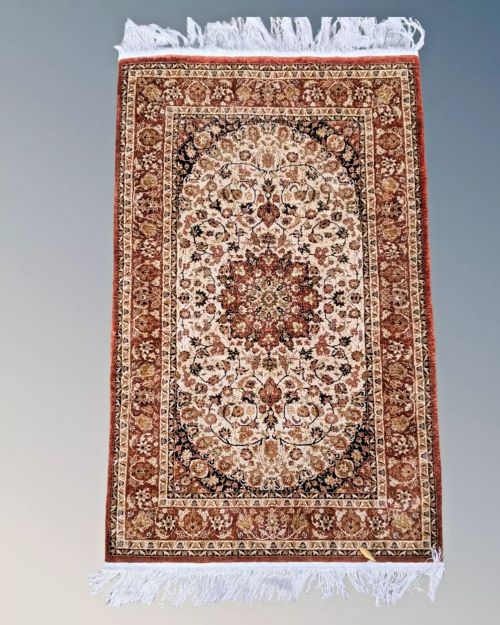
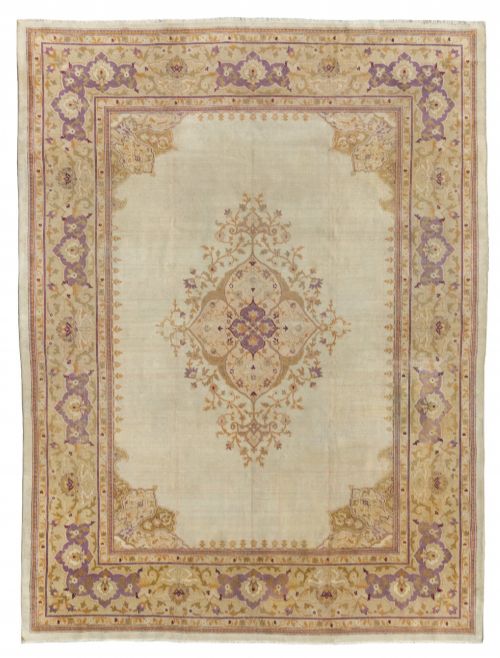
An indian oriental rug brings centuries of northern weaving tradition into a room, offering rich botanical patterns and grand room-sized formats.
Indian Oriental Rug
The periods represented span from the eighteenth century through the nineteenth and early twentieth centuries. Pieces categorized under Mughal, Amritsar, Agra, and Kashmiri styles dominate the selection available on this page.
Forms range from fragmentary historical remnants to expansive carpets measuring over five metres in length. Buyers frequently find traditional all-over designs, Kashan inspirations, and Jail Agra productions among these listings.
How They Were Made
Weavers utilised natural fibres including wool, cotton, and silk to construct these textiles. Foundation foundations typically employ cotton or wool threads to support the dense pile.
Specific regional techniques define the output, such as the fine knotting seen in Amritsar and Agra productions. Kashmiri examples incorporate specialised chain stitch embroidery methods across silk and wool grounds.
Listings span from the eighteenth century to 1930, featuring wool, cotton, and silk materials across Amritsar, Agra, and Kashmiri styles.
What Varies in Quality
The density of the weave and the precision of the botanical or geometric motifs dictate the standing of a carpet. Finer knot counts allow for sharper curvilinear details in Mughal and Kashmiri designs.
The depth and preservation of the dyed wool or silk influence the visual impact. Richness in the palette and structural integrity across large formats separate standard examples from exceptional ones.
The Indian Oriental Rug Glossary
- Agra carpet
- A woven floor covering produced in the northern city of Agra during the nineteenth century. These pieces often feature large-scale traditional patterns.
- Amritsar
- A northern Indian production centre known for room-sized carpets dating from the late nineteenth century. They frequently utilise soft wool palettes.
- Chain stitch
- An embroidery technique used in Kashmiri rugs to create textured surface designs. It is worked with a hook or needle on a fabric ground.
- Mughal
- A classical design style influenced by imperial court traditions of northern India. Surviving fragments and later revivals show intricate floral motifs.
- Kashmiri
- Pertaining to rugs and carpets originating from Kashmir, often noted for silk materials. They encompass both pile carpets and embroidered chain stitch varieties.
Indian Oriental Rug: Frequently Asked Questions
What is an Agra carpet?
An Agra carpet originates from nineteenth-century northern workshops, often characterised by grand proportions and traditional motifs. These floor coverings were produced in substantial sizes suitable for large rooms.
Makers in Agra drew upon historical court designs, resulting in dense wool pile structures that define this regional group.
How old are these rugs?
The pieces span from the eighteenth century through the nineteenth and early twentieth centuries. Dates are indicated by the stylistic elements and period attributions of each listing.
Nineteenth-century examples from Amritsar and Agra form the majority of the available large carpets.
Where were they made?
Production centred on northern Indian workshops and regions including Amritsar, Agra, and Kashmir. Each area contributed distinct aesthetic traditions and material choices.
Kashmiri makers focused on silk and chain stitch techniques, while Amritsar and Agra workshops specialised in large wool carpets.
Are silk rugs available?
Silk appears in specific Kashmiri pieces, including delicate chain stitch rugs and finely woven carpets. These examples contrast with the heavier wool-pile carpets from other northern centres.
Silk introduces a distinct sheen and allows for precise execution of intricate botanical patterns.
How do I care for a large carpet?
Large room-sized carpets require professional cleaning suitable for antique textiles and natural fibres. Regular gentle vacuuming without rotating brushes helps maintain the wool or silk pile.
Placing carpets away from direct sunlight preserves the rich natural dyes used in nineteenth-century northern Indian production.