



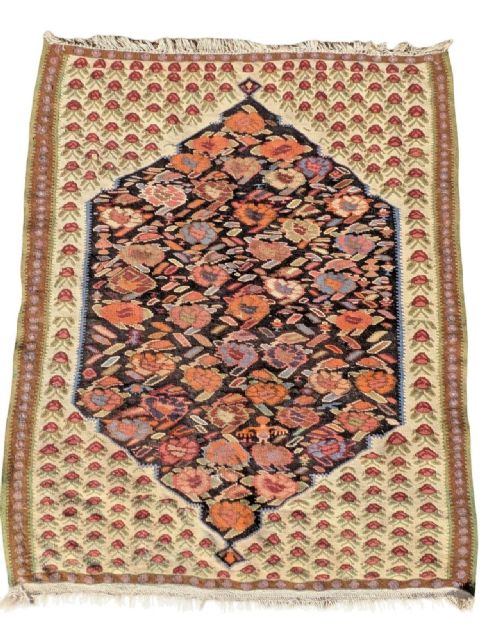
Floral Oriental Carpet
A floral oriental carpet brings centuries of woven artistry into a room, offering rich patterns and traditional craftsmanship.
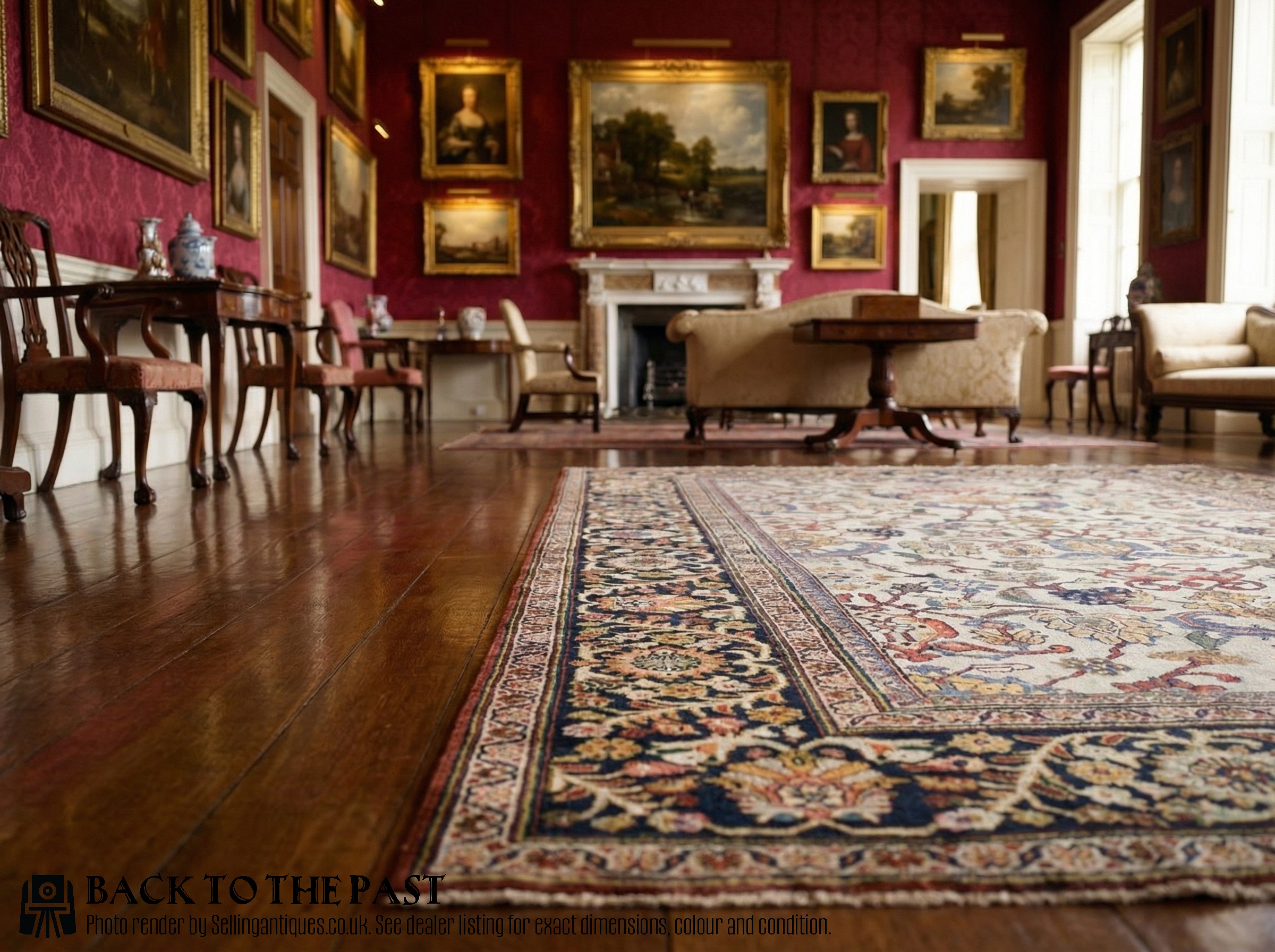
Floral Oriental Carpet
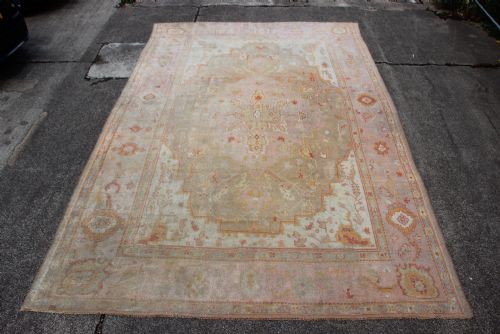
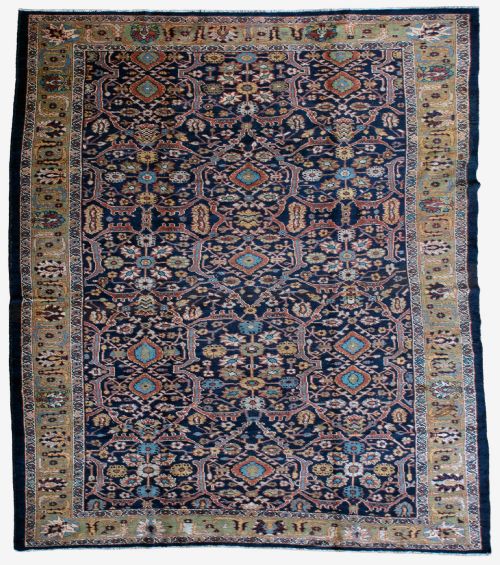
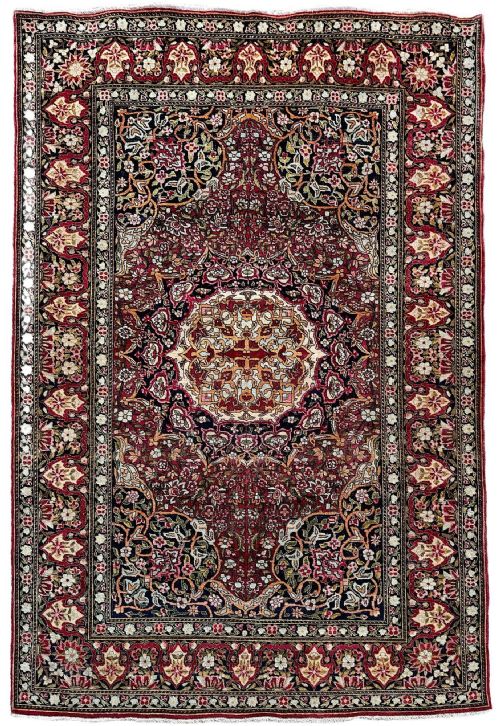
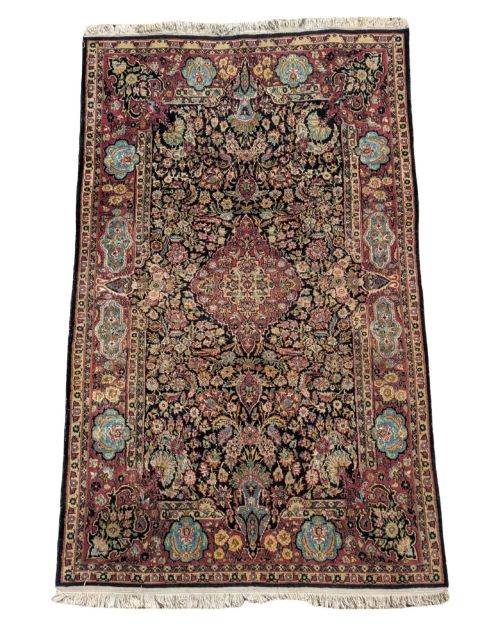
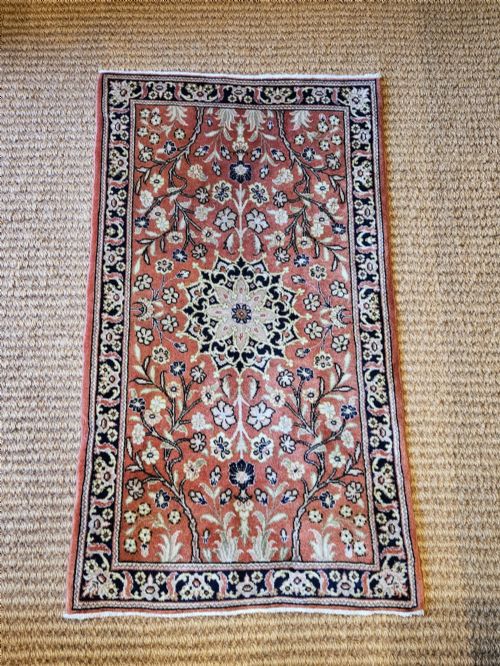
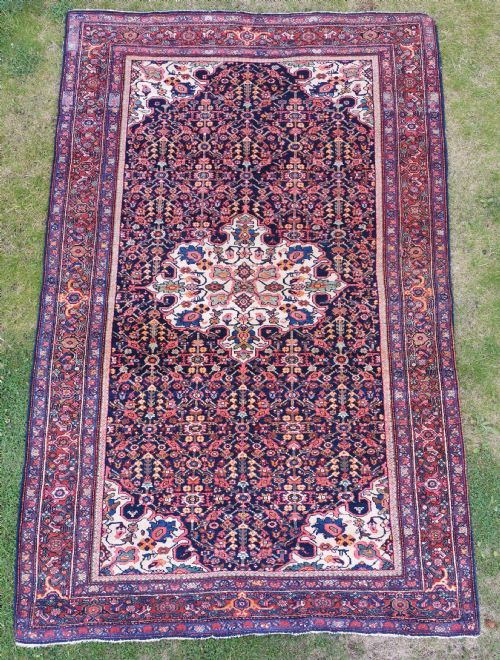
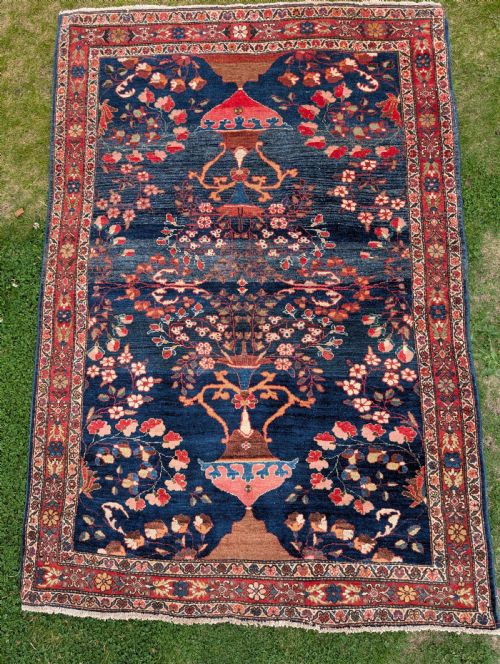
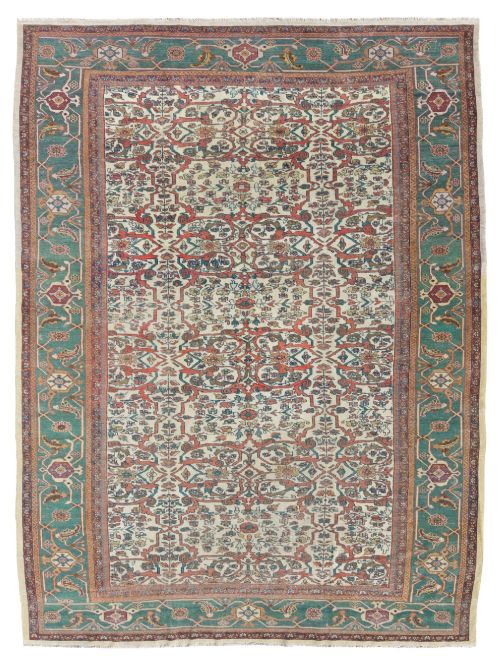
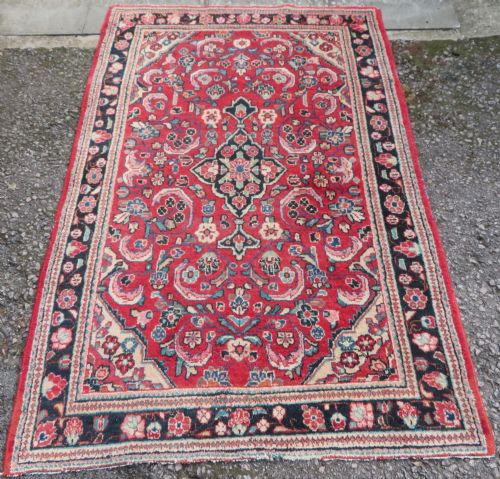
A floral oriental carpet is a hand-knotted or woven textile featuring botanical motifs, medallions, and vines originating from historic weaving centres across Persia, the Caucasus, and the Ottoman Empire. When searching for a floral oriental carpet, buyers encounter a diverse selection of room-sized carpets, runners, and hearth rugs dating from the mid-nineteenth century through the early twentieth century.
The most common examples on this page are Persian and Caucasian room-sized carpets and smaller rugs, attributed to specific regional traditions such as Mahal, Heriz, Tabriz, Bakhtiar, and Oushak. These pieces span production years from the eighteen-fifties to the nineteen-thirties, reflecting traditional village and workshop designs.
Buyers select these textiles to anchor living spaces, dining rooms, and hallways with authentic period character and enduring floor coverings. Each piece demonstrates regional design vocabularies handed down through generations of weavers.
Materials and construction
These carpets and rugs are constructed using natural materials, predominantly wool for the pile and cotton for the foundations, occasionally incorporating silk highlights or entirely silk formats. Hand-knotting techniques secure the pile to the warp and weft threads, creating a dense and durable surface designed for heavy domestic use.
Dyes derived from natural sources provide the deep reds, blues, and earthy tones characteristic of nineteenth and early twentieth-century production. Weavers utilised upright looms to tie individual knots by hand, ensuring each carpet possesses a distinct structural integrity.
Floral Oriental Carpet Retail Price Guide 2026
Typical asking prices for floral oriental carpet among the pieces listed under this phrase on Sellingantiques today, from the lower quarter to the upper quarter. They describe what is for sale here now, not the wider market.
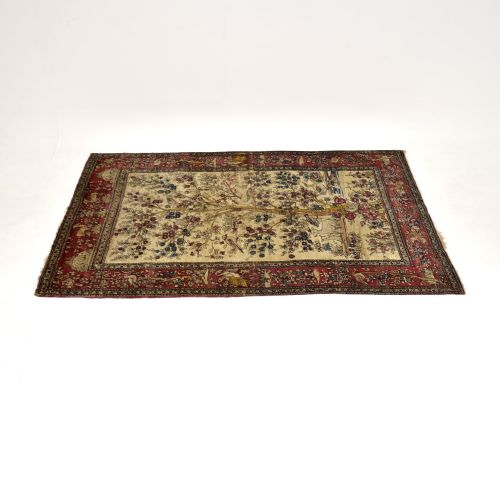
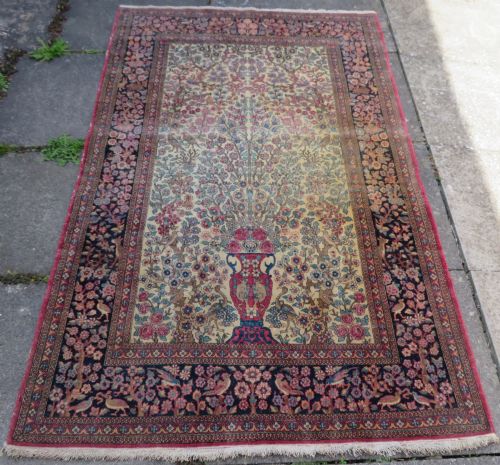
Tree of life designs invite wandering eyes to trace every branch straight down to the roots.
Assessing quality and execution
Knot density and precision of drawing separate fine workshop productions from simpler village or tribal examples. Higher knot counts allow for intricate, curving floral details and sharply defined medallions to emerge clearly across the field of the carpet.
The choice of materials also dictates the grade of the textile, with lustrous wool qualities and occasional silk highlights denoting superior production standards. Furthermore, the harmonious balance of natural dye colours and the integrity of the original borders define the overall success of the piece.
The Floral Oriental Carpet Glossary
- Kelleh
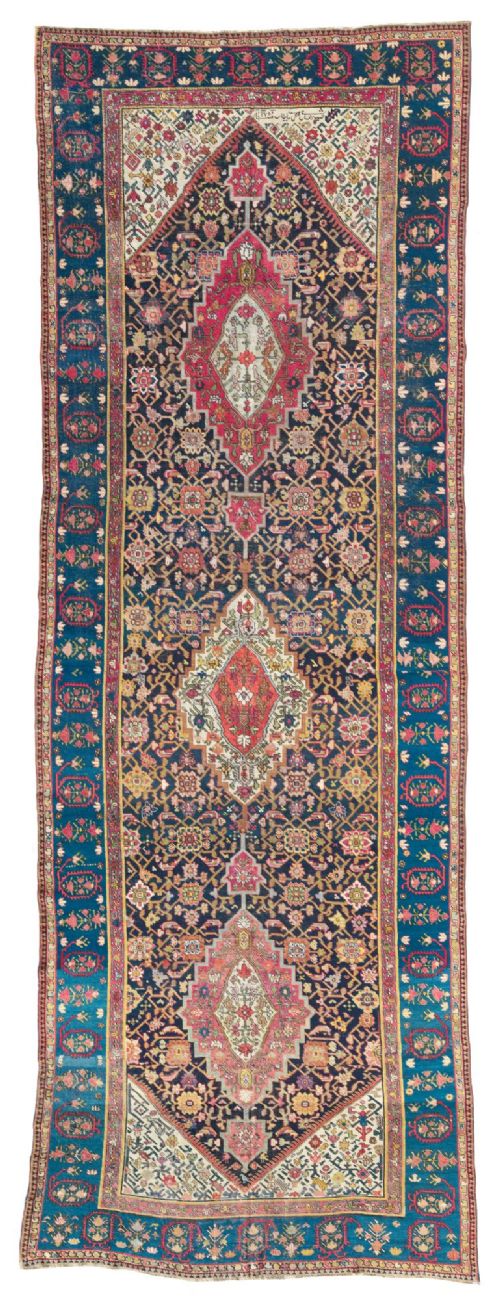
- A long, narrow format carpet traditionally proportioned for the side or centre of a large room. This format is frequently encountered in nineteenth-century Caucasian and Persian production.
- Kilim
- A flat-woven textile produced without a pile, often utilised as a rug or lightweight carpet. These pieces rely on interlocking warp and weft threads to form geometric and floral patterns.
- Medallion
- A central ornamental design motif placed in the middle of the carpet field. It serves as the primary focal point around which floral sprays and corner spandrels are arranged.
- Prayer Rug
- A small rug featuring a distinct mihrab or arch design at one end, traditionally used for individual prayer. Dagestan and other regional weavers produced these with detailed floral lattice patterns.
- Warp
- The stationary vertical threads stretched across the loom upon which the knots are tied. The exposed ends of these threads often form the fringe at either end of the carpet.
Floral Oriental Carpet: Frequently Asked Questions
How do I clean an antique carpet?
Gentle surface vacuuming without a beater bar removes loose dirt from the wool pile safely.
Professional specialist washing is recommended for deeper cleaning to protect the natural dyes and cotton foundations.
Where were these carpets made?
Production centres span traditional weaving regions including Persia, the Caucasus, and parts of the Ottoman Empire.
Specific towns and districts such as Tabriz, Heriz, Saroukh, and Oushak developed distinct local styles and knotting techniques.
Can I use these rugs in high traffic areas?
Traditional room-sized carpets and runners in wool are remarkably durable and withstand everyday domestic use.
Placing a quality underlay beneath the carpet prevents slipping and reduces friction against the floorboards.
How do I date an antique carpet?
Dating relies on stylistic analysis of the border designs, colour palettes, and structural characteristics.
Comparative study of regional weaving traditions and materials helps narrow the period of manufacture to specific decades.