







Hand Woven Oriental Rug
These hand woven oriental rug pieces bring rich Persian, Caucasian, Turkish, and Chinese history into modern rooms through authentic wool and cotton textile artistry.
Hand Woven Oriental Rug
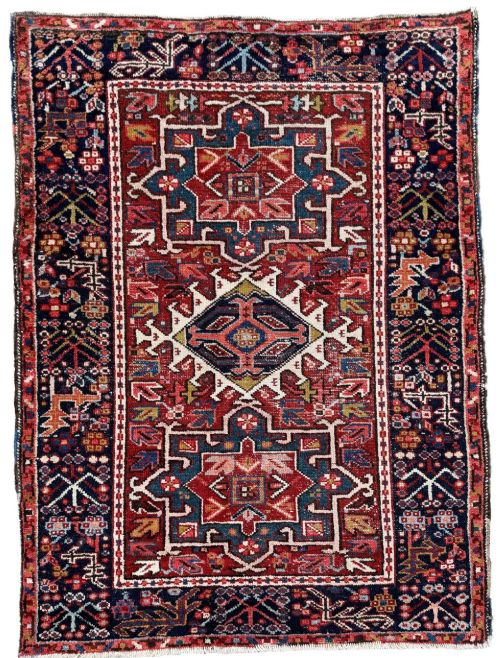
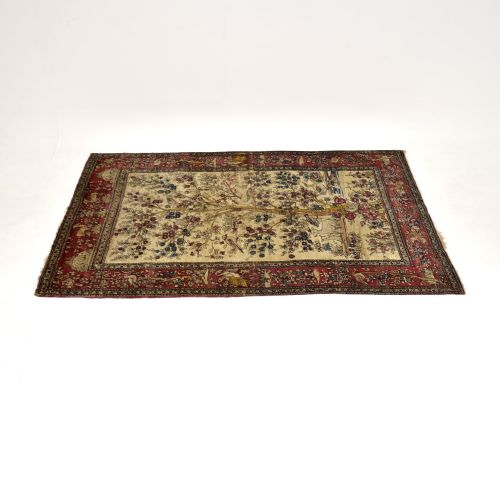
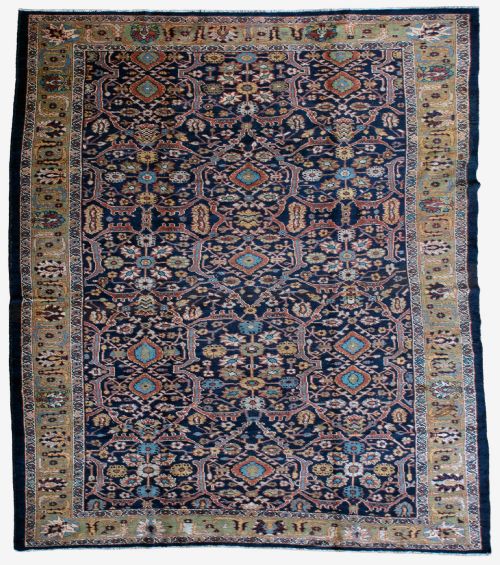
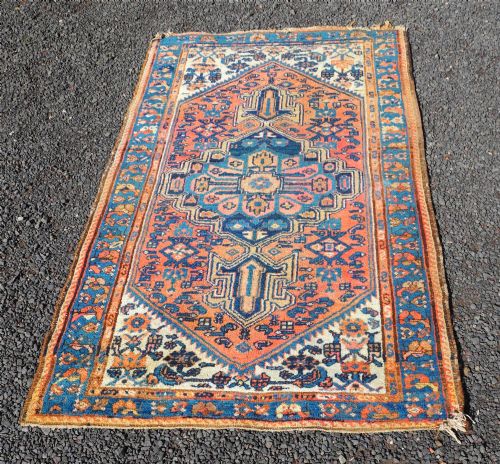
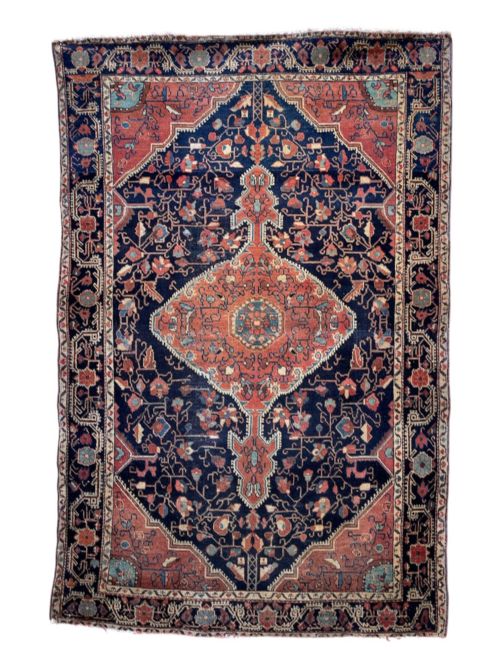
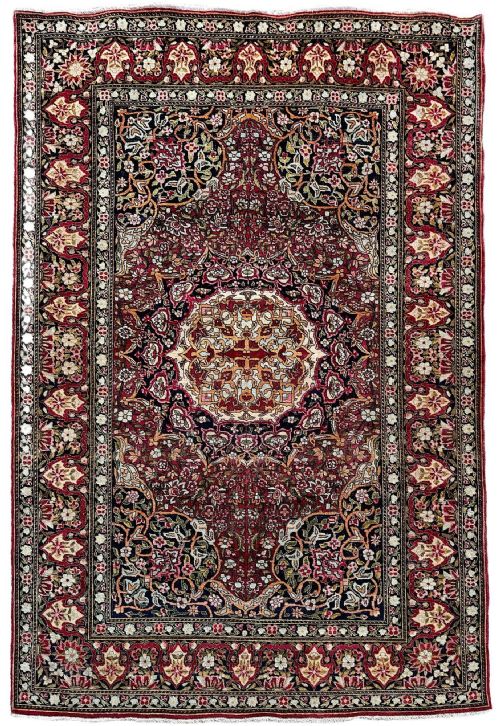
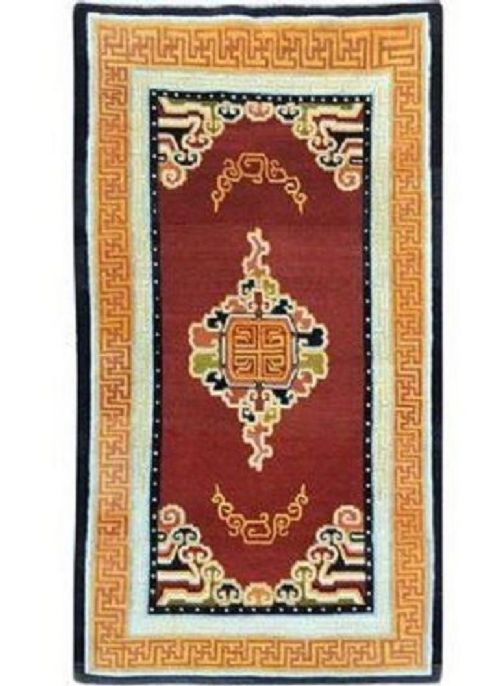
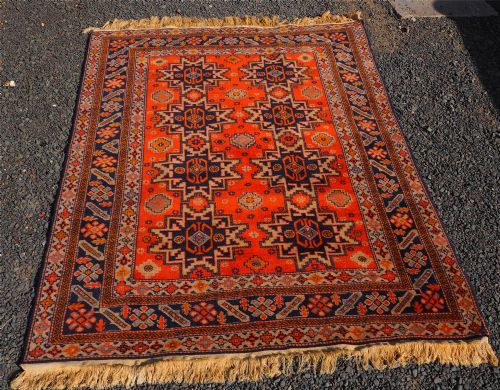
A hand woven oriental rug encompasses knotted and woven floor coverings originating from traditional weaving centres across Persia, Anatolia, the Caucasus, China, and Central Asia. When you search for a hand woven oriental rug, you encounter floor pieces and saddlebags produced across the nineteenth and early twentieth centuries.
The pieces listed here span specific regional types including Heriz, Tabriz, Sarouk, Kashan, Kurdish, Abadeh, Qashqai, Caucasian, Hamadan, Bakhtiari, Chinese Peking, Tekke Bokhara, and Milas styles. You meet everything from small compact rugs and runners to room-sized carpets dating from the nineteen-hundreds through to the nineteen-thirties.
Village and tribal workshops produce distinct asymmetrical designs that contrast with the formal medallion layouts of city pieces. These textiles function as durable floor coverings and decorative wall hangings that anchor domestic interiors with historical character.
Materials and Construction
Makers construct each hand woven oriental rug using natural sheep wool for the pile and foundation, often paired with cotton for warps and wefts. Weavers knot or weave these staple fibres by hand on vertical and horizontal looms, building complex geometric or floral compositions knot by knot.
The surviving examples rely on natural and early synthetic dyes applied to hand-spun wool, yielding deep reds, blues, and earth tones that settle gracefully over decades of use. Edges are typically finished with overcast selvedges while ends secure with flatwoven fringes.
Hand Woven Oriental Rug Retail Price Guide 2026
Typical asking prices for hand woven oriental rug among the pieces listed under this phrase on Sellingantiques today, from the lower quarter to the upper quarter. They describe what is for sale here now, not the wider market.
Listings feature wool and cotton materials across Persian, Anatolian, Caucasian, and Chinese traditions.
Factors of Quality
Quality rests in the density of the knotting and the stability of the wool foundation, which dictates how flat the rug lies and how well the pile resists daily wear. Tighter knots allow finer delineation of curves in floral Tabriz or Kashan designs compared to coarser tribal village weaves.
Artistic execution and dye consistency separate standard utility pieces from exceptional village and city carpets. The integration of balanced borders, clear iconography, and resilient natural wool determines the standing of each textile.
The Hand Woven Oriental Rug Glossary
- Warp
- The vertical threads stretched on a loom that form the structural skeleton of a woven rug. Fringe ends typically emerge directly from these foundational cords.
- Weft
- The horizontal threads passed alternately over and under warp threads to bind the knots in place. This element secures the row-by-row structure of the textile.
- Pile
- The vertical or diagonal surface of cut or looped wool yarn that forms the soft upper layer of a rug. The density and height of this layer dictate the handfeel.
- Selvedge
- The side finished edge of a rug where the weft threads turn back to prevent fraying. Strong binding here protects the structural integrity of the outer borders.
- Khorgeen
- A traditional double saddlebag woven for transport use before being separated into individual decorative items. These pieces feature dense utilitarian knotting.
Hand Woven Oriental Rug: Frequently Asked Questions
How do I clean an antique rug?
Gentle surface vacuuming without the rotating beater bar removes embedded dust and protects the delicate wool pile. Professional specialist cleaning remains essential for deep washing to preserve ancient natural dyes.
Avoid harsh chemical detergents and domestic steam cleaning machines, which weaken natural fibres and cause colour bleed. Proper drying prevents mildew within the cotton and wool foundation.
Where should I place these rugs?
These textiles suit low-to-medium traffic living spaces, studies, and bedrooms where foot traffic allows the wool pile to age gracefully. Using a breathable underlay prevents slipping and cushions the foundation against hard flooring.
Keep older carpets away from direct, continuous sunlight to prevent fading of natural dye colours. Rotating the piece every six months ensures even wear across the surface.
How are different regional styles identified?
Regional attribution relies on specific combinations of border motifs, medallion geometry, palette choices, and weave density. Persian Heriz pieces display bold geometric medallions, whereas Kashan and Tabriz designs favour intricate curved floral sprays.
Tribal and village workshops such as Kurdish, Qashqai, and Bakhtiari items utilise more spontaneous, stylized animal and plant motifs. Examining the back of the rug reveals knot types and structural materials unique to specific origins.
What is the difference between a rug and a carpet?
The distinction rests primarily in the physical scale and intended architectural placement of the textile. Carpets generally denote larger floor coverings designed to anchor entire rooms.
Smaller formats described as rugs or runners fit narrower hallways, hearth spaces, or accent areas. Both categories share identical hand-weaving techniques and material compositions.