


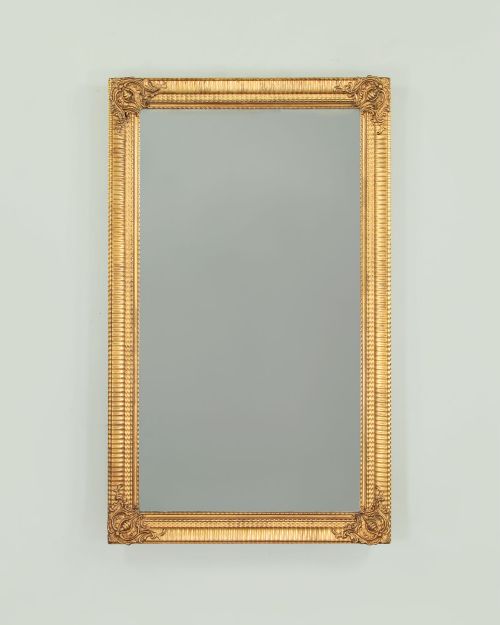
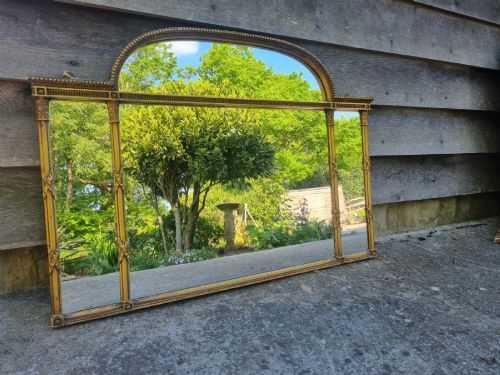
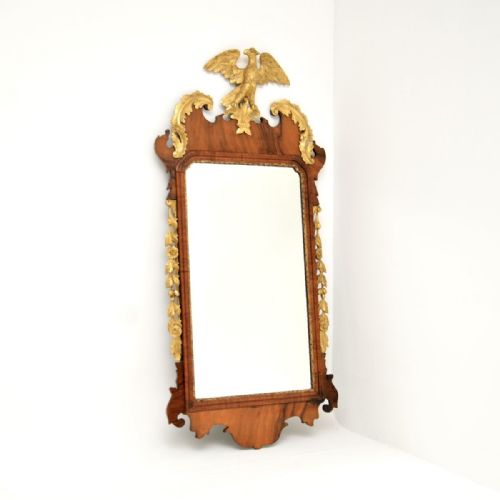
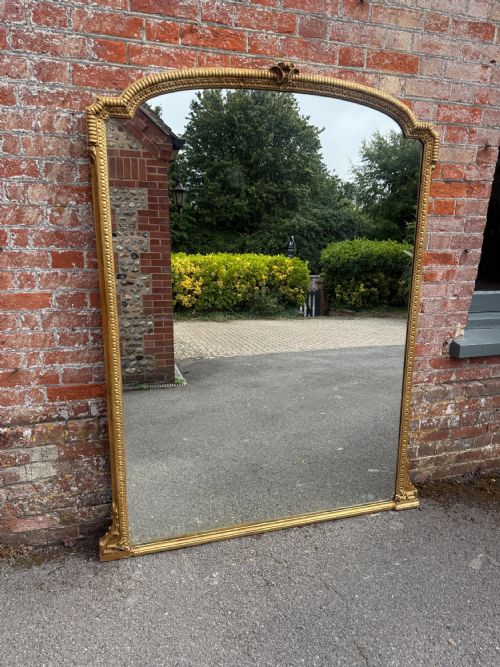
Large Gilded Wall Glass
A large gilded wall glass brings immediate depth and light to a room, functioning as both a decorative focal point and a historical artefact.
Large Gilded Wall Glass
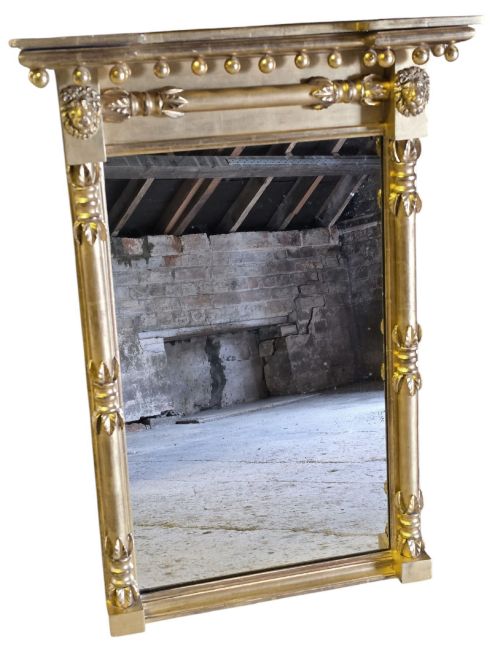
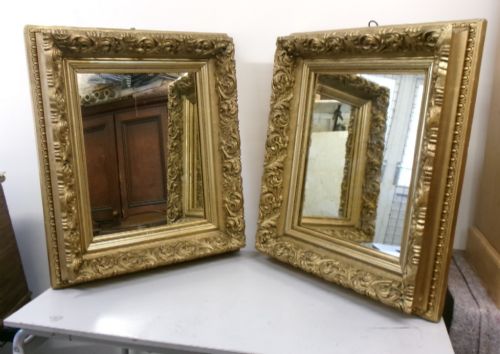
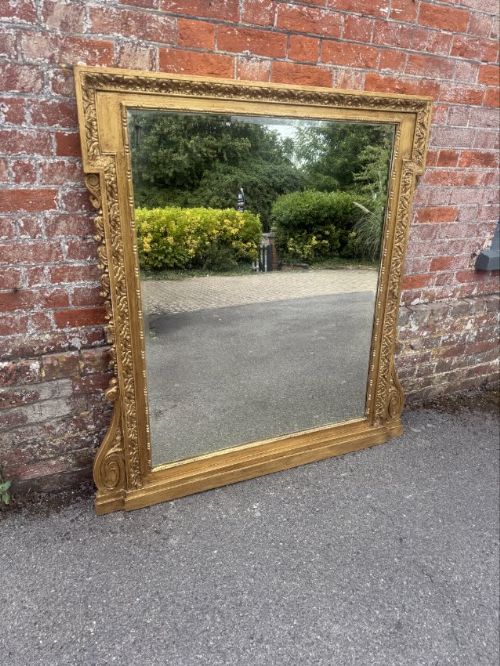
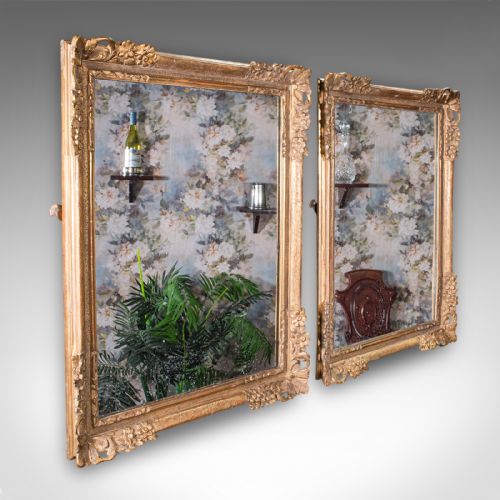
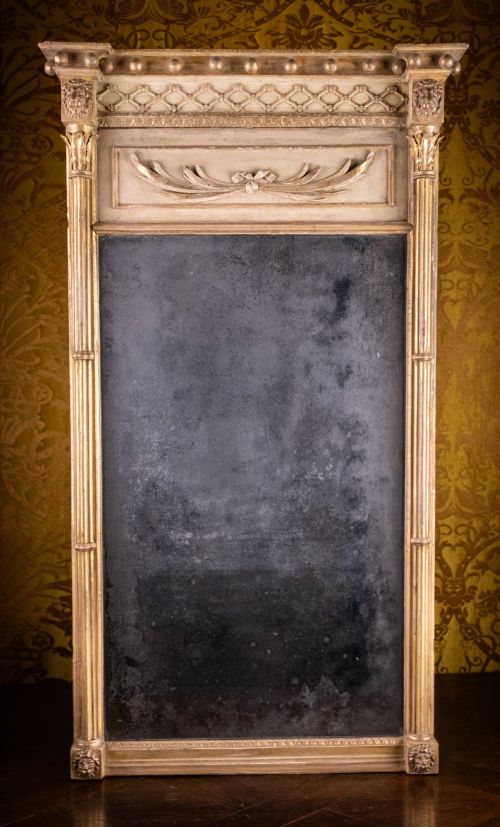
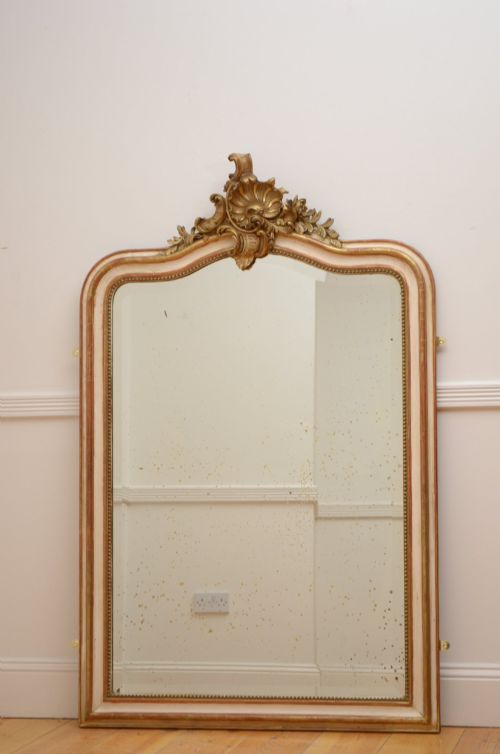
When you search for large gilded wall glass, you encounter substantial looking glasses designed to hang on prominent interior walls or sit above fireplaces. Overmantle mirrors dominate the selection, spanning periods from the eighteenth century through the nineteenth century with styles including Regency, Georgian, and French Rococo. These pieces frequently measure large in scale, serving to amplify natural daylight in formal reception rooms.
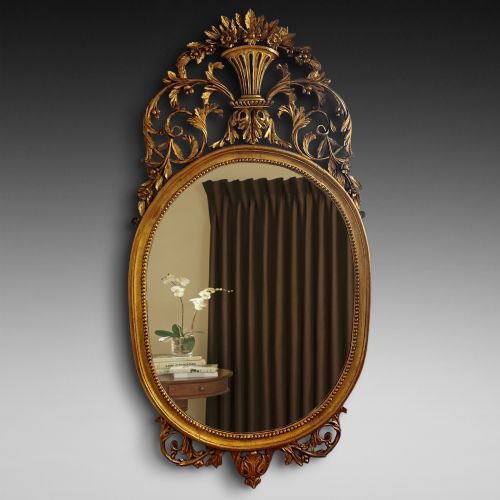
Beyond standard overmantle designs, the selection includes tall pier mirrors, framed wall lights, and oval border glass mirrors featuring decorative urns and swags. English and French origins appear frequently among the listings, encompassing Victorian interpretations alongside Napoleon III and Italian works. Certain examples incorporate specific architectural elements such as arched tops, shaped frames, or flanking lion masks.
Materials and construction methods
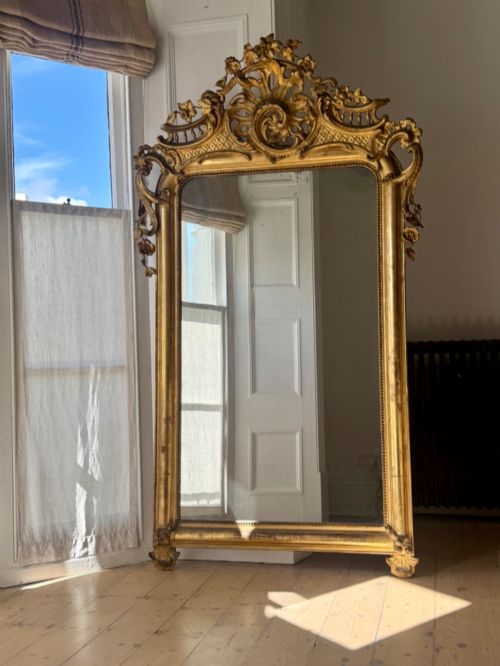
Makers constructed the structural frames primarily from carved wood, applying layers of gesso to build up intricate surface ornamentation before applying gold leaf or paint. Composition material also appears on decorative mouldings, allowing workshops to achieve elaborate relief details like acanthus leaves and swags with greater efficiency.
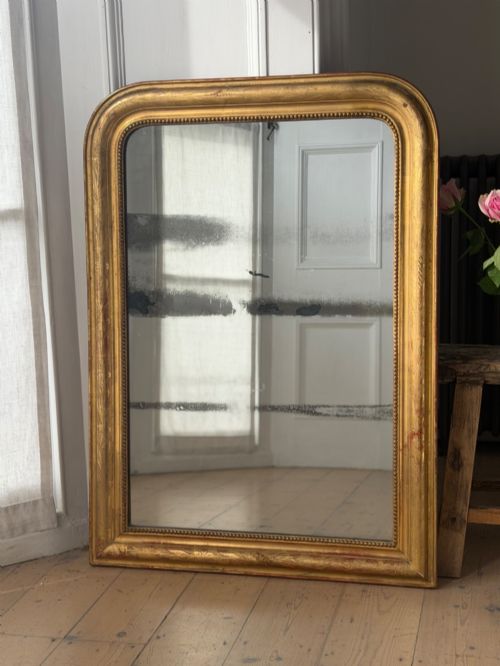
Reflective surfaces utilise traditional mirror glass, often incorporating original plates or mercury glass displaying characteristic foxing and age spots. Certain French and English items feature bevelled edges or specialised decorative panels, while older plates demonstrate the subtle distortions typical of historical glass production.
Materials recorded across the inventory include traditional giltwood, gesso, composition mouldings, mercury glass, and parcel-gilt mahogany.
Variations in quality and execution
The standard of carving and the crispness of the gesso work dictate much of the visual merit in these looking glasses. Superior examples display deeply undercut wooden foliage and hand-applied gold leaf that catches the light differently than modern metallic paints.
The preservation of the original mirror plate heavily influences the character of a piece. Plates retaining their historic silvering, light foxing, or original mercury backing hold greater authenticity compared to modern replacement glass.
The Large Gilded Wall Glass Glossary
- Giltwood
- Wood that has been covered with a thin layer of gold leaf. This technique provides a durable and luminous finish characteristic of formal antique mirrors.
- Gesso
- A plaster-like mixture applied to wooden frames as a base for gilding and relief moulding. It allows craftsmen to carve intricate decorative details smoothly.
- Overmantle mirror
- A large horizontal mirror designed specifically to hang on the wall directly above a fireplace mantelpiece. These pieces often anchor the decorative scheme of a historic drawing room.
- Mercury glass
- A type of silvered glass produced by pouring a liquid mercury amalgam between double-walled blown glass. Historic examples develop characteristic dark spots known as foxing over time.
- Trumeau mirror
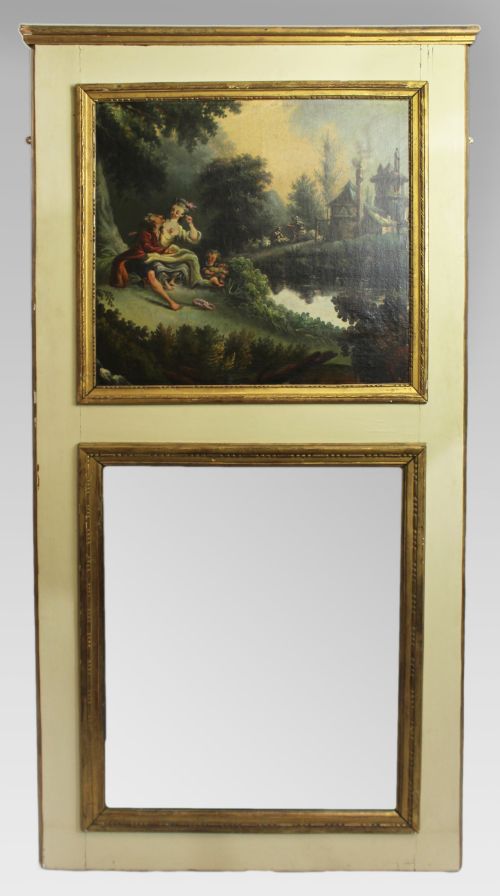
- A decorative wall mirror that incorporates an oil painting or panel within the upper section of the wooden frame. Originating in France, these pieces combine art and reflection into a single fixture.
Large Gilded Wall Glass: Frequently Asked Questions
How do I hang a heavy overmantle mirror safely?
Large gilded looking glasses carry significant weight due to their dense wooden frames and thick glass plates. Secure the piece directly into wall studs using heavy-duty brackets or a French cleat system designed to support substantial loads.
Consult a professional installer if the wall construction consists of lath and plaster or masonry. Distributing the weight evenly prevents the frame from warping and protects the historical integrity of the structure.
What causes foxing on antique mirror glass?
Foxing appears as small dark spots, cloudiness, or mottled patches across the reflective surface of older looking glasses. This chemical reaction occurs when atmospheric moisture seeps behind the glass and interacts with the silvering or mercury backing over decades.
Collectors generally view light foxing as a desirable sign of age and authenticity rather than a defect. It confirms that the glass plate is period-original to the frame.
How should I clean a gilded antique frame?
Dust the carved gesso and gold leaf surfaces gently using a soft, dry artist brush or ostrich feather duster. Avoid applying commercial cleaning sprays, water, or abrasive cloths directly onto the gilded areas, as moisture lifts historical leafing.
If the glass plate requires cleaning, apply a small amount of mild glass cleaner to a microfibre cloth rather than spraying the mirror directly. This prevents liquid from seeping behind the frame edges and damaging the backing.
What is the difference between an overmantle and a pier mirror?
Overmantle mirrors feature a wide, horizontal format built to span the generous width of a fireplace surround. Their proportions balance the heavy masonry of period hearths and reflect light across the main seating area of a room.
Pier mirrors utilise a tall, vertical orientation tailored for narrow wall spaces between architectural openings or windows. They often stand above small console tables to create a vertical sense of scale in formal hallways and reception rooms.