
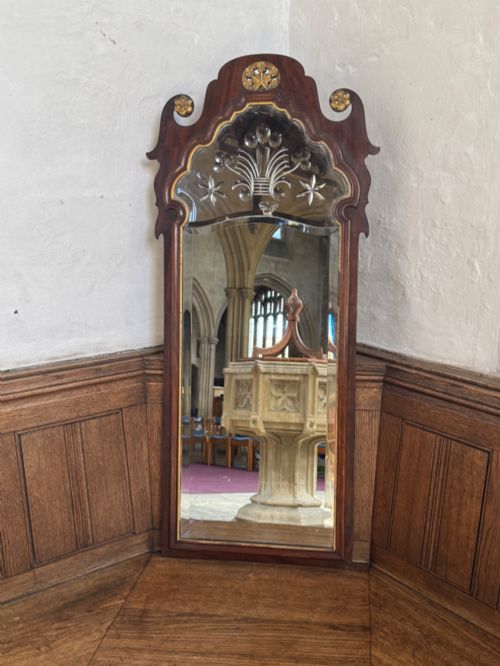
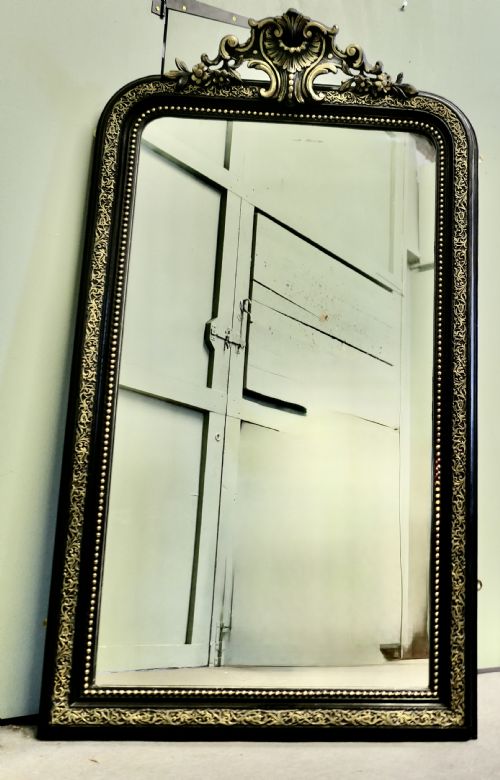
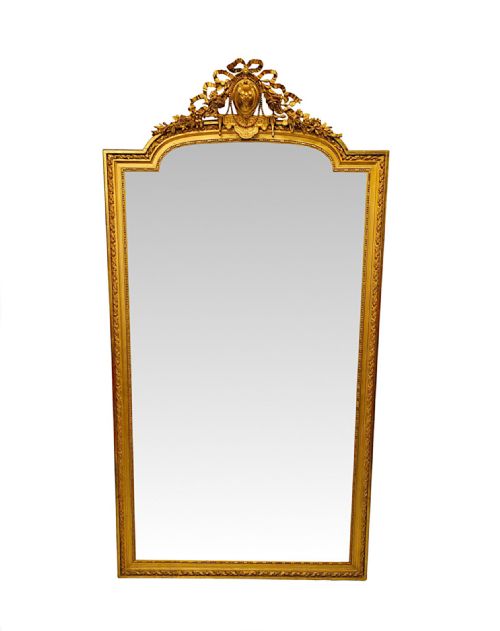
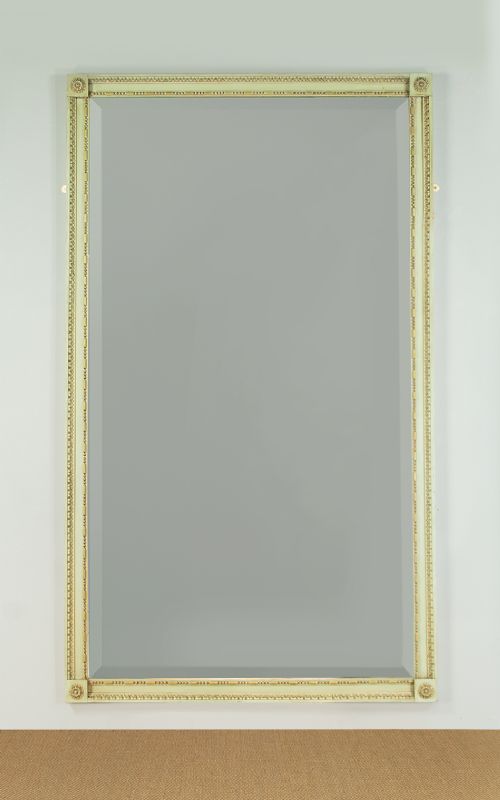
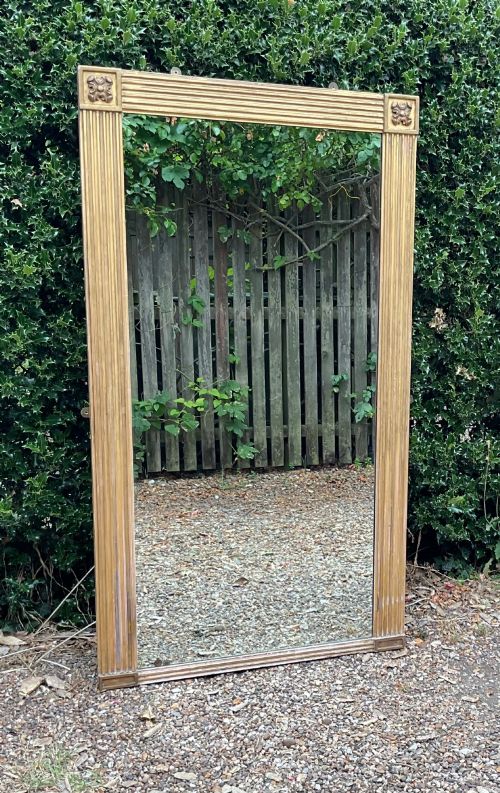
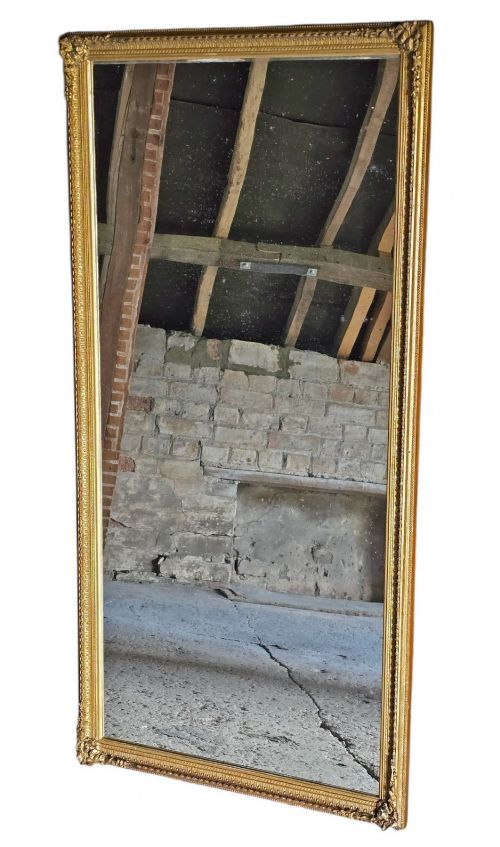
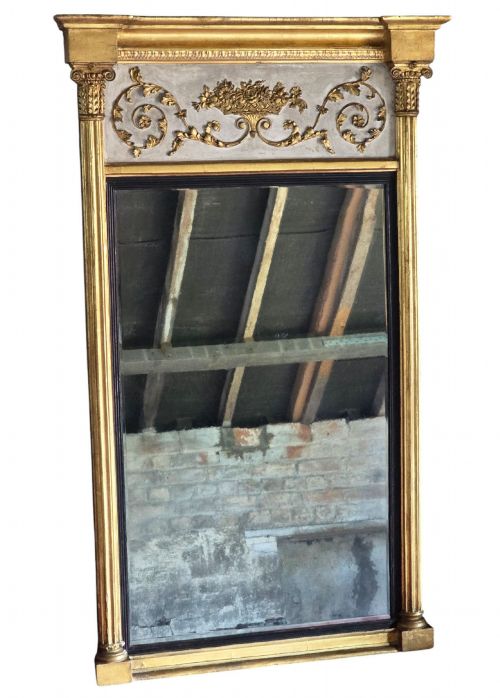
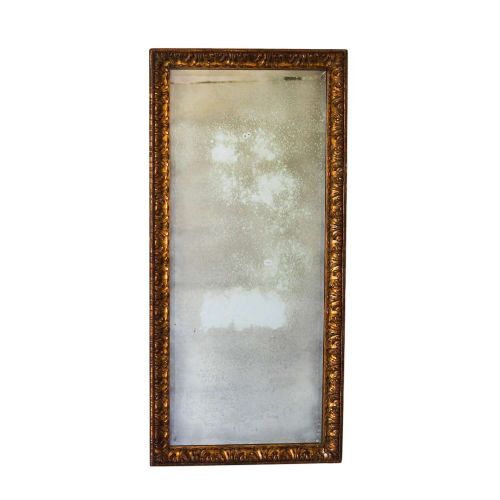
Tall Gilt Wall Mirror
A tall gilt wall mirror brings vertical light and presence to a room, commanding attention with its gilded frame and soaring proportions.
Tall Gilt Wall Mirror
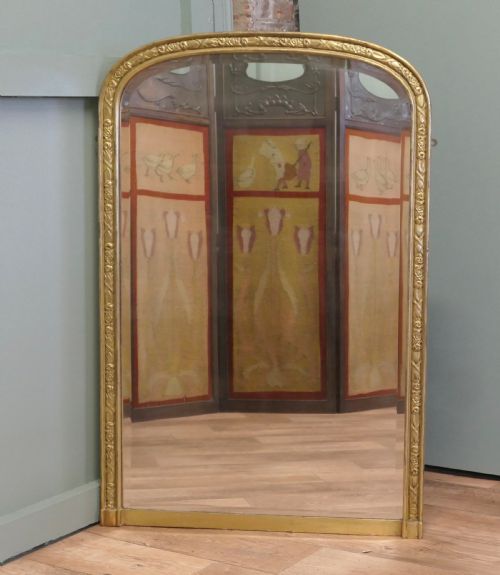
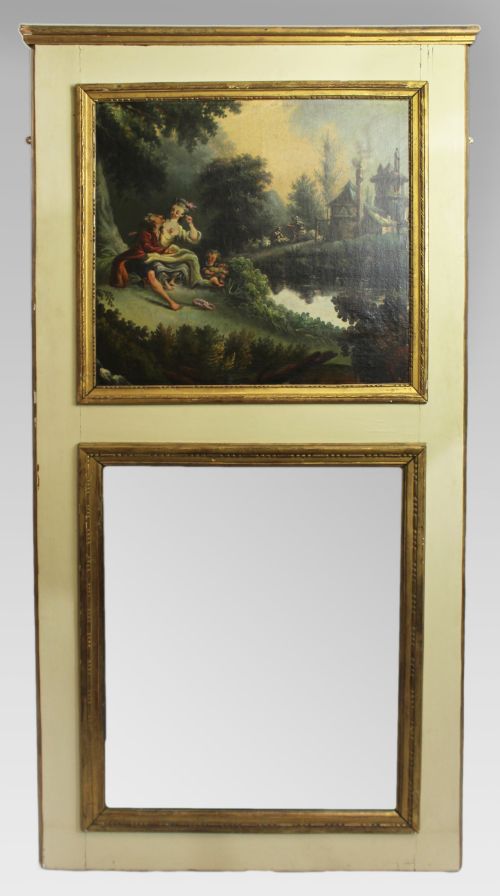
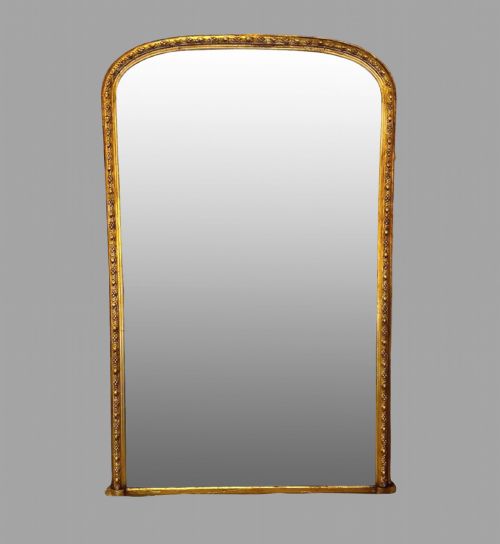
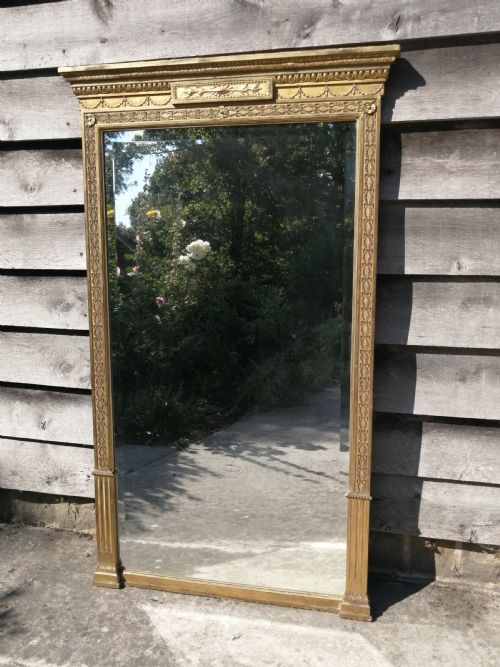
The version you are most likely to meet on this page is a nineteenth-century French example, particularly in the Louis Philippe style or finished as a trumeau with an integrated panel or painting. English Regency and Georgian pier mirrors also appear frequently, alongside Victorian and Edwardian interpretations.
These vertical looking glasses serve functional and decorative roles across domestic interiors, historically placed above mantelpieces or between tall drawing room windows. Their imposing heights, often exceeding one hundred and fifty centimetres, create an immediate sense of scale and architectural depth.
How they were made
Makers constructed the primary support frames from timber such as wood, walnut, or painted wood, applying layers of gesso to build up intricate surface details. Artisans then gilded these prepared grounds using gold leaf, silver gilt, or liquid gold finishes.
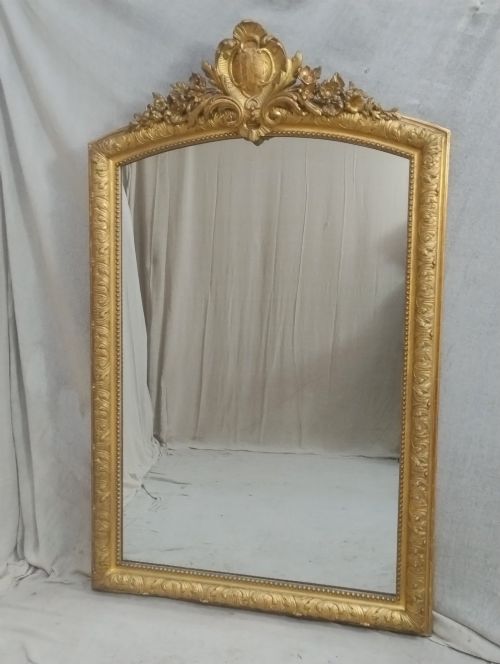
Mirrors incorporated glass plates secured into the rebates, utilising original mirror glass, mercury glass, or bevelled plates. Carved elements like rope moulding, classical columns, and ornate crests relied on traditional woodworking and plasterwork techniques.
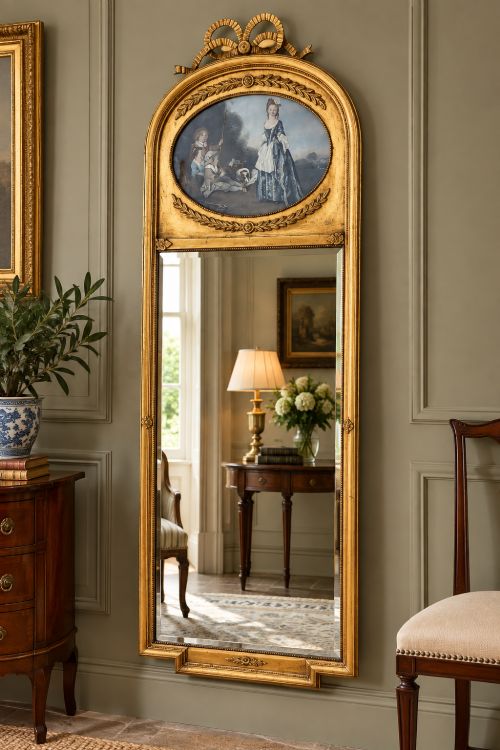
Some nineteenth-century mirrors hide pastoral oil paintings above the glass, serving simultaneously as fine art and functional looking glasses.
What varies in quality
The refinement of the carved ornament distinguishes finer examples, where crisp relief work on the gesso and wood demonstrates superior hand skill. Heavy, solid timber construction provides structural integrity that lighter, massed compositions lack over centuries of hanging.
The preservation of the original glass plate heavily influences character, with authentic mercury backing or early bevelled edges offering distinct optical qualities compared to later replacements. Intricate details such as parcel gilt highlights, reverse cut plates, and untouched original gilding elevate individual pieces.
John Belchier
The Tall Gilt Wall Mirror Glossary
- Giltwood
- Wood that has been coated with thin sheets of gold leaf or powder over a prepared gesso ground. This technique creates a luminous metallic surface characteristic of period frames.
- Gesso
- A plaster mixture applied to wooden frames as a smooth base for gilding and carving. It allows artisans to mould delicate three-dimensional motifs.
- Pier Mirror
- A tall looking glass traditionally hung on the narrow wall space between two windows. Their vertical proportions were designed to maximise reflected light in dark Georgian and Victorian rooms.
- Trumeau
- A decorative wall mirror featuring an upper panel painted with pastoral scenes or fitted with a decorative oil painting. These French decorative panels combine artwork and glass into a single architectural unit.
- Mercury Glass
- An antique glass type produced by pouring a silvering mixture of mercury and tin behind a double-walled blown glass globe before cutting. It yields a characteristic cloudy, dark reflection.
Tall Gilt Wall Mirror: Frequently Asked Questions
Where should I hang a tall mirror?
These vertical looking glasses suit principal reception rooms, grand hallways, or above fireplaces where their height can balance high ceilings. Positioning them opposite a window helps bounce natural light deeper into the space.
Ensure the wall structure can support the substantial weight of a gilded wooden frame. Floor-standing versions lean securely against walls to anchor dressing rooms or bedrooms.
How do I identify a nineteenth-century frame?
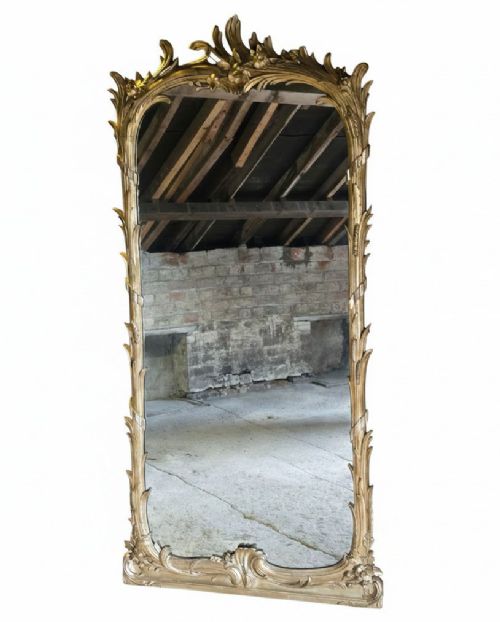
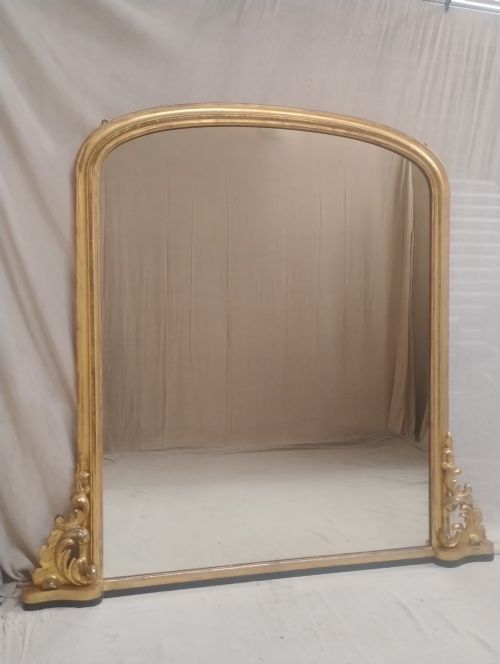
Nineteenth-century frames often display characteristic regional motifs, such as the plain rounded corners of Louis Philippe designs or the exuberant scrolling of Rococo Revival pieces. Examining the construction of the wooden backboards and the composition of the gesso reveals period manufacturing methods.
Original fixings, backboards secured with old screws or nails, and aged gilding help confirm the century of manufacture. Differences between French architectural styles and English Regency or Victorian pieces become clear through moulding details.
What is a trumeau mirror?
A trumeau is an antique French wall mirror that incorporates an integrated upper panel, often containing an oil painting or carved wood decoration. These architectural elements were designed to fit specific wall panels within period drawing rooms.
The combination of artwork and a looking glass created a unified decorative scheme above mantelpieces or between doors. They represent a distinct subset of French interior decoration from the eighteenth and nineteenth centuries.
Are original glass plates important?
Original glass plates preserve the authentic character and age-appropriate distortion expected from antique looking glasses. Mercury glass and early bevelled plates display distinct patination and soft reflections that modern replacements lack.
While some pieces received replacement glass over their long histories, surviving original plates are prized by collectors. They provide a direct visual link to the period in which the frame was constructed.