
Large Gilded Frame Painting
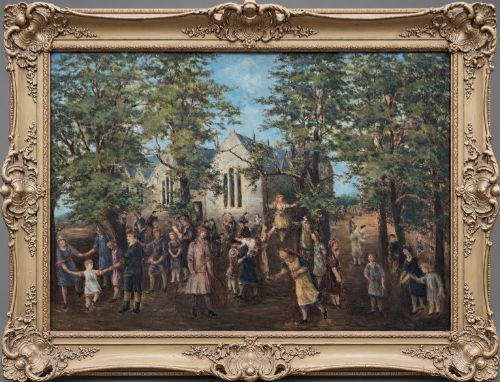
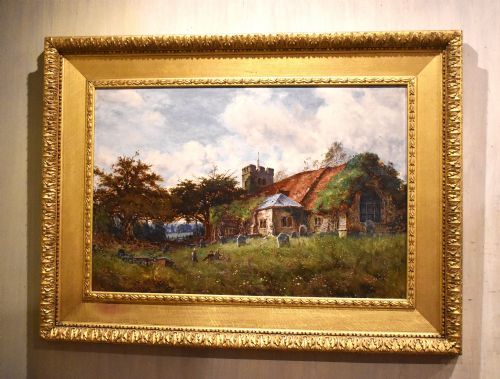
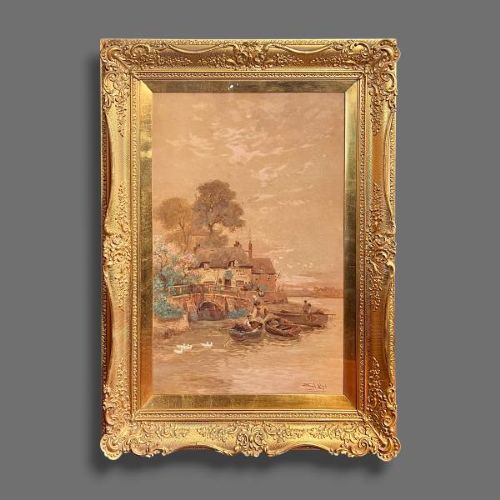
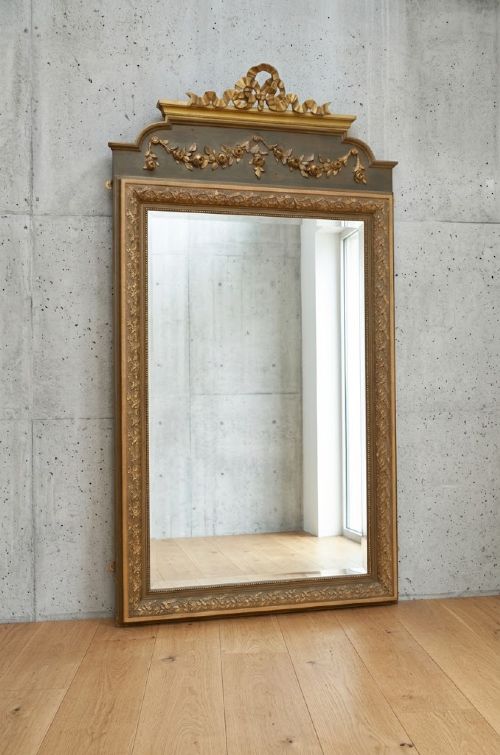
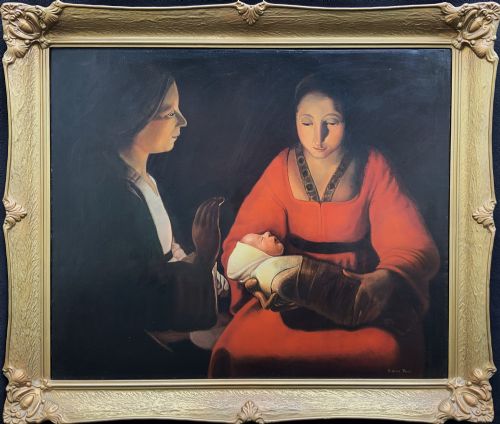
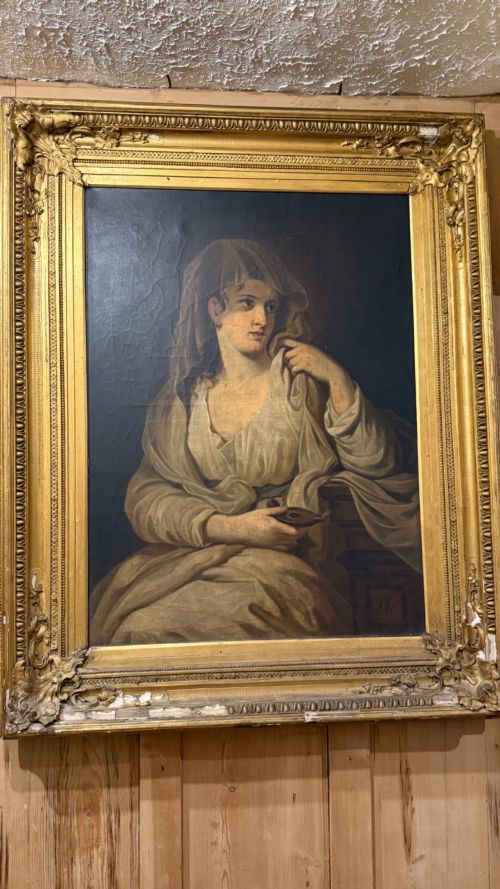
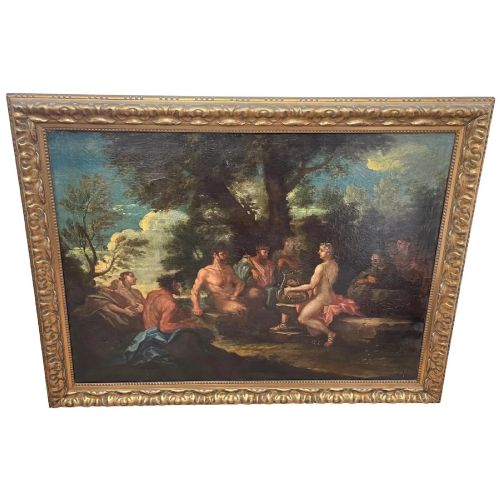
When you search for large gilded frame painting, you are looking at substantial oil canvases and mirrors wrapped in gold leaf, gesso and carved wood.
Large Gilded Frame Painting
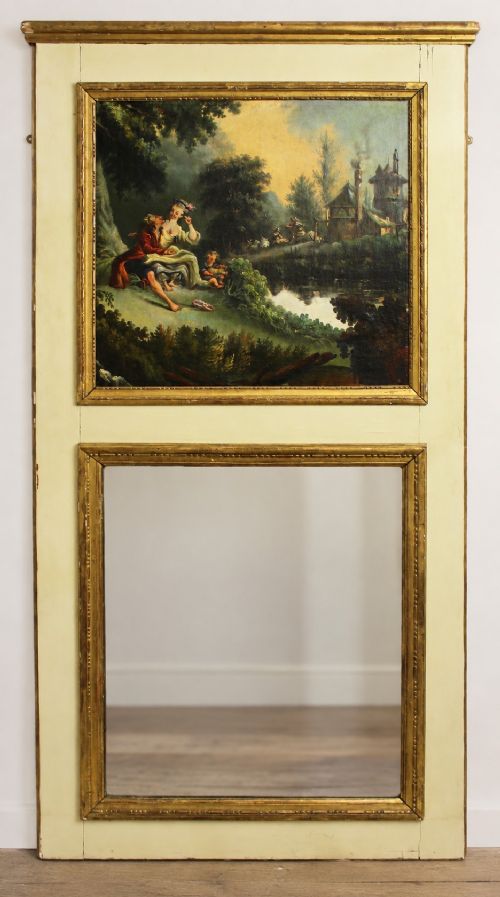
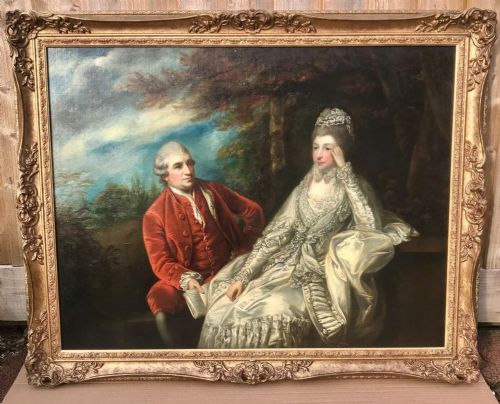
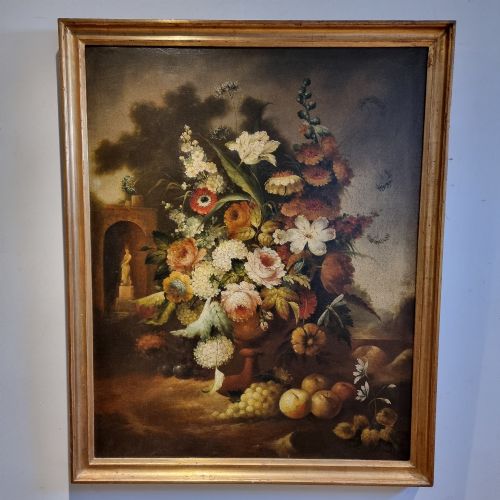
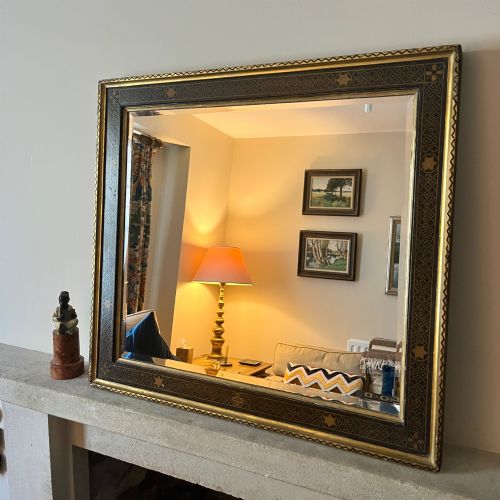
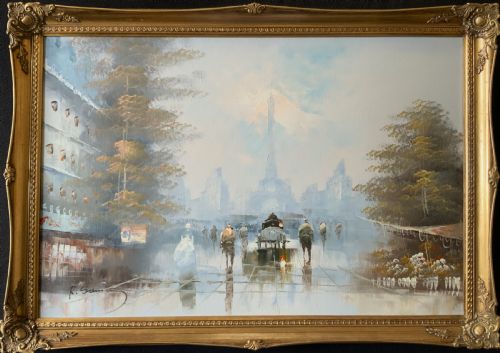
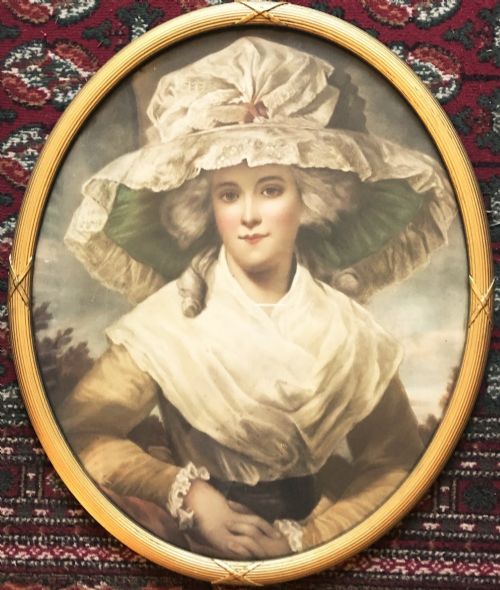
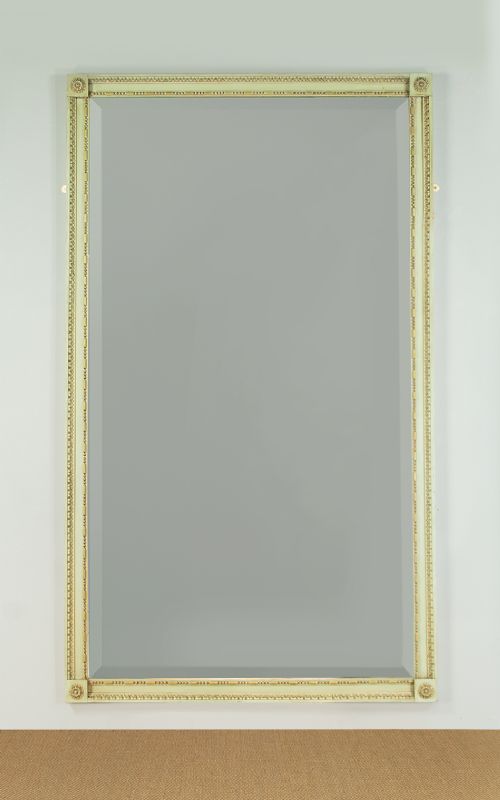
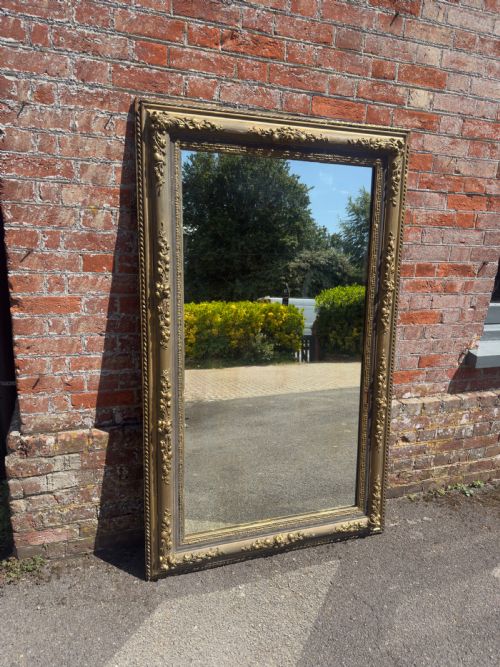
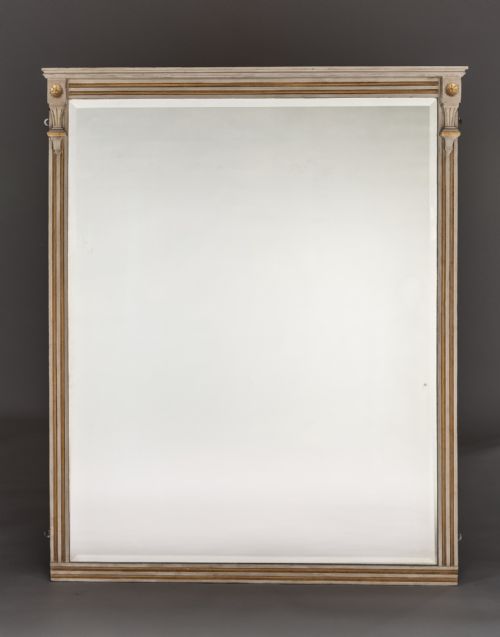
A large gilded frame painting search brings up prominent wall art and overmantel or wall mirrors enclosed in ornate, gold-toned surrounds. The selection spans the eighteenth, nineteenth and early twentieth centuries, encompassing romantic landscapes, portraits, still lifes and trumeau panels.
You will encounter works originating from British, French, Italian and Dutch schools, ranging from formal oil paintings on canvas to reverse prints on glass and decorative mirrors with integrated pastoral scenes. Many pieces utilise substantial wooden supports and heavy plaster mouldings to command a room.
The dominant forms on this page include nineteenth-century oil landscapes in original gilt frames, Edwardian and Victorian overmantel mirrors, and classical portraiture after earlier masters. These items function as focal points, designed to draw the eye and anchor large wall spaces.
How they were made
Makers built these frames using carved wood as a foundation, applying layers of gesso to build up intricate surface details such as ribbons, scrolls and floral motifs. Artisans then applied gold leaf or gilt paint over the prepared surface to achieve a reflective metallic finish.
Canvases were stretched across timber frames and painted in oil, whilst mirror plates were set into glazed or open wooden housings. Trumeau pieces combined woodwork, paint and gilt with inset oil paintings or glass panels to create unified architectural fittings.
Watch for solemn eighteenth-century portraits unbothered by the playful putti floating in the corners above them.
What varies in quality
Quality rests upon the crispness of the carved gesso decoration and the depth of the gilding, where hand-applied gold leaf holds greater visual warmth than flat metallic paint. The integrity of the original wooden structure and the preservation of the canvas or mirror plate also dictate the standing of a piece.
Artistic execution in the painted elements creates a clear hierarchy, distinguishing finely rendered portraits and landscapes from mass-produced decorative copies. Original frames that retain their initial relationship to the canvas or mirror plate command greater appreciation than later married combinations.
Richard Sebastian Bond·Georges de La Tour·Joshua Reynolds·Alexandre Le Bihan·Friedrich von Kaulbach·Jean-baptiste Joseph Pater·Domenico Zampieri·Rembrandt van Rijn·John Horsburgh·David Cox Jnr
The Large Gilded Frame Painting Glossary
- Gesso
- A plaster-like mixture applied to wood frames to create a smooth surface for carving and gilding. It allows for the crisp relief work seen on ornate nineteenth-century borders.
- Giltwood
- Timber that has been coated with gold leaf or metallic powder. This material provides the bright, reflective borders characteristic of antique frames and mirrors.
- Trumeau
- A decorative wall mirror featuring an upper panel containing a painting or carving. These pieces originated in France and were designed to hang between windows or above mantelpieces.
- Overmantel
- A large mirror or painting designed specifically to hang above a fireplace mantel. They often feature horizontal proportions to match the width of the hearth below.
- Putti
- Representations of chubby, winged infants used in classical and baroque art. You will often see them painted in corners of large allegorical or religious canvases.
Large Gilded Frame Painting: Frequently Asked Questions
How should I clean a gilded frame?
Dust giltwood surfaces gently with a soft, dry brush to prevent damaging the delicate gesso and gold leaf layers.
Avoid using water, chemical solvents or modern cleaning sprays, as moisture can lift the ancient gilding and ruin the finish.
What is a trumeau mirror used for?
Trumeau mirrors were traditionally hung on drawing room walls or above fireplace mantels to reflect natural light around grand interiors.
Their integrated oil paintings or carved panels brought architectural elegance and a distinct focal point to formal nineteenth-century spaces.
How do I identify the period of a frame?
The style of the carved ornament provides the clearest clue, moving from heavy Georgian symmetry through ornate Victorian rococo revival to streamlined Edwardian motifs.
Examining the backing boards, fixings and the composition of the underlying gesso also helps confirm the manufacturing date.