


Rustic English Oil Painting
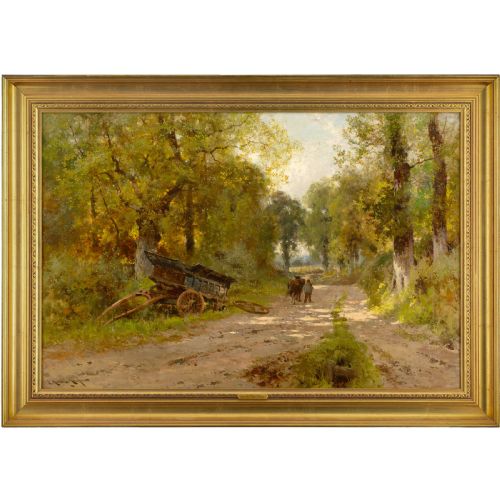
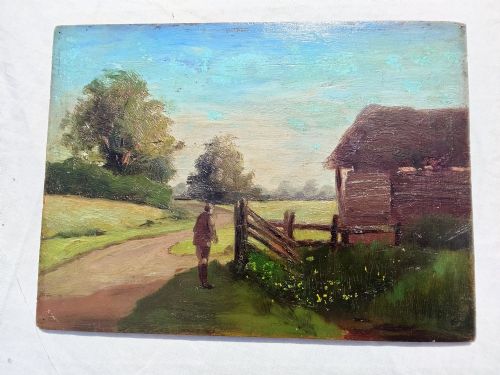
These rustic english oil painting works capture pastoral countryside life, picturesque cottages, and agricultural scenes across the eighteenth, nineteenth, and early twentieth centuries.
Rustic English Oil Painting
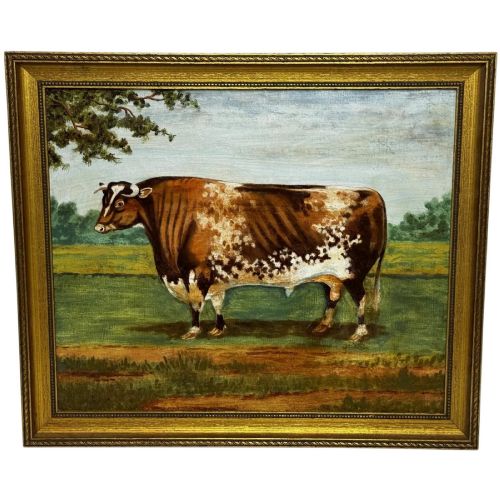
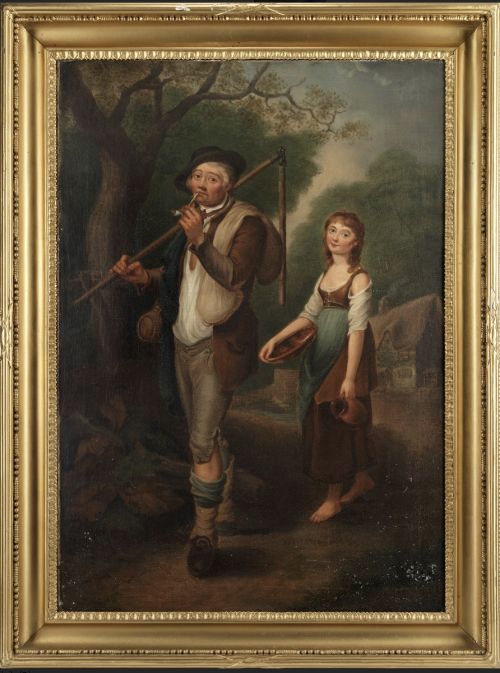
A rustic english oil painting depicts rural scenes, farming landscapes, village life, and pastoral views created by British artists. These works range from grand Victorian canvases to intimate nineteenth-century depictions of country cottages and livestock.
Buyers seeking this phrase encounter depictions of farmyards, mills, watering horses, and shepherds tending sheep in countryside settings. The selections span Georgian origins through Victorian realism and British impressionism into the twentieth century.
Most examples originate from the nineteenth century, capturing the quiet rhythms of agricultural life through genre scenes and landscapes. These pieces record historical rural architecture and topography with observant detail.
Materials and Techniques
Artists painted primarily using oil pigments on woven canvas or prepared wooden boards. Supporting structures frequently utilised wooden stretchers or panels finished with gesso.
Many works incorporate layered oil paint applied with varying brushwork, sometimes framed in period mouldings embellished with gold leaf. Certain canvases appear laid onto board for structural support.
Listings feature eighteenth, nineteenth, and twentieth-century pieces using oil paint on canvas and wood boards.
Assessing Quality and Execution
Quality rests upon the confidence of the brushwork, the handling of natural light, and the anatomical accuracy of figures and animals. Superior compositions demonstrate a harmonious balance between the landscape elements and the human or animal subjects.
The reputation of the artist, whether a recognised academy painter, a noted follower of an established master, or a competent regional school hand, influences the standing of the work. Greater depth in the layering of oil paint and sensitivity to rural atmosphere separate accomplished pieces from ordinary topographical records.
John Horace Hooper·Thomas Barker of Bath·Miles Birkett Foster·George Morland·John Constable·Henry John Yeend King·Charles Vickers·John Wright Oakes·Fred Stead·Thomas Sidney Cooper·Kershaw Schofield·Owen Bowen·Abraham Hulk Junior·John Syer junior·W E Millner·Ernest Higgins Rigg·Georgina Lara·Henry Charles Bryant·William Greaves·Henry Singleton·A Davis·Henry Collins·Joseph Thors·J Henry Inskip·John Holland Snr
The Rustic English Oil Painting Glossary
- Oil paint
- A slow-drying medium composed of pigments suspended in a drying oil, typically linseed oil. This medium allows artists to blend colours smoothly and build rich textures.
- Canvas
- A heavy woven fabric stretched across a wooden frame to serve as a durable support for oil painting. Canvas provides a flexible yet resilient surface for varied brushstrokes.
- Gesso
- A primer mixture consisting of a binder mixed with chalk, gypsum, or pigment, applied to wooden boards or panels. This preparation creates a smooth, stable ground for oil paint.
- Genre scene
- A painted depiction of everyday life, ordinary people, and domestic activities rather than grand historical or mythological narratives. These subjects often show cottage interiors or farmyard work.
- British Impressionism
- A painting style influenced by French techniques yet rooted in British landscape traditions, focusing on natural light and outdoor atmospheric effects.
Rustic English Oil Painting: Frequently Asked Questions
What defines a rustic english oil painting?
These works depict countryside scenery, agricultural labour, thatched cottages, and rural village life by British artists. They record historical rural landscapes and pastoral traditions across several centuries.
Subjects typically include livestock, farming yards, country lanes, and figures engaged in daily rural activities.
How can I identify the period of an oil painting?
Dating relies on stylistic clues, framing materials, clothing of figures, and the preparation of the canvas or wooden board. Nineteenth-century works often show detailed Victorian realism or early impressionist lighting.
Signatures, inscriptions on the reverse, and recorded exhibition histories provide further confirmation of the era.
Where were these paintings displayed originally?
Victorian and Georgian landowners hung these rural scenes in domestic drawing rooms, country houses, and town residences to celebrate agrarian life. They brought the perceived tranquility of the countryside into urban homes.
Art societies and annual exhibitions also showcased many of these pastoral works to the public.
How should I care for an antique oil painting?
Protect the canvas or board by avoiding direct sunlight, damp environments, and extreme temperature fluctuations. Keep the surface free from dust using a soft, dry brush without applying moisture or cleaning agents.
Maintain stable indoor humidity to prevent the oil paint and wooden stretchers from warping or cracking over time.