





18th Century Rustic Art
These pieces of 18th century rustic art bring the honest utility and unpretentious charm of historical country life directly into a modern home.
18th Century Rustic Art
Buyers seeking 18th century rustic art will encounter a diverse selection of utilitarian objects, country furniture, and pastoral oil paintings. The inventory spans straightforward domestic items made for daily use alongside decorative objects produced in regional European workshops.
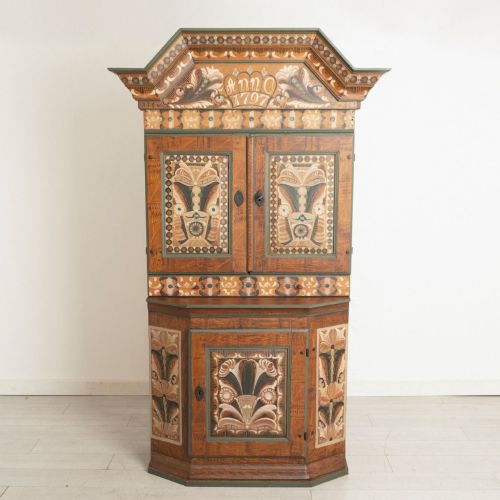
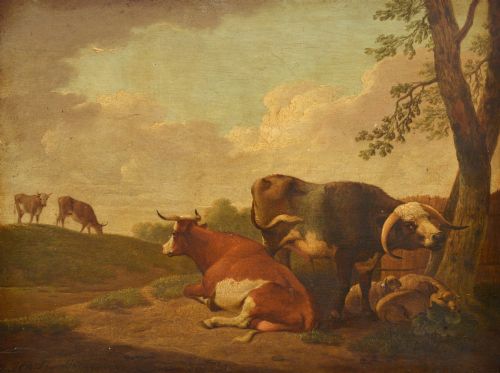
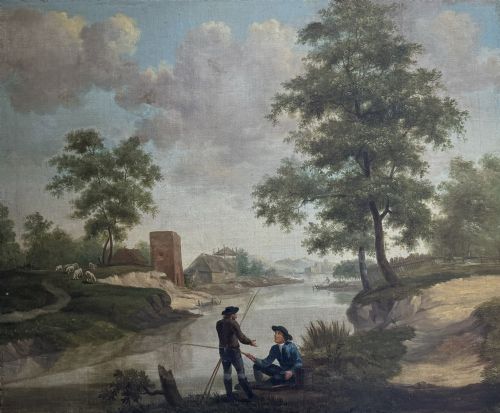
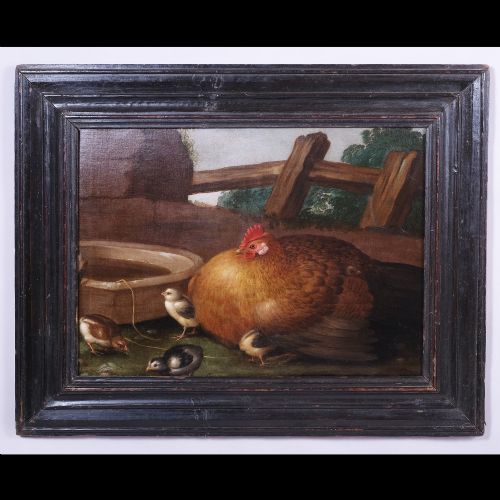
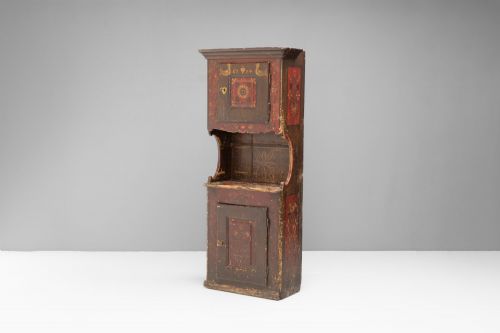
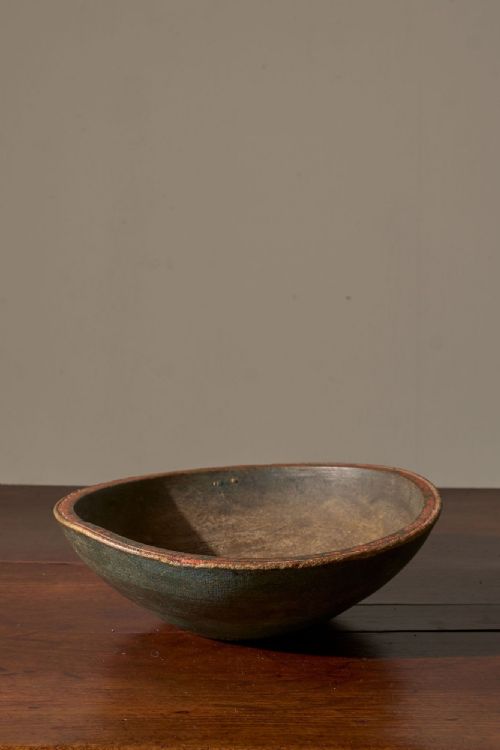
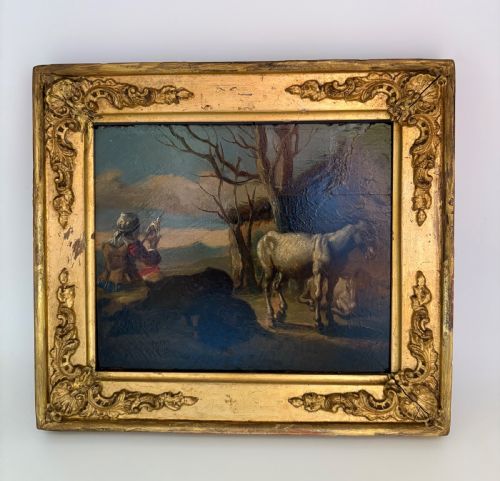
Painted pine storage boxes, marriage chests, and cupboards dominate the selection alongside seating such as primitive comb-back armchairs and rush seat corner chairs. Oil paintings depicting farmyard scenes, landscapes with cattle, and rustic cottage life complement these wooden objects.
Originating predominantly from British and Scandinavian country traditions, these items reflect the practical domestic requirements of rural households. The survival of such pieces demonstrates the enduring appeal of unpretentious historical craftsmanship.
Materials and Construction
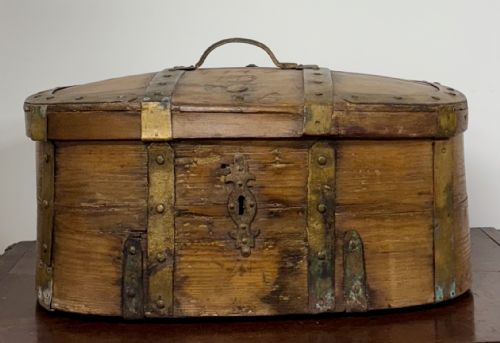
Makers relied principally on native timbers such as pine, oak, and elm, shaping boards and panels with hand tools for everyday storage and seating. Iron components, including wrought metal bindings and hinges, reinforced heavy trunks and baroque boxes against hard daily wear.
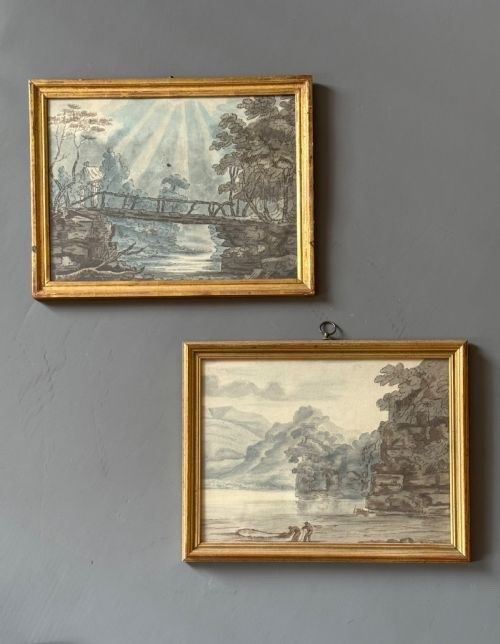
Surface decoration frequently involved layers of oil paint, which protected the underlying wood while providing colour through traditional pigments. Canvases and wooden panels served as grounds for oil paintings and gouache works executed by British and European artists recording pastoral subjects.
Listings feature pine and oak furniture alongside oil paintings on canvas and board from the eighteenth century.
Evaluating Quality in Country Pieces
Quality in these items rests upon the integrity of the original construction and the survival of early painted surfaces. Pieces retaining their authentic patinated finishes demonstrate greater visual depth than those stripped or overly restored.
Proportion and the character of the hand-carved details distinguish superior examples from standard utilitarian items. A thoughtfully constructed chair or box displays balanced proportions that derive directly from its functional purpose.
Hendrik Willem Schweickhardt·George Morland·John Hoppner·Henry Singleton
The 18th Century Rustic Art Glossary
- Comb-back armchair
- A wooden chair featuring vertical spindles rising through the seat to form a comb-like crest rail at the top. This vernacular seating form originated in British country workshops during the eighteenth century.
- Marriage chest
- A large storage box commissioned or decorated to mark a wedding, often featuring painted initials, dates, or symbolic motifs. Scandinavian examples frequently display vibrant painted decoration on pine construction.
- Oil painting
- An artwork created using pigments suspended in a drying oil medium, applied to canvas, wood panel, or board. Pastoral scenes and landscapes were standard subjects for artists working in the eighteenth century.
- Primitive
- A descriptive term for objects made outside academic traditions, often by local craftspeople or rural makers. These pieces prioritise functional utility over refined stylistic conventions.
18th Century Rustic Art: Frequently Asked Questions
What defines 18th century rustic art?
These items encompass practical wooden furniture, painted storage boxes, and pastoral oil paintings created for rural domestic life.
They derive their character from unpretentious regional traditions rather than formal court styles.
How were painted storage boxes used?
Marriage chests and trunks served to store textiles, linens, and personal valuables within the rural household.
Their painted decoration often commemorated significant family alliances and milestones.
Where did Scandinavian country furniture originate?
Such pieces were produced by local craftspeople working in rural Swedish and Scandinavian communities.
Pine was readily available and frequently decorated with layered oil paints and distinct motifs.
How do I live with primitive seating?
Chairs like comb-back armchairs integrate easily into contemporary interiors as functional seating or sculptural accents.
Their honest wooden construction pairs well with both historical and modern surroundings.
What subjects appear in pastoral paintings?
Artists recorded farmyard scenes, cattle watering in landscapes, and families outside rustic cottages.
These works reflect an eighteenth-century artistic interest in rural life and picturesque scenery.