

Large Dining Table
When you need a large dining table for gathering a crowd, antique timber pieces offer enduring presence and practical scale.
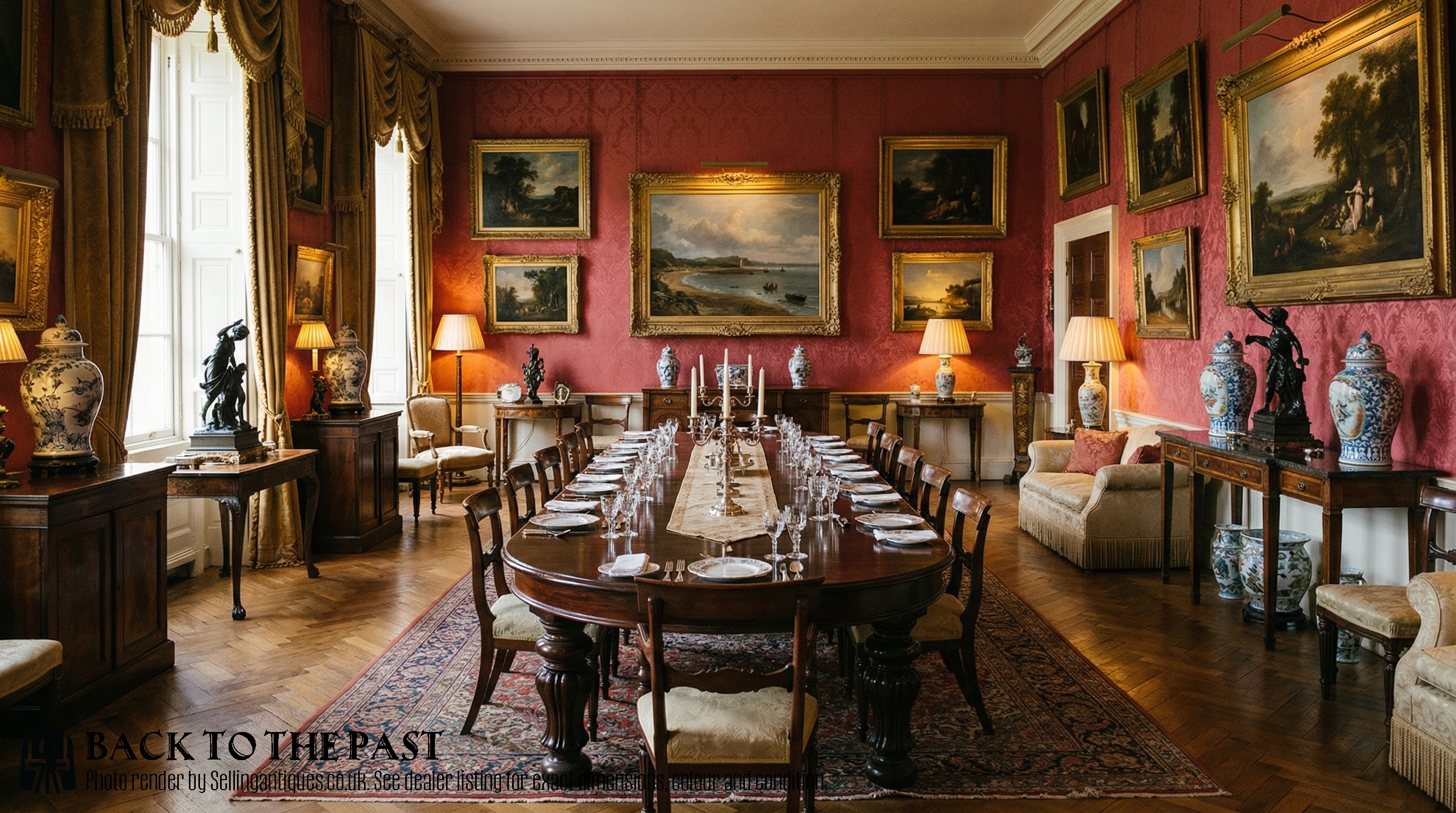
Large Dining Table
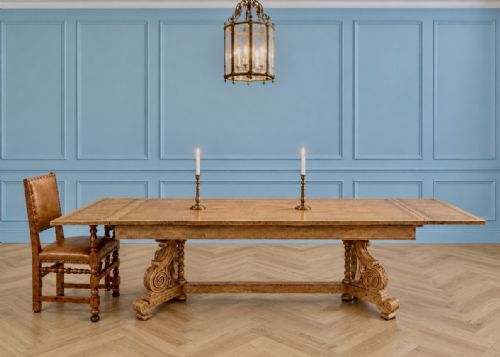
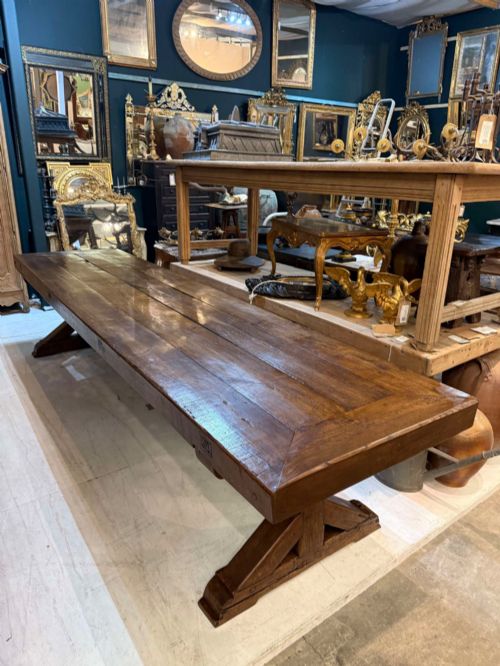
A large dining table serves as the central gathering place for family meals and grand entertaining, designed to seat many people comfortably. These pieces span centuries of craftsmanship, from early refectory forms to sophisticated extending pedestal designs.
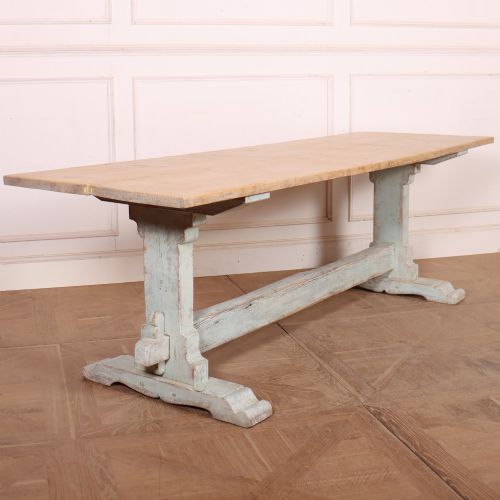
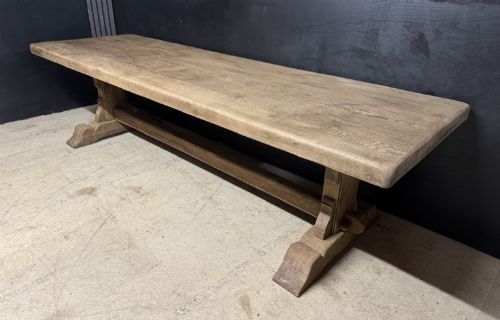
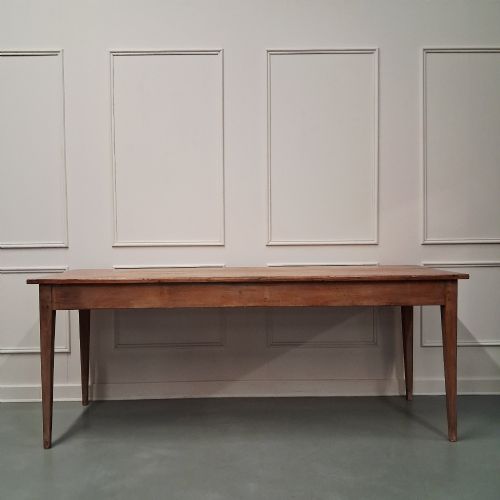
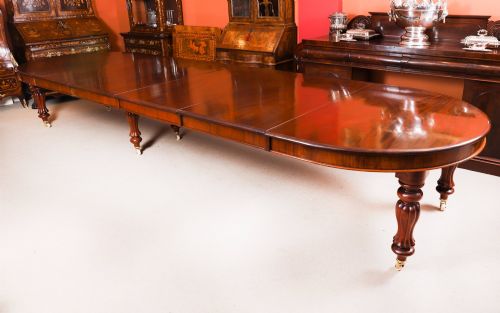
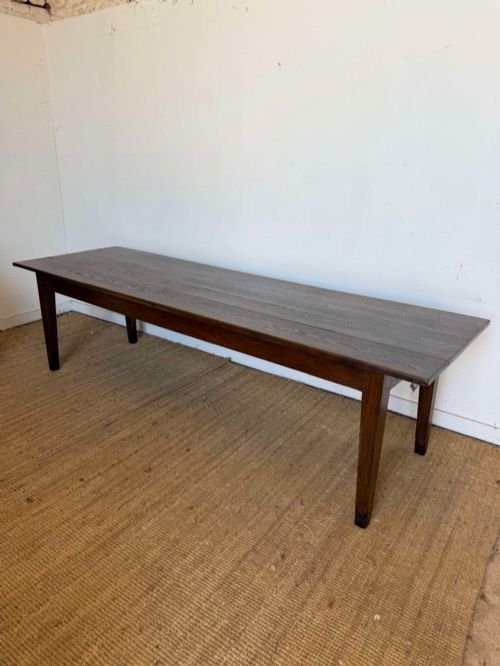
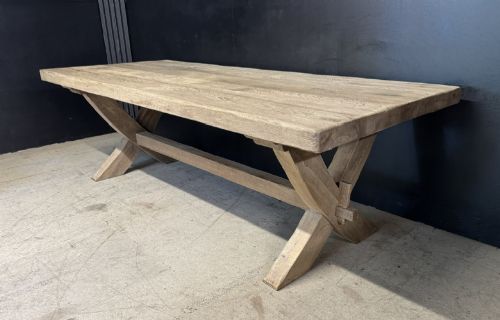
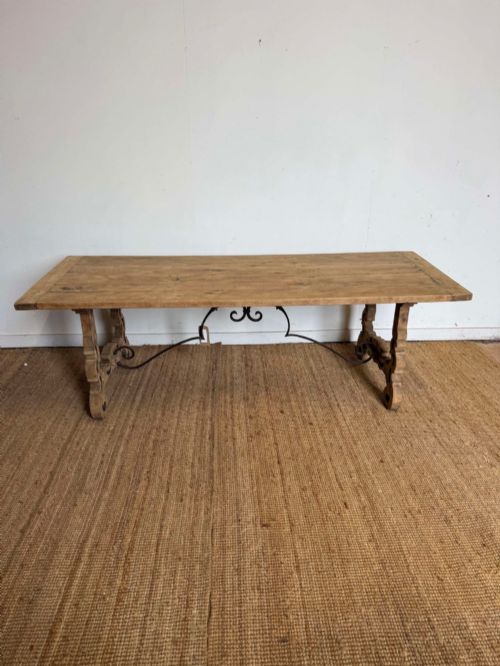
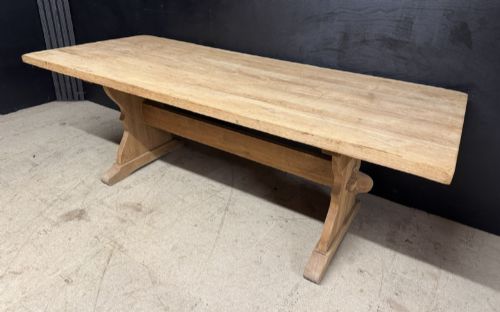
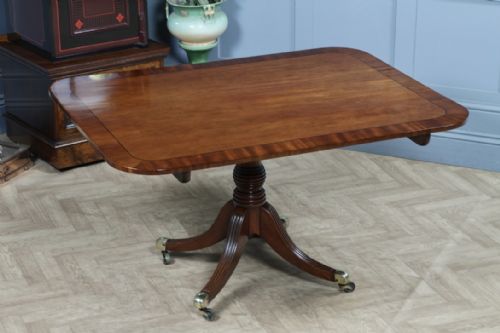
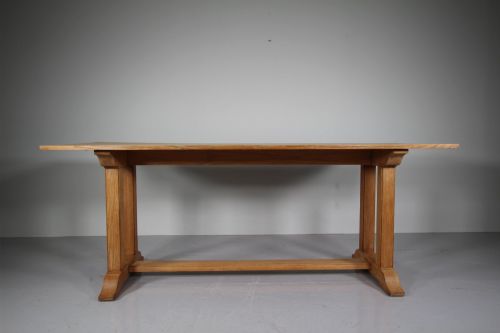
Buyers searching this phrase will most frequently encounter substantial mahogany pedestal tables from the Georgian and Victorian eras, alongside rustic oak and fruitwood farmhouse tables. The selection ranges from multi-leaf banqueting tables capable of seating twenty guests down to sturdy Edwardian refectory boards.

Materials and construction methods
Makers relied heavily on dense hardwoods like figured mahogany, English oak, and elm to build surfaces capable of withstanding daily use. Timber selection was vital, often utilising single-plank boards or carefully matched flame veneers for visual impact.
Joinery techniques varied by period, employing traditional refectory trestles, sturdy pegging, or sophisticated mechanical winding systems supported by multiple mahogany pillars and brass castors.
Large Dining Table Retail Price Guide 2026
Typical asking prices for large dining table among the pieces listed under this phrase on Sellingantiques today, from the lower quarter to the upper quarter. They describe what is for sale here now, not the wider market.
Formats range from single-plank refectory boards and drop-leaf tables to four-pedestal banqueting surfaces.
Distinctions in quality
The standard of a large dining table depends significantly on the selection of timber and the integrity of the original leaves. Superior examples feature well-figured grain matching across multiple extension leaves and solid timber construction without modern timber substitutes.
Execution of carved details, stability of pedestal bases, and smooth operation of extension mechanisms distinguish workshop output from standard production pieces.
Mouseman·Waring and Gillow·Heals·Gillows
The Large Dining Table Glossary
- Pedestal table
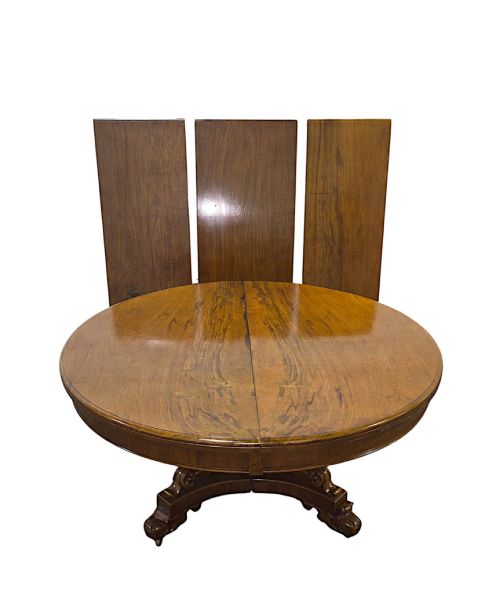
- A table supported by one or more central pillars rather than four corner legs. These pillars often terminate in carved or reeded feet fitted with brass castors.
- Refectory table
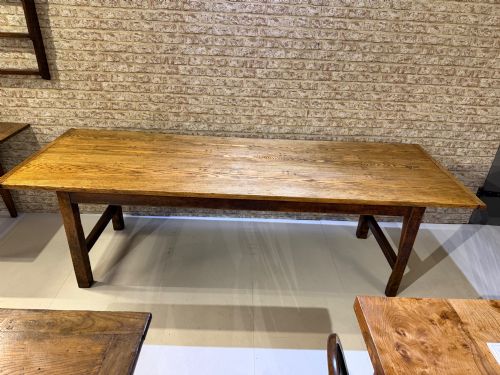
- A long, narrow dining table traditionally used in communal dining halls. They feature substantial timber tops supported by trestle ends or heavy legs linked by stretchers.
- Extending table
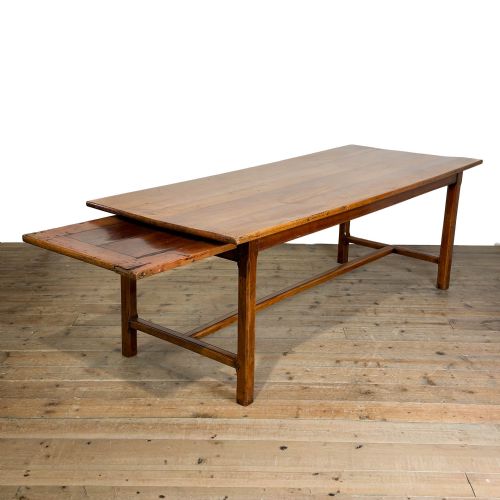
- A dining table designed with a mechanical track or runner system to accommodate loose leaves. This allows the surface length to expand for larger gatherings.
- Figured mahogany
- Timber cut to highlight decorative patterns within the wood grain, such as flame or fiddleback figures. Cabinet makers reserved these choice sections for prominent top surfaces.
- Leaf
- A removable section of timber inserted into a dining table to increase its overall length. Original matching leaves are particularly valued by collectors.
Large Dining Table: Frequently Asked Questions
How many people can a large dining table seat?
Seating capacity depends on the length of the surface and the inclusion of extension leaves. Many substantial multi-pillar designs easily accommodate twelve to twenty-four guests.
Refectory and farmhouse formats generally seat eight to twelve people comfortably along their generous lengths.
How do I identify a Georgian dining table?
Georgian tables often feature rich figured mahogany surfaces supported by multi-pillar pedestals with brass castors. Cabinet makers during this period focused on refined proportions and subtle carved details.
Earlier Georgian examples utilise heavy oak construction with simple refectory or gateleg forms intended for practical domestic use.
How do extending dining tables work?
Extending tables utilise internal wooden runners or tracks that pull apart to create a gap in the centre. Loose timber leaves are then dropped into this space to lengthen the surface.
Victorian and Edwardian versions often employ sophisticated winding mechanisms operated by a metal handle to ease the transition.