

Large Decorative Gilded Mirror
A large decorative gilded mirror brings grand scale and reflective light to a room, drawing the eye with ornate carved detail and rich surface finish.
Large Decorative Gilded Mirror
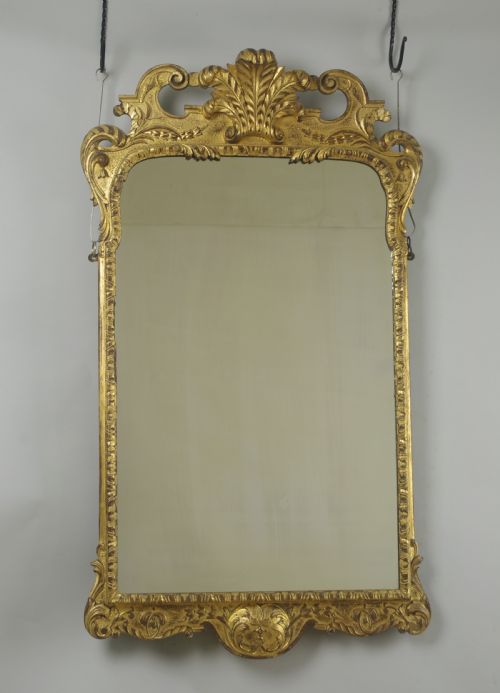
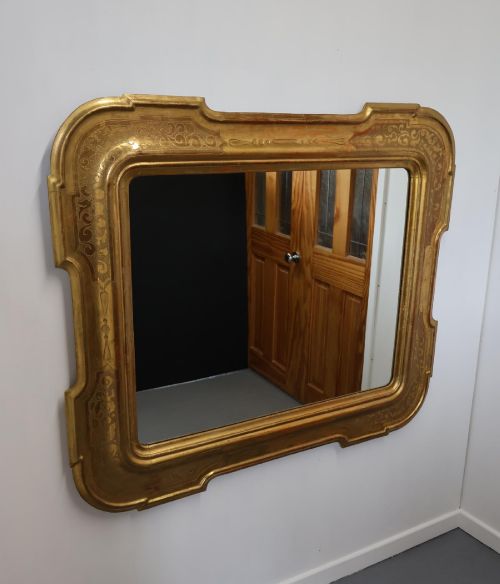
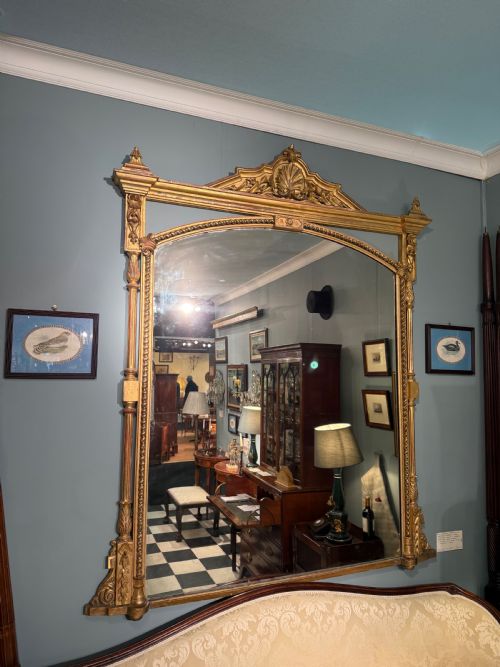
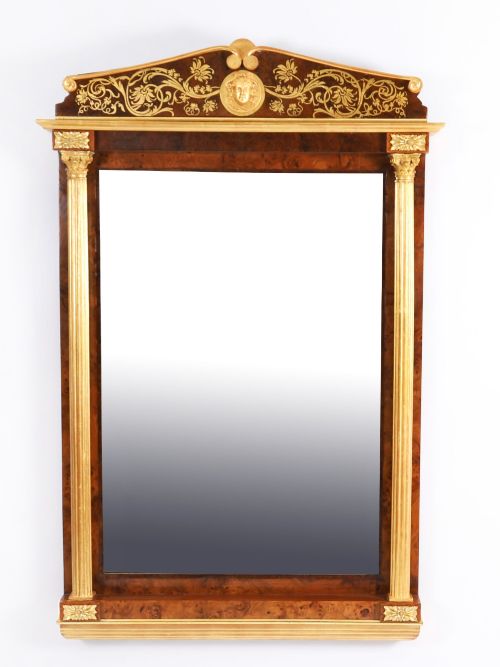
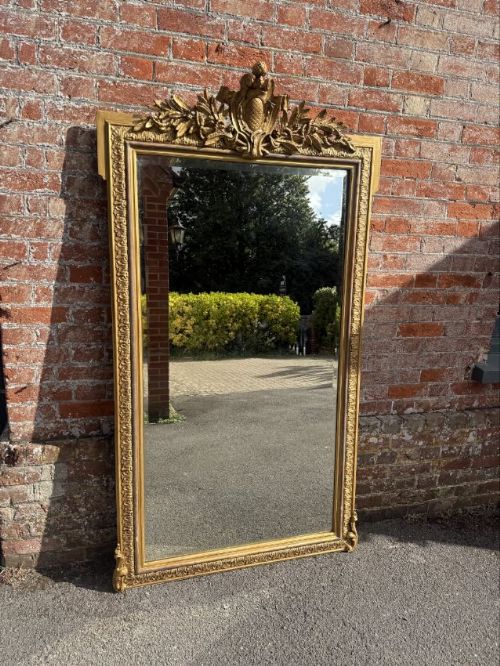
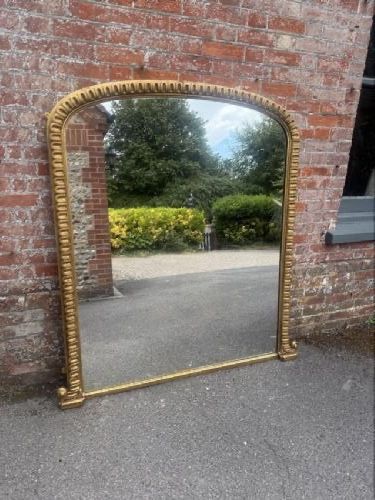
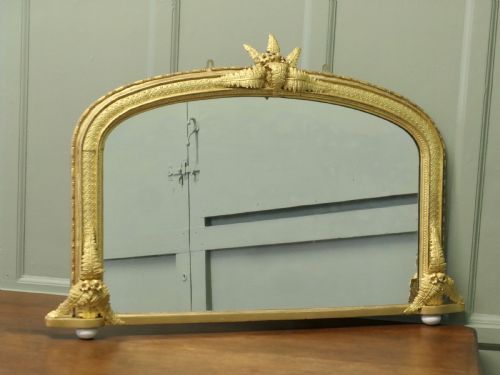
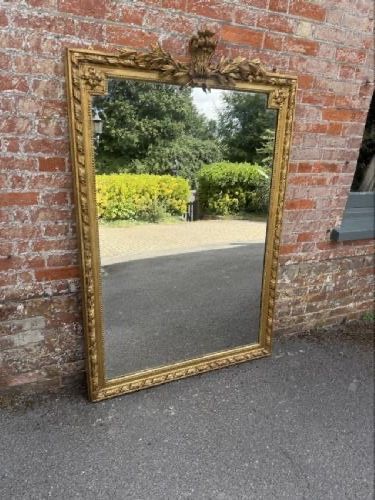
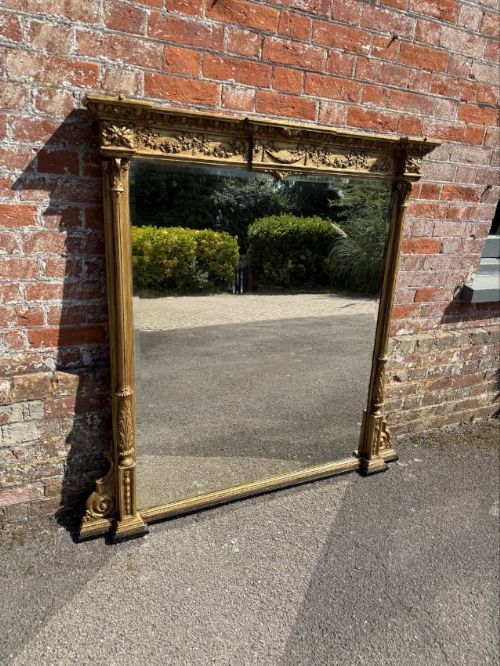
When you search for a large decorative gilded mirror, you encounter substantial overmantel and wall mirrors designed to command a principal room. These pieces originate predominantly from the nineteenth century, including specific decades such as the 1860s, 1870s, 1880s, and 1900, alongside Regency and Victorian eras.
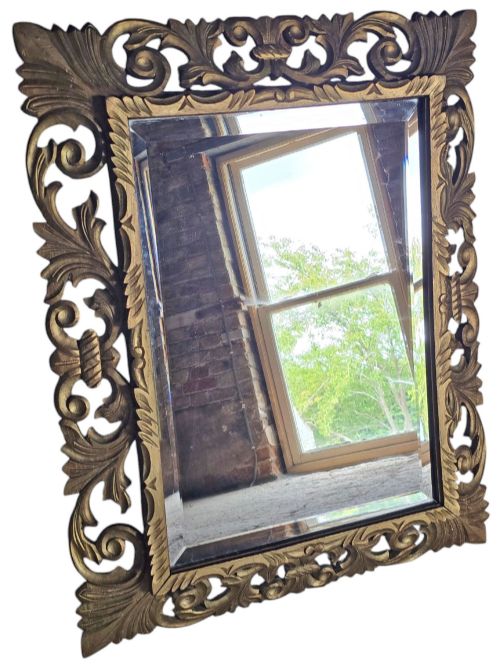
The dominant forms span architectural overmantels, tall dressing glasses, arched top panels, and grand pier mirrors. French chateau, Rococo revival, Louis XVI, and Florentine styles appear frequently alongside English carved designs, bringing considerable presence and decorative weight to domestic interiors.
Most examples measure generously to hang above mantelpieces or anchor large wall spaces. Builders and makers constructed them to function both as utilitarian looking glasses and as primary architectural ornaments within formal reception rooms.
Materials and Construction
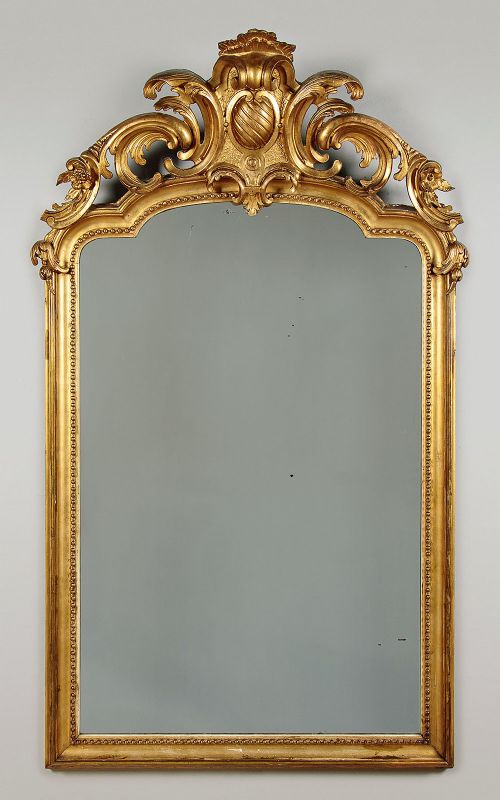
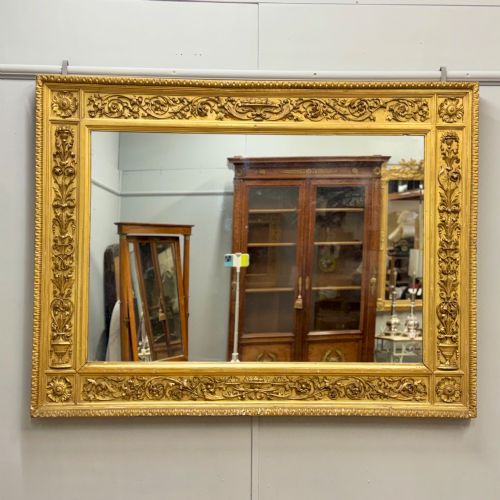
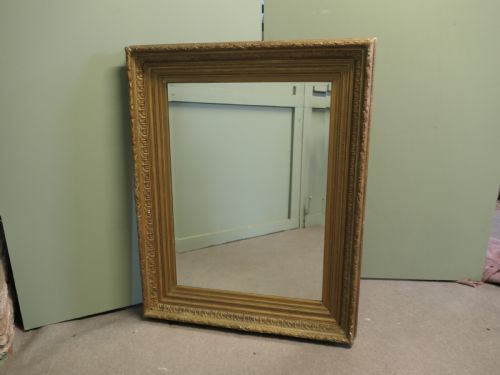
Craftsmen shaped these frames from solid wood bases, frequently applying layers of gesso to build up intricate sculptural relief before gilding. Carved wood and gesso frames accommodate elaborate details such as rope twists, floral motifs, urns, swags, and central cartouches.
Workers applied gold leaf or paint directly over the prepared gesso and timber grounds to achieve the characteristic reflective metallic surface. Overmantel and wall mirrors incorporate heavy glass plates, occasionally featuring bevelled edges or light foxing accumulated through age.
Large Decorative Gilded Mirror Retail Price Guide 2026
Typical asking prices for large decorative gilded mirror among the pieces listed under this phrase on Sellingantiques today, from the lower quarter to the upper quarter. They describe what is for sale here now, not the wider market.
Marriage mirrors recorded in the archive celebrate nineteenth-century unions with ornate floral symbolism carved directly into the gilded wooden frame.
Quality Variations
The distinction between standard and exceptional pieces rests upon the depth and crispness of the hand-carved ornamentation. Finer examples display deeply undercut foliage, sharply defined gesso moulding, and balanced proportions across heavy architectural frames.
The integrity of the original gilt surface and the preservation of the structural timber foundation dictate the standing of an individual mirror. Superior items retain their original gilding and structural joins without heavy modern intervention.
The Large Decorative Gilded Mirror Glossary
- Overmantel Mirror
- A large mirror specifically designed to be hung or placed upon the mantelpiece above a fireplace. These pieces often feature horizontal proportions and decorative pediments.
- Gesso
- A plaster-like mixture applied to wooden frames and carved to create raised ornamental details before gilding. It provides a smooth ground for gold leaf.
- Giltwood
- Timber that has been coated with gold leaf or gold paint. This material forms the primary visual structure of the frames.
- Trumeau Mirror
- An antique wall mirror incorporating a painted or carved panel above the glass plate. Originating in French interior design, these pieces often feature Louis XVI styling.
- Foxing
- The age-related spots and discolouration that develop within the silvered backing of antique mirror glass. This chemical oxidation appears as small cloudy patches across the reflection.
Large Decorative Gilded Mirror: Frequently Asked Questions
Where should I hang an overmantel mirror?
These mirrors traditionally sit directly above a fireplace mantelpiece to reflect light and anchor the room's main reception wall.
Ensure the wall fixings match the substantial weight of carved wood and gesso frames before mounting.
How do I identify a 19th-century mirror?
Examine the construction methods visible on the reverse, including hand-cut timber joints and early plaster application techniques.
Stylistic cues like Victorian proportions, Rococo revival carving, and characteristic glass foxing point towards nineteenth-century origin.
What is Florentine style?
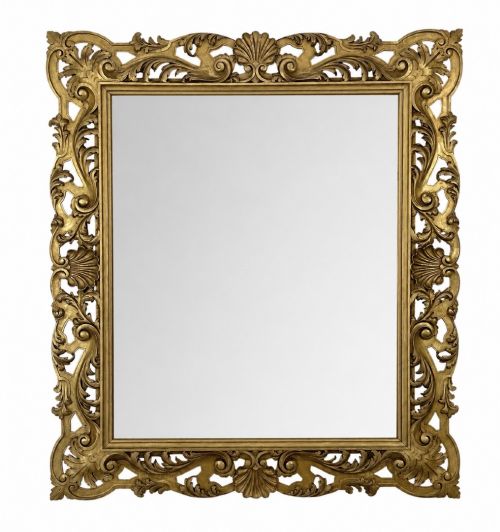
Florentine mirrors typically feature ornate, deeply carved wooden frames adorned with intricate scrollwork, foliage, and rich gilding originating from Italy.
These statement pieces emphasise decorative sculptural depth over simple geometric framing.
Can I replace the mirror glass?
Original glass often exhibits foxing and age spots, which many collectors value as proof of authenticity and long history.
Replacing the plate alters the historic character, though some damaged mirrors require new glass for practical daily use.