

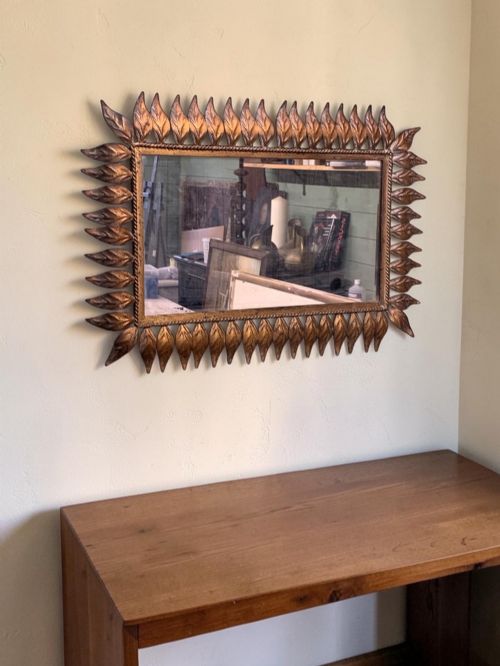
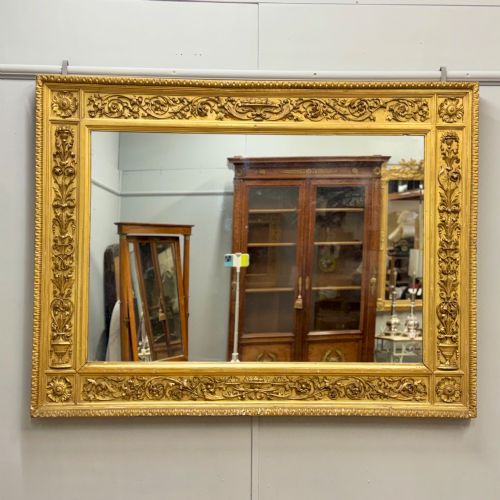
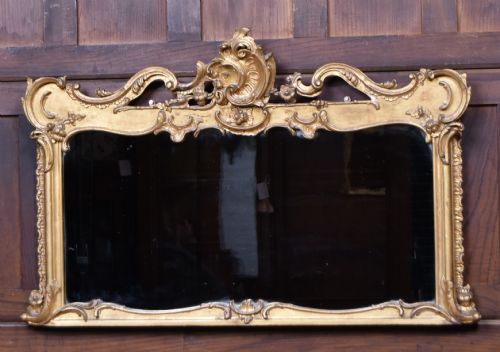
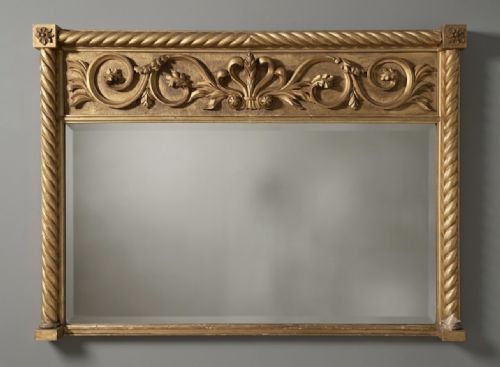



Horizontal Gilded Wall Mirror
A horizontal gilded wall mirror brings scale and light to a room, and these pieces span the Regency, Victorian, and Art Deco periods.
Horizontal Gilded Wall Mirror
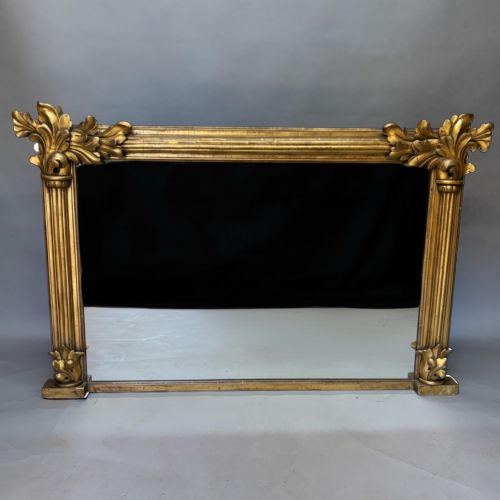
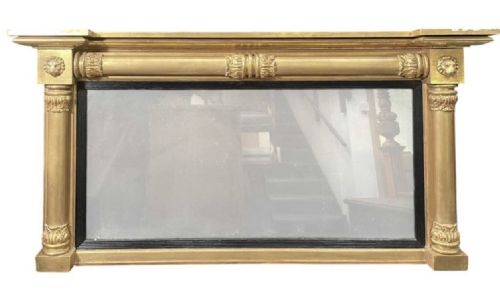
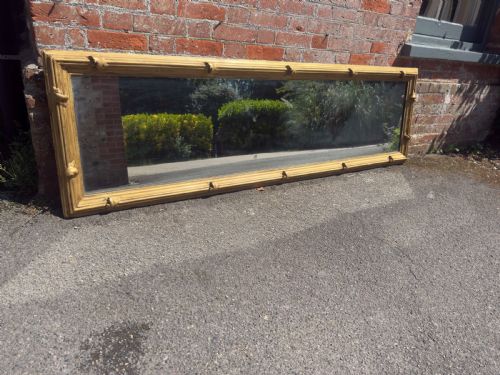
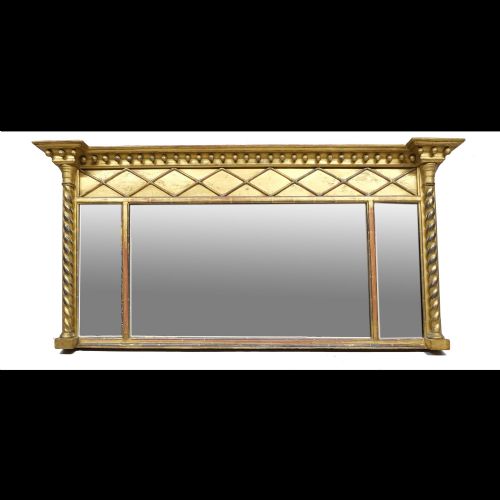
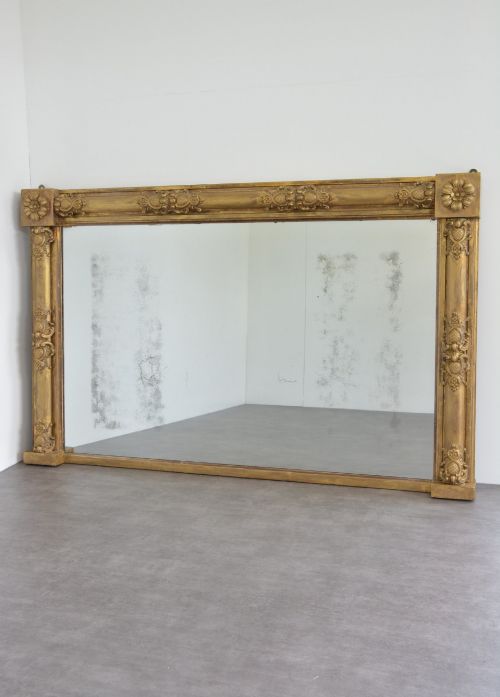
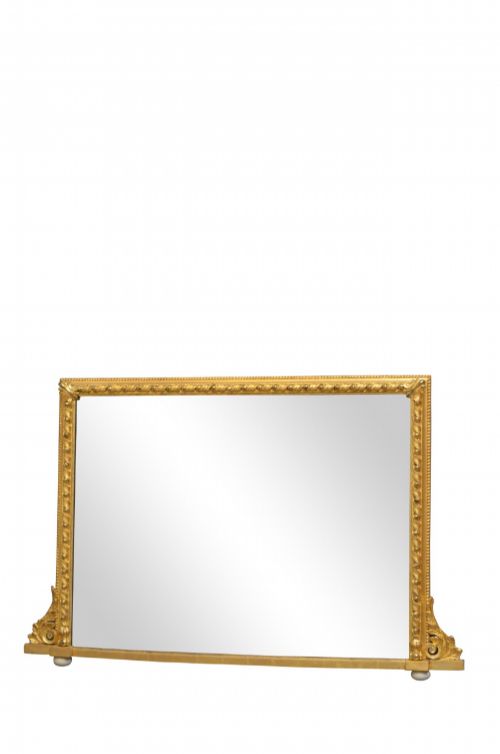
A horizontal gilded wall mirror is predominantly represented here by overmantel mirrors designed to sit above a fireplace. These long formats stretch across a chimney breast or wide wall space, originating from the 19th Century, Regency, Victorian, and Art Deco periods.
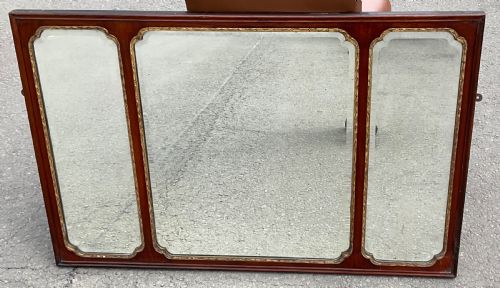
The assortment includes overmantel mirrors alongside pier mirrors and triple or tryptic configurations. Wood frames finished with gold leaf, gesso, composition, and paint provide the characteristic metallic sheen that defines the category.
How they were made
Makers constructed the timber carcasses using woods such as walnut, mahogany, and birds eye maple, often applying carved wood details alongside moulded composition ornaments. Gesso was layered over the substrate to create smooth grounds for subsequent gilding.
Surface decoration relies on gold leaf or paint applied to the gesso and wood frames. Glass plates are fitted within these borders, with some retaining lightly foxed surfaces from age.
Horizontal Gilded Wall Mirror Retail Price Guide 2026
Typical asking prices for horizontal gilded wall mirror among the pieces listed under this phrase on Sellingantiques today, from the lower quarter to the upper quarter. They describe what is for sale here now, not the wider market.
Some glass plates carry centuries of gentle age spots, reflecting light through a charmingly mottled haze.
What varies in quality
The standard of carving and the crispness of the composition ornamentation dictate the refinement of a frame. Deeply carved wood details and well-preserved gilding separate more ambitious examples from simpler designs.
The integrity of the original glass and the retention of original gilt surfaces distinguish better-preserved pieces. Frames that maintain their structural cohesion without heavy modern intervention hold greater interest.
The Horizontal Gilded Wall Mirror Glossary
- Giltwood
- Wood that has been coated with gold leaf or gold paint. This finish produces the characteristic bright or burnished appearance seen on the frames.
- Gesso
- A plaster-like mixture applied to wood frames to create a smooth surface for gilding. It allows for intricate moulded details and relief work.
- Composition
- A moulded material made from whiting, resin, and oil pressed into ornaments. It is commonly applied to wooden frames to simulate carved decoration.
- Overmantel mirror
- A large horizontal mirror designed specifically to hang on the wall above a fireplace mantel. These pieces often feature wide proportions to match the width of the hearth below.
- Foxed glass
- Mirror glass that shows age spots, tarnishing, or minor degradation of the reflective backing. This natural oxidation often confirms the antiquity of the glass plate.
Horizontal Gilded Wall Mirror: Frequently Asked Questions
Where should I hang a horizontal mirror?
These horizontal frames are traditionally positioned above a fireplace mantelpiece where their width balances the hearth below. They also function effectively along long expanses of wall in a hallway or principal room.
Because of their substantial dimensions, they require secure wall fixings anchored directly into structural supports. Positioning them opposite a window helps maximise the reflection of natural daylight across the interior.
How do I identify a Regency mirror?
Regency pieces often display neoclassical motifs, symmetrical framing, and specific architectural proportions associated with the early nineteenth century. Giltwood finishes and carved details reflect the classical taste of the period.
Examining the construction methods, backboards, and the composition of the frame helps distinguish these earlier examples from later Victorian revivals.
What is an overmantel mirror?
An overmantel mirror is a specific form created to be mounted on the wall directly above a fireplace surround. Their elongated horizontal proportions match the span of the mantel shelf.
Historically, they served to reflect candlelight and brighten rooms before the widespread availability of modern electric lighting.
How do I care for antique giltwood?
Giltwood frames require gentle maintenance using a dry, soft brush to remove dust from the intricate carved and composition details. Moisture and harsh cleaning agents can damage the delicate gold leaf and gesso layers beneath.
Keeping the mirror away from direct heat sources and high humidity helps protect both the wooden carcass and the historic surface finish.