

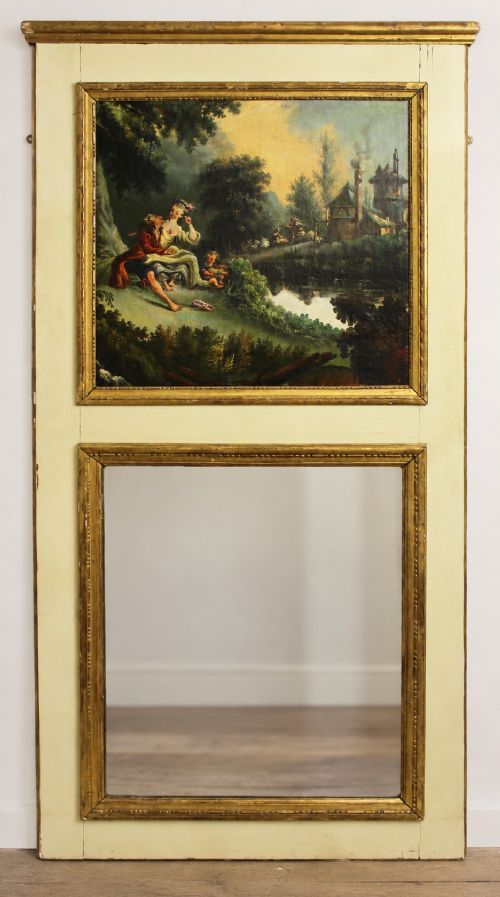
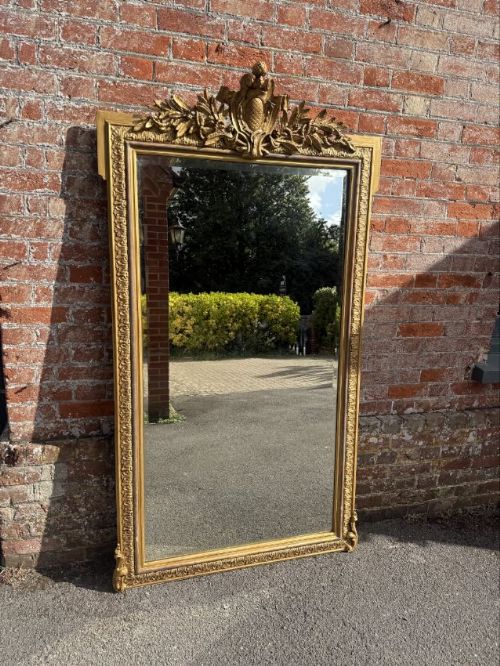
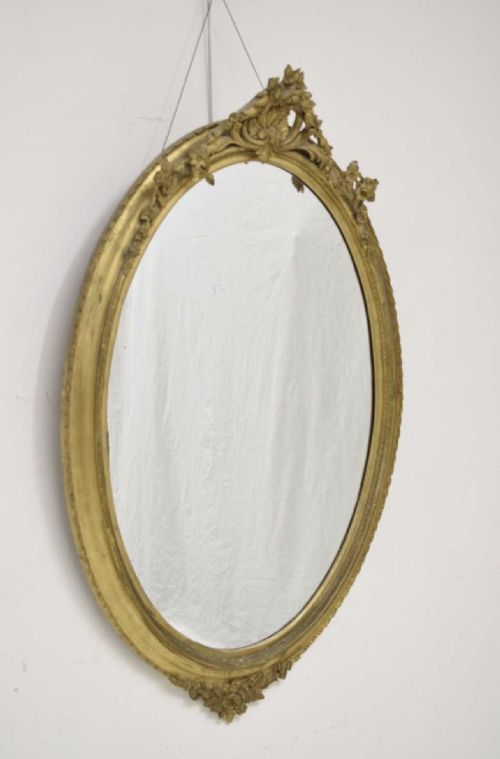
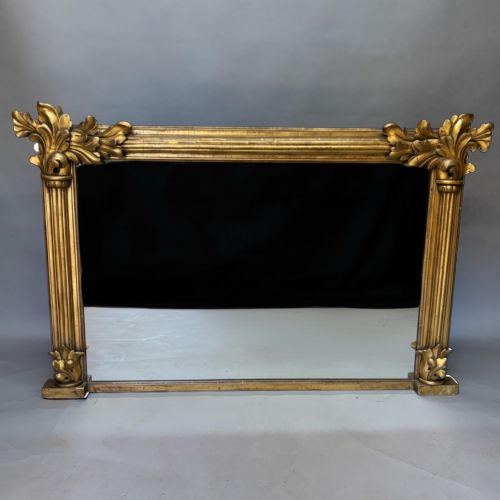

Traditional Giltwood Mirror
A traditional giltwood mirror brings light and reflection to a room, framing a space with carved wood, gesso and gold leaf.
Traditional Giltwood Mirror
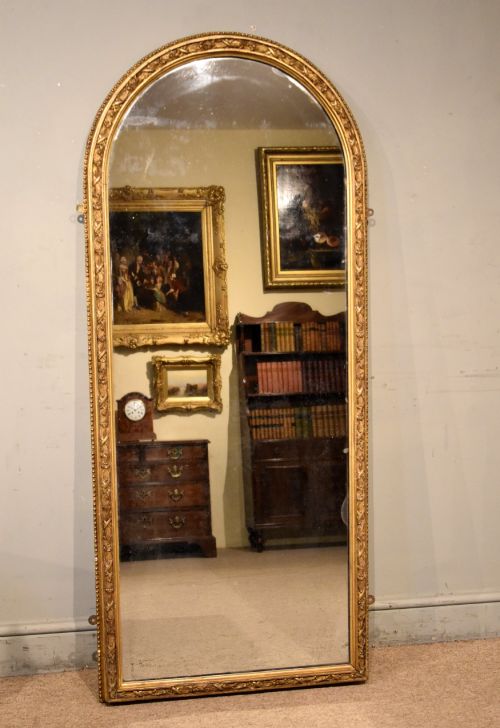
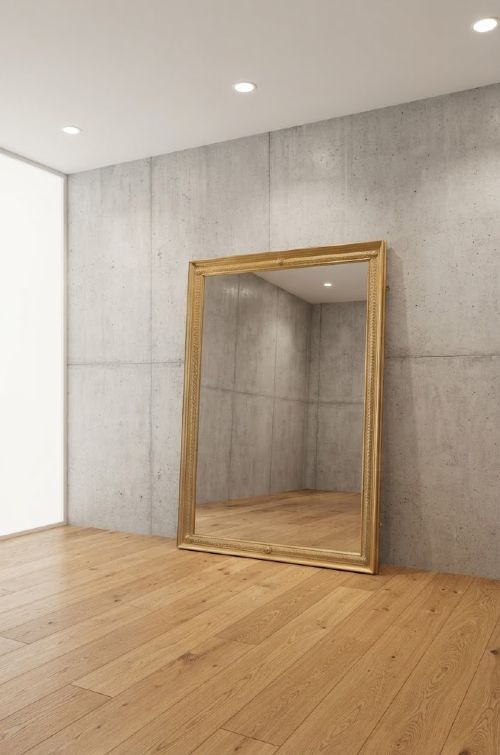
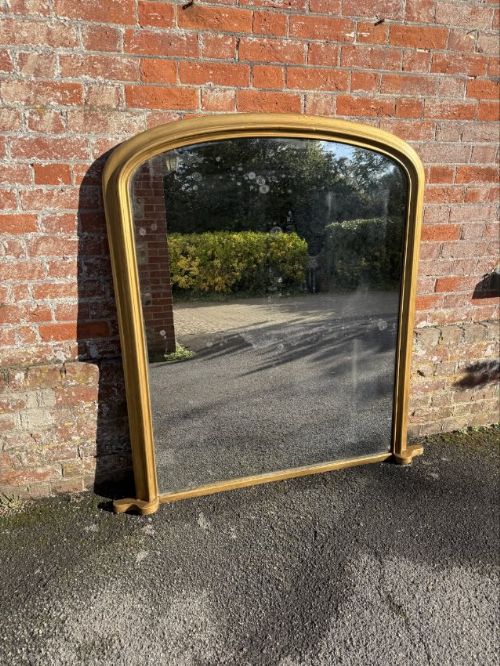
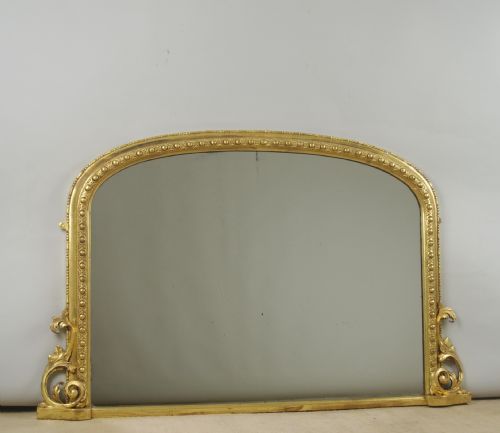
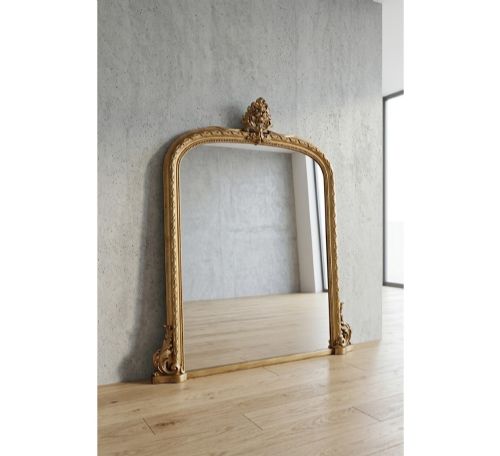
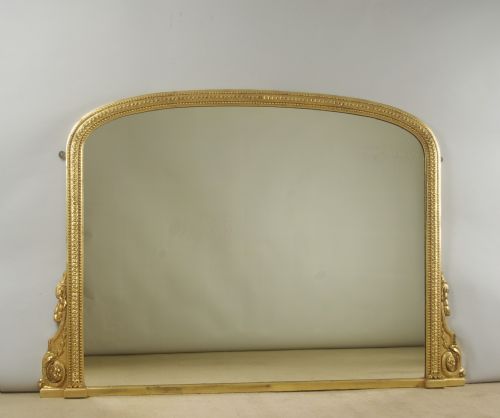
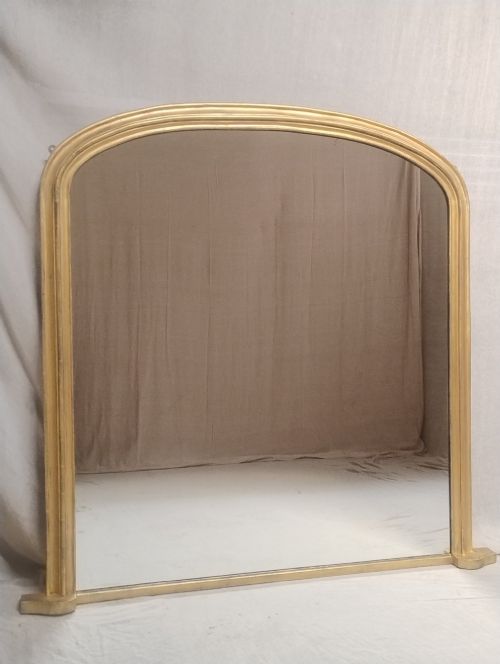
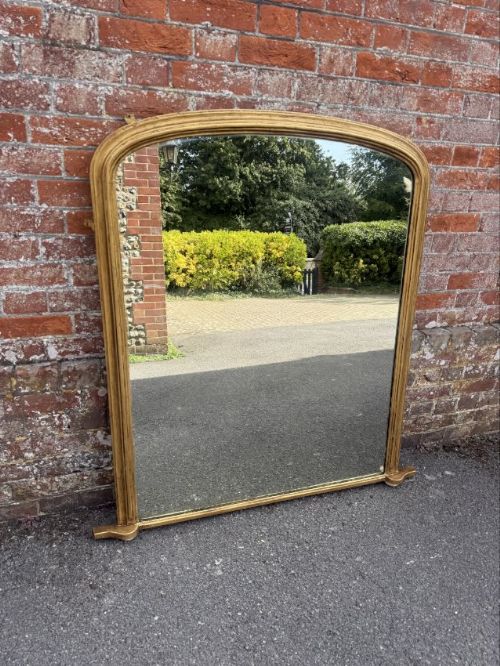
A traditional giltwood mirror is a heavy wooden frame coated in gesso and finished with gold leaf or gilt, designed to hang on a wall or stand above a mantelpiece. When searching for a traditional giltwood mirror, buyers will find formats ranging from large Victorian overmantels to smaller pier mirrors and dressing mirrors.
The pieces available span several centuries and styles, taking in 18th century walnut and parcel gilt, Regency pier mirrors, and elaborate 19th century French chateau and Rococo designs. Overmantel mirrors dominate the selection, often featuring arched tops and substantial proportions suited to period interiors.
Materials and construction
Frames are constructed from timber, frequently including mahogany or walnut beneath the surface, which is then layered with gesso to create a smooth base for carving. Artisans carved intricate details directly into the wood and gesso before applying gold leaf or composition ornament.
Glass plates are set within these frames, sometimes showing original foxed qualities or replaced with new glass. Construction methods across the 19th century rely heavily on joined wood and moulded gesso to achieve ornate architectural and floral motifs.
Traditional Giltwood Mirror Retail Price Guide 2026
Typical asking prices for traditional giltwood mirror among the pieces listed under this phrase on Sellingantiques today, from the lower quarter to the upper quarter. They describe what is for sale here now, not the wider market.
Listings feature periods spanning from the 18th century through the Regency, Victorian and Edwardian eras, executed in giltwood, gesso and mahogany.
Judging quality
Quality rests in the depth and sharpness of the hand-carved wooden elements versus the uniformity of moulded composition ornament. Crisp botanical details, scrolls and rope twist motifs show the hand of a skilled maker.
The condition of the original gilding and the character of the glass plate separate standard examples from finer ones. Original foxing on the glass and intact gold leaf retain the historic integrity of the piece.
The Traditional Giltwood Mirror Glossary
- Giltwood
- Wood that has been decorated with gold leaf or gold paint. This surface finish creates the characteristic warm metallic sheen seen on period frames.
- Gesso
- A plaster mixture applied to a wooden frame as a base for carving and gilding. It allows for intricate relief work and a smooth finishing surface.
- Overmantel mirror
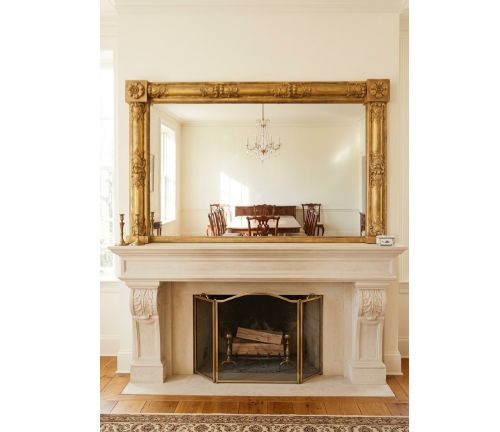
- A large mirror specifically designed to be positioned above a fireplace mantel. These pieces often feature horizontal proportions or arched tops to match architectural chimney breasts.
- Pier mirror
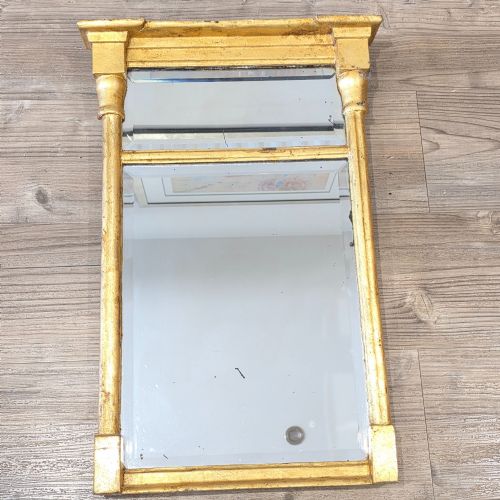
- A tall, narrow mirror designed to hang on the wall space between windows. They frequently incorporate candle sconces or small console tables beneath.
- Foxed glass
- Mirror glass that has developed spots and discolouration due to age and moisture degradation behind the silvering. Many collectors prize this characteristic sign of antiquity.
- Parcel gilt
- A decorative technique where only specific parts of an object are gilded while the underlying wood grain remains visible. It provides a contrast between exposed timber and gold leaf.
Traditional Giltwood Mirror: Frequently Asked Questions
How do I hang a heavy overmantel mirror?
These heavy carved frames require secure fixing directly into wall studs or masonry using appropriate heavy-duty brackets. Professional installation is recommended given the substantial weight of timber and gesso construction.
Ensure the hanging wire or mirror plates distribute the load evenly across the frame structure to prevent twisting or strain on the antique joints.
Can I clean the original gold leaf?
Dust the surface gently with a soft, dry brush or feather duster to remove particles without disturbing delicate areas of the leaf. Avoid using water, chemical cleaners or abrasive cloths which will strip the historic gilding.
Professional conservation is advised if the surface requires deeper cleaning or consolidation of flaking gesso.
What is the difference between an overmantel and a wall mirror?
An overmantel mirror is traditionally proportioned to sit above a fireplace, often featuring an arched top and wide dimensions to span the mantel width. Wall mirrors encompass a broader range of shapes including oval, rectangular and pier formats intended for general wall placement.
Both utilise similar carved giltwood and gesso techniques depending on the period style.
How do I identify a Regency mirror?
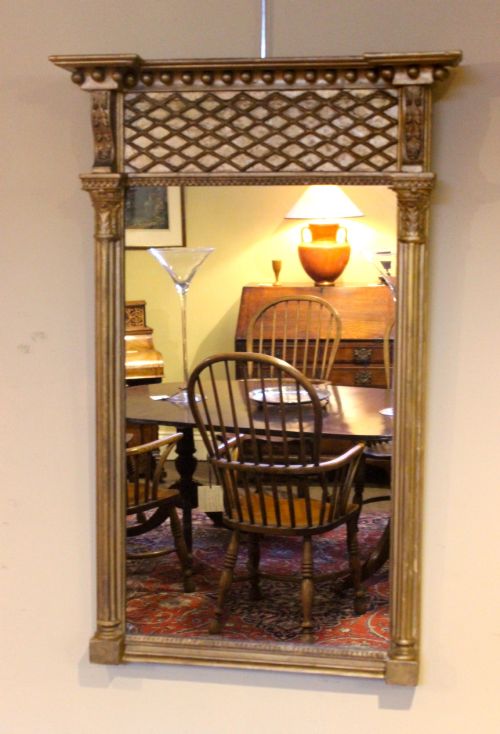
Regency mirrors often incorporate classical architectural motifs such as columns, ball accents on the frame, and ebonised details alongside the traditional gilt finish. The proportions lean towards refined neoclassical symmetry rather than the exuberant curves of later Rococo revival pieces.
Checking the construction materials and glass characteristics helps confirm the early nineteenth-century origin.