
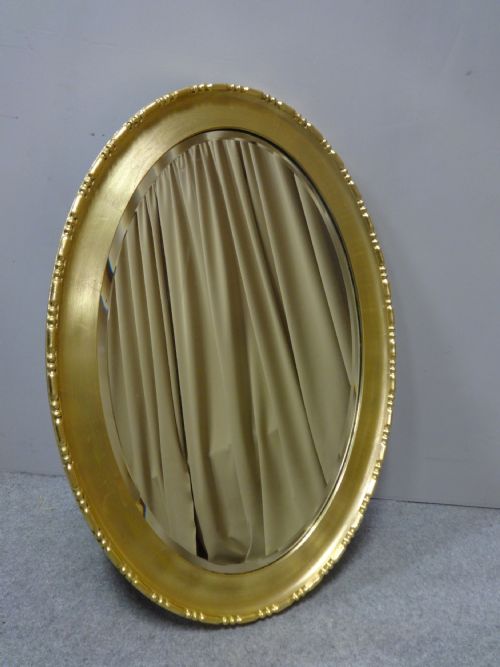

Gilded Mirror for Fireplace
A gilded mirror for fireplace placement brings scale and reflective light to a room, drawing the eye naturally above the hearth.
Gilded Mirror for Fireplace
When searching for a gilded mirror for fireplace use, buyers encounter large horizontal overmantel mirrors designed to sit securely on a mantelpiece shelf or hang directly upon the chimney breast. The selection spans the nineteenth century, including Victorian, Regency, and Edwardian periods, with frequent appearances of arched tops and ornate frames.
The dominant forms are heavy overmantel mirrors in styles such as Rococo Revival, French Chateau, and Chinese Chippendale. These substantial pieces reflect the proportions of period domestic architecture, where fireplace openings demanded generous visual weight above them.
Materials and construction
Makers formed the structural frames from carved wood, applying layers of gesso to build up intricate surface details such as rope twists, columns, and crestings. Gilding was achieved using gold leaf or composition metal applied over the prepared gesso base.
Glazing typically involved heavy mirror glass fitted into the timber rebates, occasionally showing age-related foxing. Triple plate configurations and shaped upper edges appeared in more elaborate examples from the mid to late nineteenth century.
Several mirrors include nautical rope twist details, suggesting the sea found its way inland to warm British hearths.
Assessing quality
Quality rests in the crispness of the carved wood and gesso ornamentation, where sharp relief work indicates skilled hand-tooling rather than soft, mass-produced moulding. The depth and integrity of the original gilding also distinguish superior examples.
Structural robustness matters given the considerable weight of these frames. Superior pieces retain their original mirror plates and backing boards, showing harmonious integration between the glass, the gilt surface, and the timber carcass.
The Gilded Mirror for Fireplace Glossary
- Gesso
- A plaster-like mixture applied to wood frames as a base for gilding. It allows for intricate, moulded relief decoration.
- Giltwood
- Timber that has been gilded with gold leaf or metal leaf. This forms the primary lustrous surface of these frames.
- Overmantel
- A large mirror specifically proportioned to hang on the wall or rest upon the shelf directly above a fireplace. These pieces often feature horizontal emphasis.
- Foxing
- Small dark spots or patination appearing within the silver backing of older mirror glass. It results from chemical reactions over decades.
- Composition
- A moulded paste mixture used to create decorative frame details quickly. It provides an alternative to hand-carving in wood.
Gilded Mirror for Fireplace: Frequently Asked Questions
How do I secure an overmantel mirror safely?
These heavy frames require fixing directly into wall studs or masonry rather than relying solely on the mantelpiece shelf.
Professional wall brackets distribute the substantial weight securely to prevent tipping.
Can these mirrors rest directly on a mantel shelf?
Many period examples were designed to sit on the timber shelf with upper wall anchors for stability.
Weight distribution pads protect the fireplace timber from indentations caused by the heavy frame.
What period styles are common for fireplace mirrors?
Nineteenth-century styles dominate, ranging from clean Regency lines to ornate Victorian Rococo Revival.
Arched tops and classical column details reflect the architectural preferences of those eras.
How should I clean a antique gilt frame?
Dust the intricate gesso and giltwood surfaces gently using a soft, dry brush.
Avoid liquid cleaners or abrasive cloths that can strip the delicate gold leaf finish.