
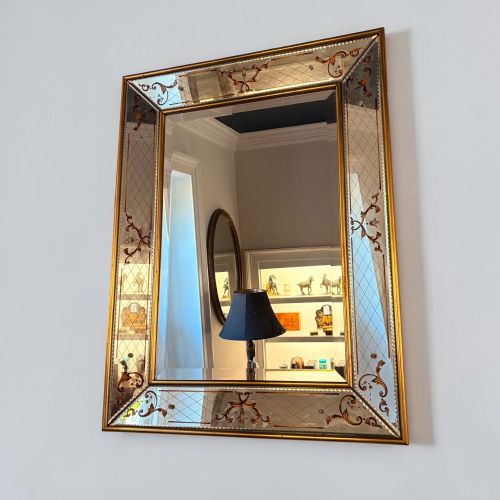

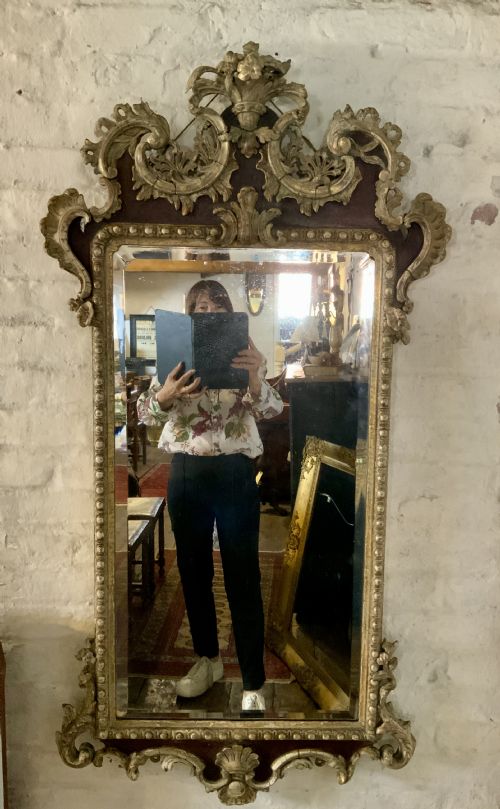
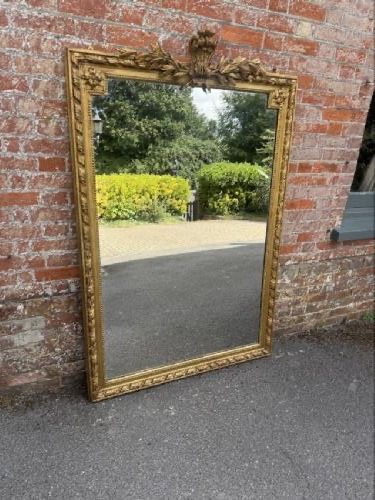
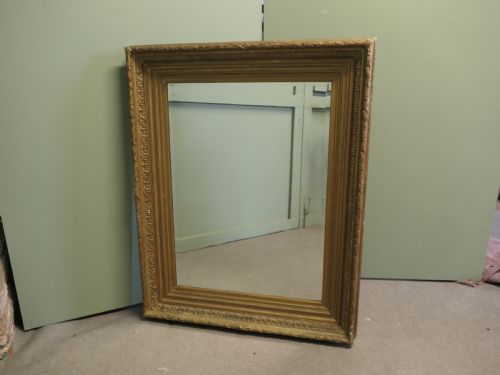
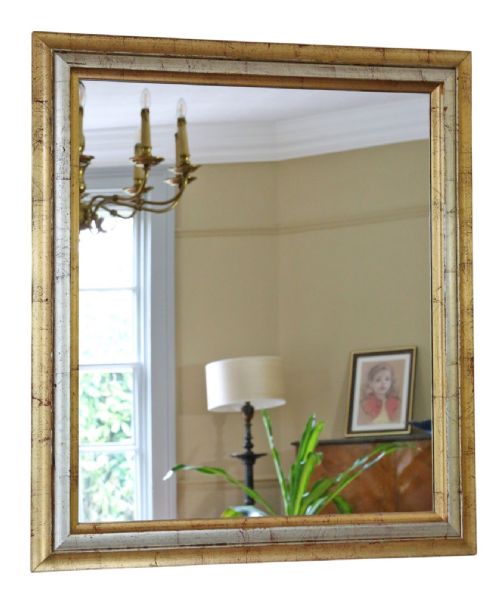


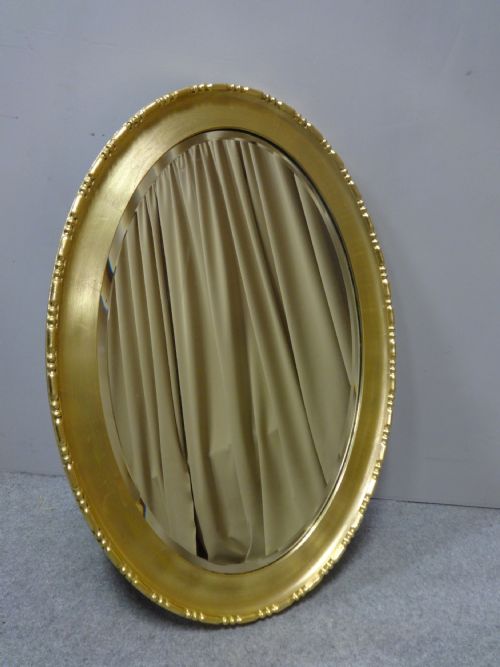
Traditional Gilded Accent Mirror
These traditional gilded accent mirror pieces bring light and warmth to a room, offering craftsmanship in giltwood and gesso across several periods.
Traditional Gilded Accent Mirror
A traditional gilded accent mirror is a wall hanging designed to catch the light and anchor a room, appearing in forms such as large wall mirrors, rectangular frames, and pier glasses. When you search for a traditional gilded accent mirror, you encounter pieces spanning the eighteenth, nineteenth, and twentieth centuries, originating from British, French, and Spanish workshops.
The most common examples on this page date from the nineteenth century, including Victorian pieces alongside French nineteenth-century interpretations of earlier styles. These range from substantial carved giltwood frames to smaller oval and hall mirrors, often displaying influences from the Baroque revival, Georgian rococo, and French chateau aesthetics.
How traditional gilded accent mirror pieces were made
Maker construction relies heavily on carved wood and walnut foundations, upon which layers of gesso are applied to build intricate surface relief. This preparation allows artisans to achieve sharp floral and architectural detail before applying gold leaf or paint finishes.
Guilders apply thin sheets of gold leaf or composition metal over the prepared gesso, sometimes combining gilding with overpainting or parcel gilt highlights. The resulting surfaces interact with light in specific ways depending on whether the finish is burnished or left with a softer matte texture.
A Spanish carved mirror walks into a French chateau style room, and everyone agrees the rope twist is looking sharp today.
What varies in quality in traditional gilded accent mirror pieces
Quality in a traditional gilded accent mirror is determined by the crispness of the hand-carved woodwork and the depth of the gesso application beneath the gold leaf. Superior examples show precise relief work in the foliage and scrollwork without softening of the edges from heavy overpainting.
The integrity of the underlying timber frame and the originality of the glass plate also separate standard examples from finer ones. Walnut frames with hand-painted foliate panels or well-preserved parcel gilt details display a higher degree of artisan attention during manufacture.
The Traditional Gilded Accent Mirror Glossary
- Giltwood
- Wood that has been coated with gold leaf or a gold-coloured finish. This technique creates a luminous surface that defines many classic mirror frames.
- Gesso
- A plaster-like mixture applied to wood frames to create a smooth surface for carving and gilding. It allows for intricate relief ornamentation.
- Pier Glass
- A tall mirror designed to hang on the wall between windows, often placed above a pier table. These tall formats visually expand interior spaces.
- Parcel Gilt
- A decorative treatment where only specific parts of an object are gilded, leaving other areas like exposed walnut to show through. This creates a subtle contrast between wood grain and gold.
- Composition
- A moulded material made from whiting, resin, and glue used as a faster alternative to hand carving. It is applied to frames to build up repetitive ornamentation.
Traditional Gilded Accent Mirror: Frequently Asked Questions
How do I hang a heavy gilt mirror?
Heavy traditional frames require secure wall fixings distributed into structural studs or masonry rather than standard plasterboard hooks. Professional mirror hangers use robust brackets rated to support the considerable weight of carved wood and glass.
Ensuring the hanging wire or D-rings on the reverse are firmly anchored into the timber prevents structural strain on the antique frame over time.
How do I clean an antique gilt surface?
Dust giltwood and gesso surfaces gently with a soft, dry brush to prevent abrasive particles from scratching the delicate gold leaf layer. Avoid liquid cleaners, chemical sprays, or damp cloths, which can lift the gesso and damage the historic finish.
Glass plates can be cleaned sparingly using a cloth slightly dampened with glass cleaner, taking care not to let any liquid seep behind the frame edge.
Are the mirror plates original?
Many antique mirrors retain their original glass, which often displays minor foxing, dark spots, or light surface ripples resulting from age. These characteristics confirm the authenticity and period of the piece rather than detracting from its overall integrity.
Replacement glass plates appear brighter and lack the subtle distortion found in nineteenth-century and earlier manufacturing methods.
How do I identify a Victorian gilt mirror?
Victorian examples frequently utilise composition ornamentation over softwood or pine frames, displaying revival styles such as baroque scrollwork or classical motifs. Examining the construction of the joints and the backing boards helps confirm the nineteenth-century date.
Maker marks, old paper labels, or the style of the gilt preparation layers further assist in dating these wall mirrors accurately.