
French Crest Wall Mirror
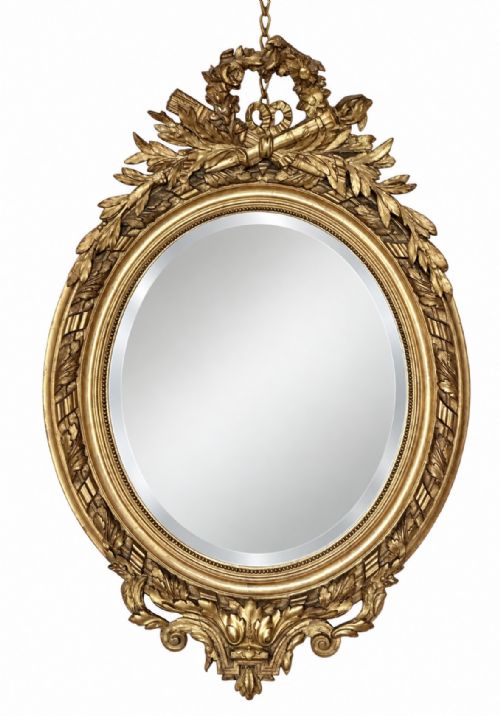
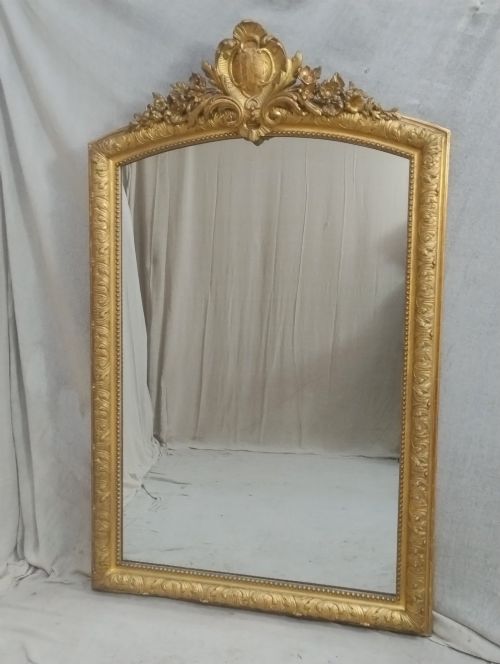
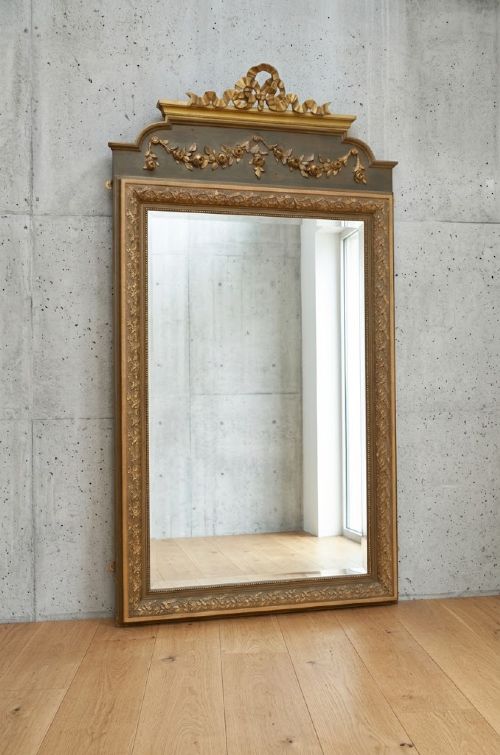
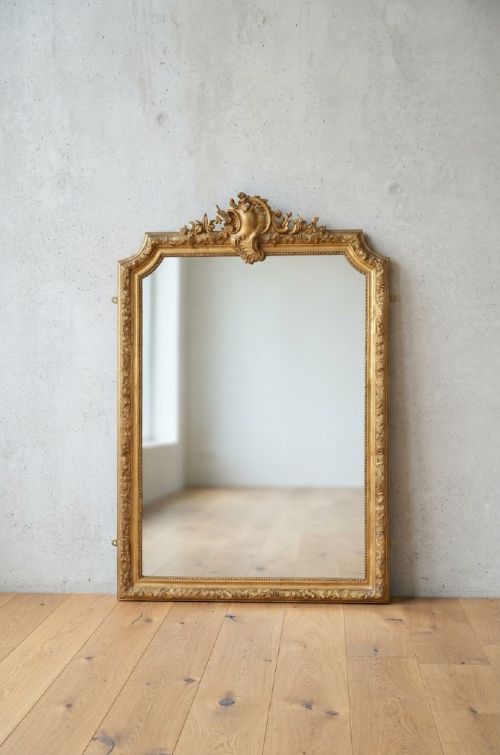
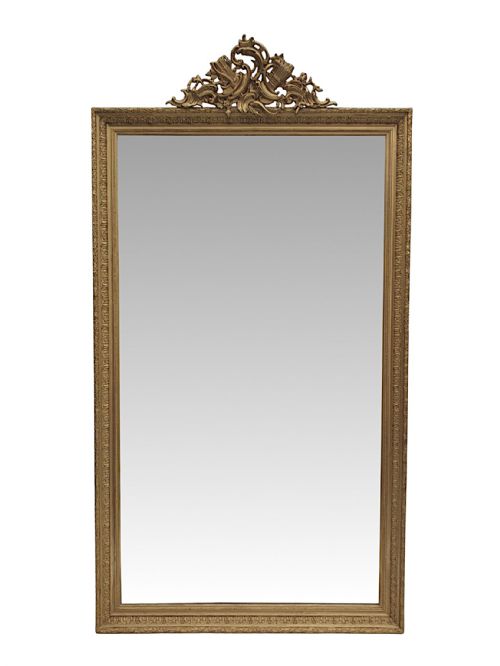
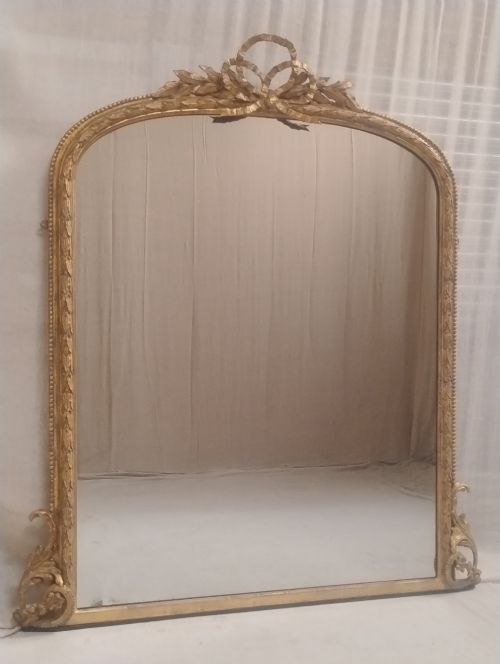
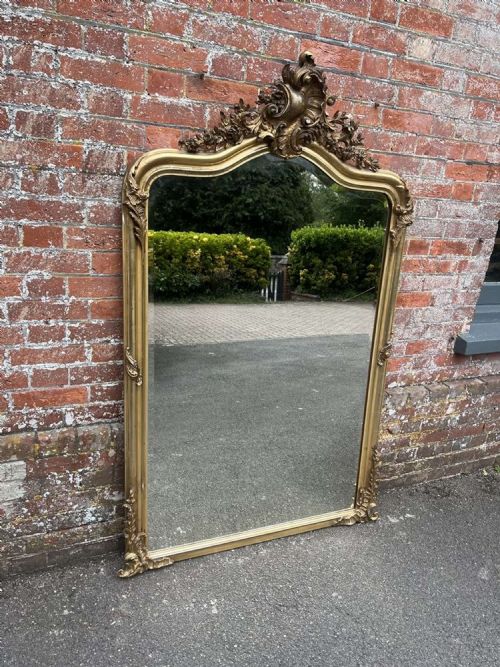
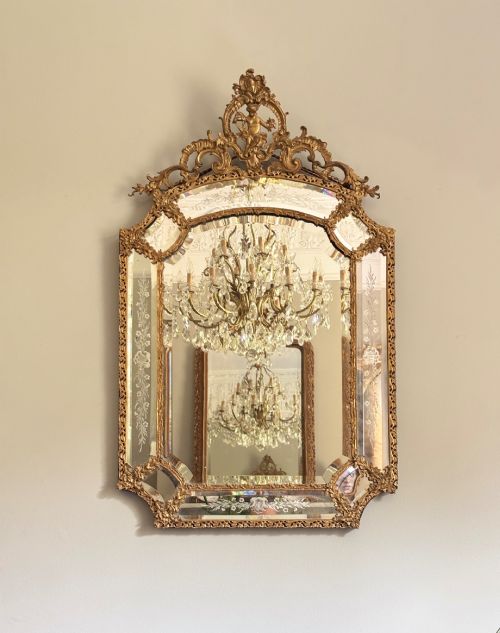
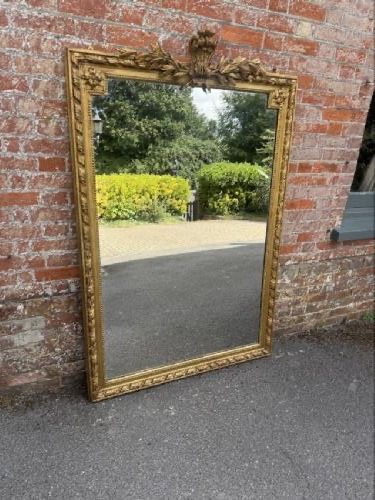
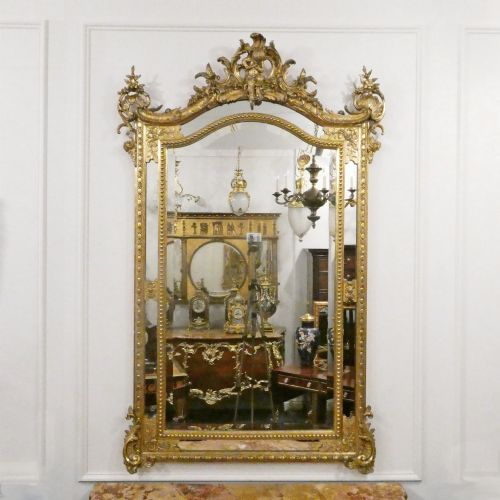
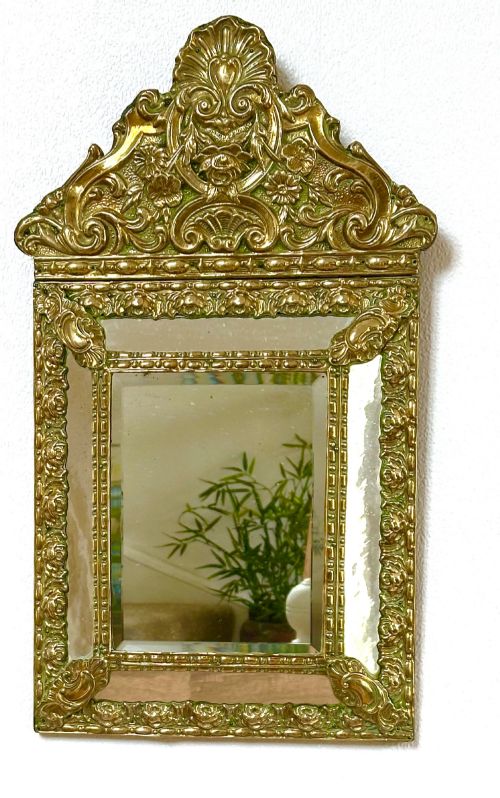
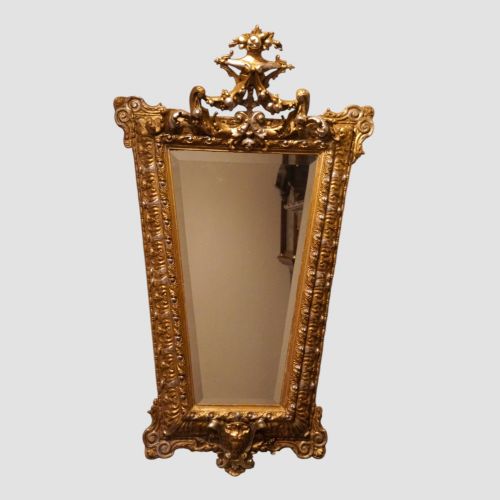
A french crest wall mirror brings nineteenth-century presence to a room through carved wood, giltwork and sculptural crests.
What these french crest wall mirrors are
When you search for a french crest wall mirror, you find nineteenth-century wall mirrors and overmantles originating from France. These pieces date from the 1860s, 1870s and 1880s, reflecting nineteenth-century French tastes and craftsmanship.
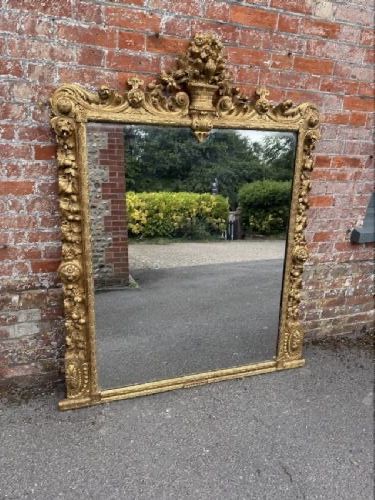
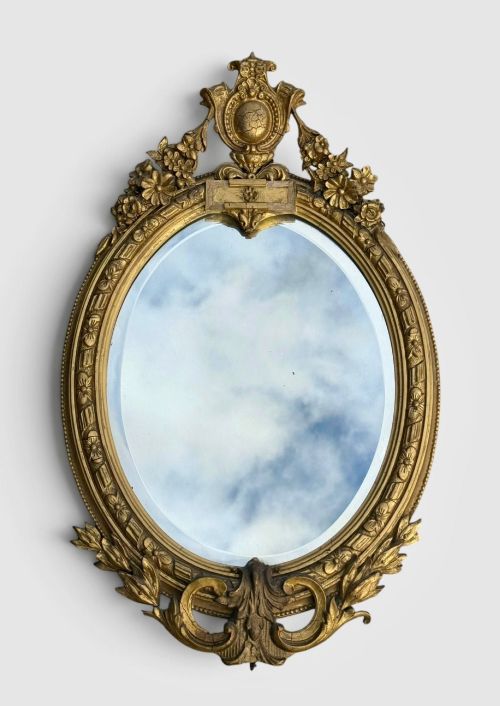
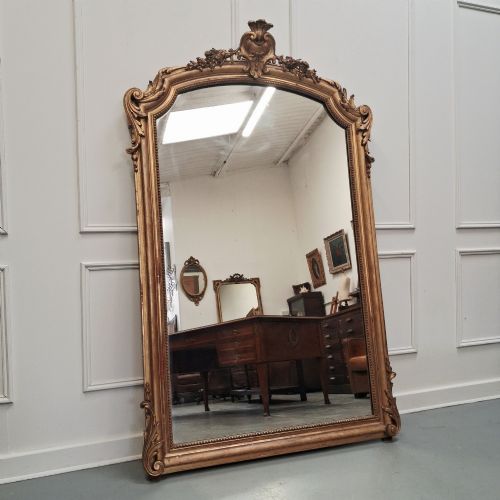
The most common examples on this page are large giltwood, gesso and wood mirrors featuring ornate crests at the top. Styles range from French Louis XV and Louis XVI to Napoleon III designs.
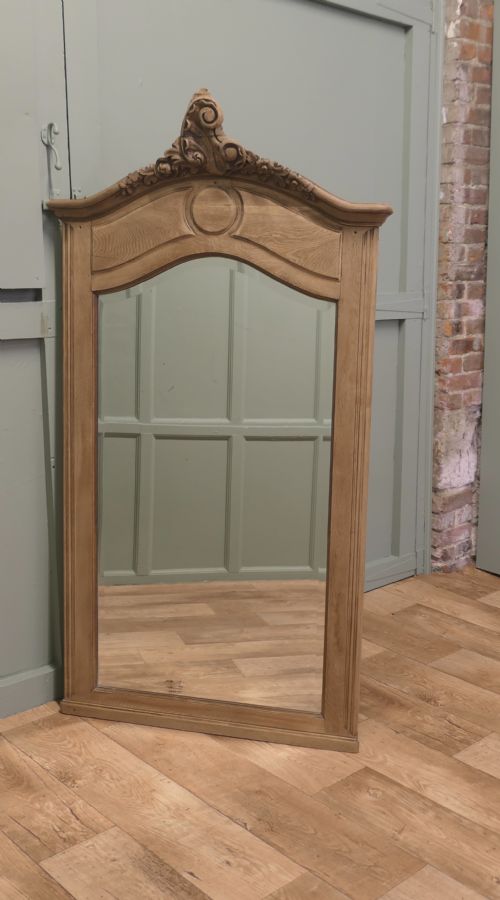
The defining characteristic across the selection is the sculptural crest, which takes forms such as dragons, torches and quivers, reclining cherubs, urns and rope twist frames.
How they were made
Carved wood provides the structural frame for these mirrors, supplemented by applied gesso moulded into ornamental details and decorative motifs. Artisans shaped the wooden foundations before adding the intricate surface ornamentation.
Gilding techniques involve the application of gold leaf or gilt finish over the gesso and wood, creating the bright metallic surfaces seen on giltwood examples. Alternatively, some pieces utilise ebonised finishes paired with gilt details and brass mounts.
Retail Price Guide 2026
Typical UK retail prices for french crest wall mirror, calculated from the Sellingantiques database of over a million retail prices indexed since 2003. This retail price guide relies exclusively on Sellingantiques data; no external sources or auction records are used, so the figures do not describe the wider market.
Listings span the 1860s, 1870s and 1880s, utilising materials such as gesso, glass, wood, gold leaf, giltwood and brass.
What varies in quality
The distinction between standard and superior pieces lies in the depth and articulation of the carved crests and frames. Highly detailed motifs, such as dragons, cherubs, or torches and quivers, require advanced sculptural skill compared to simpler architectural mouldings.
Material application also dictates quality, where finely burnished gold leaf and well-preserved giltwood outlast painted or distressed alternatives. The integration of glass plates and structural joinery determines the overall integrity of the mirror.
The French Crest Wall Mirror Glossary
- Giltwood
- Wood that has been covered with gold leaf or a gold-coloured metallic finish. This material defines the surface appearance of many nineteenth-century French mirrors.
- Gesso
- A plaster-like mixture applied to wood frames and carved or moulded into relief decorations. It serves as the base for gilding and intricate crest details.
- Overtmantle
- A large mirror designed to hang specifically above a fireplace mantelpiece. These pieces often feature prominent crests suited to high wall spaces.
- Napoleon III
- A mid-nineteenth-century French design period known for eclectic revivals and dark ebonised finishes combined with gilt highlights. Pieces from this era frequently incorporate elaborate crests.
- Louis XV
- A French decorative style characterised by asymmetrical curves, scrollwork and naturalistic motifs. Mirrors in this style display flowing, organic frame designs.
Frequently Asked Questions
How do I hang a heavy french crest wall mirror?
These large nineteenth-century mirrors require secure wall fixings anchored directly into masonry or robust wall studs to support the substantial weight of the wood, gesso and glass.
Professional mirror hangers should assess the weight distribution, particularly for pieces with elaborate projecting crests that alter the centre of gravity.
Where should I place an overmantle mirror?
An overmantle mirror traditionally hangs directly above a fireplace mantelpiece, where its large scale and decorative crest draw the eye upward.
Positioning the glass at the correct height reflects natural light from windows and opens up the proportions of the room.
What motifs appear on these mirror crests?
Crests on these mirrors display a variety of sculptural subjects, including mythical dragons, reclining cherubs, torches with quivers and decorative urns.
These motifs reflect nineteenth-century French revival styles and add distinct character to the top of each frame.