


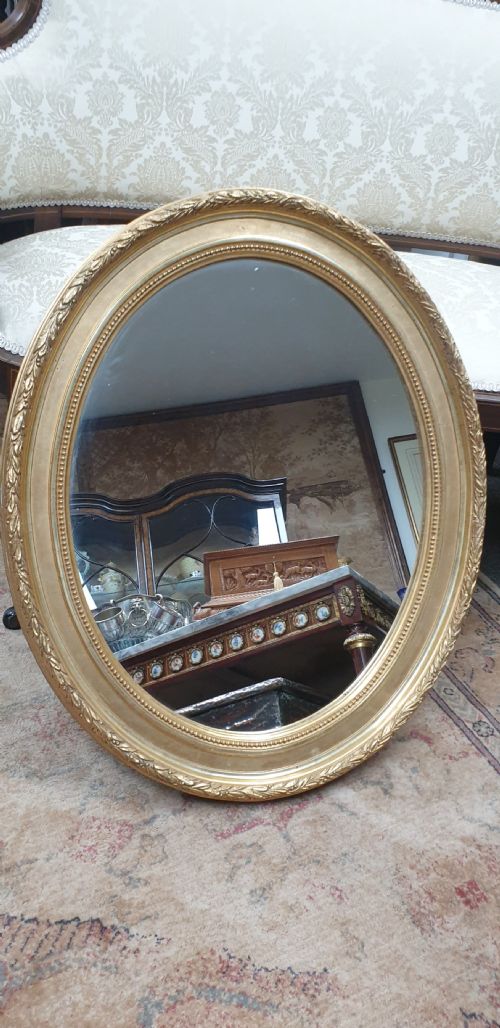

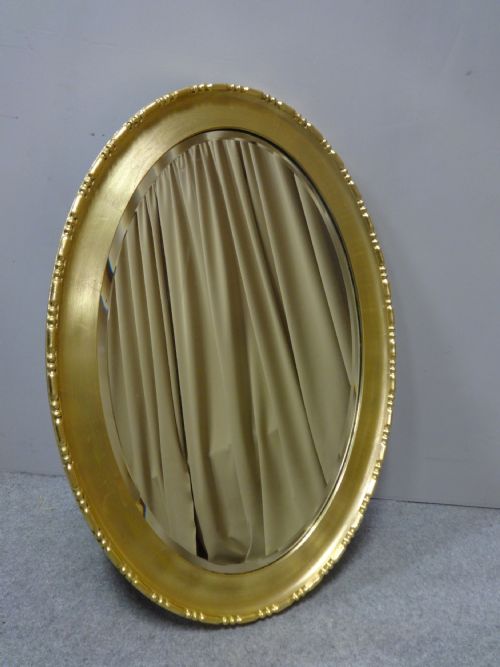
Edwardian Period Wall Mirror
These edwardian period wall mirror pieces bring period character and light to a room, offering the proportion and detail that collectors seek.
Edwardian Period Wall Mirror
When you search for an edwardian period wall mirror, you encounter everything from simple domestic glass to grand overmantels. The selection on this page centres on pieces from the Edwardian era, alongside earlier examples that share related forms and materials.
You are most likely to meet rectangular and oval formats designed for hanging on principal walls or resting above fireplaces. Many incorporate mahogany, oak, rosewood, or gilded frames, while others display intricate marquetry inlay, copper framing, or ebonised finishes.
The objects listed range from compact wall-hanging designs to substantial overmantel mirrors. Alongside standard domestic pieces, the evidence shows specialist variations including candle sconces, convex plates, and etched or engraved glass.
What varies in quality
The distinction between ordinary and exceptional pieces lies in the crispness of the carving, the depth of the gilding, and the integrity of the frame construction. Superior examples retain their original mercury plates and precise inlay work without heavy timber replacement.
Finishing details separate standard production from master craftsmanship, such as the clarity of etched glass decoration, the retention of original candle sconces, and the balanced proportions of ornate overmantel crests.
Some Edwardian mirrors multitask with built-in candle sconces, perfect for checking your reflection by candlelight when the power fails.
The Edwardian Period Wall Mirror Glossary
- Mercury plate
- An early type of mirror glass created using a tin and mercury amalgam behind the glass, which produces a distinctive mottled and reflective appearance. It is commonly found on 18th-century and earlier mirrors.
- Overmantel mirror
- A large wall mirror specifically proportioned to hang on the wall directly above a fireplace mantelpiece. These pieces frequently feature ornate frames and landscape orientations.
- Gesso
- A plaster-like material applied to wooden frame bases to create a smooth surface for subsequent gilding or painting. It is easily moulded into intricate decorative relief patterns.
- Marquetry
- The art of applying decorative veneer pieces in wood to a structured surface to form geometric or pictorial designs. Edwardian pieces often employ this technique on mahogany or rosewood frames.
- Pier mirror
- A tall, narrow mirror designed to hang on the wall space between two windows, often placed above a matching pier table. The evidence records George IV examples of this form.
- Convex mirror
- A round mirror featuring a curved glass plate that reflects a wide, distorted panoramic view of the room. These frames often incorporate decorative balls or reeded slips.
Edwardian Period Wall Mirror: Frequently Asked Questions
Where should I hang an overmantel mirror?
Overmantel mirrors are traditionally positioned directly above the fireplace mantelpiece to reflect light and anchor the room's main focal point. They also work well on large expanse walls in principal reception rooms.
Ensure the fixings match the substantial weight of these large frames and that the height allows for a balanced relationship with the ceiling.
How can I tell Edwardian mirrors from Victorian ones?
Edwardian mirrors often favour lighter framing materials, marquetry inlay, and Arts and Crafts copper elements compared to the heavier, darker, and more Gothic-influenced styles of the Victorian era. Design motifs shifted toward lighter Neoclassical revivals and simpler geometric lines.
Examine the construction joints, backing boards, and glass silvering methods to help confirm the manufacturing period.
What is a mercury plate?
A mercury plate is an early mirror plate manufactured using a tin and mercury backing technique before the modern silver nitrate process was invented. This method produces a darker, warmer reflection with characteristic small dark speckles and foxing.
Its presence generally indicates an earlier date, often appearing on 18th-century pieces.
Can small wall mirrors be used in hallways?
Compact wall mirrors suit narrow hallways and entrance spaces by bouncing ambient light and creating a sense of increased room depth. Oval and rectangular shapes fit well between doorways or above small console tables.
Choose pieces with secure hanging loops and durable frames that withstand daily passage.