

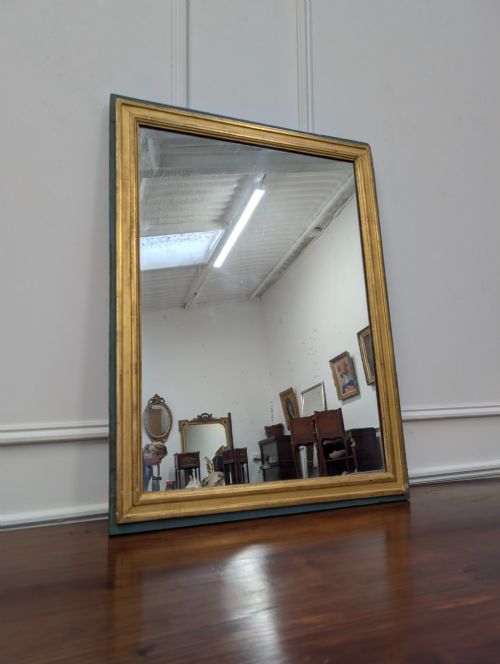
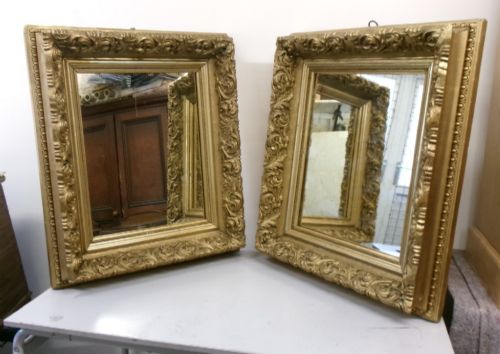
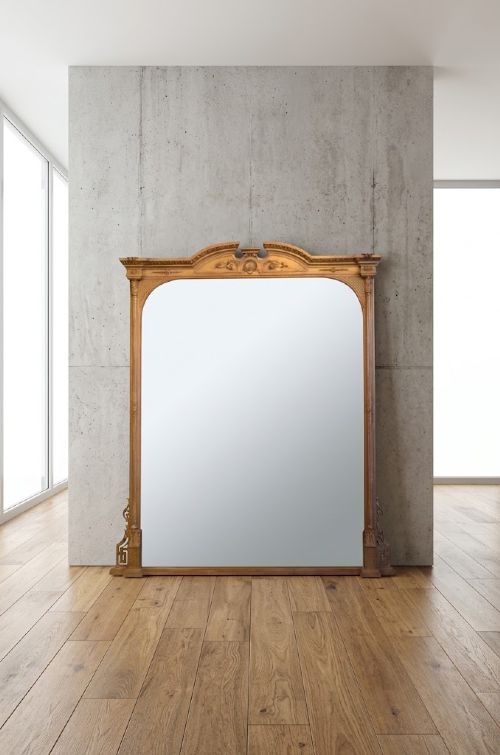
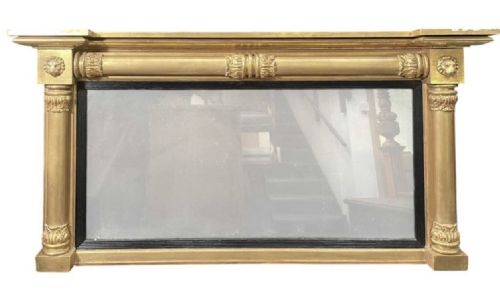




Classic Gilded Wall Mirror
A classic gilded wall mirror brings light and presence to a room, drawing the eye with its reflective glass and gold surface.
Classic Gilded Wall Mirror
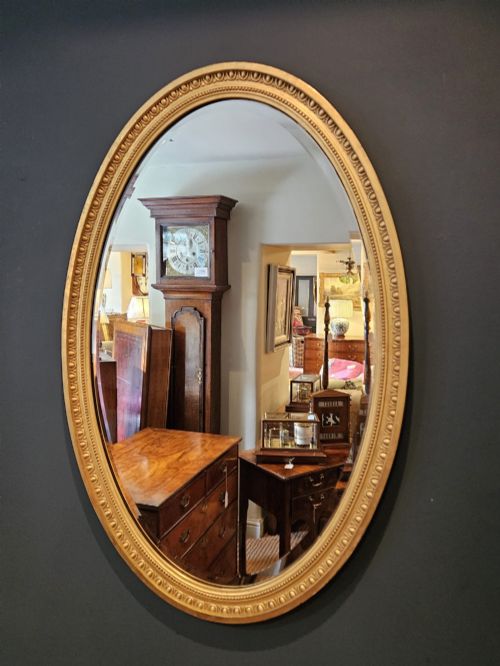
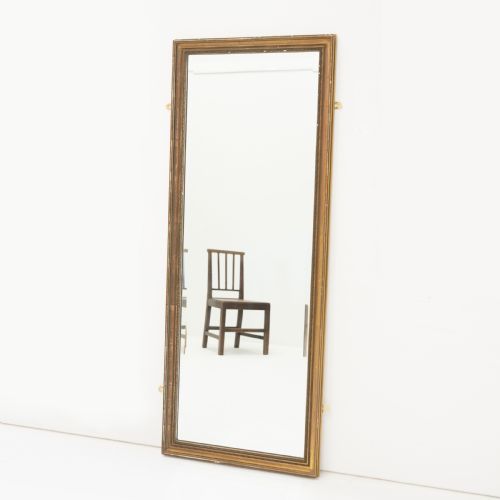
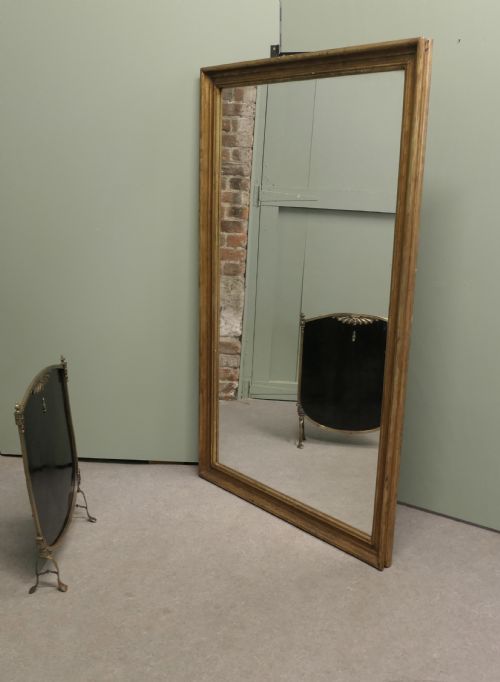
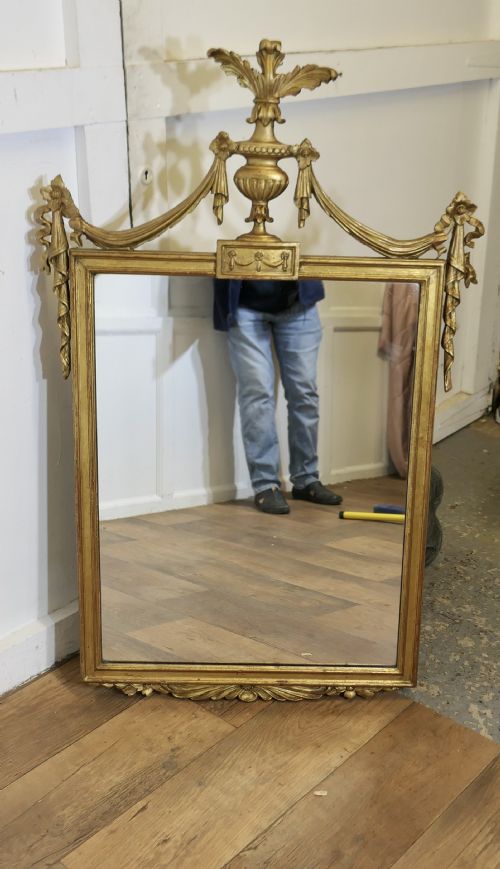
A classic gilded wall mirror is a reflective hanging or mantelpiece furnishing defined by its gold-toned or gold leaf finish over wood, gesso or composition. These pieces appear in forms such as large overmantels, tall rectangular plates, pier glasses, and oval frames.
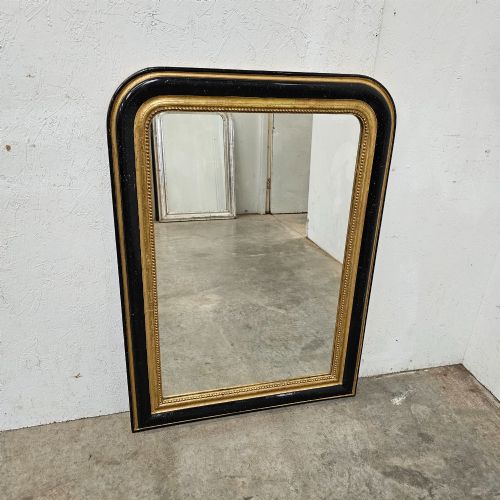
The versions most commonly met on this page span the nineteenth century, including Victorian, Regency, and Georgian eras, alongside French Louis Philippe and Louis XVI styles. They serve both a practical domestic function and a decorative architectural role within a room.
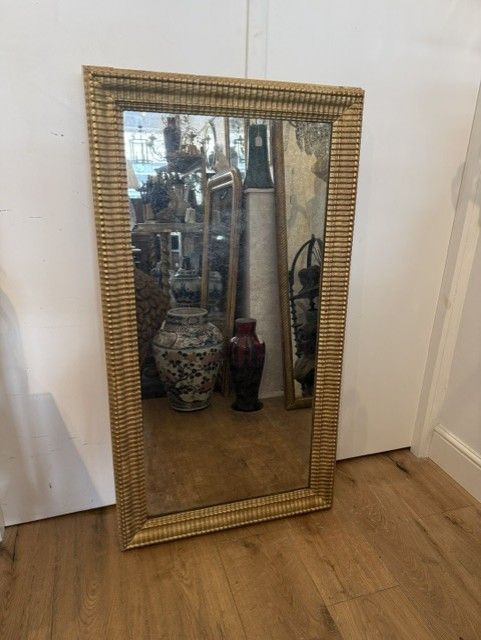
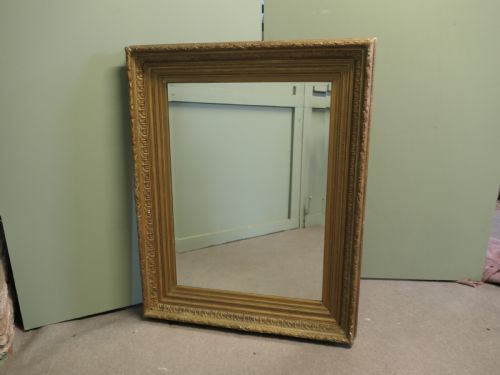
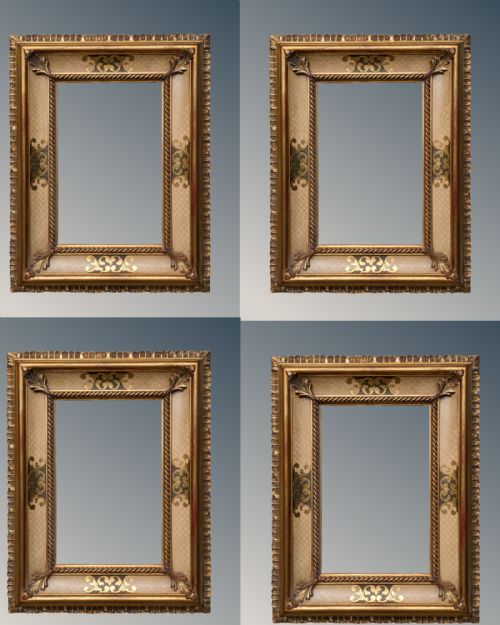
Originating primarily from English and French workshops, these mirrors range from compact oval wall hangings to grand architectural overmantels designed to sit above a fireplace. Their frames show considerable variety in shape, from simple ripple moulding to deeply carved Italianate ornamentation.
How they were made
The foundation of these frames typically relies on carved wood, solid timber, or moulded composition built up over a wooden base. Artisans applied layers of gesso to the carved or moulded wooden substructure to create a smooth, prepared surface for subsequent gilding.
Guilders then applied gold leaf or composition metal leaf to the prepared gesso and wood ground, often burnishing the surface to achieve a bright metallic sheen. Frames frequently combined carved wooden elements with moulded gesso enrichments to achieve intricate relief decoration.
Classic Gilded Wall Mirror Retail Price Guide 2026
Typical asking prices for classic gilded wall mirror among the pieces listed under this phrase on Sellingantiques today, from the lower quarter to the upper quarter. They describe what is for sale here now, not the wider market.
Listings feature mirrors spanning the eighteenth, nineteenth, and early twentieth centuries, utilising giltwood, gesso, and mirror glass.
What varies in quality
The depth and crispness of the carved detail on the wooden frame separate standard production from superior work. Hand-carved wooden frames exhibit sharper relief and greater fluidity than those relying heavily on moulded composition ornaments.
The original integrity of the gilding and the clarity of the mirror glass contribute significantly to the character of the piece. Superior examples retain their original gold leaf surfaces and heavy, deep-sectioned framing timbers.
The Classic Gilded Wall Mirror Glossary
- Giltwood
- Wood that has been coated with gold leaf or gold paint. This material forms the primary structure of many traditional decorative frames.
- Gesso
- A plaster-like mixture applied to wood frames to create a smooth surface for gilding. It allows artisans to carve intricate details before applying the gold leaf.
- Overmantel Mirror
- A large mirror specifically designed to be hung above a fireplace mantel. These pieces often feature wide proportions to match the span of the hearth below.
- Pier Glass
- A tall mirror designed to be hung on the pier, the section of wall space situated between two windows. They reflect additional natural light deep into the room.
- Composition
- A mouldable mixture of whiting, resin, glue, and oil pressed into ornamental shapes. It provides a cost-effective alternative to hand-carved wood details on frames.
Classic Gilded Wall Mirror: Frequently Asked Questions
Where should I hang a large overmantel mirror?
These mirrors are traditionally positioned directly above a fireplace mantelpiece to anchor the room's central focal point. Their grand scale helps to bounce natural light around the space and visually expand the room.
Ensure the wall fixings match the substantial weight of the timber and gesso frame. Secure the mirror safely to solid wall studs rather than depending solely on plaster.
How do I identify a Victorian gilt mirror?
Victorian examples often feature heavy proportions, plaster or gesso ornament, and architectural overmantel formats. Stylistic cues draw heavily on earlier Georgian and classical motifs executed with nineteenth-century manufacturing methods.
Look closely at the construction joints, backing boards, and the ageing of the mirror plate. These physical characteristics help confirm the nineteenth-century production period.
What is the difference between giltwood and composition frames?
Giltwood frames are constructed from solid timber that has been directly carved and gilded. They represent a higher standard of craftsmanship compared to frames built with applied composition ornaments.
Composition ornaments are moulded separately and fixed to a simpler wooden base. Many classic mirrors combine both techniques, using carved wood for the main structure and moulded composition for repetitive decorative details.
How do French and English mirrors differ?
French mirrors from periods like Louis Philippe or Louis XVI often display refined proportions, subtle crest ornaments, and tall rectangular formats. English pieces, particularly Victorian overmantels, frequently tend towards heavier frames with deeper mouldings and architectural pediments.
Both national traditions utilised similar gilding and gesso techniques on wooden frames. The distinction lies primarily in the decorative vocabulary and the proportions of the frame moulding.