



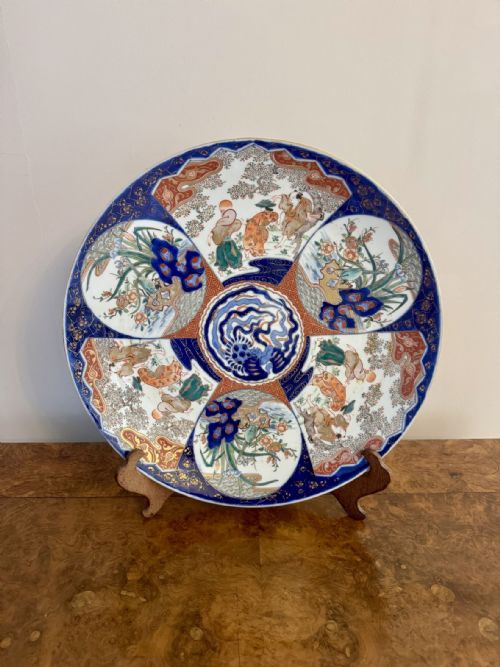
Large Ceramic Platter
A large ceramic platter holds the centre of a dining table or display wall, offering generous proportions and striking painted decoration.
Large Ceramic Platter
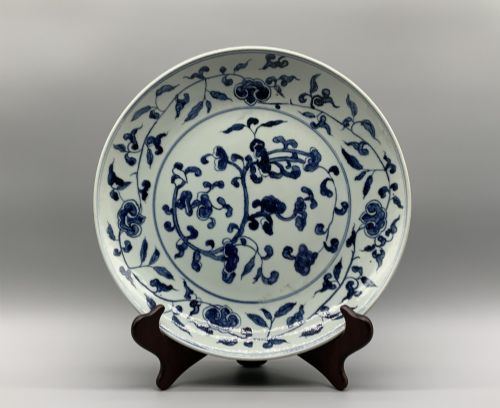
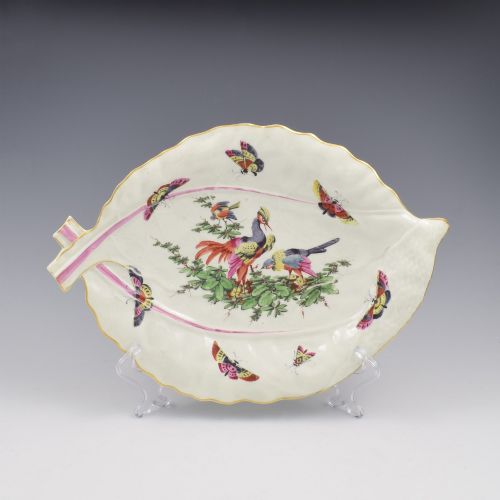
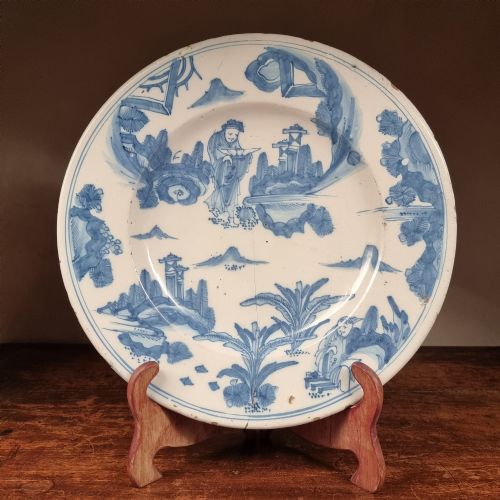
A large ceramic platter spans diverse traditions from seventeenth-century Chinese kilns and Delft workshops to Victorian English potteries and Japanese Meiji production. These substantial vessels take the form of deep chargers, serving platters, and decorative display dishes intended for presentation or substantial service.
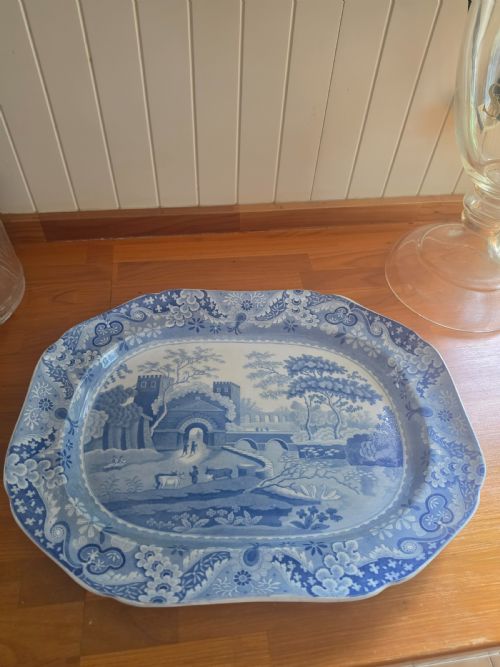
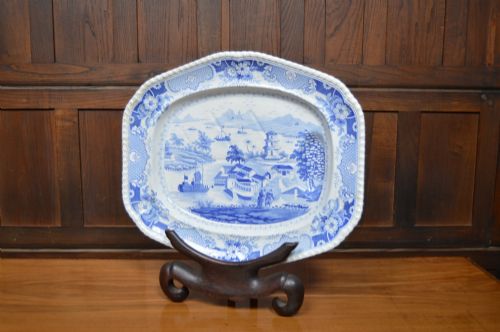
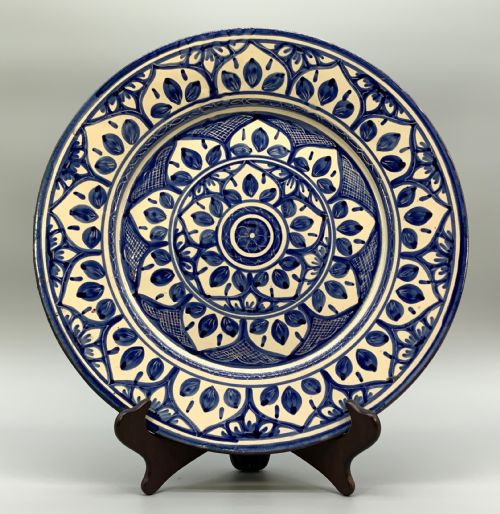
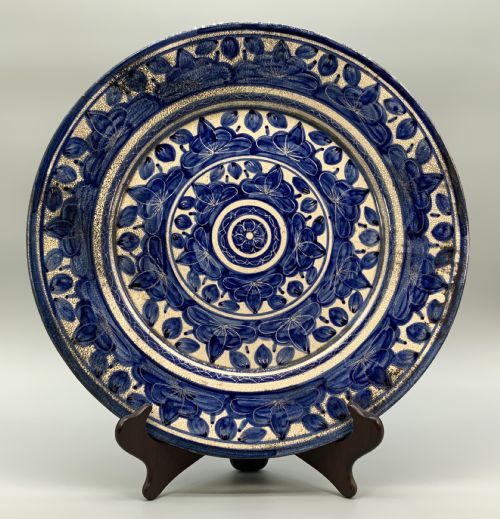
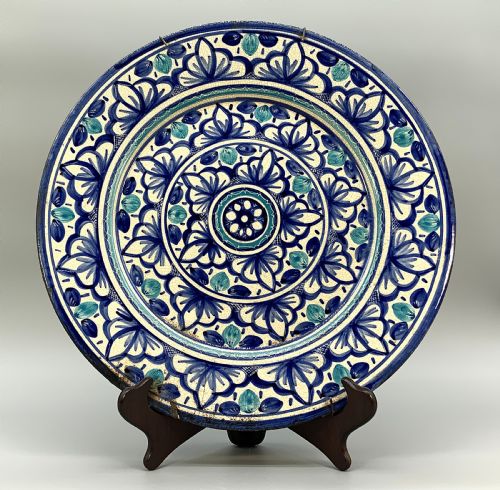
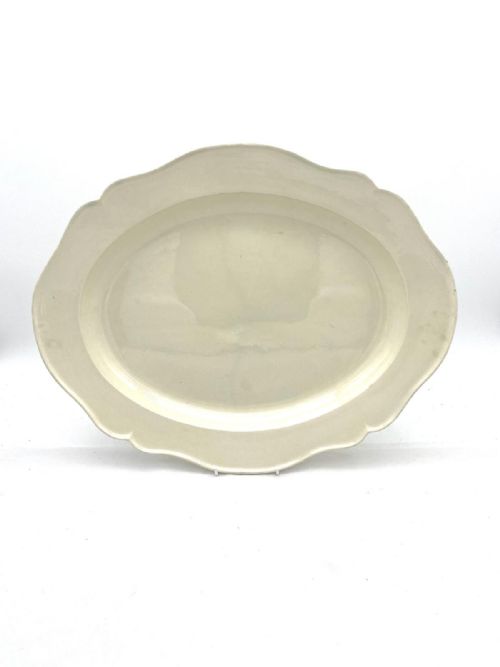
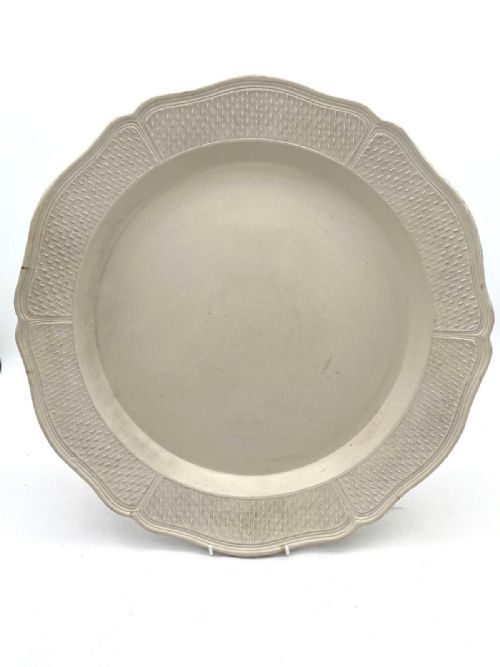
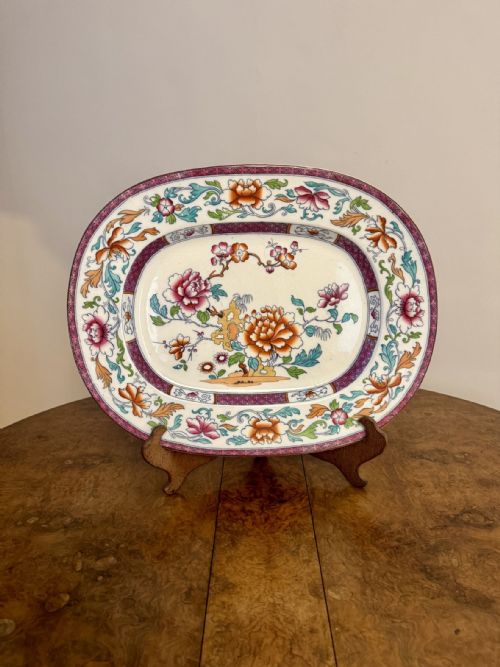
The versions most frequently met on this page include nineteenth-century Japanese Imari chargers with characteristic blue and iron-red palettes, alongside blue and white transferware meat platters from the Victorian era. Continental Delft and Moorish revival faience also appear alongside eighteenth-century English creamware and Chinese export porcelain.
How They Were Made
Potters shaped these pieces from earthenware, stoneware, and porcelain bodies, often applying tin glaze or transparent lead glaze to create a smooth surface for painting. Cobalt oxide underglaze painting, hand-applied enamel colours, and transfer printing provided the detailed pictorial scenes and geometric borders.
Firing took place in traditional kilns where wood or coal generated high temperatures, sometimes resulting in subtle iron spots or glaze pooling that indicate genuine age and hand production. Gilding with gold leaf was occasionally added as a final layer for high-status display pieces.
Several Japanese Meiji chargers depict the Seven Lucky Gods sharing space with surprisingly detailed depictions of domestic poultry and wisteria.
What Varies in Quality
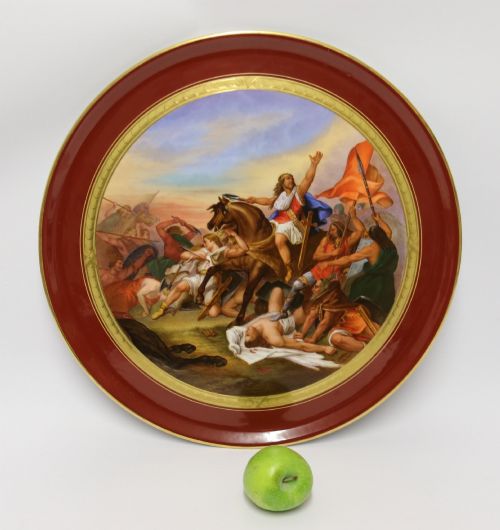
The refinement of the painted or printed imagery sets exceptional examples apart, where intricate hand-painted detail in historical scenes or floral motifs displays superior artistic control. Crispness in transfer-printed blue and white meat platters indicates a well-maintained copper plate and careful pressing.
Body thickness and potting skill also distinguish standard utility wares from ambitious exhibition chargers, with finer porcelain achieving thin, even walls and stable firing despite large diameters.
Spode·Bluett and Sons London
The Large Ceramic Platter Glossary
- Charger
- A large decorative plate or platter traditionally used for display or as a base plate during formal dining. These substantial pieces measure significantly larger than standard dinner plates.
- Imari
- A style of Japanese export porcelain characterised by a palette of underglaze blue, iron red, and gilt highlights. Designs typically incorporate dense floral and brocade patterns.
- Creamware
- A refined earthenware developed in eighteenth-century England, featuring a pale yellow or cream-coloured lead glaze. It offered a lighter, more delicate alternative to heavier utilitarian pottery.
- Faience
- European tin-glazed earthenware decorated with opaque metallic oxide colours on a white background. The technique produced vibrant pictorial surfaces akin to majolica.
- Transferware
- Pottery decorated by applying a printed design from an inked copper plate onto paper, which was then transferred onto the unglazed or bisque ceramic body before firing.
Large Ceramic Platter: Frequently Asked Questions
How were large ceramic platters originally used?
These large vessels served both practical dining functions and decorative display purposes in wealthy households. Meat platters accommodated joint roasts and poultry for table service, while large chargers stood upright on buffets or hung on walls.
Over time, grand decorative chargers transitioned primarily into display items meant to showcase wealth and artistic taste. Smaller platters maintained a dual role for serving family meals and gracing dining rooms.
How do I tell an eighteenth-century charger from a nineteenth-century copy?
Examination of the foot ring, glaze characteristics, and potting weight helps distinguish earlier production periods. Eighteenth-century pieces often display characteristic kiln grit, unglazed foot rims with iron speckling, and hand-mixed pigments.
Nineteenth-century revivals and later copies frequently exhibit more uniform factory bodies and brighter synthetic colours. Comparing the painting technique to established period examples provides further clarity.
How should I display a heavy antique platter safely?
Wall display requires a sturdy, adjustable metal hanger specifically rated for the weight and diameter of the platter. The support must distribute the load evenly across the rim and base without pinching.
For tabletop display, a stable wooden or brass easel designed for heavy plates ensures the piece rests at a safe angle. Avoid placing heavy ceramics near high-traffic walkways or vibrating doors.
What causes crazing on antique ceramic platters?
Crazing appears as a fine network of microscopic cracks in the glaze layer, caused by the different expansion rates of the ceramic body and the outer glaze over time. This natural ageing process happens gradually as moisture and environmental changes affect the piece.
While crazing is common in antique earthenware and tin-glazed items, it does not necessarily indicate structural weakness. Gentle cleaning helps maintain the stability of the crazed surface.