



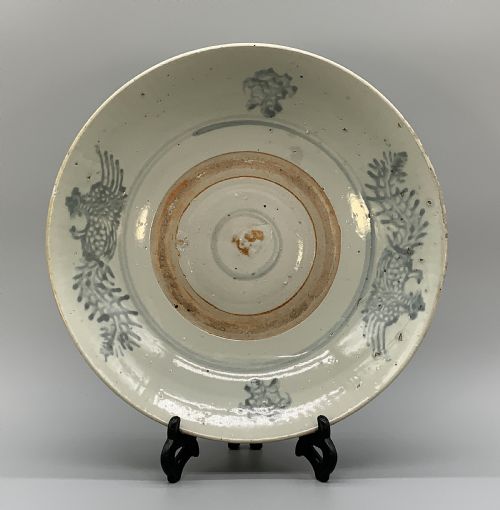
Large Ceramic Platter Dish
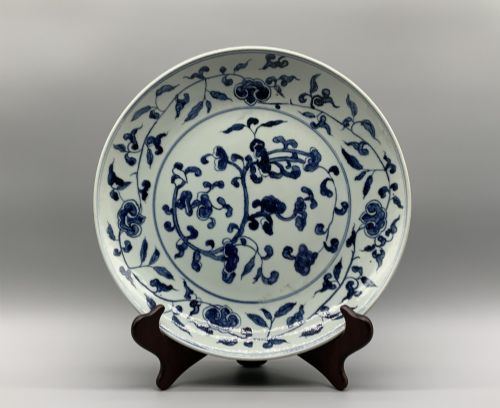
A large ceramic platter dish brings scale and artistry to the table, offering expansive surfaces decorated with intricate hand-painted scenes or rich blue and white glazes.
Large Ceramic Platter Dish
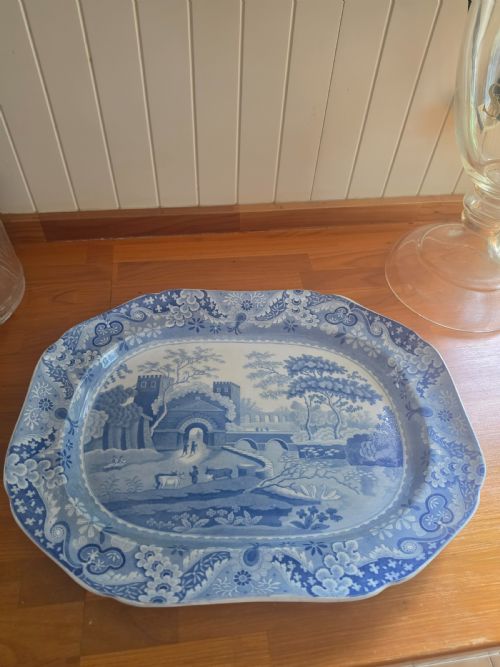
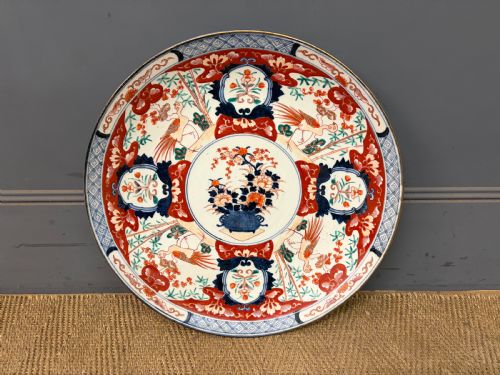
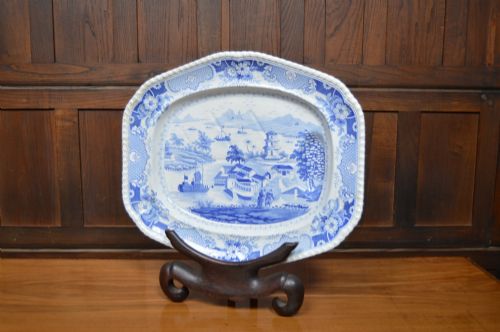
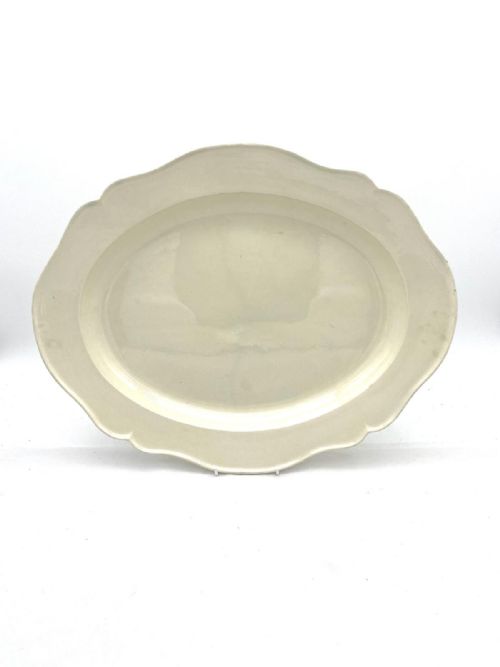
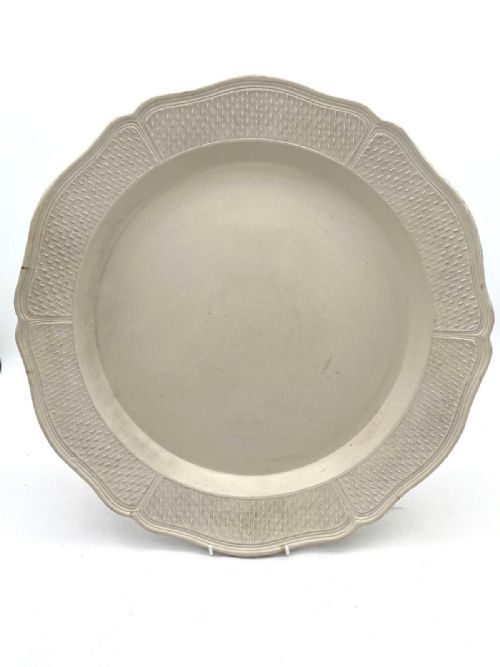
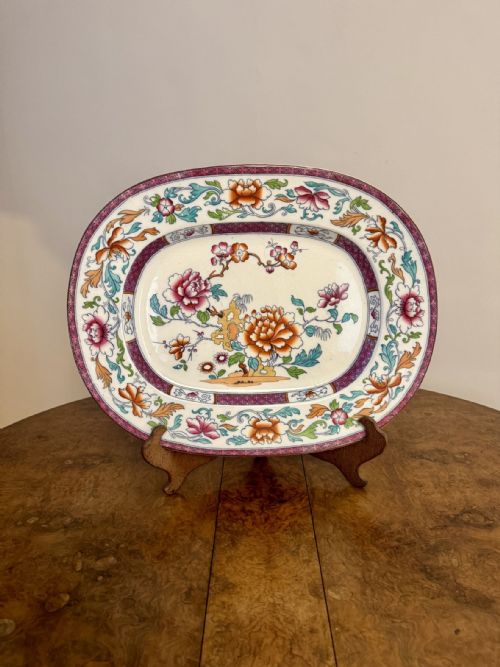
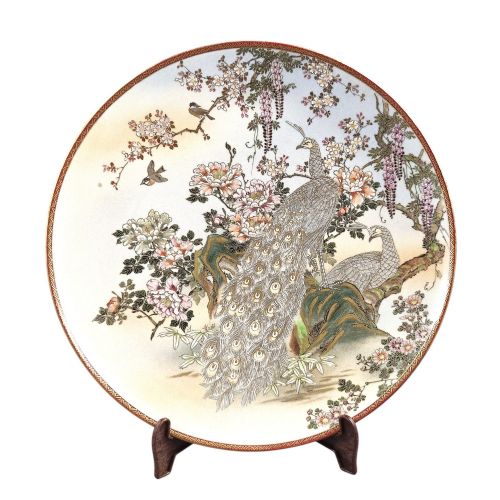
A large ceramic platter dish serves as a substantial centrepiece for the dining table or a decorative charger for display, uniting practicality with grand visual impact. These pieces span multiple centuries and traditions, encompassing English earthenware meat platters alongside Japanese porcelain chargers.
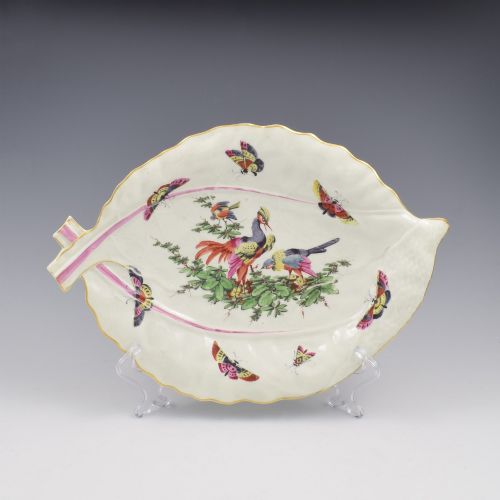
Originating from diverse workshops across England, China, Japan, and continental Europe, these vessels reflect both daily dining customs and formal decorative arts. Each piece demonstrates how makers utilised ample surface area to display intricate botanical motifs, historical scenes, or traditional birds and foliage.
How They Were Made
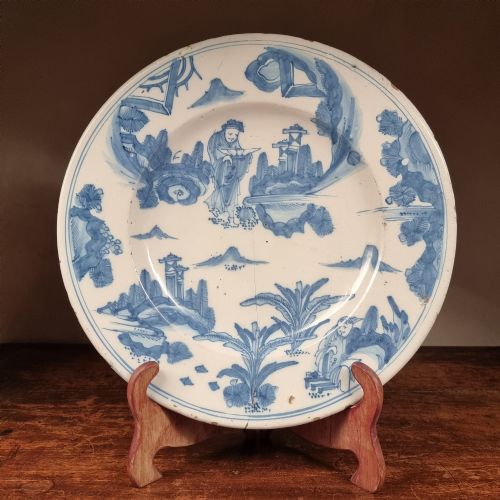
Potters constructed these heavy vessels using durable clay bodies such as earthenware, creamware, and fine porcelain, shaping them into broad plates or deep meat dishes. Craftsmen then applied tin glazes, saltglazes, or transparent lead glazes to seal the porous ceramic body before firing.
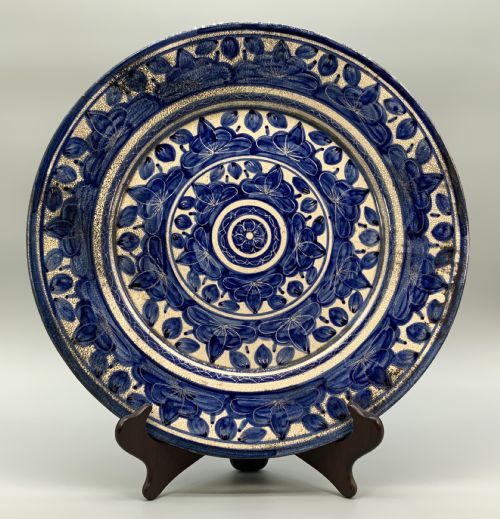
Decoration relied on meticulous hand-painting with cobalt blue, enamel colours, and occasionally gold leaf, while many nineteenth-century English examples utilised transfer printing to apply complex patterns. Certain Japanese pieces incorporated specialised techniques like moriage relief work and cloisonne tree bark effects directly onto the ceramic or pottery surface.
Materials span tin glaze, earthenware, and fine porcelain embellished with gold leaf.
What Varies In Quality
The distinction between standard utility wares and exceptional pieces rests upon the crispness of the painted or printed detail and the sophistication of the glaze. Master potters achieved superior results through precise kiln temperature control, resulting in smooth, evenly vitrified porcelain or glossy tin glazes free from major firing distortion.
Artistic execution dictates the upper tier of the range, visible in the hand-painted brushwork of intricate figures, birds, and floral compositions rather than repetitive mechanical transfer prints. The integration of complex forms, such as scalloped edges, moulded leaf shapes, and heavy gilt highlights, elevates the visual presence of the charger.
Spode·Bluett and Sons London
The Large Ceramic Platter Dish Glossary
- Charger
- A large decorative plate or platter typically displayed on a wall or sideboard rather than used for direct dining service. These substantial dishes provide a wide canvas for intricate painting and glazing.
- Transferware
- Pottery decorated by applying a printed design from an engraved copper plate onto the ceramic surface using tissue paper. This technique enabled the mass production of detailed blue and white patterns during the nineteenth century.
- Imari
- A style of Japanese export porcelain characterised by a palette of underglaze blue, iron red, and gilt highlights. Pieces feature dense, ornate geometric and natural motifs.
- Delft
- Earthenware coated in an opaque white tin glaze and painted with metal oxides, usually cobalt blue. This technique was widely practiced in seventeenth- and eighteenth-century England and Europe.
Large Ceramic Platter Dish: Frequently Asked Questions
How were large ceramic platters used?
These large dishes served functional roles on the dining table for presenting joint meats, game, or large quantities of food during formal meals. Their substantial size allowed them to anchor the centre of a feast.
Beyond the dining room, many large chargers fulfilled a purely decorative function. Owners displayed them on sideboards, walls, or specialised plate stands to showcase fine artistry.
How do I date a blue and white charger?
Dating relies on examining the ceramic body, glaze characteristics, and potting style beneath the foot rim. Earthenware bodies and tin glazes often point to earlier centuries, while refined porcelain and transfer printing suggest nineteenth-century manufacture.
Stylistic clues such as borders, reign marks, and specific decorative motifs provide further chronological context. Comparing the weight and thickness of the dish to known period examples helps narrow the production era.
Can I hang a heavy charger on the wall?
Hanging requires a secure, properly fitted wire display hanger designed to distribute the weight of heavy earthenware or porcelain evenly. The hanger must grip the rim firmly without putting undue pressure on the body of the dish.
Wall fixings should be anchored securely into masonry or wall studs to support the substantial weight safely. Periodic checks ensure the hardware remains stable over time.
What is the difference between a charger and a platter?
A charger is traditionally a larger, highly decorative plate meant primarily for display or as an under-plate for other dishes. They often feature elaborate painting, gilding, or moulded rims that make daily food service impractical.
A platter is generally shaped specifically for serving food, featuring wells or slight depressions for catching juices from roasted meats. While some overlap in terminology exists, platters lean towards culinary utility.