

19th Century Serving Platter
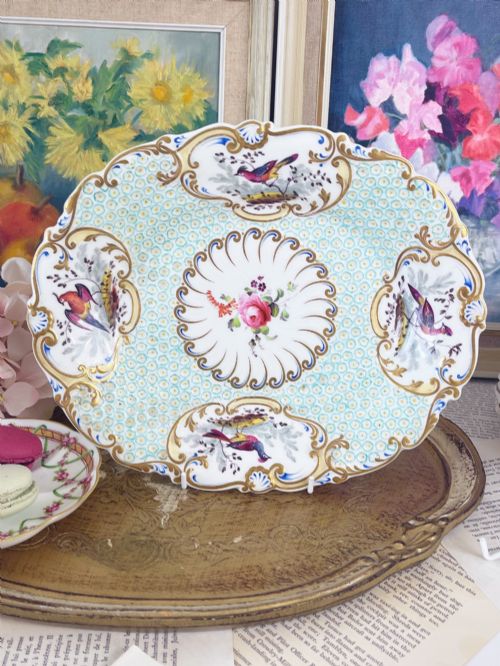
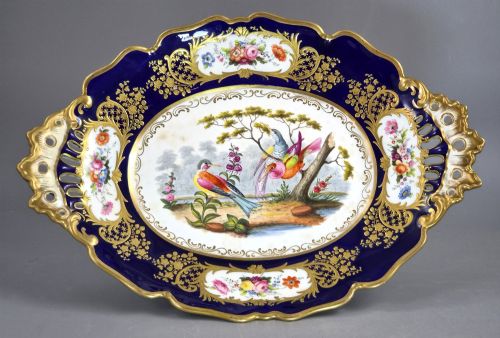
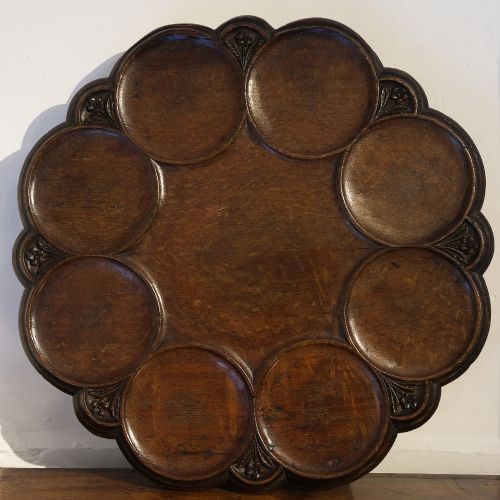
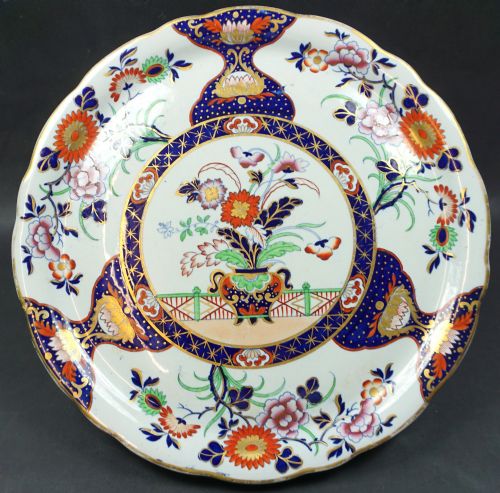
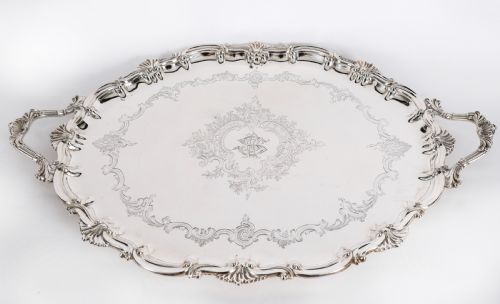
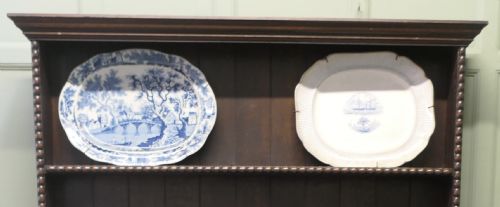
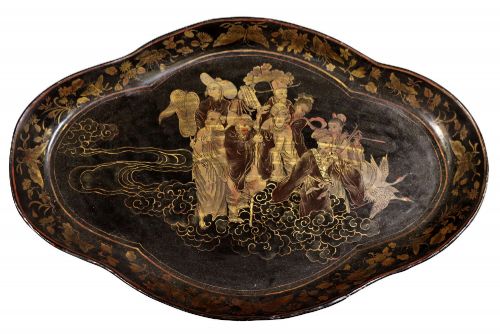
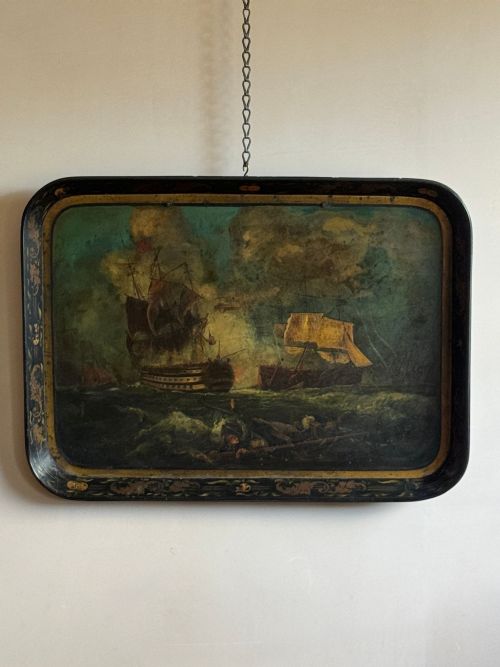
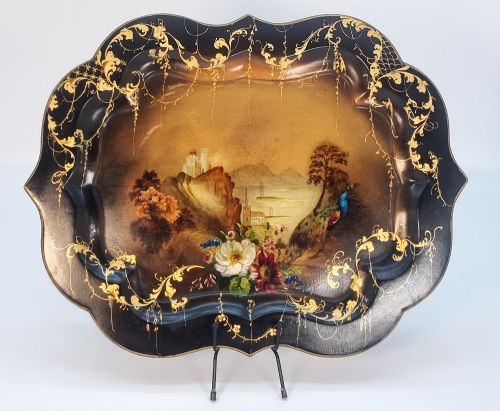
These pieces are a 19th century serving platter, designed for presenting food or drinks with substantial presence on a dining table.
19th Century Serving Platter
A 19th century serving platter encompasses utilitarian meat dishes, decorative porcelain trays, and japanned papier-mâché servers from periods spanning the Georgian, Regency, and Victorian eras. These items served households for dining, tea service, and formal entertaining across Britain, Europe, and Asia.
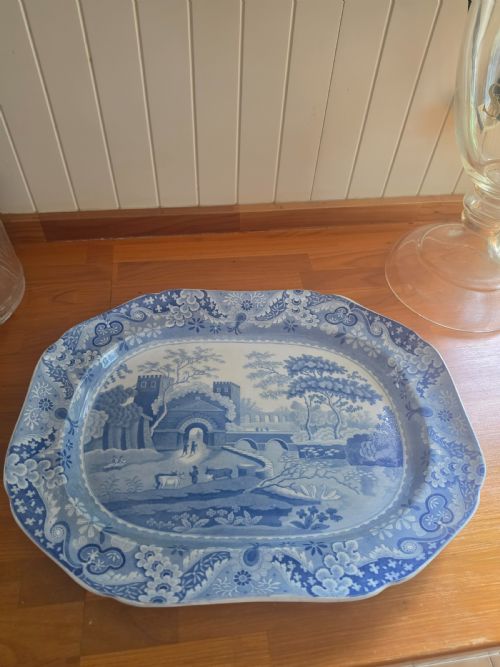
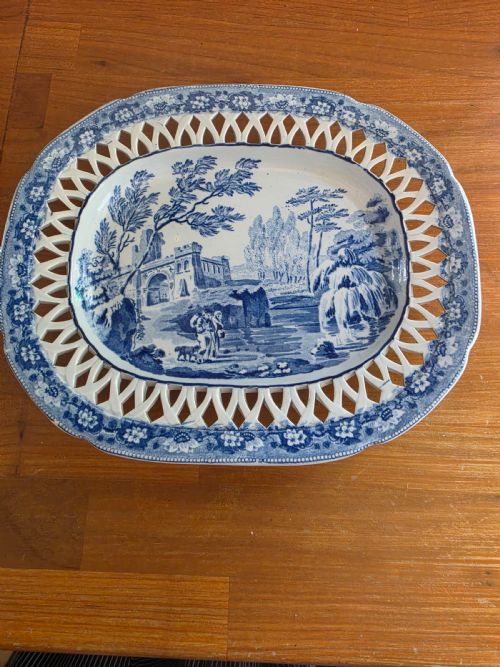
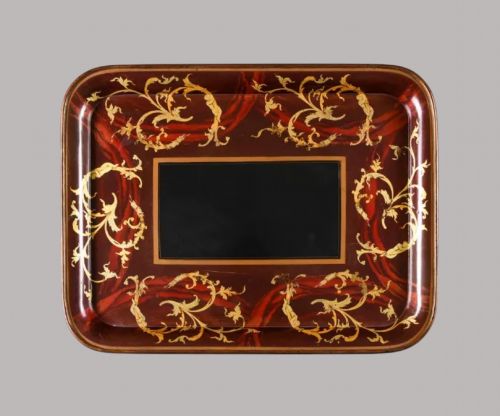
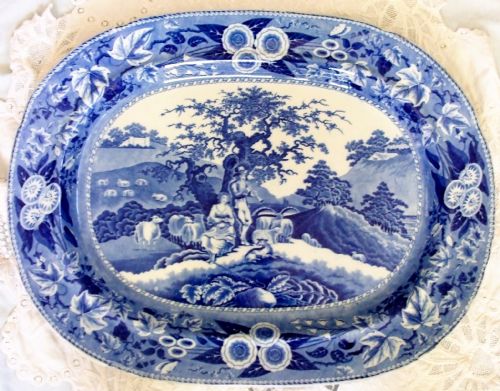
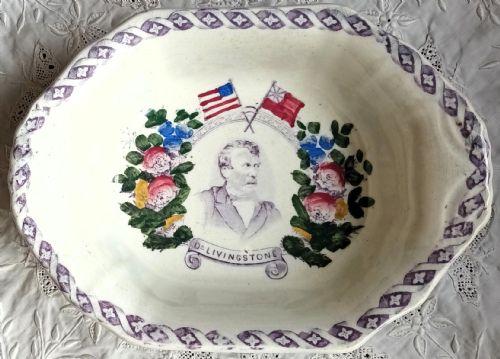
The most common formats met on this page are blue and white transfer-printed earthenware meat plates, large ceramic platters, and lacquer or papier-mâché trays decorated with hand-painted scenes or gilt accents.
Materials and construction
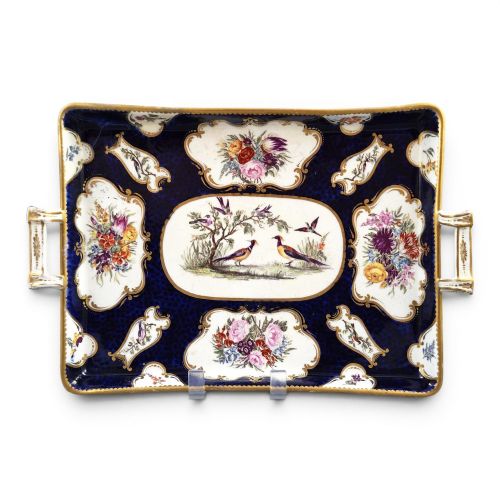
Earthenware and porcelain bodies form the ceramic pieces, decorated with cobalt blue transfer printing, polychrome enamels, or hand-painted botanical and avian subjects under a glossy glaze.
Metal items utilise silver plate, Sheffield plating, or sterling silver, shaped into chargers and trays, while lightweight serving trays rely on layered papier-mâché or japanned wood finished with lacquer.
Periods represented span Georgian, Regency, Victorian, and late 19th century production dates.
Distinctions in standard
Quality rests in the crispness of transfer printing, the precision of hand-painted details like exotic birds or botanical studies, and the preservation of original gilding and enamel surfaces.
Structural integrity of the base material, whether solid mahogany, heavy earthenware, or stable papier-mâché without excessive cracking, dictates the overall execution.
H R Daniel·Coalport·Spode·Davenport·Hicks & Meigh·Thomas Bradbury & Sons·Minton·John Harrison·Henry Wilkinson
The 19th Century Serving Platter Glossary
- Transfer printing
- A ceramic decoration method where an engraved copper plate transfers a design onto tissue paper, which is then stamped onto the unglazed biscuit ware. This technique allowed factories to produce intricate patterns consistently.
- Japanned
- European craftsmanship imitating East Asian lacquerwork by applying layers of dark varnish and curing them. Artisans often added hand-painted gilt ornamentation over the hardened surface.
- Charger
- A large decorative plate or platter utilised historically for formal dining services or beneath other courses. They appear in ceramic, metal, and lacquer.
- Papier-mâché
- A composite material made from paper pulp or layers of paper bound with glue, pressed, and dried. It forms sturdy, lightweight trays capable of holding heavy finishes.
- Sheffield plating
- An early metal-fusing technique where a thin sheet of sterling silver is fused to a copper core by heat and pressure. This predates modern electroplating.
19th Century Serving Platter: Frequently Asked Questions
How were these platters used?
These platters served joint meats, desserts, or tea services during large dining gatherings in wealthy households. They functioned both as practical dining implements and as decorative display pieces on sideboards.
Larger earthenware meat plates managed heavy roasts, while papier-mâché and silver-plated trays transported teaware or beverages across formal rooms.
Can I use them for dining?
Most antique ceramic and silver-plated pieces remain suitable for serving dry foods or room-temperature dishes. However, historical glazes and silver plate require gentle hand washing rather than dishwasher cleaning.
Earthenware with age-related hairline cracks or delicate enamel should be reserved for display to prevent further wear.
How do I date these pieces?
Dating relies on identifying factory backstamps, ceramic bodies, decorative styles, and manufacturing techniques such as early transfer printing. Stylistic cues like Regency motifs or Victorian floral borders help narrow the production window.
Comparing pattern names and maker marks against historical factory records provides the most accurate chronological placement.
What is japanned papier-mâché?
Japanned papier-mâché combines moulded paper pulp layers with heavy dark varnishes that mimic Asian lacquerware. This process created durable, lightweight serving trays adorned with gilt details.
These trays gained popularity during the Regency and Victorian periods for serving tea and displaying decorative objects.