



Chinoiserie Transferware Plate
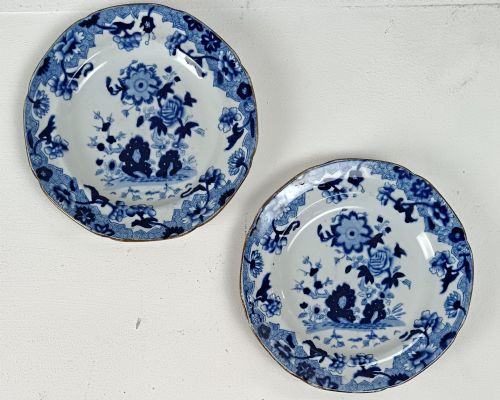
A chinoiserie transferware plate brings the fantasy of eastern landscapes to the table through blue and white printed ceramics.
Chinoiserie Transferware Plate
A chinoiserie transferware plate is a ceramic vessel decorated with European interpretations of east Asian imagery applied via printed transfer. Buyers search for these pieces to add graphic blue and white pattern and historic character to table settings and displays.
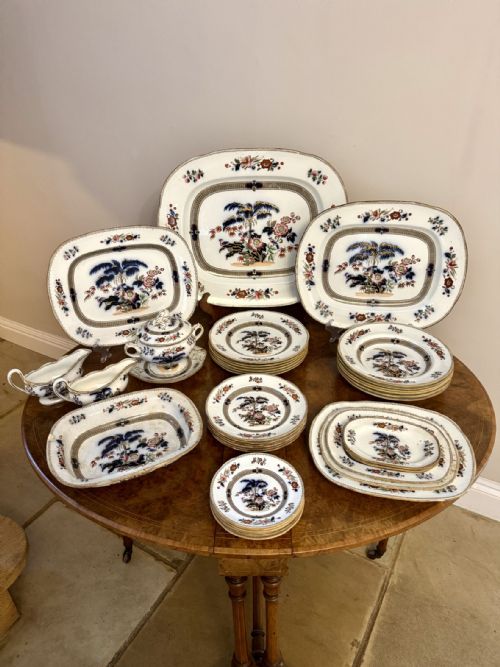
The versions most commonly met on this page date from the Georgian and Victorian periods, spanning the nineteenth century. Forms range from small tea plates and side dishes to large chargers, meat platters, and cheese dishes.
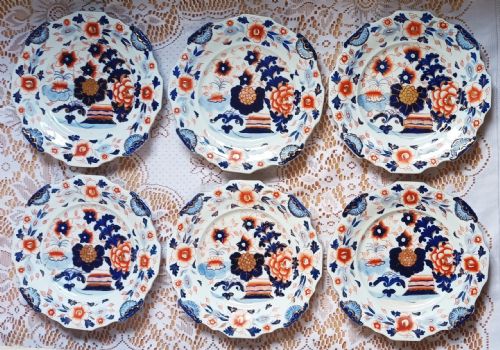
Makers produced these ceramics in earthenware, pearlware, ironstone, and stoneware, often employing named patterns like Willow, India Temple, Penang, and Tonquin China. The style draws on eighteenth and nineteenth-century visions of pagodas, figures, and gardens.
How They Were Made
Potters formed these plates using earthenware, pearlware, ironstone, and stoneware bodies, finished with a smooth glaze. Some pieces incorporate enamel or gilt highlights over the ceramic base.
Designers transferred engraved patterns onto the clay surface using printed tissue before firing and glazing the pottery. Heavier wares like ironstone and stone china provided durable bodies for large serving platters and chargers.
Elephants and grasshoppers occasionally wander through the nineteenth-century landscapes.
What Varies in Quality
Quality rests on the crispness of the transfer print and the refinement of the ceramic body, distinguishing everyday earthenware from dense ironstone or pearlware. Superior plates maintain clarity in intricate background details like foliage and architectural motifs.
The prestige of the pottery and the complexity of patterns such as pagoda scenes or armorial crests elevate specific pieces. Maker marks stamped into the ceramic base also distinguish standard factory output from notable works.
Spode·Wedgwood·John Ridgway·Caughley·Copeland and Garrett·Minton·Davenport·John Rogers and Son·Elkin Knight and Bridgwood·Masons Ironstone China
The Chinoiserie Transferware Plate Glossary
- Transferware
- Ceramic decorated by printing an engraved design from a copper plate onto tissue paper and pressing it onto the biscuit ware before glazing. This technique allowed factories to produce uniform patterns in large quantities.
- Pearlware
- A refined earthenware developed in the late eighteenth century featuring a subtle bluish glaze that pooled in recesses to mimic Chinese porcelain. It served as a common ground for early transfer-printed chinoiserie designs.
- Ironstone
- A durable, heavy ceramic patented in the nineteenth century that resisted chipping and staining. It formed the robust body for many large platters, chargers, and cheese dishes.
- Charger
- A large decorative plate or platter intended for display or ceremonial serving rather than individual dining. These substantial pieces often showcase complex landscape and architectural patterns.
Chinoiserie Transferware Plate: Frequently Asked Questions
How do I date a transferware plate?
Dating relies on maker marks, ceramic bodies, and style periods such as Georgian or Victorian. Pearlware bodies and specific registry marks point to particular decades in the nineteenth century.
Changes in blue hues, glaze characteristics, and impressed factory stamps also help narrow the production era of each piece.
Can I use these plates for dining?
Most antique plates tolerate gentle hand washing, though nineteenth-century earthenware and pearlware require careful handling. Using them for serving dry foods preserves the historic glaze.
Avoid dishwashers and microwaves, as thermal shock and harsh detergents can damage the nineteenth-century ceramic and transfer print.
What is the difference between earthenware and ironstone?
Earthenware provides a lighter, more porous ceramic body common in early tea plates and dessert services. Ironstone offers a heavier, vitrified composition designed for durability in large platters and chargers.
Ironstone resists chipping much better than standard earthenware, making it practical for heavy nineteenth-century serving pieces.
Why are some patterns named?
Potteries assigned specific names like Willow, Penang, or India Temple to market particular design series to collectors. These titles often reflected romanticized European views of Asian geography and landscape.
Named patterns help historians attribute plates to specific factories and dating windows.