




Large Porcelain Figure
When you search for a large antique porcelain figure, you seek substantial ceramics carrying centuries of modelled form and painted detail from European and Asian kilns.
Large Porcelain Figure
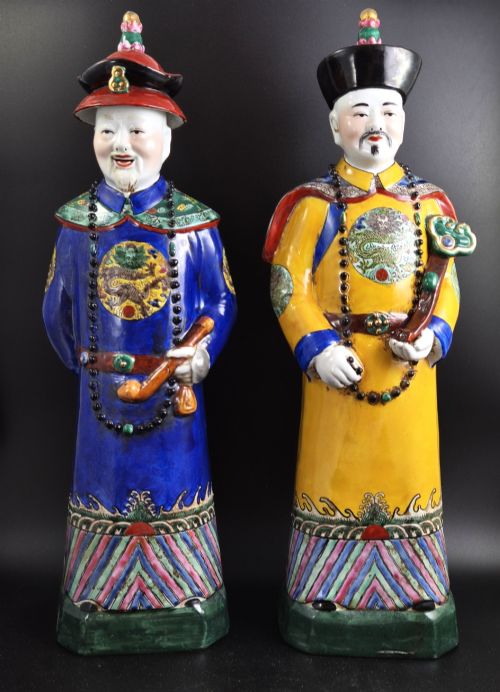
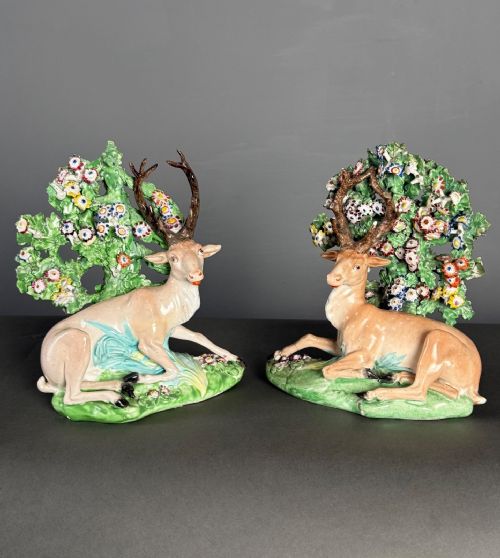
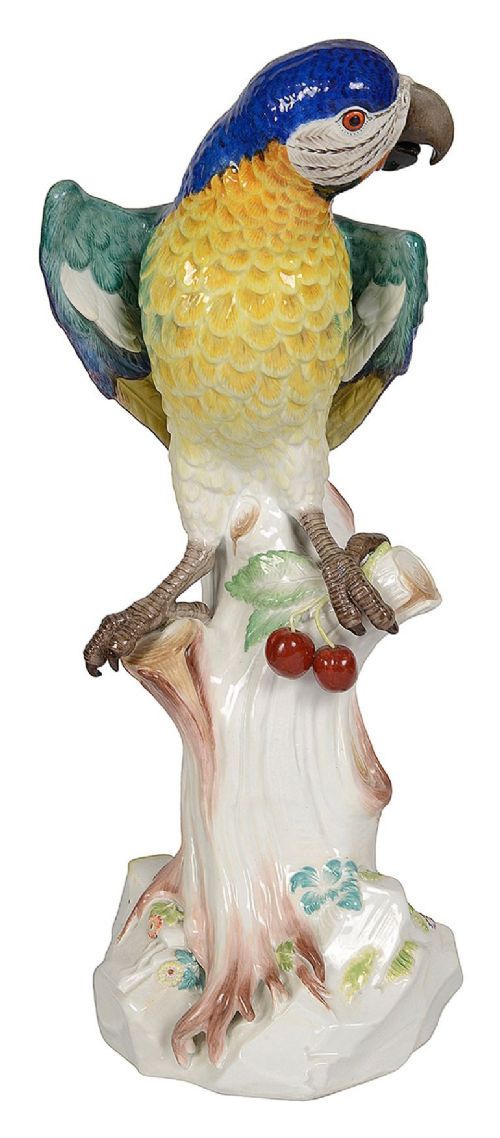
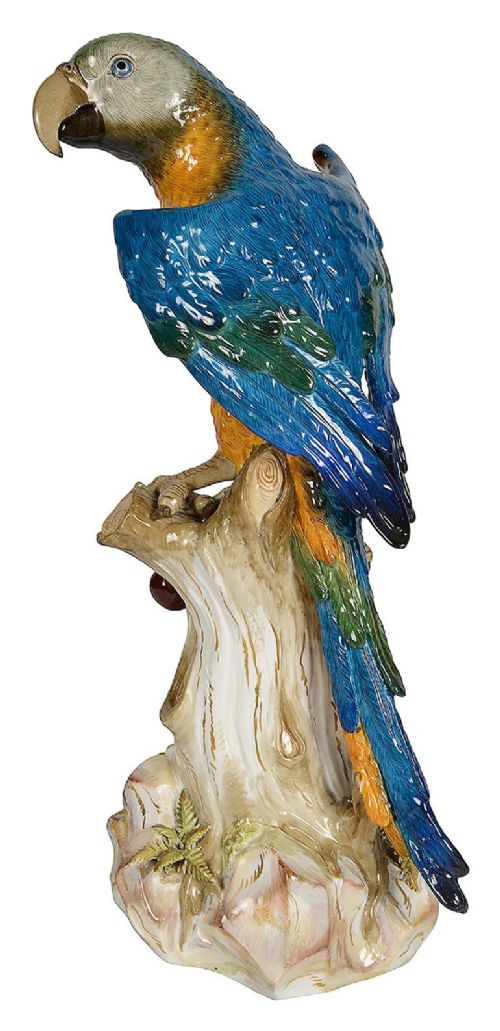
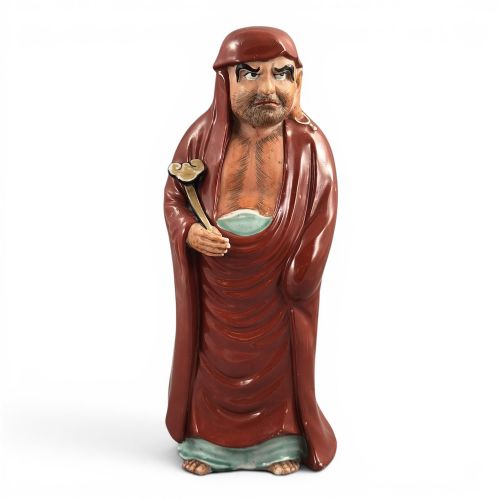
A large antique porcelain figure encompasses sculptural ceramics produced across the eighteenth, nineteenth, and early twentieth centuries by notable European factories and Asian kilns. When looking at a large antique porcelain figure on this page, you encounter subjects ranging from mythological deities and allegorical children to naturalistic birds and oriental scholars.
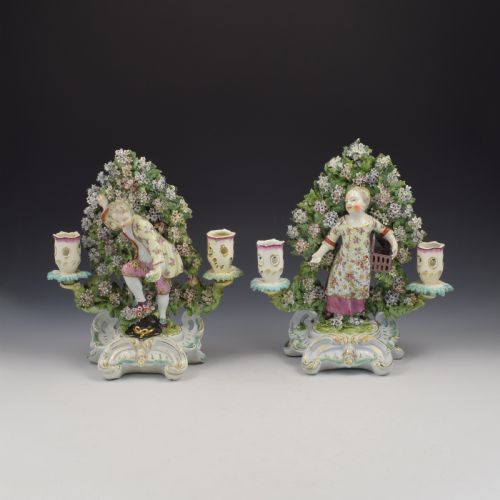
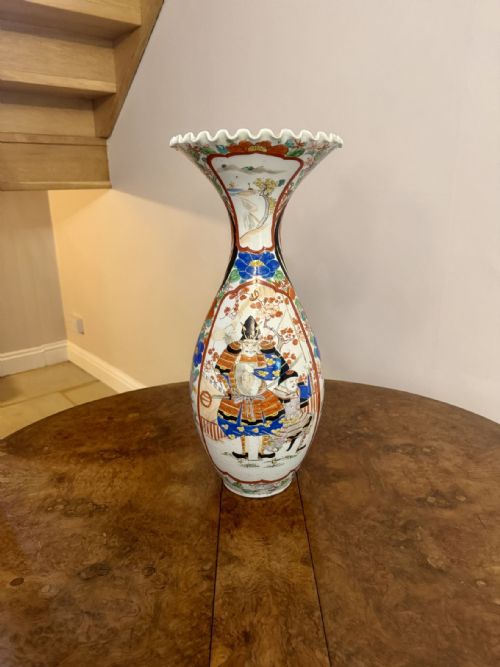
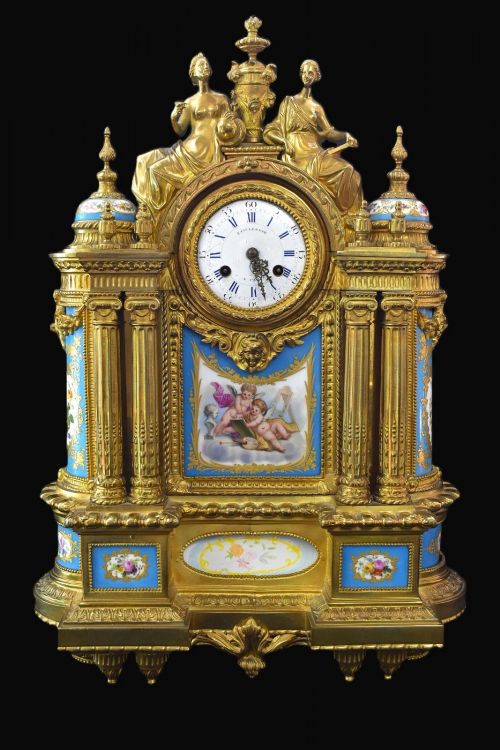
The selection spans diverse regional aesthetics, including English Derby models, German figures from Meissen and Volkstedt, French bisque groups, and Japanese Satsuma or Imari ceramics. These pieces served as mantel ornaments, garniture sets, and table centerpieces in period interiors.
Materials and production methods
Makers utilised hard-paste and soft-paste porcelain, earthenware, and parian body compositions, shaping the clay through intricate mould-casting or hand-modelling techniques. Artisans then applied enamel paints, metallic highlights, and liquid gilding before subjecting the pieces to high-temperature kiln firing.
Surface treatments frequently incorporate hand-painted polychrome decoration, glazed finishes, or unglazed bisque textures. Skilled workers combined gold leaf, cobalt blue, and enamel colours to define garments, facial expressions, and surrounding botanical elements.
Listings feature hard-paste and soft-paste porcelain, earthenware, and parian bodies across the eighteenth, nineteenth, and early twentieth centuries.
Distinctions in quality and execution
The complexity of the composition and the reputation of the workshop or modeller dictate the standing of a piece. Well-executed pieces balance weight, proportion, and stable stance across grand dimensions.
Royal Dux Bohemia·Royal Worcester·Meissen·Derby·Sitzendorf
The Large Porcelain Figure Glossary
- Bisque
- Unglazed porcelain fired once to create a matte, porous surface resembling white marble. This finish highlights the sculptural modelling of nineteenth-century French and English figures.
- Bocage
- An applied background of ceramic foliage and flowers surrounding a figure. This decorative element appears frequently on eighteenth-century English candlestick figures.
- Gilding
- The application of gold leaf or powdered gold suspended in a medium to highlight details. Artisans used this technique to accent garments, bases, and attributes.
- Imari
- A style of Japanese export ceramic characterised by a palette of underglaze blue, iron red, and gold. These pieces often feature complex brocade and floral patterns.
- Parian
- A fine-grained white ceramic developed in the nineteenth century to imitate carved marble. Figures cast in this material possess a dense, smooth texture.
Large Porcelain Figure: Frequently Asked Questions
Were these figures meant for display?
These sizeable ceramics were created primarily as decorative ornaments for domestic interiors during the eighteenth and nineteenth centuries. Wealthy households placed them on mantelpieces, pedestals, and inside cabinet displays to demonstrate taste and refinement.
Some functional variants, such as figural candlesticks or lidded vases, combined sculptural form with practical utility in formal rooms.
How can I tell eighteenth-century figures apart from nineteenth-century copies?
Examine the weight, paste composition, and style of hand-painting under magnification to assess the period of production. Eighteenth-century pieces often exhibit softer glaze pooling and hand-modelled nuances, whereas later revival styles display distinct paste characteristics and factory marks.
Consulting recorded factory marks and stylistic conventions helps clarify the manufacturing era.
What does biscuit porcelain mean?
Biscuit porcelain refers to unglazed ceramic ware that has undergone a single firing to achieve a durable, matte finish. This porous surface absorbs light differently than glazed porcelain, accentuating subtle contours and facial expressions.
Nineteenth-century French and German workshops favoured this technique for classical and pastoral figure groups.