
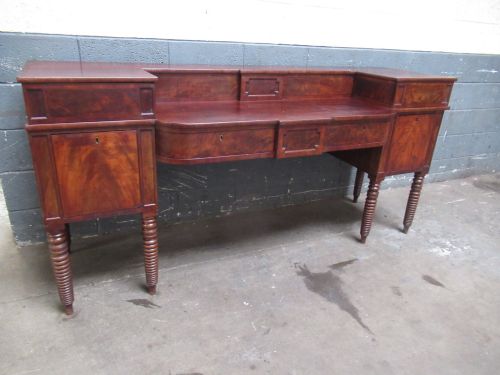
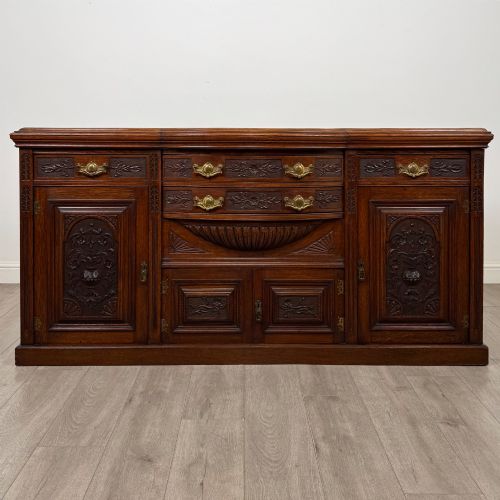
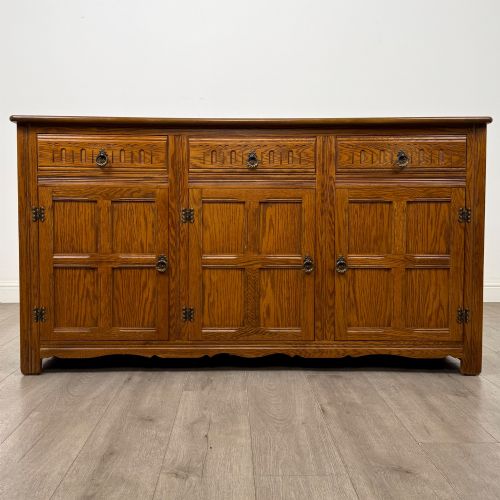
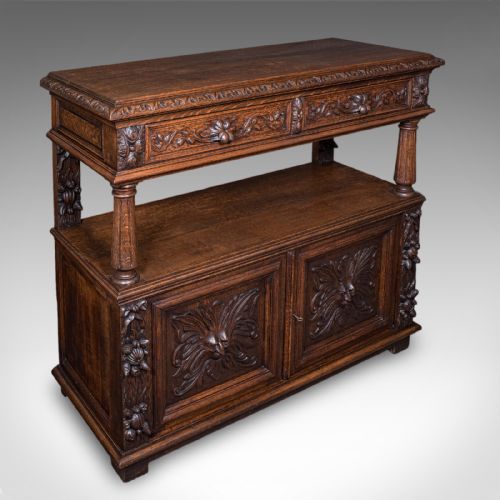
Large Credenza
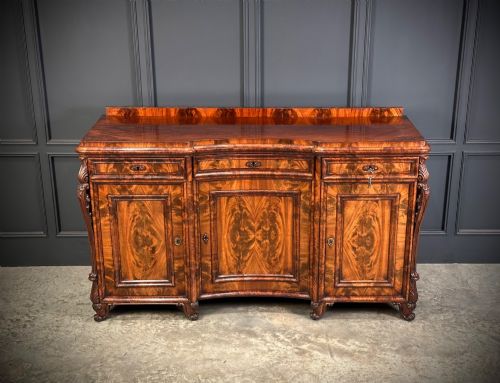
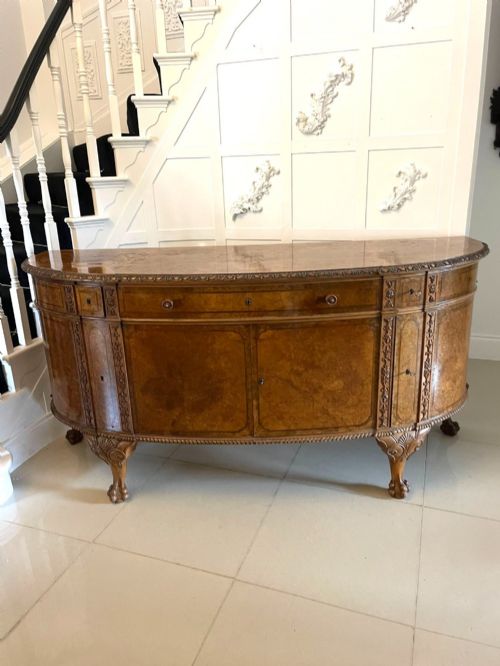
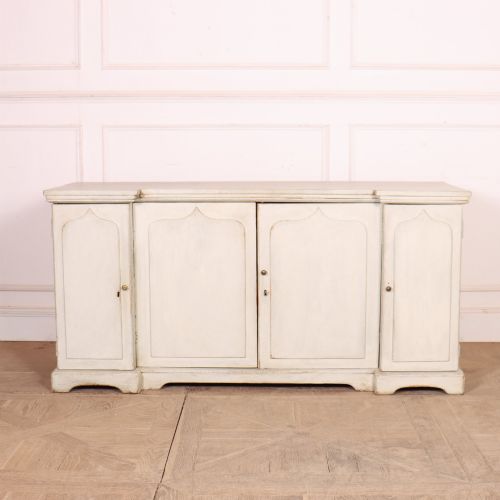
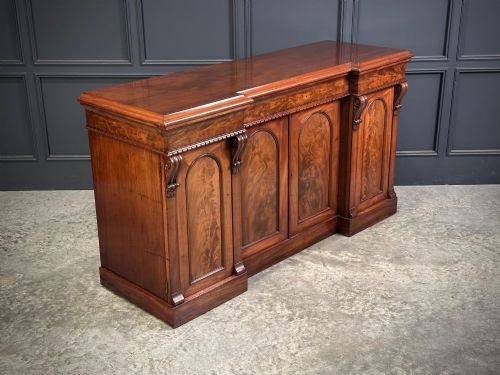
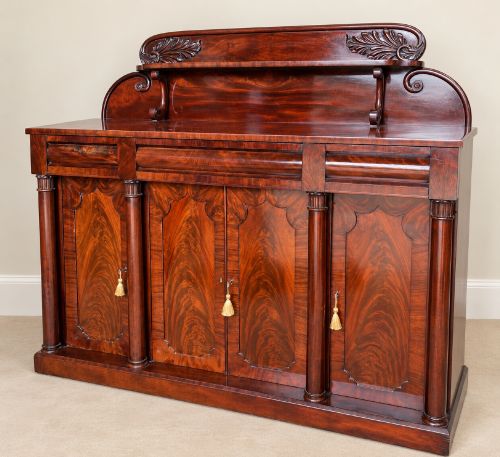
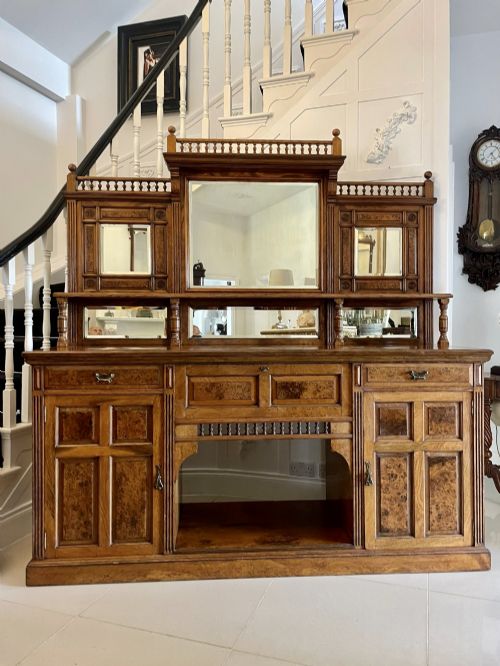
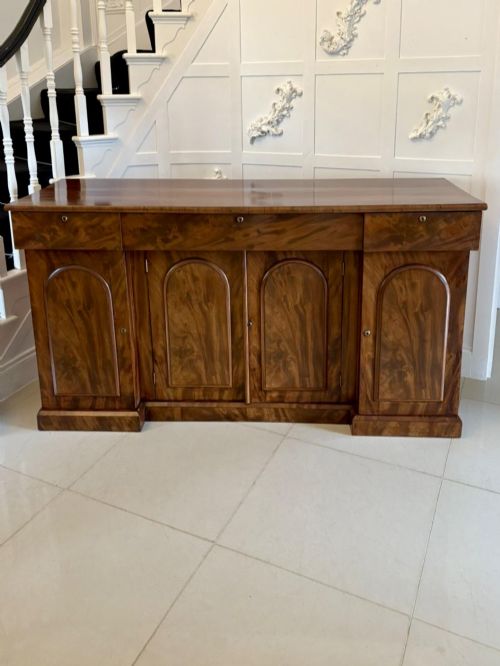
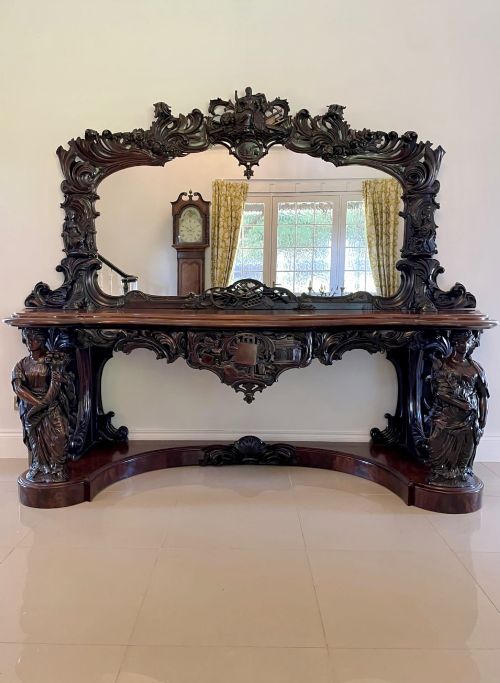
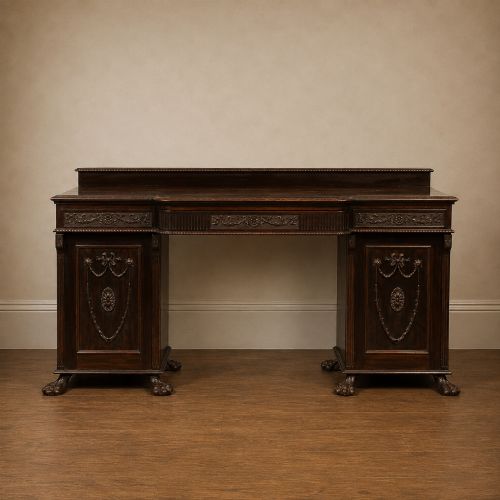
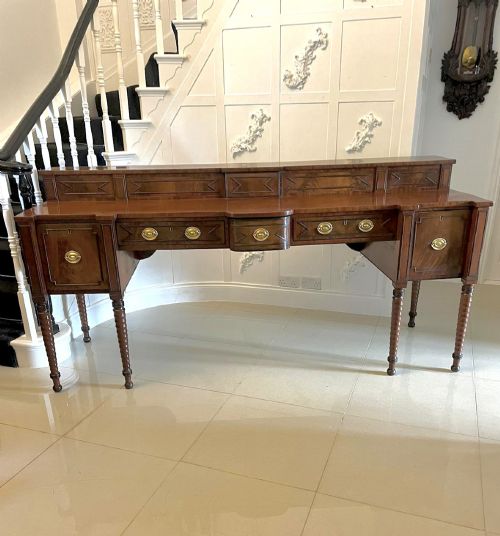
A large antique credenza brings presence and display space to a room, offering grand proportions in figured woods and ormolu mounts.
Large Credenza
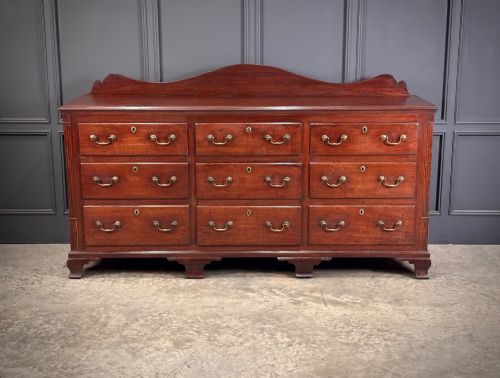
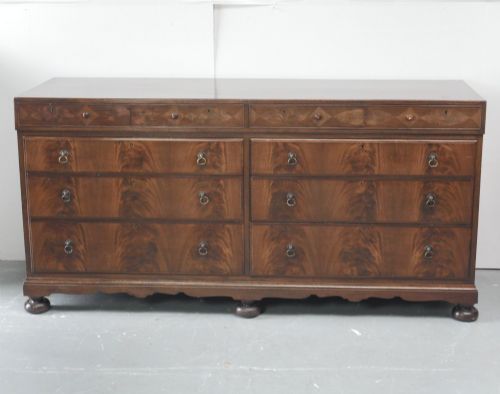
When you search for a large antique credenza, you encounter substantial display furniture designed for formal reception rooms and parlours. These pieces serve as focal points in a dining room or drawing room, combining enclosed storage with prominent surfaces for display.
The versions most commonly met on this page are Victorian burr walnut examples featuring marquetry, glazed cabinets, and ormolu mounts. Alongside these, related large forms such as mahogany sideboards, breakfront chiffoniers, and satinwood display cabinets appear frequently.
These items originate across the nineteenth and eighteenth centuries, reflecting the changing domestic requirements of country houses and town residences. Makers constructed them to house fine porcelain, glass, and silverware while anchoring the decorative scheme of a room.
How they were made
Cabinet makers built the carcase using solid timbers such as oak or pine, then applied decorative veneers of burr walnut, flame mahogany, or satinwood to the exterior surfaces. These veneers display intricate grain patterns selected for visual impact on the primary facade.
Craftsmen enriched the designs using cast ormolu mounts, brass inlays, and porcelain plaques set into the timber doors and panels. Curved glass doors and marquetry floral panels required specialised joinery techniques common to high-end nineteenth-century workshops.
Several credenzas incorporate secret locking mechanisms hidden behind ornate ormolu mounts to protect family silver.
What varies in quality
The sophistication of the timber veneers and the precision of the marquetry inlay set the finest pieces apart from standard workshop production. Selection of highly figured burr walnut or satinwood across every elevation demonstrates superior ambition.
The execution of the ormolu mounts and the integration of porcelain plaques dictate the tier of craftsmanship. Superior examples display crisp, chased metalwork and hand-painted ceramic plaques rather than mass-produced decorative additions.
Whytock and Reid·Gillows
The Large Credenza Glossary
- Credenza
- A low cabinet or sideboard, often featuring glazed central doors flanked by curved side cupboards, used for display and storage. Victorian iterations frequently incorporate porcelain and ormolu.
- Marquetry
- The art of applying pieces of veneer to a structure to form decorative patterns and pictures. Floral motifs in contrasting timbers are typical of mid-nineteenth-century examples.
- Ormolu
- Gilded bronze mounts applied to furniture for decorative enrichment. These cast metal details highlight the architectural lines of the cabinet.
- Burr walnut
- Timber taken from a walnut tree growth that produces intricate, swirling grain patterns. Cabinet makers prized this wood for high-status furniture facades.
- Breakfront
- A piece of furniture where the central section projects forward from the flanking wings. This architectural arrangement adds depth and shadow to large sideboards.
Large Credenza: Frequently Asked Questions
Where should a large credenza go?
These substantial pieces demand a prominent wall in a dining room, drawing room, or hallway where their length and decorative frontages can be appreciated without crowding the space.
Ensure the floor can support the weight of solid timber, marble tops, and internal contents, and leave ample clearance for doors to open fully.
How do I clean burr walnut?
Dust the surfaces regularly with a soft, dry cloth to prevent grit from settling into the intricate grain and veneer seams.
Apply a quality beeswax polish sparingly once or twice a year to nourish the timber, buffing it gently to maintain a soft sheen.
Can I store heavy items inside?
The internal shelving accommodates dinner services, glassware, and table linen distributed evenly across the timber boards.
Avoid overloading individual shelves, particularly in older cabinets where historical timber may sag under excessive weight.
How do I date a credenza?
Examine the secondary timbers inside the carcase, the style of the brass locks, and the nature of the veneer work to establish the period of construction.
Nineteenth-century pieces often feature machine-sawn internal boards and distinctively heavy ormolu casting compared to earlier Georgian designs.