
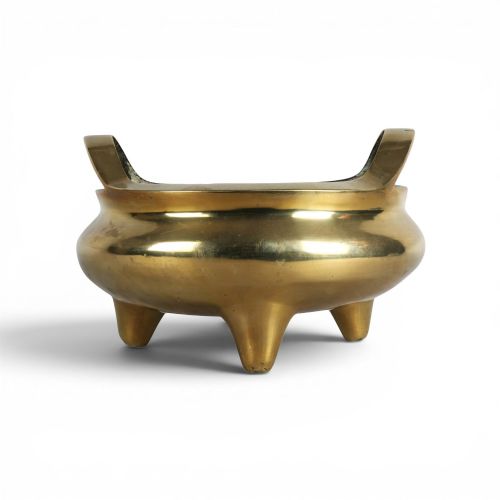


Large Bronze Vessel
A large antique bronze vessel is a substantial hollow metal piece intended for display, ritual, or garden use that commands attention in any room.
Large Bronze Vessel
A large antique bronze vessel encompasses a wide array of forms, including ritual censers, garden urns, baluster vases, and decorative bowls. These objects draw the eye through their sheer physical mass and intricate surface decoration, ranging from classical European campana shapes to ornate East Asian tripod vessels.
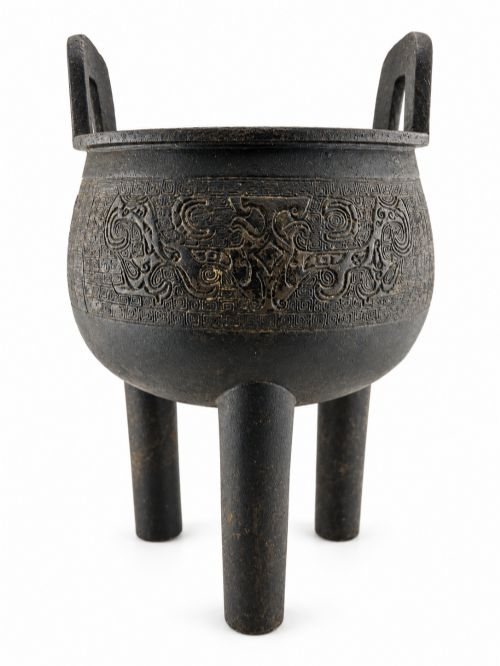
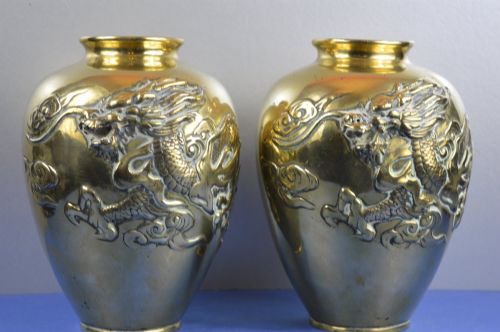
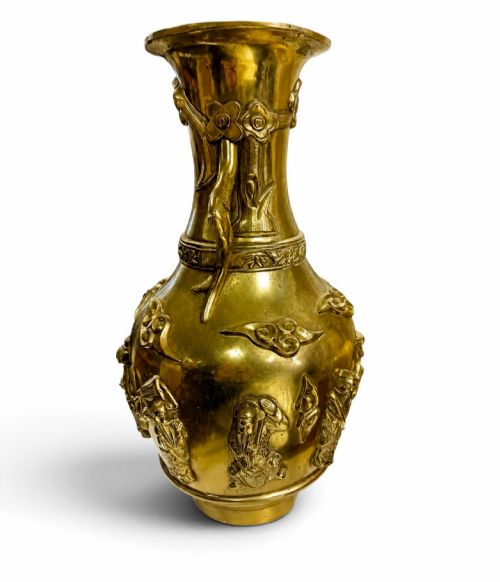
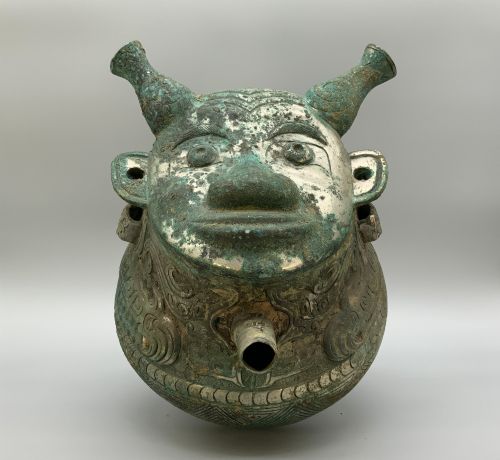
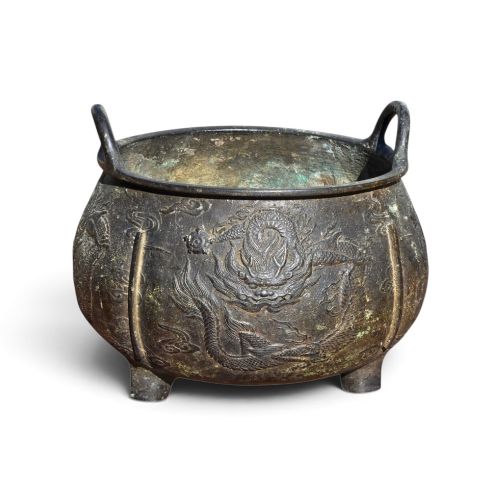
The selection on this page leans heavily toward East Asian origins, notably Chinese Qing Dynasty and Japanese Meiji period examples, alongside European Grand Tour pieces and French neoclassical designs. Buyers frequently encounter heavy cast bronzes featuring taotie masks, dragons, or high-relief depictions of figures.
Beyond purely decorative vases, the category includes functional or ritual items such as incense burners, jardiniere planters, and wine vessels. Each piece reflects the specific cultural and aesthetic traditions of its maker, bridging domestic utility with sculptural art.
How they were made
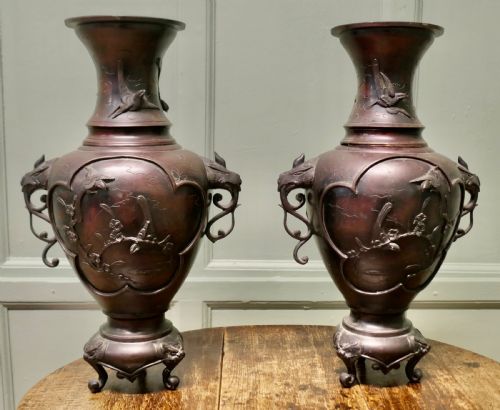
Metalworking techniques for these pieces typically involve traditional casting methods, resulting in heavy, solid forms that often weigh several kilograms. Artisans utilised copper-alloy casting, sometimes combining patinated bronze with gilt highlights or enamel work to add depth and colour to the surface.
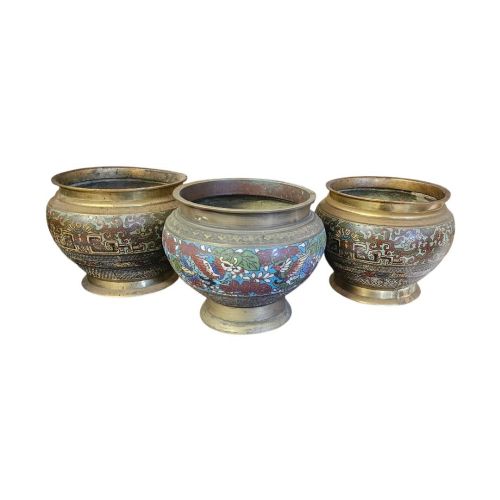
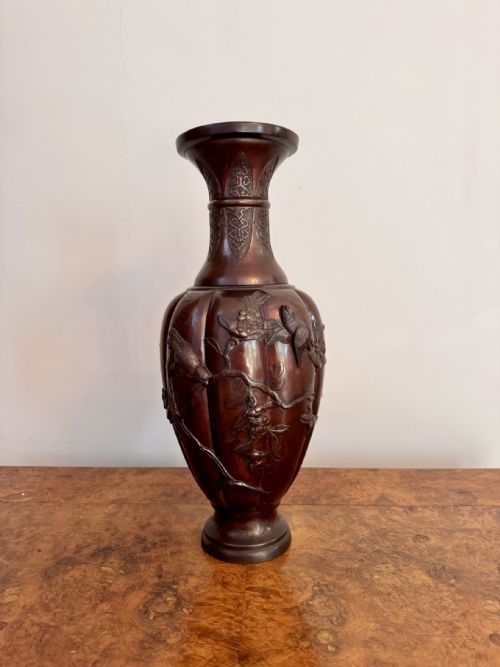
Surface ornamentation is frequently achieved through high-relief modelling, chiselling, or cloisonné inlay where enamel cells define intricate patterns of koi and floral motifs. Bases and handles are often cast separately and securely joined to the main body of the vessel.
Listings feature periods spanning the seventeenth through the early twentieth century, utilising bronze, brass, enamel, and porcelain.
What varies in quality
Structural weight and proportion also dictate the standing of a piece, as heavier, thicker-walled bronzes demonstrate a more generous use of metal. Additionally, the complexity of integrated elements like twin-dragon handles or multi-coloured enamel cloisonné indicates the level of craftsmanship invested by the workshop.
The Large Bronze Vessel Glossary
- Ding
- A traditional Chinese tripod vessel with ritual origins, typically featuring two vertical loop handles and decorated with archaic motifs.
- Censer
- An incense burner designed for ceremonial or domestic use, often taking the form of a tripod bowl with a fitted cover.
- Meiji Period
- A Japanese historical era lasting from eighteen sixty-eight to nineteen twelve, known for highly detailed metalwork and export art.
- Campana
- A bell-shaped classical urn form popular in European and Grand Tour decorative arts.
- Cloisonné
- An enamelwork technique where metal wire is soldered to the vessel body to create compartments filled with coloured paste.
Large Bronze Vessel: Frequently Asked Questions
What is a bronze censer used for?
A bronze censer served as a vessel for burning incense during ritual ceremonies or within domestic settings. These pieces often feature tripod legs and pierced lids to allow scented smoke to escape.
Over time, such vessels transitioned from active ritual implements into prized decorative objects valued for their sculptural form and symbolic surface motifs.
How do I identify a Meiji period vase?
Japanese vases from the Meiji period typically display exceptional metallurgical skill, featuring high-relief casting of flora, fauna, or mythical subjects. They often date from the late nineteenth to early twentieth century.
These pieces reflect a period when Japanese metalworkers produced ambitious decorative items specifically for international export markets.
Where were Grand Tour vessels made?
Grand Tour bronze vessels were created primarily in Europe, particularly Italy and France, during the eighteenth and nineteenth centuries. Wealthy travellers collected them as souvenirs of classical antiquities.
These pieces frequently replicate famous ancient Greek or Roman forms, such as Warwick vases or campana wine-coolers.
How heavy are large antique bronze vessels?
Large bronze vessels possess significant physical weight, often ranging from two to over eight kilograms depending on the thickness of the metal casting. Their substantial heft reflects the generous use of copper alloy.
This weight requires stable placement on sturdy tables, pedestals, or garden floors when displaying them in a home.