


Oriental Relief Bronze Pot
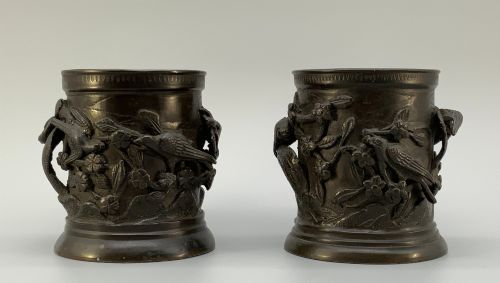
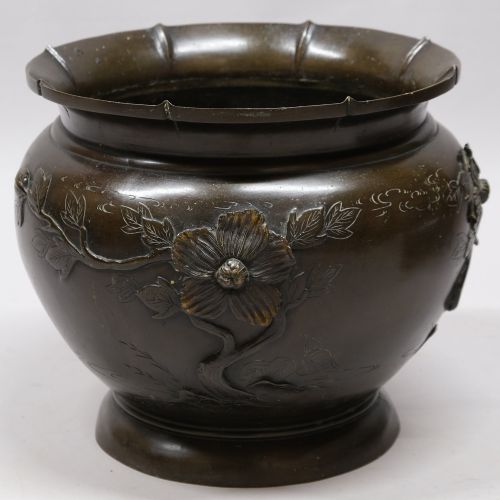
These oriental relief bronze pot examples are substantial vessels spanning the nineteenth century, sought after for their intricate cast ornamentation and rich patination.
Oriental Relief Bronze Pot
When you search for an oriental relief bronze pot, you encounter heavy jardinières, planters, and vases originating from Japanese Meiji and Chinese Qing contexts. The selections span the nineteenth century and Victorian periods, often taking the form of large bowls and urns intended for decorative display or botanical use.
The objects most frequently met on this page include Japanese Meiji period bronze jardinières and Chinese bronze censers featuring detailed relief work. Makers utilised traditional casting methods to produce these decorative vessels, which range from small desk pots to substantial heavy bowls.
What varies in quality
Quality in these vessels is evident in the crispness of the relief casting and the depth of the metal patination. Superior examples display finely rendered details on motifs like birds, blossoms, and sculptural finials.
The thickness of the bronze wall and the overall weight of the vessel contribute to the distinction between standard utilitarian items and finer decorative works. Preservation of the original surface finish and patination remains central to the assessment of each piece.
Listings feature items from the nineteenth century, Victorian era, and early twentieth century, spanning Japanese Meiji and Chinese Qing styles.
The Oriental Relief Bronze Pot Glossary
- Jardiniere
- A large ornamental pot or stand for holding plants or flowers. These vessels form a significant portion of the available metalwork.
- Meiji Period
- A Japanese historical era spanning from 1868 to 1912, noted for distinctive decorative arts exported internationally. Pieces from this era frequently feature naturalistic bronze relief motifs.
- Patinated Bronze
- Metal treated with chemicals or heat to produce a specific surface colour and texture. This finish protects the bronze while enhancing its aesthetic depth.
- Qing Dynasty
- The last imperial dynasty of China, ruling from 1644 to 1912. Metalwork from this period is characterised by robust casting and traditional decorative motifs.
Oriental Relief Bronze Pot: Frequently Asked Questions
What is an oriental relief bronze pot?
These pieces are nineteenth-century metal vessels, primarily jardinières, planters, and vases from Japanese and Chinese origins. They feature raised surface decoration and substantial bronze construction.
Buyers select them for interior display, combining historical craftsmanship with functional utility as plant pots or decorative bowls.
How do I care for a bronze planter?
Maintain the surface by dusting gently with a dry cloth and avoiding harsh chemical cleaners that might strip the patination. Protect the metal from moisture if used actively with plants.
Proper placement away from damp environments ensures the patinated finish remains stable over time.
Are these pots Japanese or Chinese?
The inventory includes items from both traditions, specifically Japanese Meiji period works and Chinese Qing dynasty pieces. Japanese examples often highlight natural scenes like birds and blossoms.
Chinese pieces frequently include ritual forms such as censers and heavy bowls with sculptural finials.
How do I identify the period?
Dating relies on stylistic markers associated with the Meiji period in Japan or the Qing dynasty in China. Nineteenth-century manufacturing techniques leave distinct casting marks and patination styles.
Examining the relief style and the weight of the bronze helps contextualise the origin of each vessel.