



King Size Iron Bed
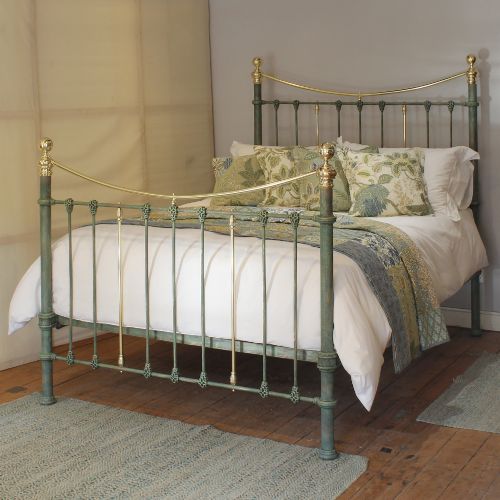
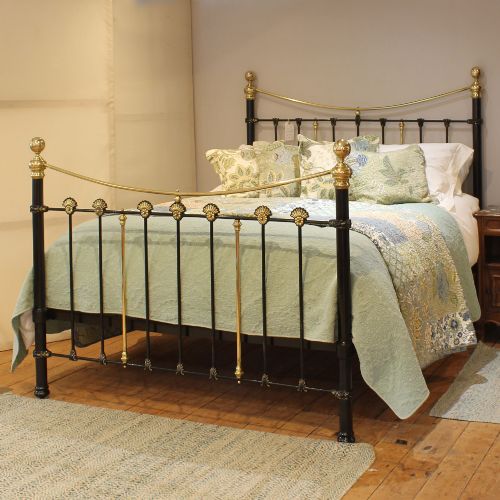
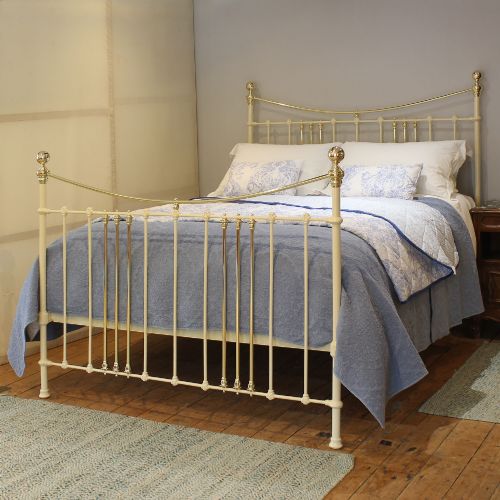
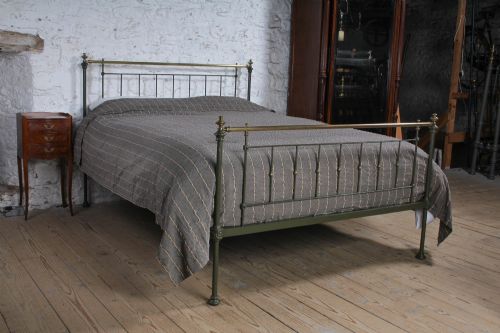
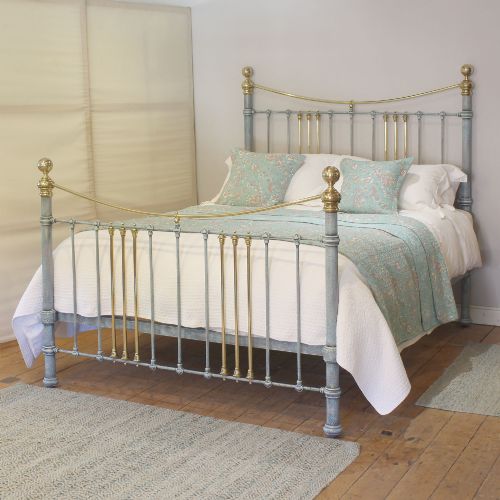
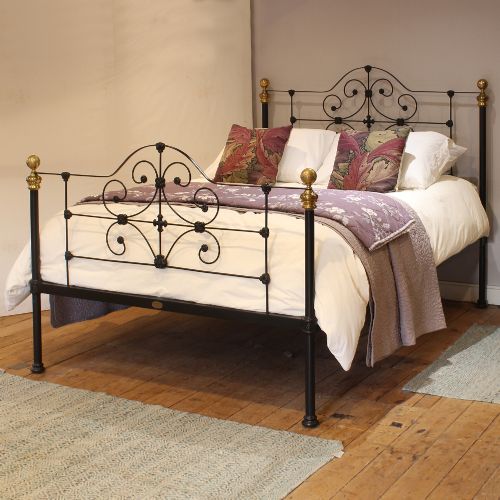
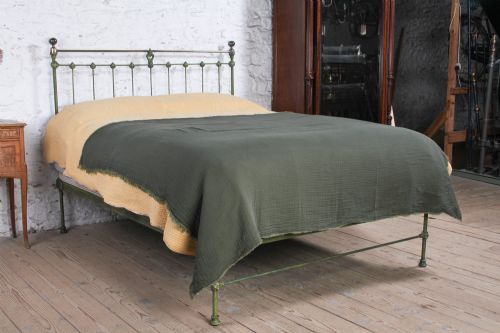
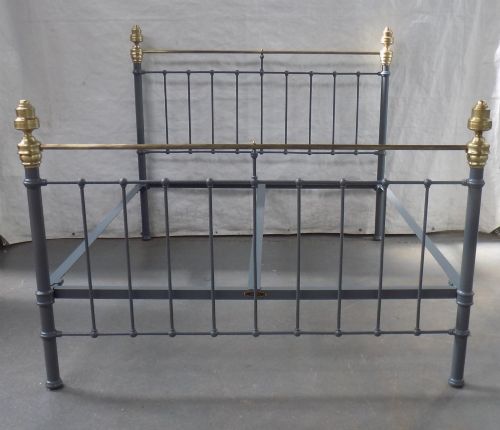
When you search for a king size iron bed, you are looking at substantial antique frames combining structural iron with decorative brass.
King Size Iron Bed
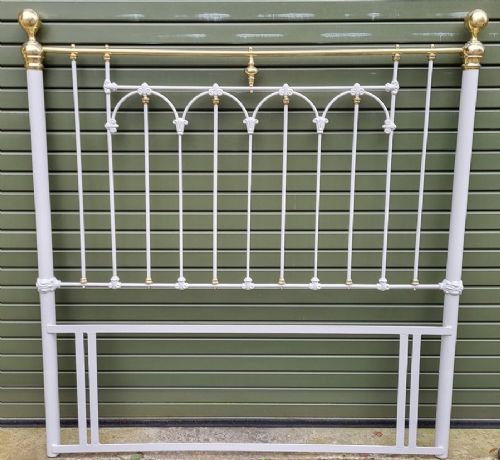
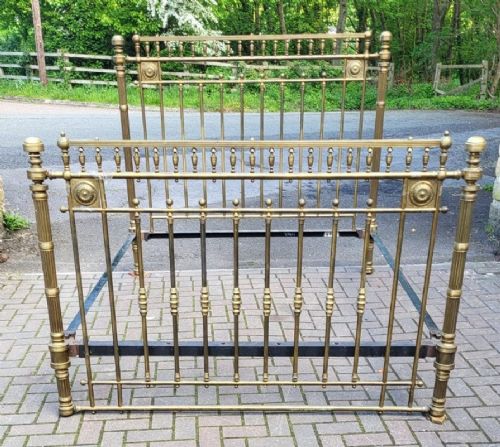
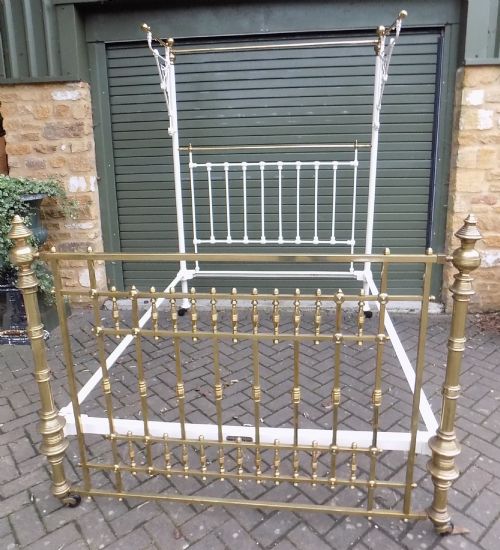
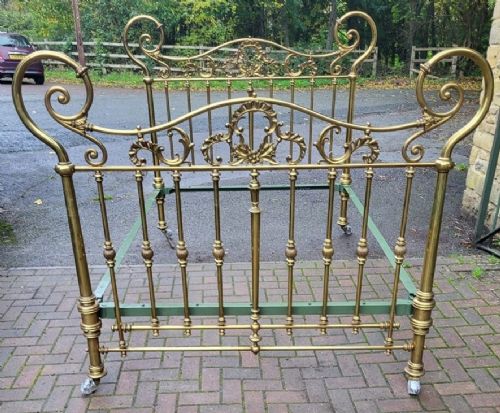
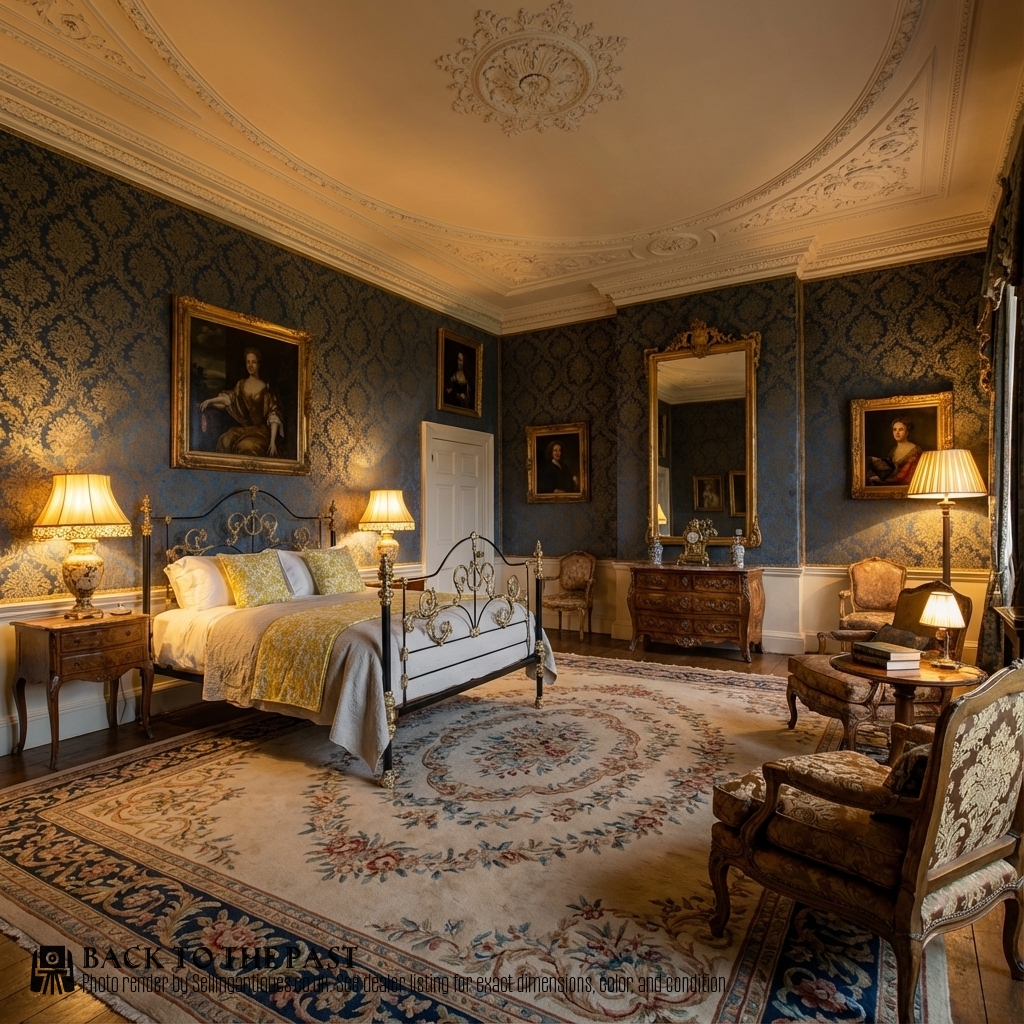
A king size iron bed brings together nineteenth and early twentieth century metalworking and substantial proportions suited to modern mattresses. You will most frequently encounter Victorian and Edwardian examples that pair cast and wrought iron frames with polished brass details.
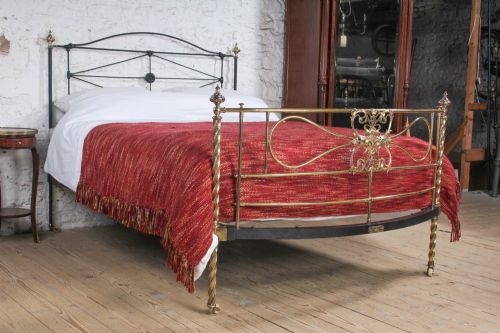
The selection ranges from traditional English and Irish bedsteads to continental French and Portuguese variants. Many feature no-end configurations or low footboards that suit contemporary bedrooms by maintaining an open visual space.
How they were made
Maker's workshops built these frames using heavy cast iron for structural stability alongside malleable wrought and forged iron for detailed shaping. Brass components, including finials, mounts and spindle rails, were affixed to the primary iron framework using specialised clamps and cast joints.
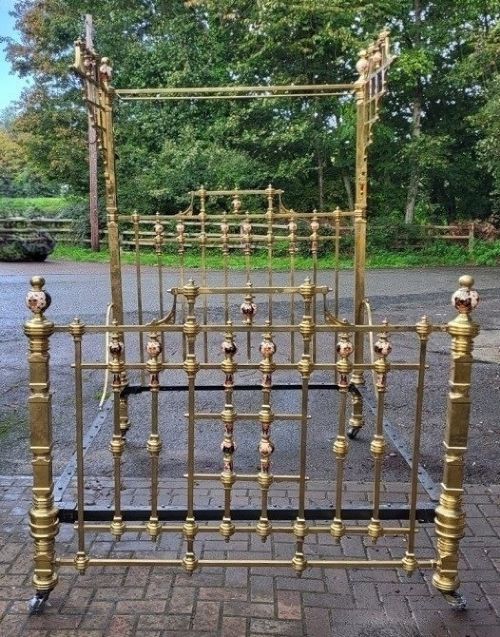
Surface treatments included protective dark paint, specialist coloured finishes, and polished brass elements that required regular maintenance. Ceramic and porcelain details were frequently incorporated into the castings for visual contrast.
King Size Iron Bed Retail Price Guide 2026
Typical asking prices for king size iron bed among the pieces listed under this phrase on Sellingantiques today, from the lower quarter to the upper quarter. They describe what is for sale here now, not the wider market.
What varies in quality
The distinction between standard production frames and exhibition pieces lies in the crispness of the castings and the complexity of the brass ornamentation. Superior examples display refined proportions, intricate tapering on the posts, and original proprietary construction elements.
The integrity of the original joints, the retention of authentic painted or polished finishes, and the presence of decorative details such as porcelain inserts or specialised ribbon reed mouldings separate fine workshop output from utility pieces.
Winfield
The King Size Iron Bed Glossary
- Bedstead
- The complete structural framework of a bed, comprising headboard, footboard and side rails. In antique metal beds, these are typically bolted together using internal corner brackets.
- Cast Iron
- Iron shaped by pouring molten metal into a mould, allowing for ornate decorative details and robust structural components. It forms the heavy foundational elements of nineteenth century frames.
- Wrought Iron
- Iron that has been heated and hammered into shape by hand, resulting in a fibrous material with high tensile strength. It is commonly utilised for scrolling frameworks and structural bars.
- Half Tester
- A bed featuring a canopy extending partway over the head of the frame from the headboard. This configuration provides a commanding vertical presence in larger rooms.
- Finial
- A decorative terminal ornament fitted to the top of bed posts. In metal beds, these are frequently cast in brass and screwed into the primary uprights.
King Size Iron Bed: Frequently Asked Questions
Will a modern king size mattress fit these antique frames?
Many nineteenth century metal beds were built to historic dimensions that vary slightly from contemporary standard sizes. It is essential to check the internal width and length measurements of the specific frame against your mattress dimensions before purchase.
Adjustment or custom support slats can often be integrated into the side rails to accommodate modern bases securely. Consulting the dealer regarding the exact internal clearance ensures a proper fit.
How do I assemble an antique iron bed?
Most metal bedsteads utilise a wedge and socket system or heavy iron bolts to secure the side rails to the headboard and footboard. Assembly typically requires two people to align the heavy cast iron joints and tap the wedges firmly into place.
Care should be taken not to over-tighten threaded components, particularly where brass elements meet cast iron. Using a rubber mallet helps protect original painted or polished surfaces during the process.
How do I care for the brass and iron finishes?
Maintenance involves gentle dusting with a dry microfibre cloth to prevent the accumulation of moisture and atmospheric grime on the metal surfaces. Unlacquered brass elements may be polished periodically with a suitable metal cleaner, taking care to avoid surrounding paintwork.
Original painted or enamelled finishes should be cleaned only with mild soapy water and dried immediately. Avoid harsh chemical solvents that can strip historic patinas or specialised surface treatments.