








Japanese Wall Platter
When you handle a Japanese wall platter, you hold a piece of late nineteenth century artistry that brings vibrant colour and meticulous detail to any room.
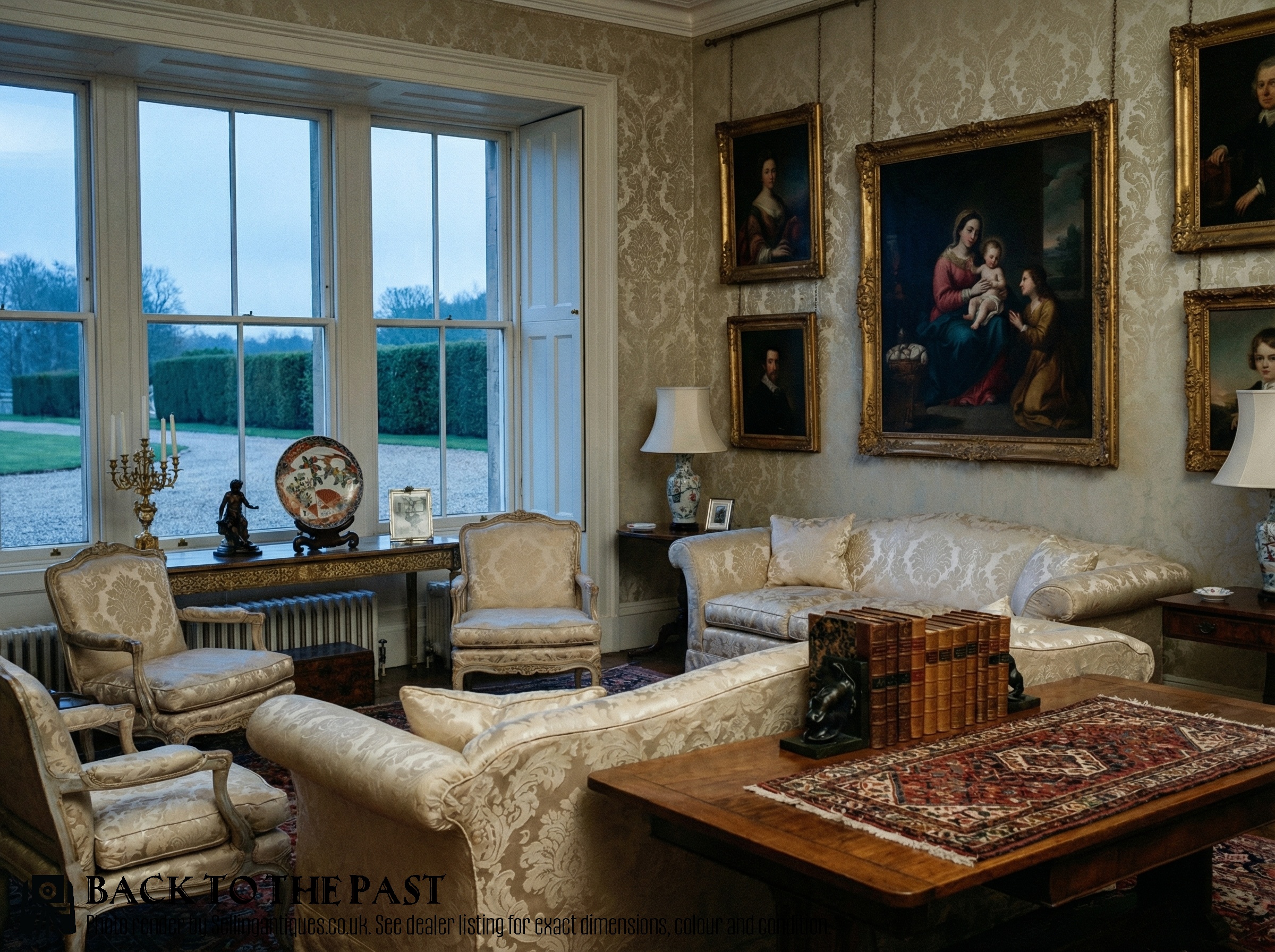
Japanese Wall Platter
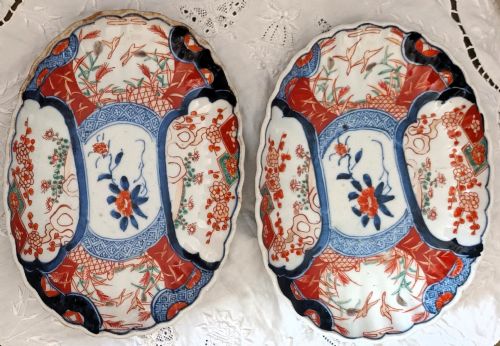
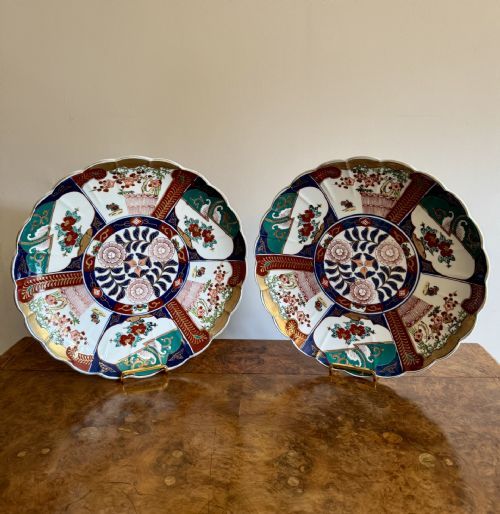
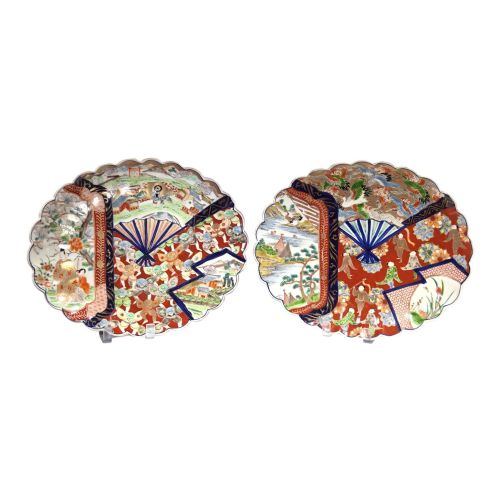
A Japanese wall platter encompasses large decorative chargers, plates and dishes originating predominantly from the Meiji period and the later nineteenth century. These items were produced in varied shapes including circular, square and oval formats designed for display.
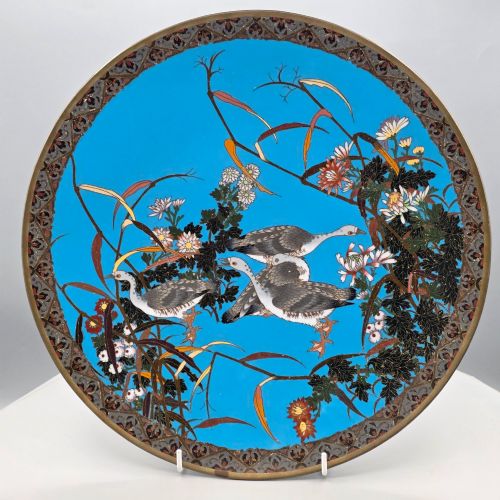
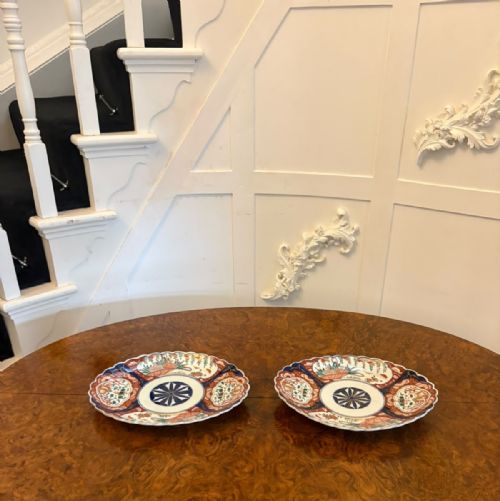
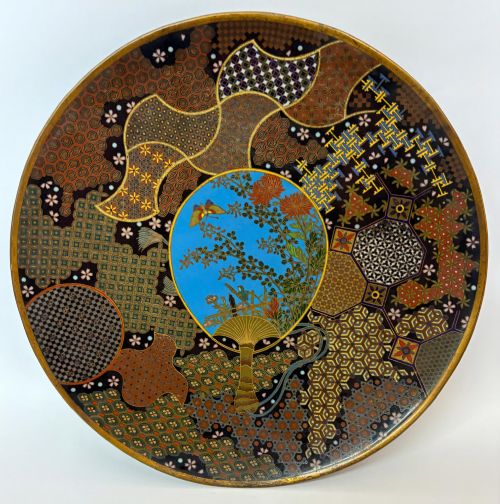
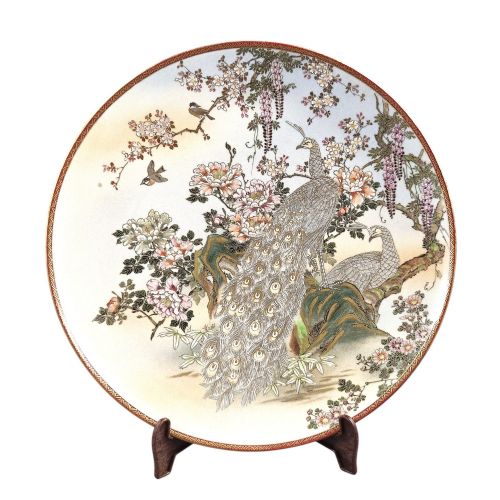
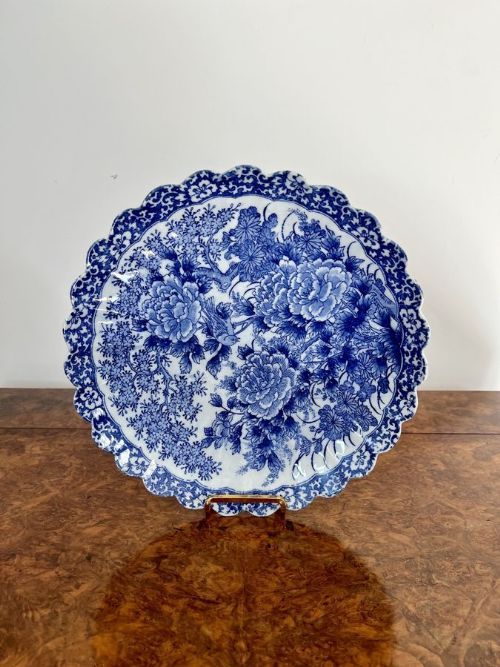
The versions most commonly met on this page are Imari porcelain chargers and cloisonne enamel plates featuring intricate hand-painted or wired motifs. Examples range from traditional blue and white Arita wares to complex polychrome designs depicting flora, fauna and mythical figures.
Makers utilised porcelain, copper and enamel to create substantial display pieces that reflect the aesthetic shifts of the late Victorian era. Such items bridge traditional craftsmanship with international export tastes of the period.
How They Were Made
Porcelain items were hand-painted with cobalt blue and iron-red glazes before undergoing high-temperature firing to achieve durable, glossy surfaces. Artisans frequently added gilding over the glaze to highlight specific decorative elements.
Cloisonne enamel pieces relied on fine copper or brass wires soldered to a metal base to form cells, which were then filled with coloured enamel pastes and fired multiple times. Ground surfaces were polished to a smooth finish, sometimes incorporating gold leaf or silver details.
Totai shippo techniques involved applying enamel directly over a ceramic or porcelain body rather than metal, creating distinctive textured effects that resembled tree bark beneath the vitreous layer.
Listings span the Meiji and Edo periods, featuring materials such as cloisonne enamel, gilt copper, and hand-painted porcelain.
What Varies In Quality
The precision of the brushwork or the delicacy of the wirework distinguishes standard production from exceptional examples. Finer pieces demonstrate strict symmetry in geometric borders and remarkable naturalism in animal or floral depictions.
The complexity of the palette and the inclusion of specialised techniques such as moriage relief work or multi-layered enamel shading elevate the status of a platter. Greater depth in the glazing and careful control during the firing process mark the higher tiers of production.
Nagoya
The Japanese Wall Platter Glossary
- Imari
- A style of Japanese porcelain featuring a distinct palette of underglaze blue, iron red, and added gold. These pieces were widely exported through the port of Imari during the Edo and Meiji periods.
- Cloisonne
- A decorative metalwork technique where flat wire is soldered to a base to create compartments for enamel paste. The object is fired and polished until the metal edges and glass paste are flush.
- Charger
- A large decorative plate intended primarily for display on a wall or sideboard rather than for serving food. They offer expansive surfaces for complex pictorial scenes.
- Moriage
- A type of ceramic decoration where clay is piped onto the surface in raised dots or lines before glazing and firing. This creates a tactile, three-dimensional effect.
- Arita
- A Japanese town famous for its porcelain production centre, supplying much of the high-quality ware exported during the late nineteenth century.
Japanese Wall Platter: Frequently Asked Questions
How were Japanese wall platters displayed?
These large plates and chargers were often fitted with hanging wires or placed on specialist stands to adorn domestic interiors. Their generous diameters made them central decorative focal points in nineteenth-century reception rooms.
Collectors today continue to mount them on walls or display them in cabinets to showcase their intricate hand-painted details and vibrant enamel work.
What is the difference between Imari and Kutani?
Imari porcelain is readily identified by its characteristic underglaze blue and iron-red palette, frequently enriched with gold leaf. The designs often incorporate dense geometric patterns alongside natural motifs.
Kutani wares, by contrast, tend to rely on bold polychrome overglaze enamels, with green, yellow and purple featuring heavily in pictorial compositions depicting landscapes or figures.
How do I identify a Meiji period piece?
Meiji period items, produced between eighteen sixty-eight and nineteen twelve, generally exhibit a high degree of technical refinement driven by international exhibition demands. The decorative themes often shift towards more naturalistic or dramatic representations of birds, flowers and mythology.
Porcelain bodies from this era are typically crisp and well-finished, while cloisonne works show increasingly microscopic wirework and subtle colour gradients.
Can these platters be hung safely on walls?
Most antique chargers feature substantial weight due to their thick porcelain or metal-and-enamel construction. Ensuring that any hanging mechanism securely supports the entire base rather than relying solely on a rim clip is essential for safe display.
Professional framing or specialised wall brackets designed for heavy ceramics provide the best support without placing undue stress on the antique material.