



Japanese Pottery Jars
Japanese pottery jars encompass finely potted Imari, Satsuma, and Kutani vessels from the nineteenth and early twentieth centuries, prized for intricate hand-painted detail and rich historical presence.
Japanese Pottery Jars
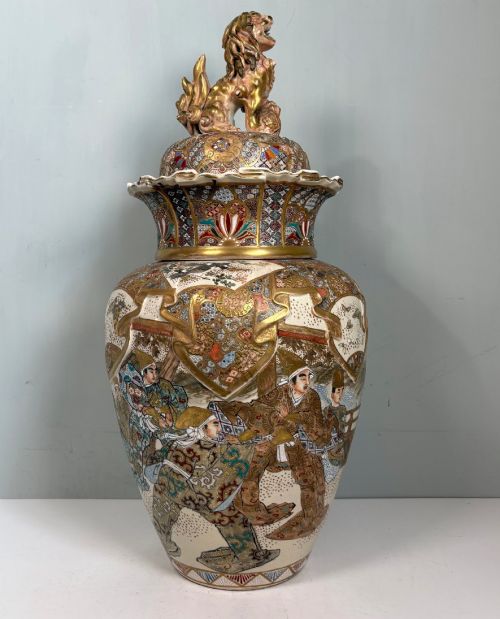
Japanese pottery jars appear primarily as nineteenth-century Satsuma wares, Kutani pieces, and Imari porcelain vessels designed for decorative display or functional storage. Buyers exploring Japanese pottery jars encounter everything from small tea caddies and lidded ginger jars to large floor vases bearing elaborate enamel and gold leaf decoration.
The selections span distinct creative epochs, featuring Edo, Meiji, and Taishō-Showa periods. Forms vary from hexagonal shapes and traditional vases to specialised incense burners and sugar bowls created by noted Kyoto and Tokyo studios.
Materials and production methods
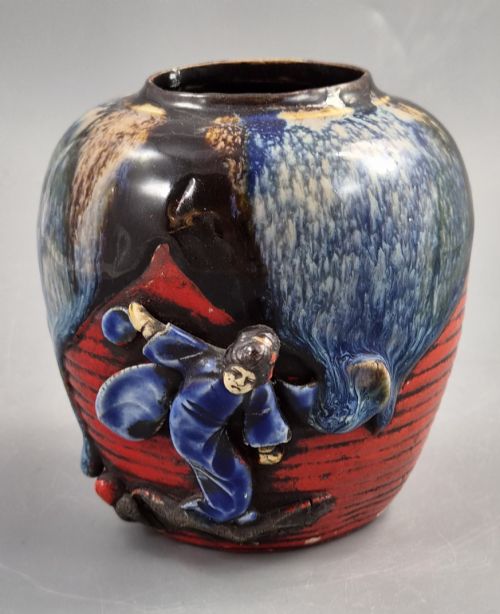
Artisans formed these vessels using earthenware and porcelain bodies, frequently applying rich glazes, enamel, and gold leaf highlights. Pieces like Sumida Gawa jars utilise distinct blue flambé glazes and applied figures, whilst cloisonne on pottery incorporates detailed wirework over ceramic surfaces.
Painting techniques combined delicate brushwork with meticulous gilding. Makers often signed their works directly onto the base, recording individual studio output from Kaga, Kyoto, Tokyo, and other regional centres.
Listings feature vessels spanning the nineteenth century through the 1930s, encompassing Meiji, Taisho, and Edo stylistic influences.
Evaluating craftsmanship and artistry
The standard of a piece rests upon the precision of the hand-painted motifs and the complexity of the enamel and gold leaf application. Finer Satsuma wares display exceptionally controlled crackle glazes alongside minute figures of Rakan and intricate botanical patterns.
Signatures from established makers or renowned workshops elevate the standing of a vessel. The overall balance of the form, whether an Imari hexagonal vase or a lidded ginger jar, dictates the visual impact of the work.
Kizan·Makuzu Kozan·Kinkozan·Tokyo Taizan·Shizan·Makuzu Kozan II·Kinrin Workshop·Shozan
The Japanese Pottery Jars Glossary
- Satsuma
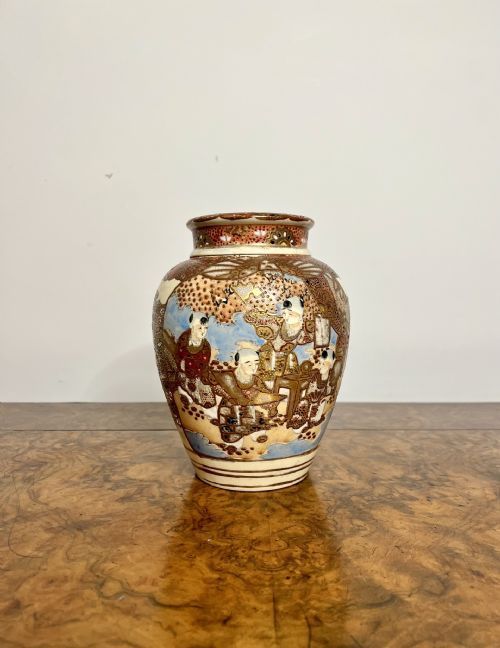
- Earthenware pottery originating from Satsuma Province, traditionally characterised by an ivory-coloured, crackled glaze decorated with polychrome enamels and gold. These pieces became hugely popular for export during the Meiji period.
- Imari
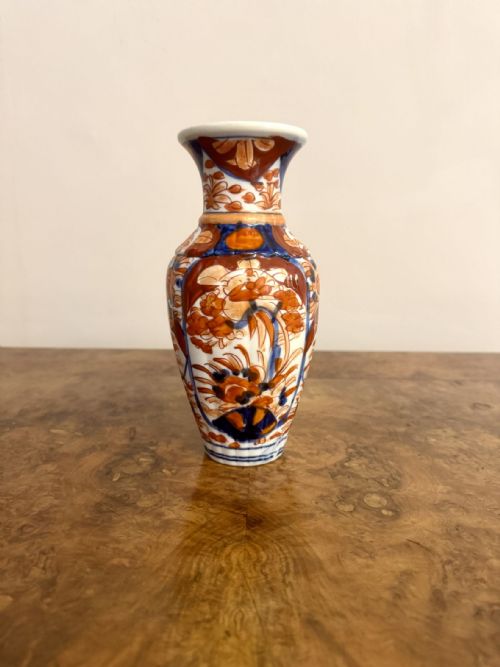
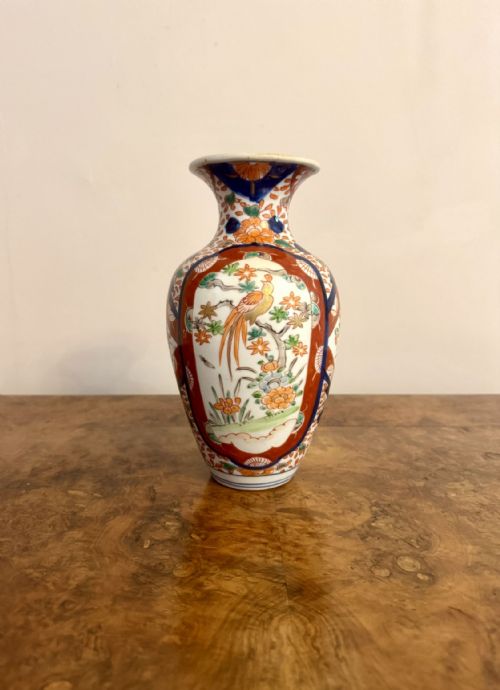
- A type of Japanese porcelain produced in the town of Arita, typically decorated in underglaze blue and overglaze red, gold, and green. They are celebrated for their vibrant, brocade-like patterns.
- Kutani
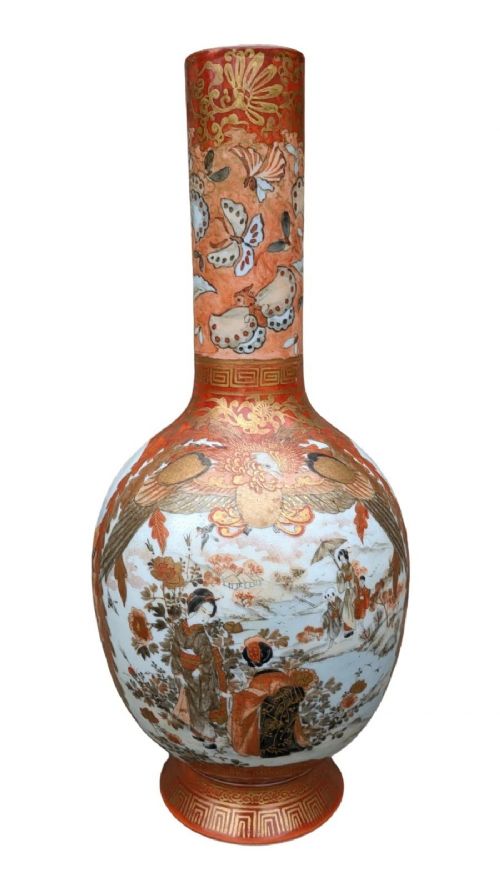
- Japanese pottery and porcelain traditionally produced in Kaga province, known for bold colour palettes featuring greens, blues, yellows, purples, and reds, often depicting pictorial scenes.
- Natsume
- A small, thin-leaf tea caddy used in Japanese tea ceremonies, usually shaped like a jujube fruit. They often feature delicate Satsuma or lacquer decoration.
- Koro
- A traditional Japanese incense burner, typically fitted with a pierced cover to allow scented smoke to escape. They appear in ceramic forms supported by small feet.
Japanese Pottery Jars: Frequently Asked Questions
How do I identify Satsuma ware?
Satsuma ware is typically recognised by its distinctive ivory-coloured earthenware body covered in a fine network of decorative crackle glaze. The surfaces are richly decorated with enamel paintings and heavily applied gold leaf.
Many pieces also bear artist signatures or workshop marks on the underside, pointing to specific production centres like Kyoto or Tokyo.
What is the difference between Imari and Kutani?
Imari pieces are porcelain vessels traditionally characterised by a palette of underglaze blue and overglaze iron red, complemented by gilt highlights. Their patterns often resemble intricate textiles.
Kutani ceramics are typically known for a wider, bolder spectrum of colours, particularly strong greens, purples, and yellows, often featuring pictorial narratives and detailed borders.
How should I display these jars at home?
Large Imari and Satsuma vases work well as statement floor pieces or focal points on sturdy wooden stands. Smaller lidded jars, tea caddies, and miniature vases suit tabletops, shelves, or cabinet displays.
Keep them away from direct sunlight to preserve the vibrant overglaze enamels and delicate gold leaf details over time.