









Japanese Porcelain Charger Plate
A japanese porcelain charger plate brings centuries of kiln artistry into a room, offering broad painted surfaces designed for display.
Japanese Porcelain Charger Plate
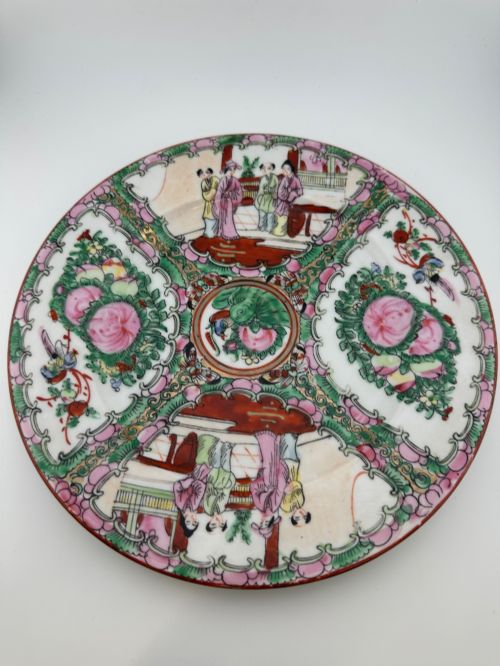
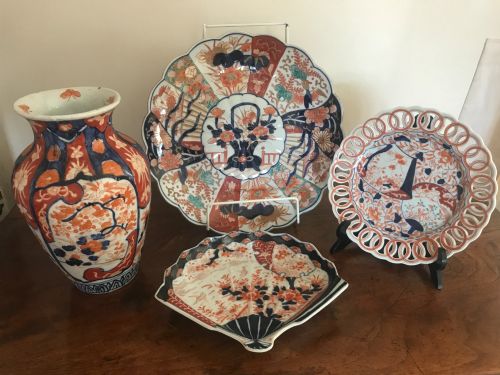
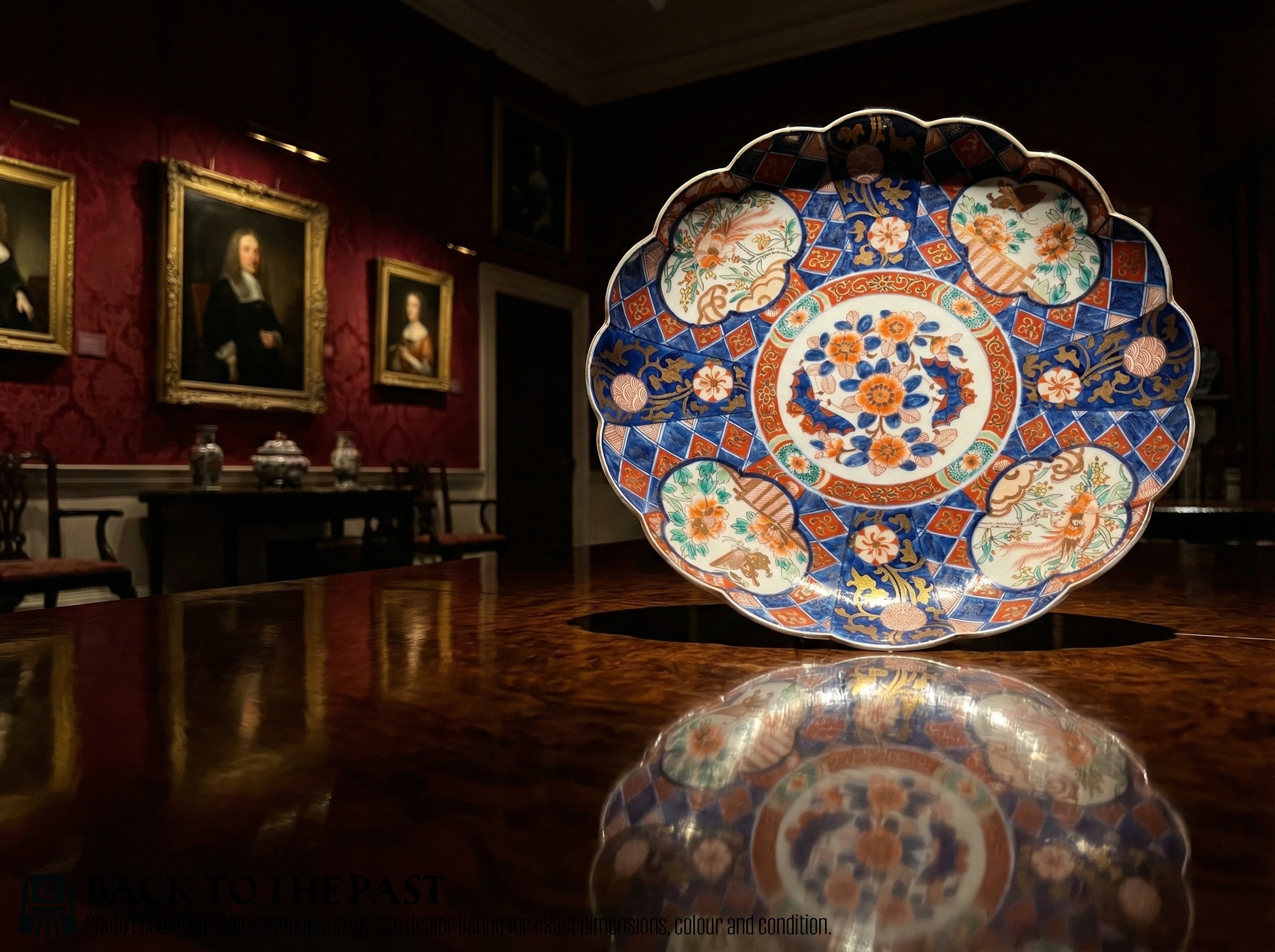
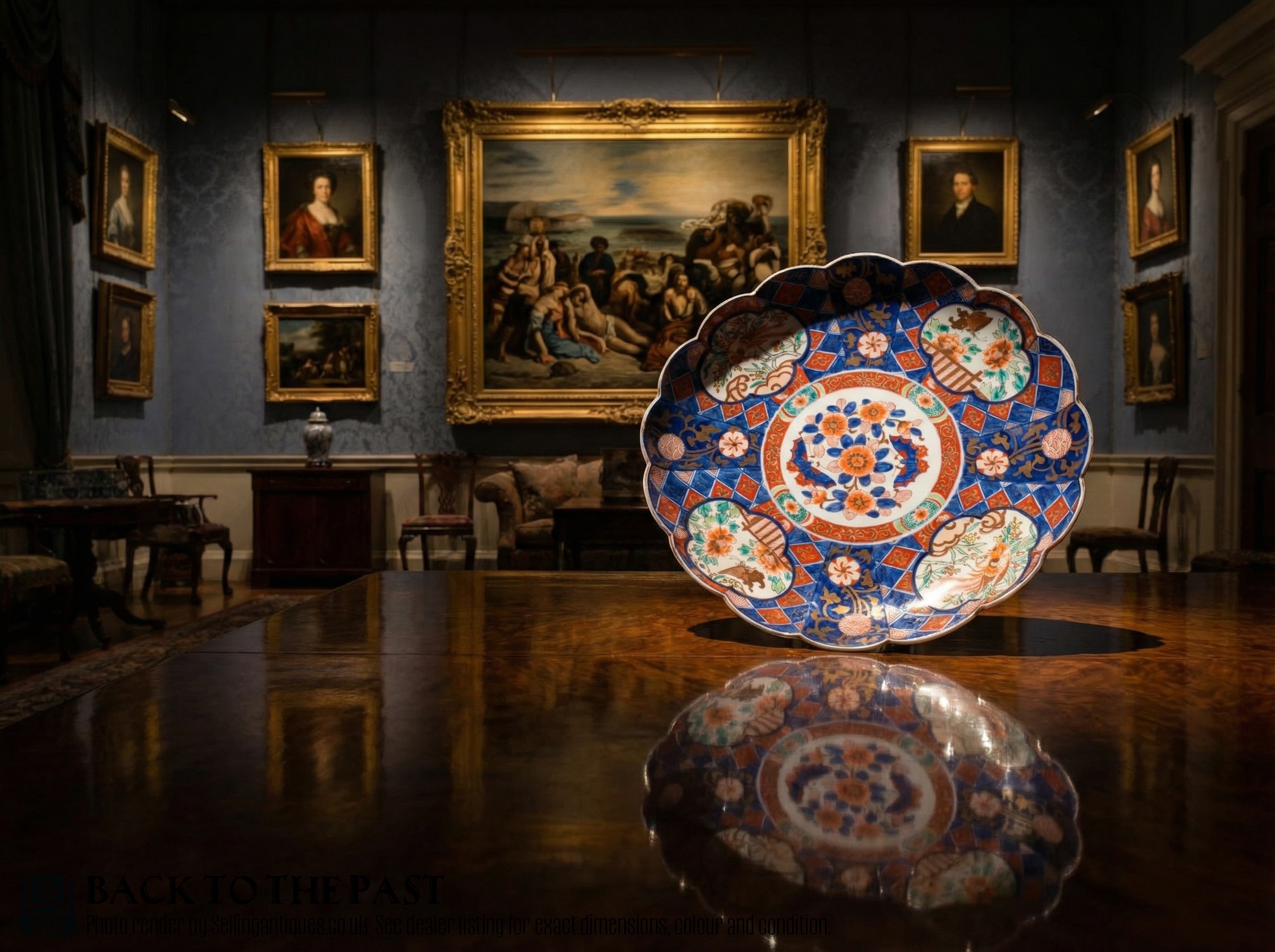
A Japanese porcelain charger plate is a wide, decorative dish created for visual impact rather than dining. The pieces gathered here span the nineteenth and early twentieth centuries, capturing the distinct aesthetic shifts of the Meiji period and surrounding eras.
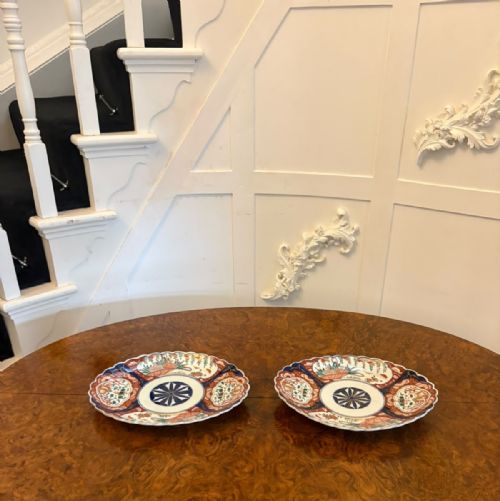
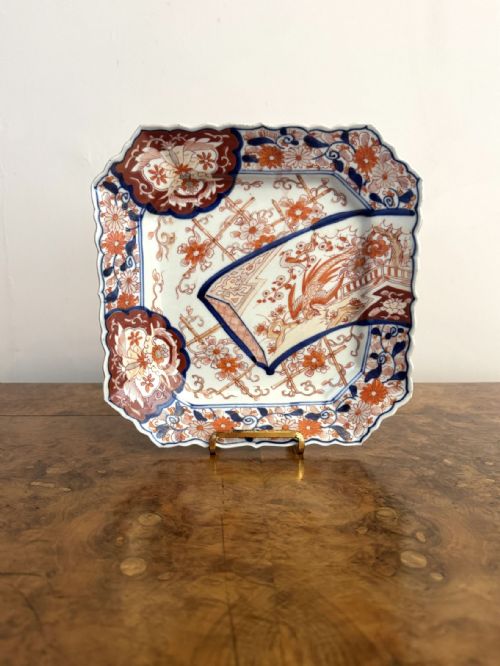
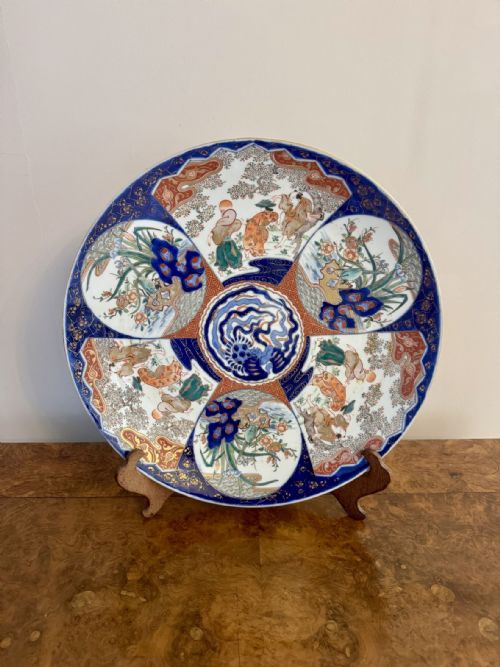
Buyers will encounter many variations in form, from traditional circular chargers to scalloped, square, and hexagonal shapes. Most examples draw upon the Imari and Satsuma traditions, displaying elaborate hand-painted motifs across the ceramic surface.
The objects serve primarily as wall plates or display dishes, utilising bold patterns of flora, fauna, and exotic birds to command attention in a room. These ceramics bridge utilitarian craft and fine art, developed through generations of specialised kiln production.
Materials and Construction
The foundation rests on dense porcelain clay fired at high temperatures to create a durable, ringing white body. Artisans then applied cobalt underglaze before the initial firing, establishing deep blue outlines that would remain permanent beneath subsequent layers.
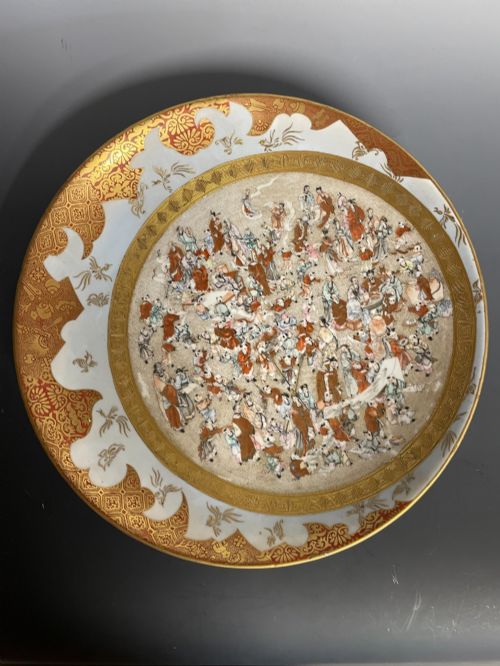
Overglaze enamels and gold leaf provided the characteristic palette, fused to the surface through secondary lower-temperature firings. Gilding and meticulous brushwork added metallic sheen and textural relief, particularly on Satsuma moriage pieces where enamels sit proud of the glaze.
Japanese Porcelain Charger Plate Retail Price Guide 2026
Typical asking prices for japanese porcelain charger plate among the pieces listed under this phrase on Sellingantiques today, from the lower quarter to the upper quarter. They describe what is for sale here now, not the wider market.
Listings span the nineteenth and early twentieth centuries, featuring porcelain, earthenware, and gold leaf across Imari and Satsuma styles.
Assessing Quality and Execution
Quality rests in the precision of the brushwork and the clarity of the enamel colours against the white porcelain ground. Stronger pieces display confident, hand-painted botanical or avian designs without the blurring or pooling seen in lesser production work.
The handling of gilding and enamel relief further distinguishes standard decorative items from superior examples. A well-balanced composition across a broad, stable plate body represents the pinnacle of nineteenth-century ceramic output.

Koshida
The Japanese Porcelain Charger Plate Glossary
- Imari
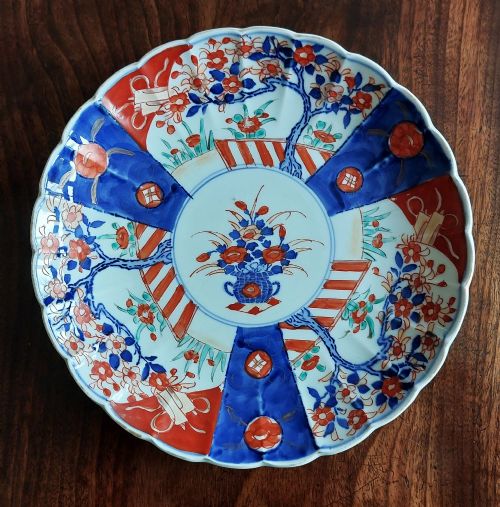
- A style of Japanese porcelain featuring a distinct palette of cobalt blue, iron red, and gold, named after the port from which these ceramics were shipped.
- Satsuma
- An earthenware or porcelain ceramic characterised by a crackle glaze and elaborate overglaze enamel decoration, frequently enriched with raised moriage details.
- Moriage
- A decorative technique using piped clay or thick enamel trails to create raised, three-dimensional patterns on the surface of the ceramic.
- Charger
- A large ornamental plate traditionally used for ceremonial display or placed beneath smaller service dishes.
- Underglaze
- Pigment applied directly to the unfired ceramic body before glazing and firing, sealing the colour beneath a glassy protective layer.
Japanese Porcelain Charger Plate: Frequently Asked Questions
How were Japanese porcelain chargers used?
These large vessels served primarily as decorative display pieces on walls, cabinets, or tables rather than for serving food.
Their substantial size and intricate painted designs made them centrepieces in both Japanese interiors and European drawing rooms during the nineteenth century.
What is the difference between Imari and Satsuma plates?
Imari plates utilise hard porcelain with a signature palette of cobalt blue, iron red, and gold, often featuring geometric and floral layouts.
Satsuma pieces typically employ a softer, cream-coloured crackle glaze adorned with dense pictorial scenes and raised enamel work.
How do I hang a heavy antique charger?
Wall display requires a properly fitted, coated spring hanger that grips the rim securely without putting pressure on stress points.
Ensure the wall fixing engages directly with a stud or solid anchor to safely support the weight of the porcelain.
How can I tell the Meiji period from other eras?
Meiji period ceramics, produced between eighteen sixty-eight and nineteen twelve, often combine traditional motifs with refined detailing driven by international export demands.
Earlier pieces show heavier potting and simpler cobalt application, while Meiji examples frequently display exuberant gold leaf and meticulous enamel painting.