


Japanese Polychrome Vases
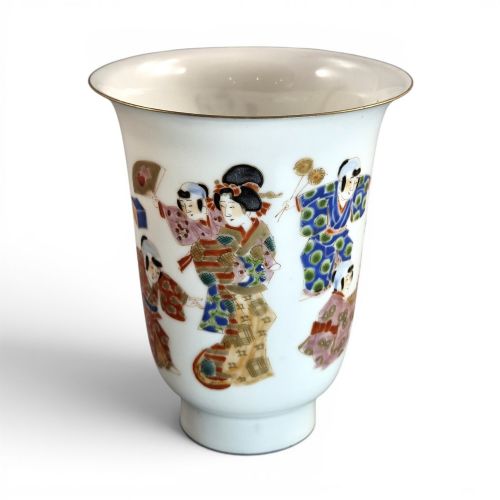
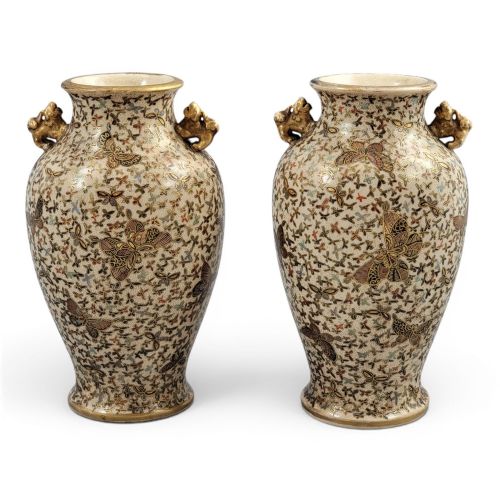
These japanese polychrome vases bring together rich enamels, earthenware, and porcelain from the nineteenth and early twentieth centuries.
Japanese Polychrome Vases
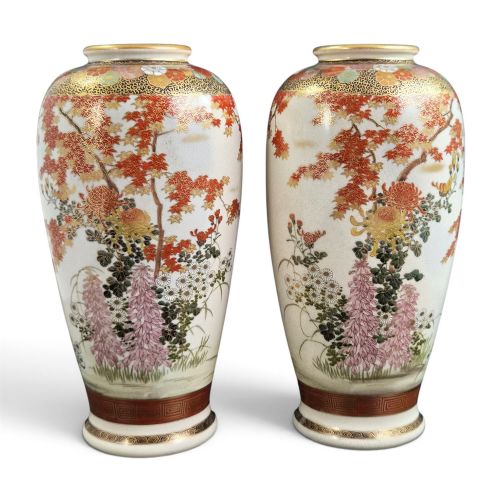
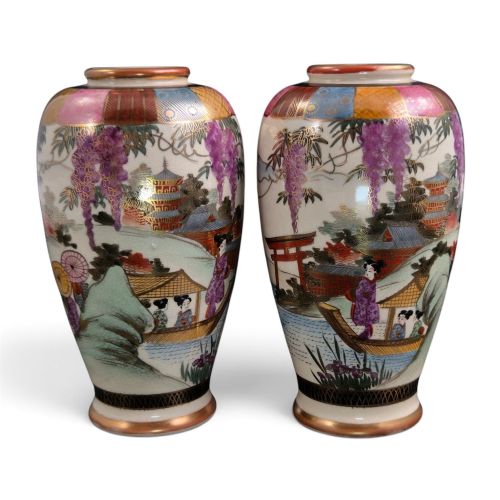
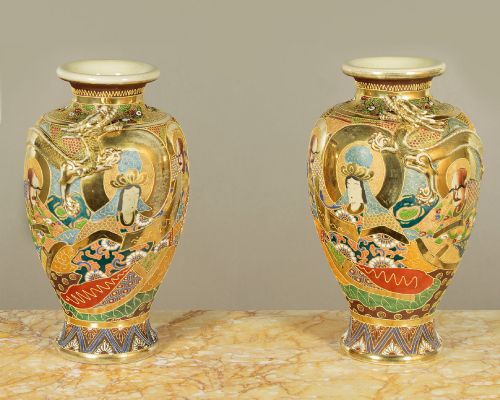
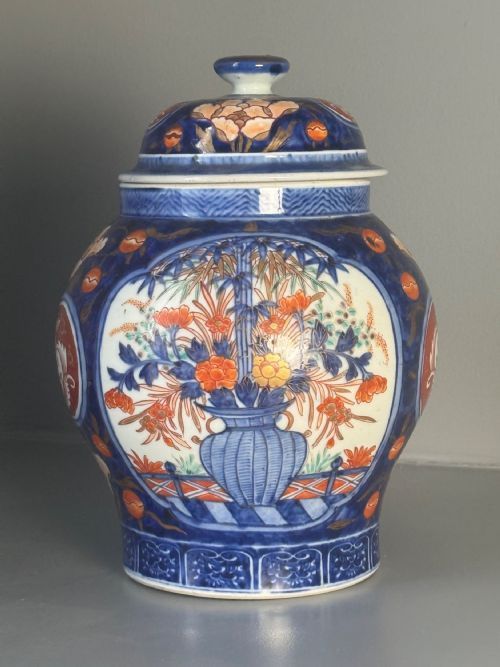
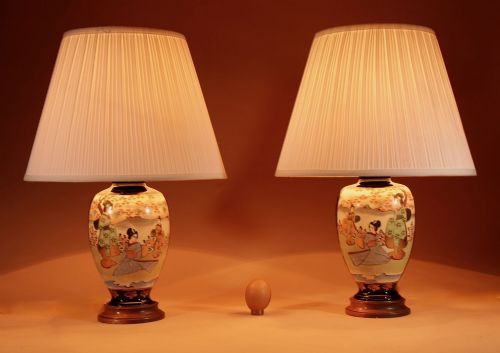
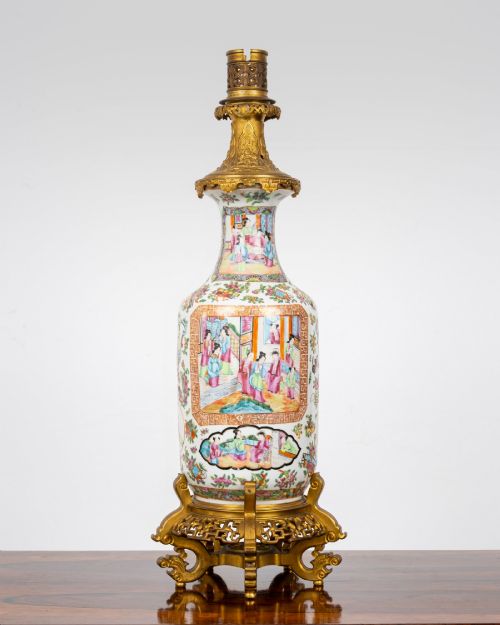
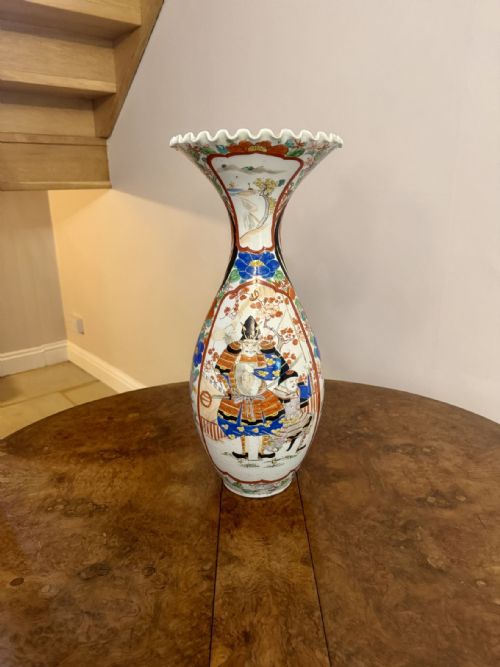
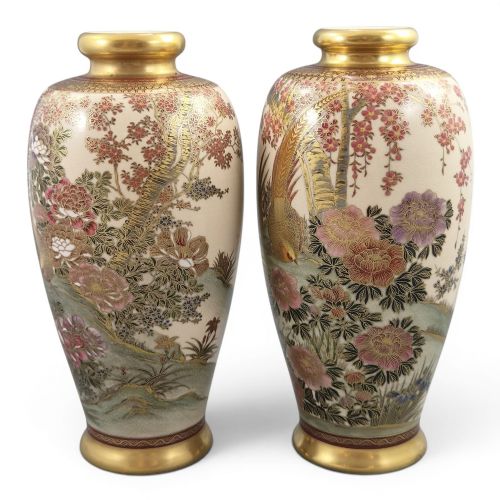
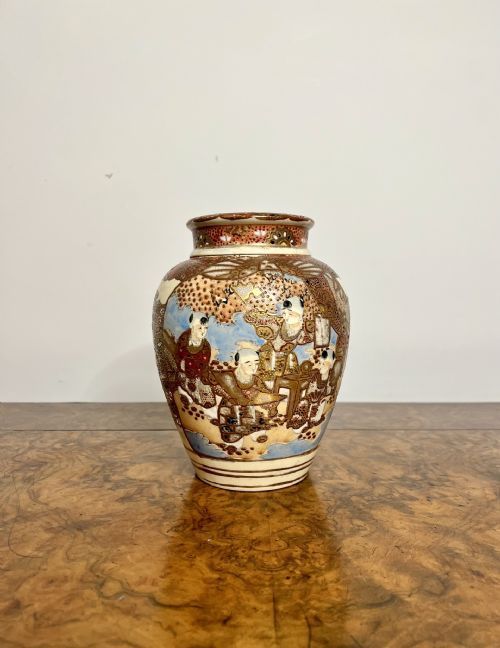
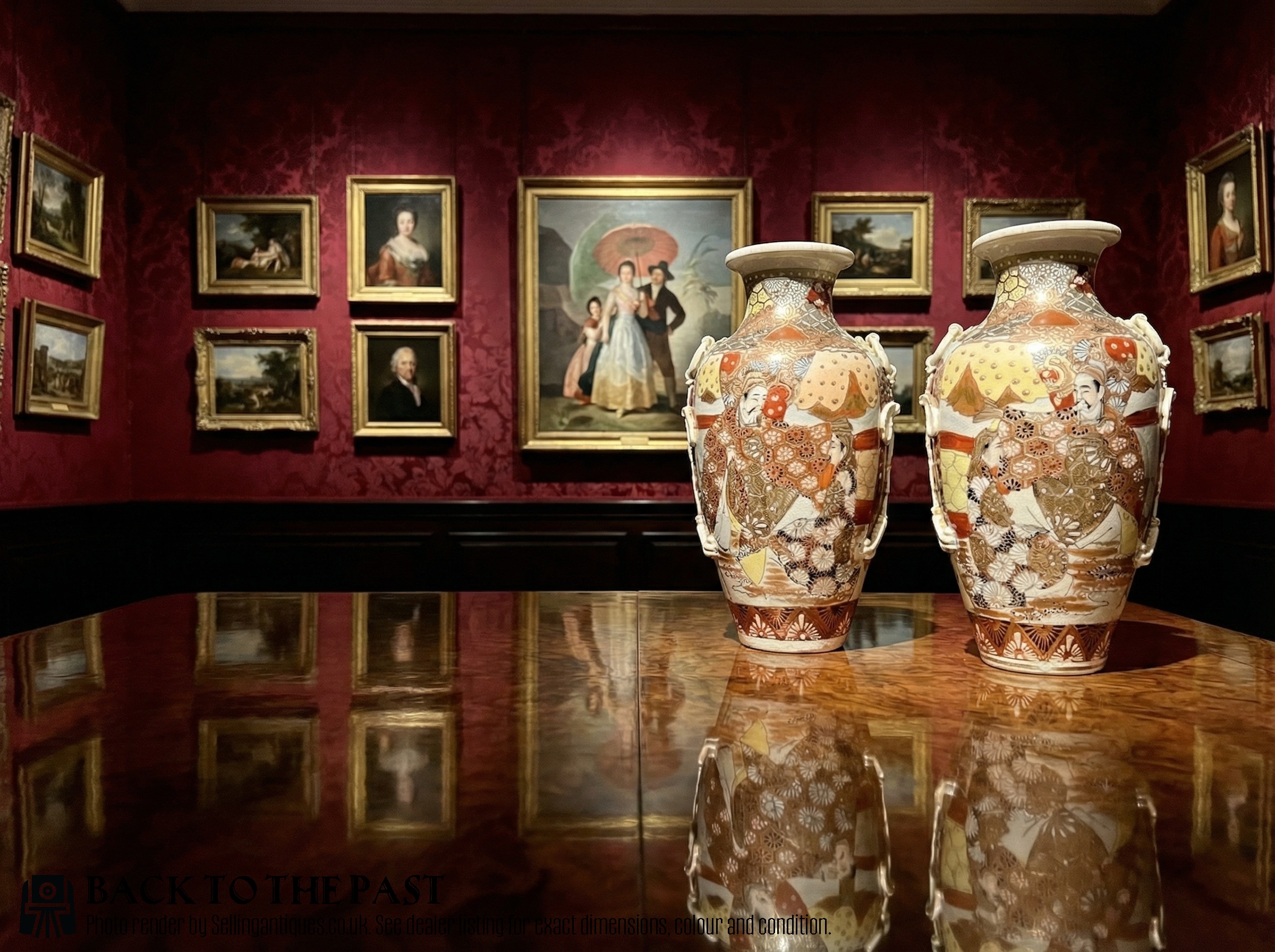
Satsuma earthenware and Imari porcelain dominate the physical evidence on this page, frequently decorated with complex figural scenes, floral motifs, and landscapes. Many pieces arrive as matched pairs, incorporating hand-painted details and intricate gilding.
How they were made
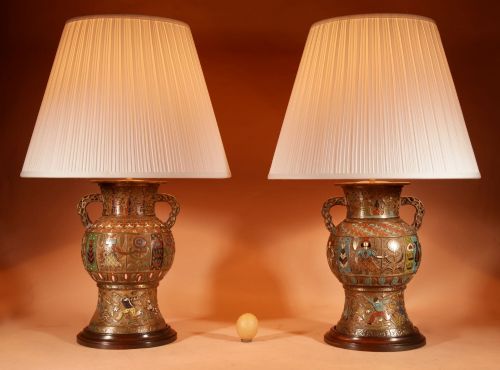
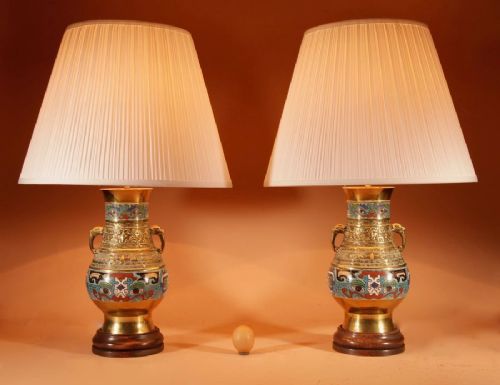
The makers utilised earthenware, porcelain, and bronze as core structural materials, often combining them with enamel and gold leaf for surface decoration. Champlevé enamel techniques appear alongside fine glaze applications on vessels and mounted table lamps.
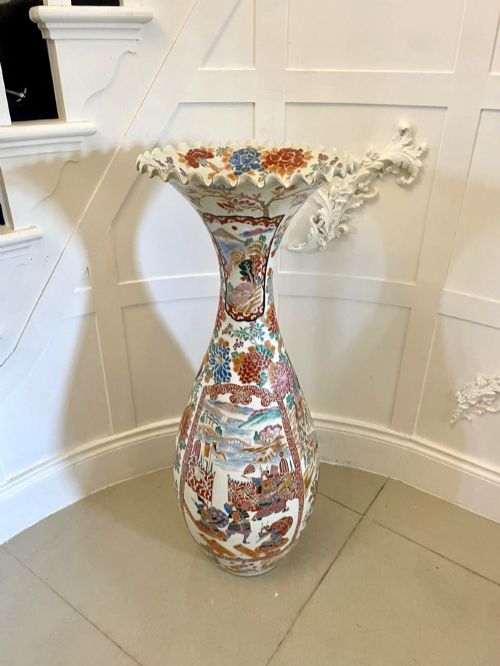
Artisans applied polychrome pigments by hand across diverse forms such as eggshell porcelain and heavy floor vases. Many items display signature mon marks, intricate thousand butterfly motifs, and detailed landscape narratives.
Materials recorded across the inventory include gold leaf, brass, wood, fabric, and glaze.
What varies in quality
The distinction between standard vessels and exhibition quality works rests on the precision of the hand-painted enamel and the density of the gilding. Signed pieces by recognised makers demonstrate superior control over minute figural detail and landscape composition.
Structural scale also separates everyday items from impressive palace vases and large floor standing pairs. The refinement of mounts, particularly in pieces adapted as table lamps with gilt bronze or brass components, influences the overall character.
Maruni Kobe·Manpei Kobe·Kinzan·Yamashu·Choshuzan·Jissei·Yoshisada·Hododa·Hayakawa
The Japanese Polychrome Vases Glossary
- Satsuma
- A type of Japanese earthenware featuring a crackle glaze and detailed polychrome enamel painting, often enhanced with gold leaf. It remains one of the most common ceramic forms found in nineteenth-century collections.
- Imari
- A style of Japanese porcelain decorated in underglaze blue, iron red, and gold, produced originally in Arita. These wares are recognised for their rich palette and intricate geometric or floral panels.
- Champlevé
- An enamelling technique where troughs are carved into a metal base such as bronze and filled with enamel paste before firing. This method creates durable decorative patterns on heavy vessels and lamps.
- Kutani
- A distinct style of Japanese porcelain known for bold polychrome designs, frequently incorporating dense pictorial scenes and vibrant overglaze colours. The tradition spans multiple historic production periods.
- Mon
- A Japanese heraldic badge or crest used to identify families or clans. They appear frequently on high-quality Satsuma pottery as marks of distinction.
Japanese Polychrome Vases: Frequently Asked Questions
How do I identify Satsuma ware?
Satsuma ceramics are characterised by a distinctive ivory-coloured earthenware body covered in a fine network of crackled glaze. They carry dense polychrome enamel painting and heavy gilt detailing.
Most pieces depict human figures, landscapes, or natural motifs like wisteria and butterflies. Makers' signatures and family mon crests often appear on the underside.
What is the difference between Imari and Kutani?
Imari porcelain relies on a palette of underglaze blue, iron red, and gold, featuring structured panels and floral patterns. It originates from the Arita region and has a long history of export.
Kutani wares tend to display much bolder, fully saturated polychrome overglaze schemes with storytelling scenes. They lack the standard blue and red underglaze framework typical of traditional Imari.
Are these vases from the Meiji period?
A large proportion of the items date from the Meiji period, which spanned the late nineteenth and early twentieth centuries. This era saw a surge in detailed decorative export production for Western markets.
Later pieces on the page extend into the Taisho and Showa periods, as well as Victorian and Edwardian cataloguing dates.
How were champleve enamel vases made?
Champlevé vessels begin with a cast bronze or brass body where the artisan carves channels directly into the metal surface. These recessed areas are packed with powdered mineral enamel and fired at high temperatures.
The resulting glass-like coloured compartments sit flush with the polished metal framework, creating durable and tactile decorative patterns.