



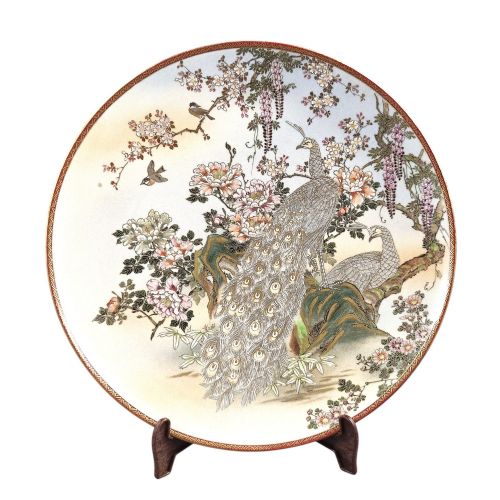
Japanese Polychrome Porcelain
Japanese polychrome porcelain brings together the vibrant enamel palettes and intricate gilding of the Meiji, Edo, and Taisho periods.
Japanese Polychrome Porcelain
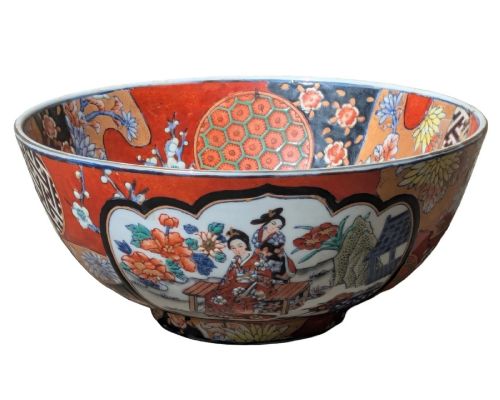
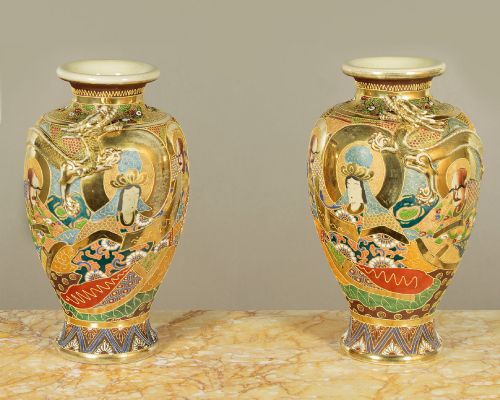
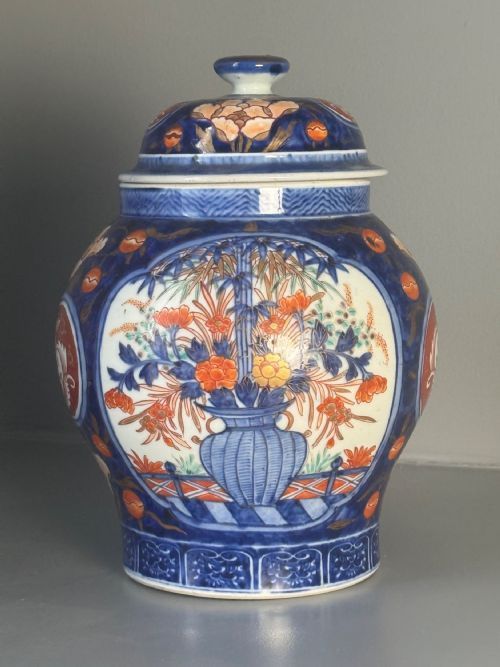
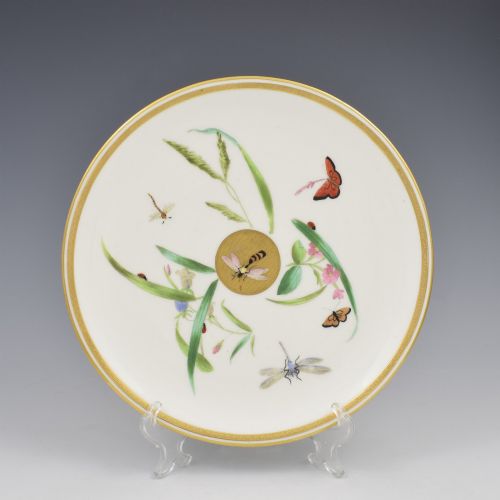
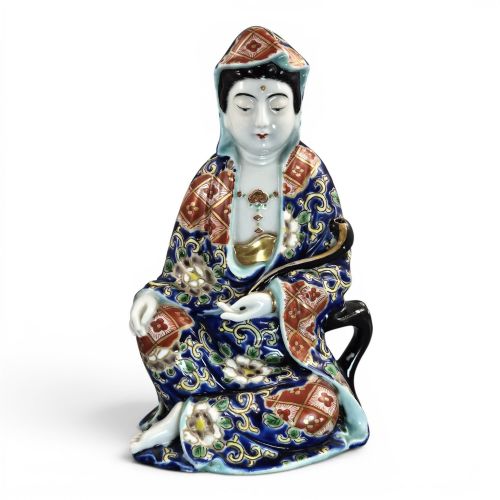
When searching for japanese polychrome porcelain, collectors encounter an array of vessels and figures spanning the nineteenth and early twentieth centuries. The selection ranges from robust Imari chargers and Kutani platters to delicate Satsuma vases, lidded jars, and sculptural okimono.
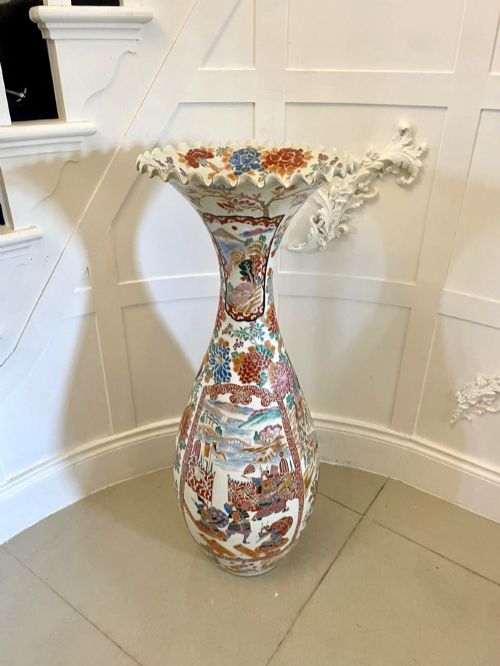
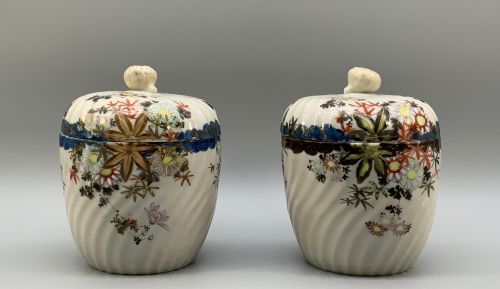
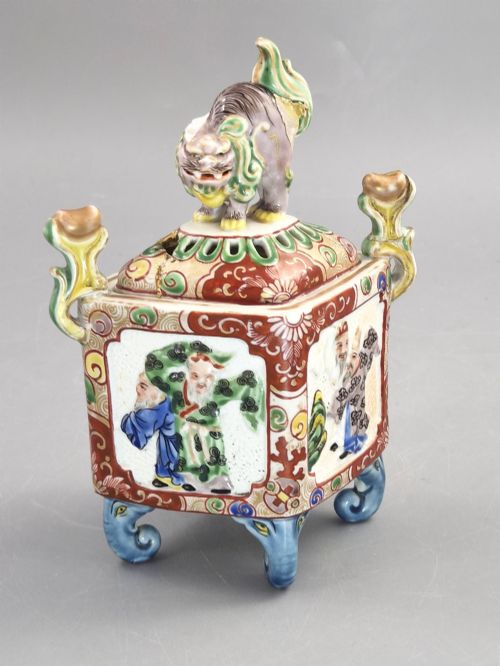
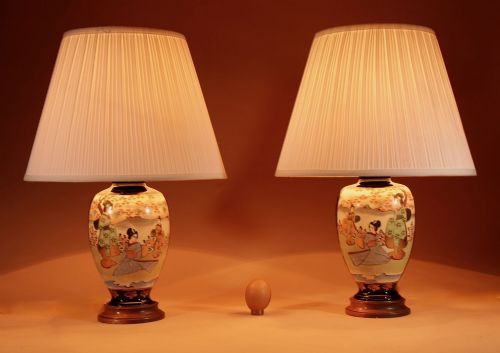
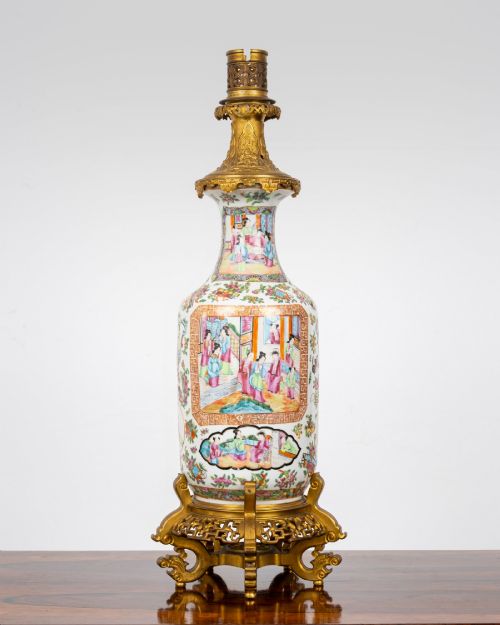
Most pieces date from the Meiji period through to the Taisho and Showa eras, reflecting shifting domestic tastes and major export booms. Forms vary from monumental floor-standing vases down to miniature bowls, incense burners, and table lamps adapted for western interiors.
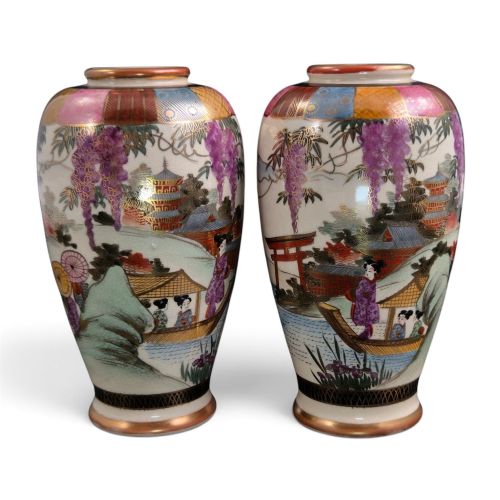
Originating from renowned kiln centres such as Arita, Satsuma, and Kutani, these works showcase distinct regional specialisms in clay body, glaze texture, and enamel decoration. Buyers frequently meet traditional Imari palettes alongside the finely crackled, gilt-enriched surfaces typical of Satsuma ware.
Materials and production methods
Potters shaped fine porcelain and earthenware bodies by hand or on the wheel before applying initial underglaze cobalt or firing plain biscuit wares. Artisans then built up complex surface designs utilising opaque and translucent enamels, often supplemented by gold leaf and heavy gilt accents.
Enamel application required multiple firings in low-temperature kilns to set each colour layer without damaging the underlying glaze. Techniques such as moriage involved trailing thick slip to create raised, textured dots and borders beneath the final gilding.
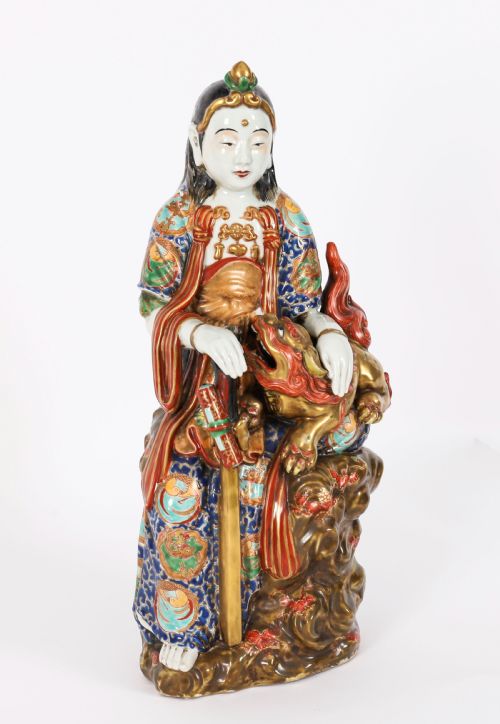
Mandarin ducks appear alongside stern samurai and deities, reminding us that potters possessed a healthy sense of humour.
Factors determining quality
Quality rests upon the precision of the brushwork and the complexity of the enamel composition, separating standard export wares from imperial-grade commissions. Finer pieces demonstrate meticulous control in fine-line detailing, particularly in facial expressions, foliage, and intricate garment patterns.
The density and purity of the gilding, alongside the evenness of the glaze and the crispness of any artist or kiln marks, signal superior craftsmanship. Ground imperfections and smudged enamel work indicate lower tiers of production geared toward mass export markets rather than elite patronage.
Manpei·Gyokkō·Ryuzan·Makuzu Kozan II
The Japanese Polychrome Porcelain Glossary
- Imari
- A style of Japanese porcelain featuring a distinctive palette of underglaze blue, iron red, and gilt overglaze decoration. Pieces originate predominantly from the kilns around Arita.
- Satsuma
- Earthenware pottery characterised by a finely crackled ivory glaze decorated with polychrome enamels and rich gilding. These wares were heavily produced for export during the nineteenth and early twentieth centuries.
- Kutani
- Japanese porcelain noted for bold, colourful enamel designs, frequently dominated by strong greens and reds combined with gold leaf. Production centres in the Ishikawa prefecture.
- Okimono
- A freestanding Japanese decorative carving or figurine intended for display in a tokonoma alcove. Common subjects include deities, historical figures, and animals.
- Moriage
- A ceramic decoration technique using piped clay slip to build up raised relief patterns before glazing and gilding. This method adds a tactile, three-dimensional quality to the surface.
Japanese Polychrome Porcelain: Frequently Asked Questions
How do I identify Satsuma ware?
Satsuma ware is characterised by its distinctive ivory-coloured earthenware body covered in a network of fine glaze crackles. The surface is then decorated with detailed polychrome enamels and heavy gold leaf.
Unlike hard-paste porcelain, Satsuma feels slightly softer and warmer to the touch. It was produced extensively for the export market in various forms, including vases, bowls, and figural okimono.
What is the difference between Imari and Kutani?
Imari porcelain relies on a strict palette featuring underglaze cobalt blue combined with iron red and abundant gold overglaze. The patterns are usually dense, geometric, and floral.
Kutani porcelain, by contrast, often employs a much broader and bolder range of enamel colours, with striking greens, yellows, and purples. Kutani pieces frequently depict narrative scenes, birds, and intricate peony motifs.
Are these pieces suitable for everyday use?
Most antique japanese polychrome porcelain and earthenware are designed for decorative display rather than heavy domestic service. The delicate overglaze enamels and gold leaf can wear away with frequent washing and handling.
Gentle dusting with a dry cloth is sufficient for maintenance. Items like decorative bowls and plates are best kept in stable environments away from direct sunlight.
How can I date my piece?
Dating relies on examining the style of decoration, the clay body, and any associated kiln or artist signatures on the base. Pieces from the Edo period often show heavier potting and restrained palettes, while Meiji examples embrace intricate gilding and complex multi-layered enamel work.
Export regulations and western influences during the late nineteenth and early twentieth centuries also shifted forms toward cabinet display objects and adapted lamps.