




Japanese Metalwork Sculpture
Japanese metalwork sculpture brings together bronze, patinated bronze, and mixed-metal objects from the Meiji period and beyond, offering finely cast figures of animals, birds, and scholars.
Japanese Metalwork Sculpture
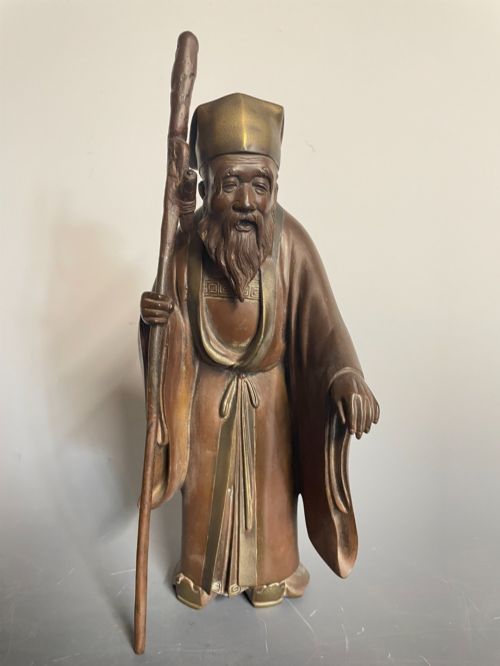
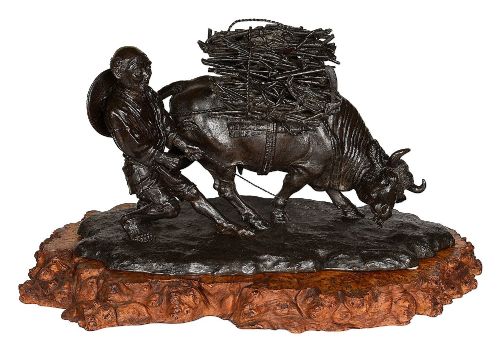
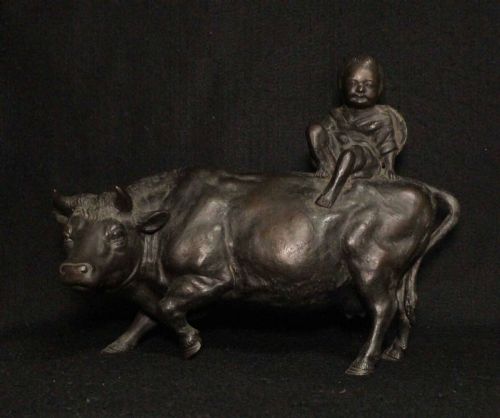
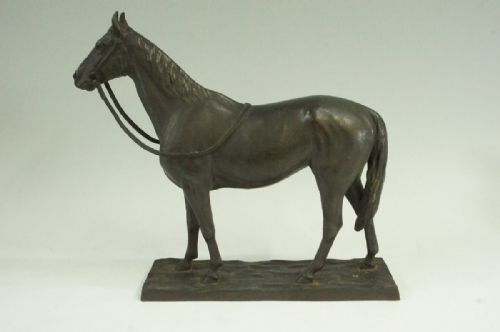
These pieces encompass figural bronzes, okimono, and decorative vases originating primarily from the Meiji period through the early twentieth century. Buyers encounter a diverse selection of subjects ranging from realistic birds of prey and domestic animals to mythical demons and human figures.
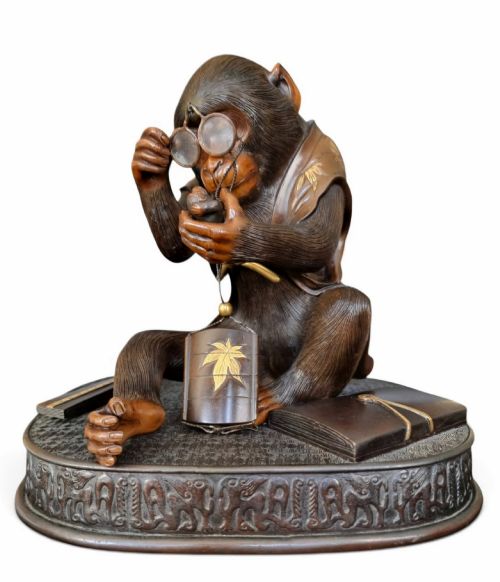
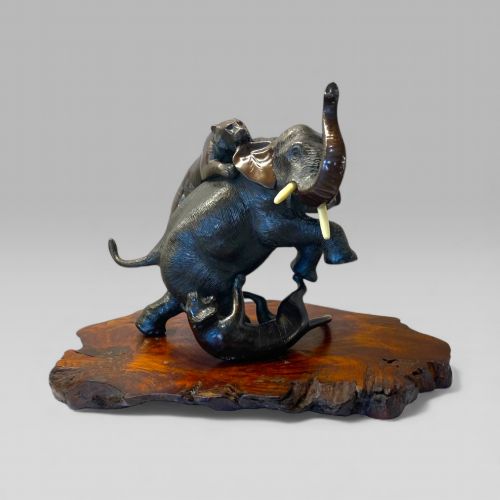
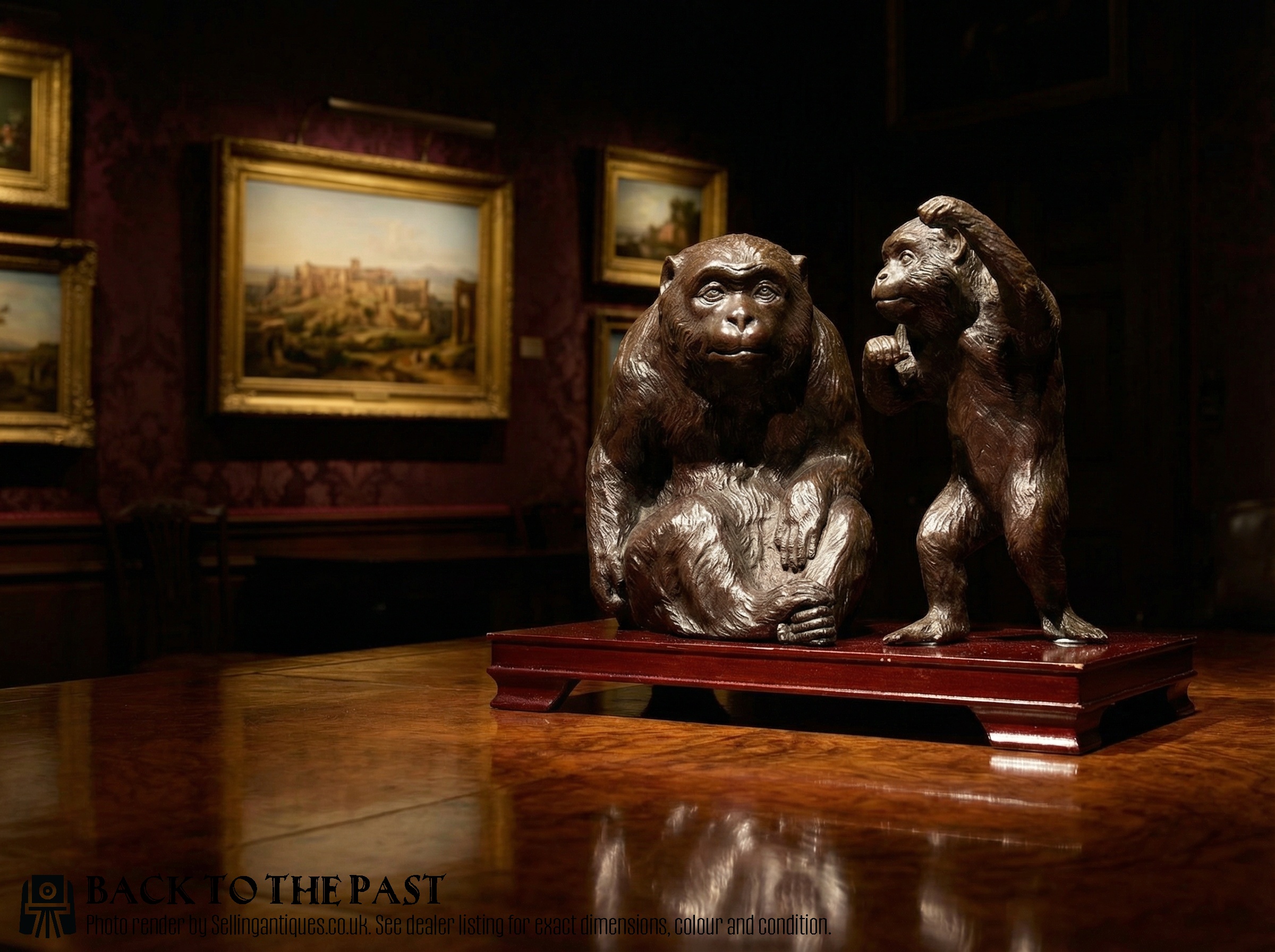
The forms extend from small tabletop okimono depicting insects and monkeys to large garden statuary and monumental bronze geese. Many examples incorporate naturalistic bases of wood or stone, framing the subject with context.
Materials and casting methods
Foundries utilised bronze, patinated bronze, and mixed metals, frequently integrating gold inlay, silvered bronze, and contrasting elements like bone, wood, and ivory. Metals were manipulated to achieve varied surface colours and textures.
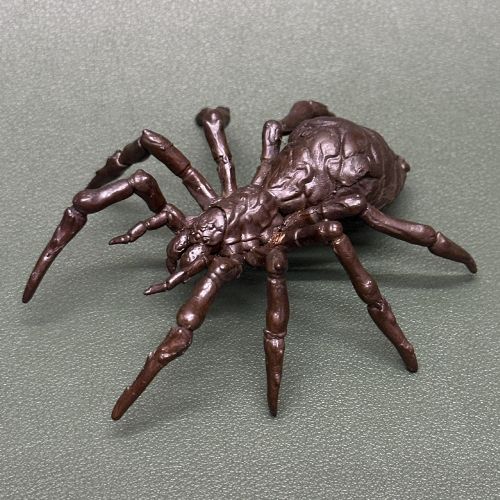
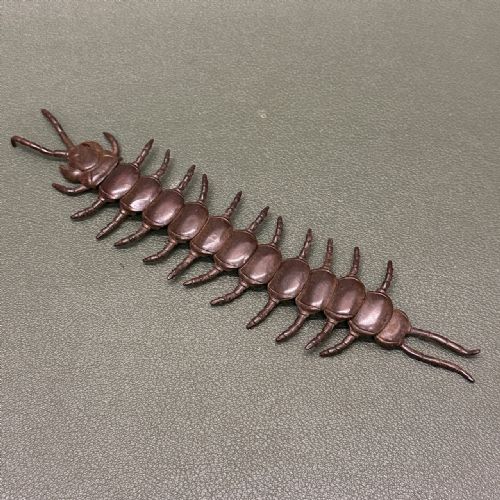
Advanced casting techniques allowed for articulated sections in animal figures, such as centipedes and spiders, alongside finely detailed engraving and patination applied by skilled metalworkers.
Japanese Metalwork Sculpture Retail Price Guide 2026
Typical asking prices for japanese metalwork sculpture among the pieces listed under this phrase on Sellingantiques today, from the lower quarter to the upper quarter. They describe what is for sale here now, not the wider market.
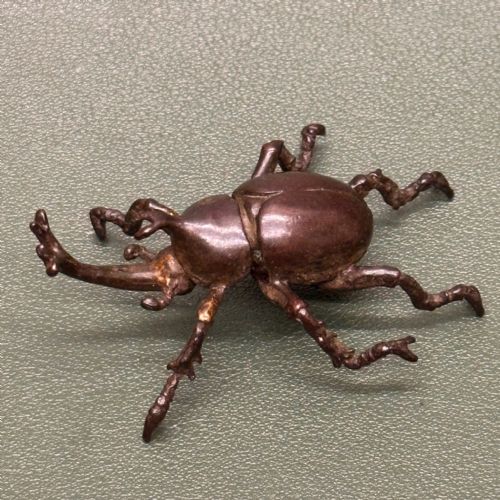
Several Meiji period bronzes capture remarkably specific animal moments, including a spider crawling and a rhinoceros beetle resting.
Distinctions in craftsmanship
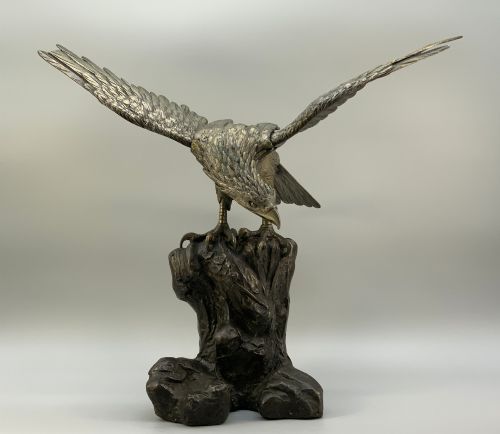
Superior examples demonstrate meticulous attention to anatomical detail, such as the feather definition on eagles or the textural realism of animal fur. The precision of articulated joints and the subtlety of mixed-metal patination elevate individual pieces.
Signatures by recognised master metalworkers and workshops distinguish exceptional works from standard foundry production, reflecting the standing of the maker.
Jomi Eisuke·Kunio Ito·Sakai Kozan·Unno Shomin·Genryusai Seiya
The Japanese Metalwork Sculpture Glossary
- Okimono
- A standalone Japanese decorative object or sculpture intended for display in an alcove or on a cabinet. These small-scale carvings and castings depict animals, figures, and subjects from daily life.
- Meiji Period
- The era in Japanese history spanning from 1868 to 1912, characterised by rapid modernisation and the opening of trade with the West. Metalwork from this time achieved worldwide renown for technical mastery.
- Mixed Metal
- An alloy combination or the use of multiple distinct metals within a single object, such as bronze paired with gold or silver inlay. This technique creates contrasting colour effects across the surface.
- Patinated Bronze
- Bronze treated with chemical solutions or heat to alter its surface colour and finish. The process yields rich brown, black, or greenish tones that enhance the sculptural contours.
Japanese Metalwork Sculpture: Frequently Asked Questions
What is an okimono sculpture?
An okimono is a decorative display object designed to sit on a shelf or tabletop rather than serve a functional purpose. These pieces represent animals, figures, and natural subjects.
In Japanese metalwork sculpture, okimono range from small depictions of insects and rodents to substantial figures of elephants and birds of prey.
How do I identify Meiji period bronzes?
Meiji period bronzes typically date between 1868 and 1912, reflecting the artistic output generated during the reign of Emperor Meiji. These works are often marked by sophisticated patination and naturalistic subject matter.
Many pieces from this timeframe also bear artist signatures or foundry marks, which help narrow down their exact origin and production period.
What materials are used in these sculptures?
The primary material is bronze, frequently finished with patination to create deep brown or black surface tones. Other components include mixed metals, gold inlay, silvered bronze, and occasionally wood or stone bases.
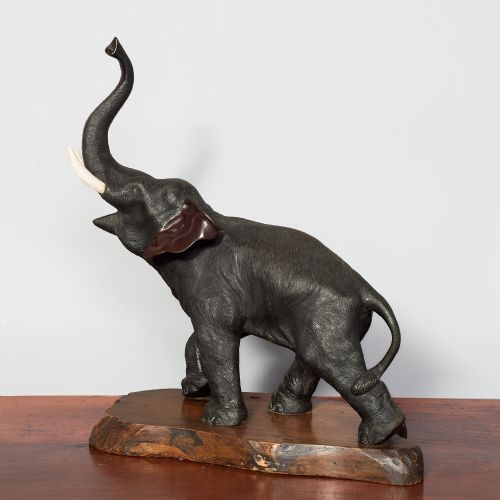
Certain figural sculptures also incorporate contrasting materials like bone or ivory for specific details such as tusks.
Are these sculptures signed by makers?
Many Japanese metalwork sculptures feature signatures or seals inscribed by the artist or originating foundry. These markings provide direct attribution to renowned makers active during the late nineteenth and early twentieth centuries.
Collectors look for these signatures as indicators of workshop origin and individual craftsmanship.