


Japanese Kutani Porcelain Vases
Japanese kutani porcelain vases bring vibrant painted scenes and rich gilding into a room, offering striking focal points for collectors of Meiji period ceramics.
Japanese Kutani Porcelain Vases
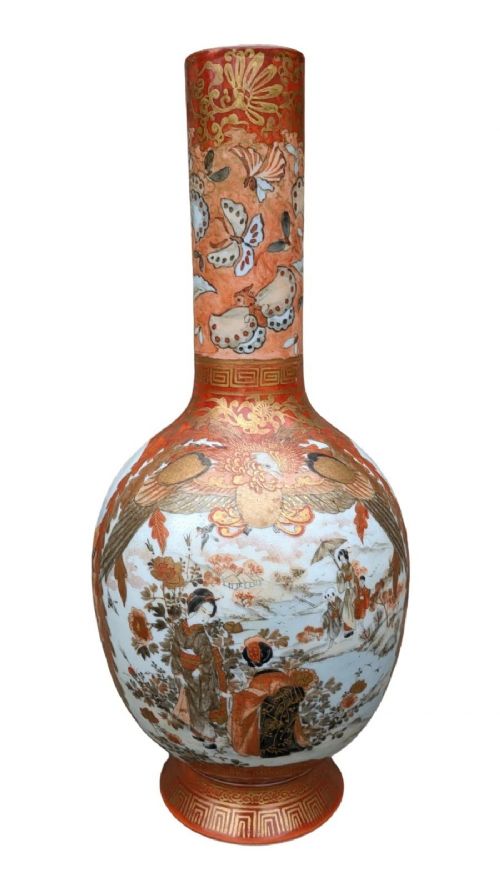
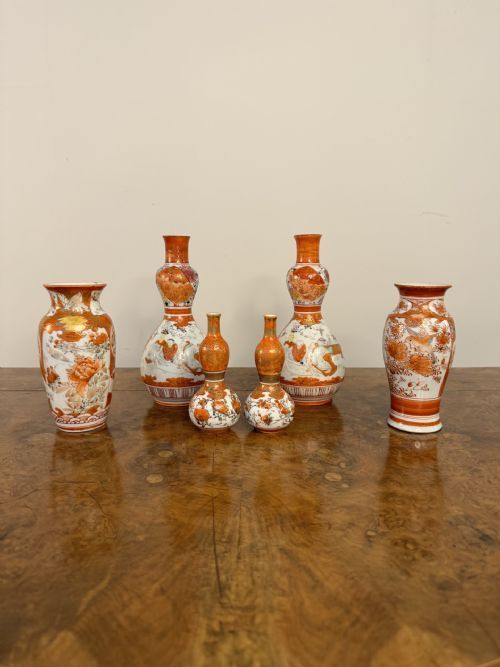
When you search for japanese kutani porcelain vases, you encounter decorative vessels primarily originating from the Meiji period and the nineteenth century. These pieces encompass standard floor vases, cylindrical shapes, flare neck designs, and bulbous forms alongside converted table lamps.
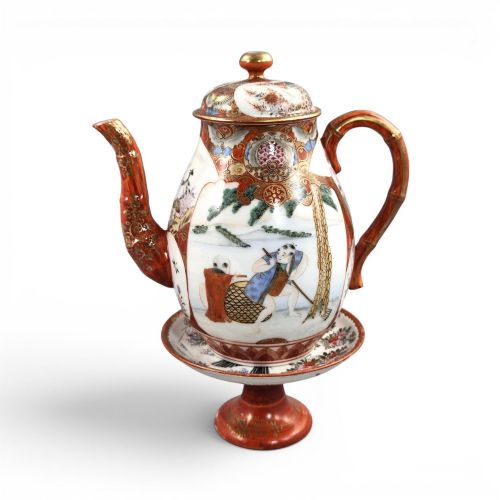
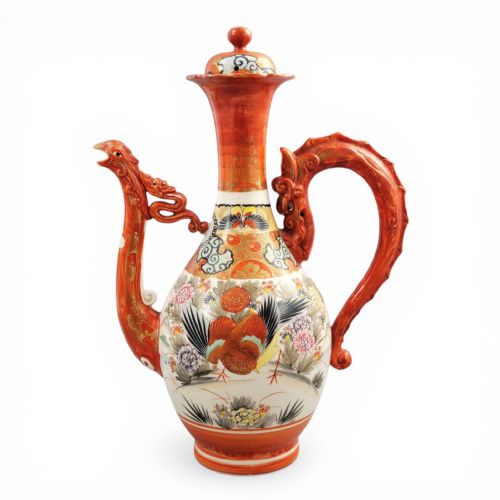
The selection ranges from small hand-painted cabinet pieces to large pairs standing tall in rooms. Alongside standard vases and jars, buyers frequently find decorative ewers, teapots, and chargers that share the same distinctive palette and artistic traditions.
Most examples hail from the late nineteenth century, reflecting the export boom directed toward Western markets during the Meiji era. Collectors can choose between single display vessels and matched pairs suited for mantelpieces or side tables.
How They Were Made
Potters shaped porcelain bodies on the wheel or in moulds before applying detailed hand-painted enamel decoration. Artisans then integrated gold leaf and heavy gilding to highlight intricate motifs, geometric panels, and figurative scenes.
Specialised techniques such as moriage built up thick layers of slip or enamel to create raised, tactile surfaces on dragons, lions, and floral patterns. Kiln firings set these rich colours and metallic accents, ensuring lasting durability.
Listings feature porcelain, enamel, gold leaf, and gilding combined across nineteenth-century and Meiji period forms.
What Varies in Quality
The distinction between ordinary and exceptional japanese kutani porcelain vases lies in the precision of the hand-painted brushwork and the density of the enamel. Superior pieces display finely rendered figures, birds, and geometric inset panels with clean, deliberate lines.
Application of gold leaf and gilding also dictates the tier of the piece, with finer examples using generous, well-preserved metallic detailing rather than flat, sparse applications. Scale and balance further separate standard production items from monumental nineteenth-century exhibition pieces.
Kinrin Workshop
The Japanese Kutani Porcelain Vases Glossary
- Meiji Period
- The era in Japanese history spanning from 1868 to 1912, associated with intense artistic production and export to the West. Much of the Kutani porcelain on the market dates from this time.
- Moriage
- A ceramic technique involving the application of raised slip or enamel to create a textured, three-dimensional surface. This method frequently appears on nineteenth-century dragon and lion motifs.
- Enamel
- Opaque or translucent glass fused to the porcelain surface through firing, providing the bright colour palette characteristic of these ceramics. Artisans layer different shades to build complex pictorial scenes.
- Gilding
- The application of gold or gold leaf onto the porcelain body or over enamel decoration to enhance richness. High-quality pieces utilise generous gilding on handles and rim borders.
Japanese Kutani Porcelain Vases: Frequently Asked Questions
What periods do these vases date from?
Most pieces originate from the nineteenth century, with a heavy concentration spanning the Meiji period and the decades around 1880 to 1900. A smaller number date to the early twentieth century during the Taisho period.
Collectors will also encounter occasional pieces from earlier nineteenth-century decades or Victorian-era imports. These dates reflect the peak export era of Japanese ceramics.
How were these vases used originally?
These vessels served primarily as decorative display items within Japanese households and later as major export objects for Western drawing rooms. Large pairs often occupied prominent positions on mantelpieces or floor stands.
Some pieces, such as ewers and teapots, combined functional forms with ornamental painting, while others were later adapted into table lamps during the nineteenth or twentieth centuries.
How do I style japanese kutani porcelain vases at home?
Place large pairs on sturdy side tables, pedestals, or mantels where their hand-painted enamel and gold leaf can catch the light. Their strong colours pair well with neutral interiors that allow the complex patterns to stand out.
Smaller cylindrical or bulbous vases work well on bookshelves or cabinets. Converted table lamps offer a practical way to integrate antique porcelain into everyday living spaces.
How do I tell different styles of kutani apart?
Examine the surface texture and colour palette to distinguish between standard painted designs and specialised techniques like moriage. Some pieces feature geometric inset panels, while others focus on figurative scenes with dragons, phoenixes, or lions.
Paying attention to handle formations, such as lion masks, and the presence of workshop signatures helps identify specific production styles from regions like Kaga.